Polyglycerol Esters
Polyglycerol esters are a family of non-ionic emulsifiers in which a polyglycerol chain, formed by joining glycerol units through ether bonds, is esterified with one or more food fatty acids. The family is defined by two variables: how many glycerol units are in the chain, commonly two to ten, and how many of the free hydroxyl groups carry a fatty acid.
Those two variables set the hydrophilic to lipophilic balance, and the family spans almost the whole practical range. Highly esterified short chain members are oil soluble and act on fat crystallisation, aeration and water in oil emulsions, while lightly esterified long chain members such as decaglycerol monolaurate are water soluble and act as solubilisers and oil in water emulsifiers. Polyglycerol polyricinoleate, the castor oil based member, is a specialised viscosity modifier for chocolate.
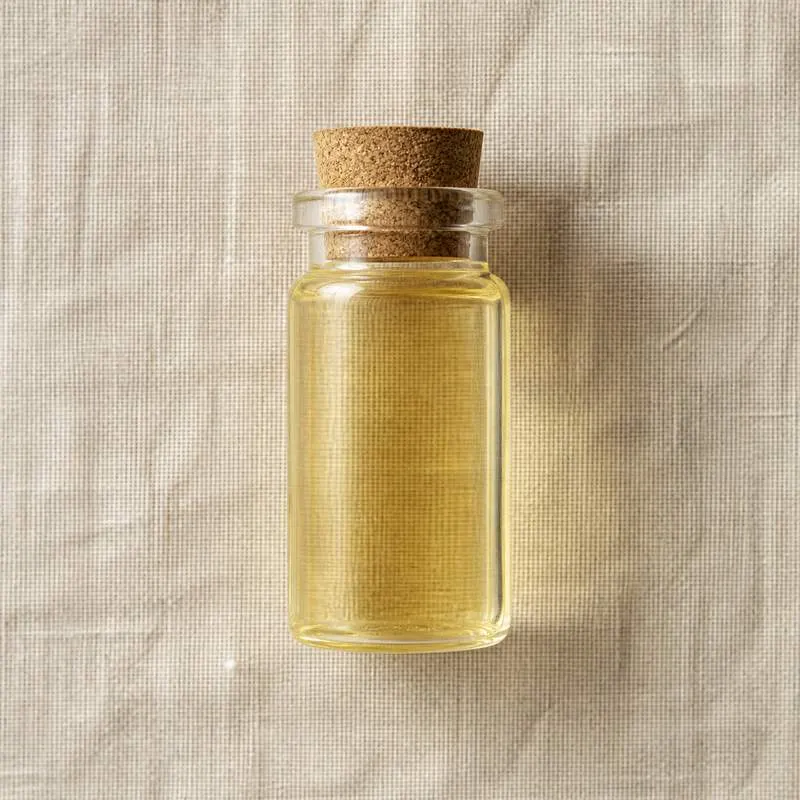
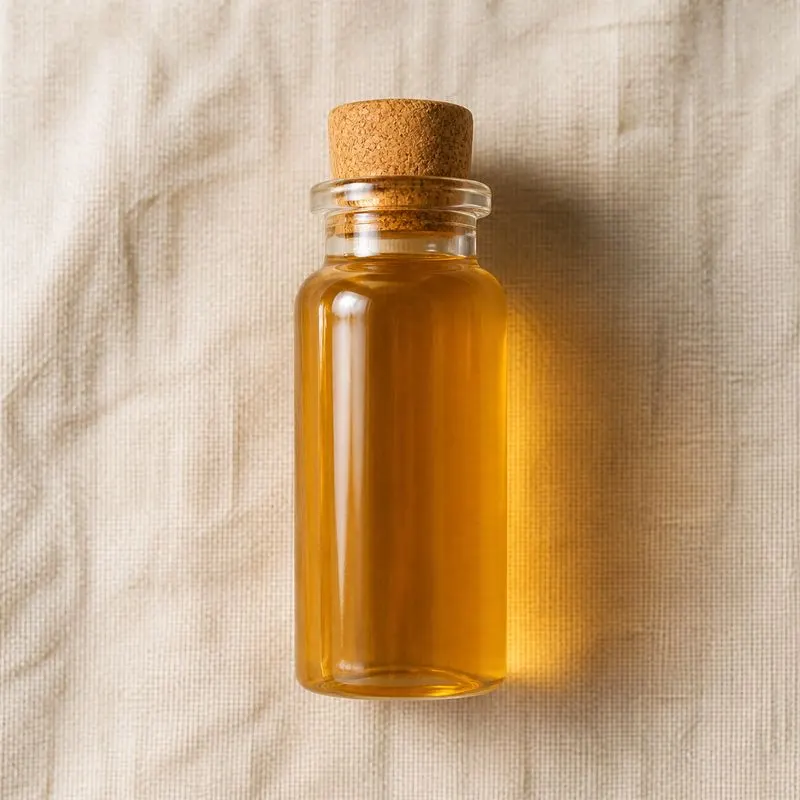
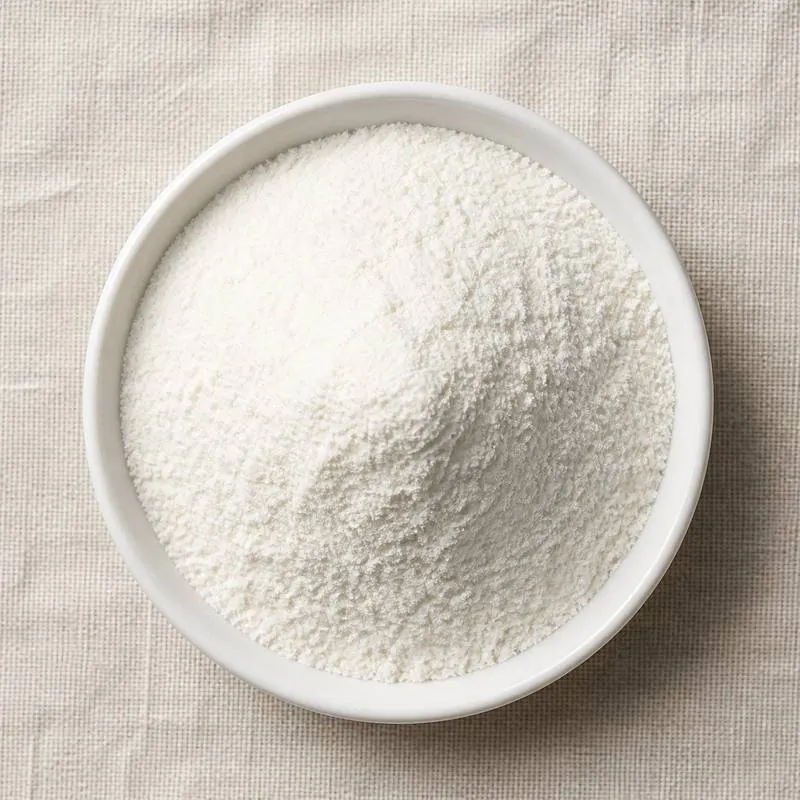
Physical form follows the fatty acid. Oleate and laurate esters are amber liquids or soft pastes, stearate and palmitate esters are waxy solids sold as flakes, beads or powder. The esters are stable to heat and to acid conditions, tolerate the pasteurisation and retort processes used in food, and hydrolyse only slowly at normal food pH, which makes them suitable for long shelf life products.
We source bulk Polyglycerol Esters from top China manufacturers for our partners. The manufacturer is in Guangdong. A smaller requirement can ship in a combined container with other ingredients.
Please send the grade you need, the volume and your destination port, and we will come back with a solution and a price.
or call +86-21-6858 0751

- Function
- Emulsifier
Specifications
| Item | Specification |
|---|---|
| Appearance | Amber liquid, paste or waxy solid according to grade |
| Odour and taste | Bland, free from rancidity |
| Identification | Positive for polyglycerol and fatty acid ester groups |
| Average degree of polymerisation | Conforms to declared grade |
| Acid value | ≤ 6 mg KOH/g |
| Hydroxyl value | Within declared range |
| Saponification value | Within declared range |
| Free glycerol | ≤ 7% |
| Total polyglycerols | ≤ 50% |
| Loss on drying | ≤ 2.0% |
| Sulphated ash | ≤ 0.5% |
| Heavy metals (as Pb) | ≤ 5 mg/kg |
| Lead | ≤ 1 mg/kg |
| Arsenic | ≤ 1 mg/kg |
Common Markets Grades
Products are named by their polyglycerol chain and fatty acid, for example diglycerol monooleate, triglycerol monostearate, hexaglycerol distearate or decaglycerol monolaurate. Suppliers publish the average degree of polymerisation and the hydrophilic to lipophilic balance for each, because those figures determine which emulsion type the ester will stabilise. Fatty acids are drawn from palm, soybean, rapeseed, coconut and castor oil, and vegetable sourcing is standard.
Grades are further distinguished by physical form, liquid, paste, flake, bead or spray dried powder, and by whether the ester has been produced by direct esterification with distilled fatty acids or by interesterification with a whole oil, which affects colour and flavour. Analytical control is by acid value, hydroxyl value, saponification value, free glycerol and total polyglycerol content rather than by a single purity assay, because the commercial material is always a distribution of species.
Applications
- Cakes and sponges, where the lipophilic esters stabilise the aerated batter and give a fine, uniform crumb
- Whipped toppings and aerated desserts, where they promote partial fat coalescence and hold overrun
- Margarine and fat spreads, where they modify crystal habit and reduce post-hardening in the pack
- Chocolate and compound coatings, where polyglycerol polyricinoleate lowers yield value and improves moulding
- Clear beverages, where the hydrophilic decaglycerol esters solubilise citrus and other flavour oils without haze
- Ice cream, where they help destabilise the fat phase and improve dryness and melt resistance
- Non-dairy creamers, where they support fat dispersion and prevent feathering in hot coffee
- Vitamin, carotenoid and omega-3 emulsions, where they carry oil soluble actives into aqueous systems
- Instant powders, where they improve wetting and dispersion of fat containing particles in cold water
China Manufacturers of Polyglycerol Esters
Top Polyglycerol Esters manufacturers in China.

Company names and logos are the property of the manufacturers themselves. They are listed here because our own directory records them as producing this ingredient. A listing is not an endorsement by them, and we do not represent them or speak on their behalf.
Regulatory Status
In the European Union Regulation (EC) No 1333/2008 authorises polyglycerol esters of fatty acids as E 475, with permitted food categories and maximum levels set in the annexes, and identity and purity criteria in the specifications regulation covering fatty acid composition, free glycerol, total polyglycerols and residual catalyst. Polyglycerol polyricinoleate is authorised separately as E 476, principally for chocolate and for water in oil emulsions.
In the United States 21 CFR 172.854 clears polyglycerol esters of fatty acids as direct food additives and defines the permitted polyglycerol moieties and fatty acid sources, and polyglycerol polyricinoleate has its own clearance for use in chocolate and confectionery coatings. JECFA has evaluated both the polyglycerol esters and polyglycerol polyricinoleate and published specifications for them, and both appear in the Codex General Standard for Food Additives.
Manufacturing Process
Glycerol is polymerised first. It is heated to around 200 to 260 degrees Celsius with an alkaline catalyst under vacuum or an inert gas sweep, and water is removed as ether bonds form between glycerol units. The reaction is held until the average degree of polymerisation matches the target, then cooled and neutralised. Free glycerol and cyclic by-products are stripped under vacuum, and higher grades are decolourised before use.
The polyglycerol is then reacted with the chosen fatty acid at high temperature under vacuum with an alkaline catalyst, water of esterification being removed continuously, or alternatively interesterified with a triglyceride oil. The degree of esterification is controlled by the fatty acid to polyglycerol ratio and by reaction time. The crude ester is neutralised, treated with bleaching earth or carbon to remove catalyst and colour, and deodorised with vacuum steam. Finishing depends on melting behaviour: liquids are filtered and filled, solids are flaked, pastillated or spray cooled to powder, and each lot is released on acid value, hydroxyl value and free polyglycerol content.