Enzymatically Hydrolyzed Soy Protein
Enzymatically hydrolysed soy protein is soy protein that has been cut into shorter peptides by protease treatment rather than by acid, and it is distinct in both composition and regulatory position from the acid hydrolysed vegetable protein used as a savoury flavouring. Enzymatic hydrolysis is carried out under mild conditions, so the amino acids are not destroyed and no chloropropanol contaminants are formed, and the product is a nutritional and functional protein rather than a flavour.
The starting material is soy protein isolate or concentrate, whose storage globulins glycinin and beta conglycinin are poorly soluble near their isoelectric point of about pH 4.5 and thicken or gel on heating. Hydrolysis removes that behaviour. As the chains are cut, solubility rises across the whole pH range including the acid region used for fruit flavoured beverages, viscosity falls to almost nothing, heat coagulation disappears, and the antigenic epitopes recognised in soy allergy are progressively broken up, which is the basis for the use of extensively hydrolysed soy protein in hypoallergenic formulations.
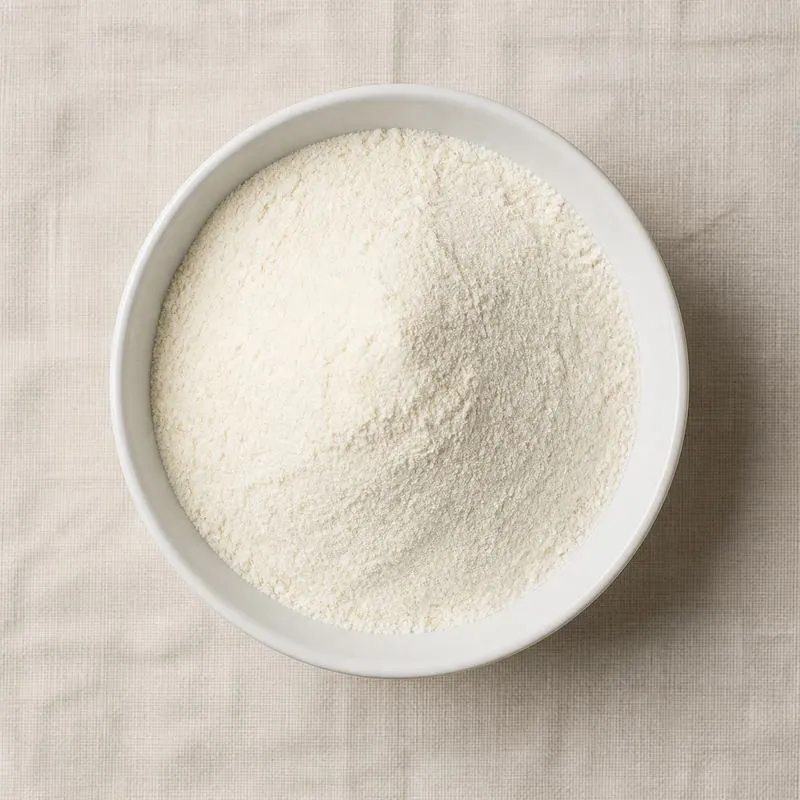
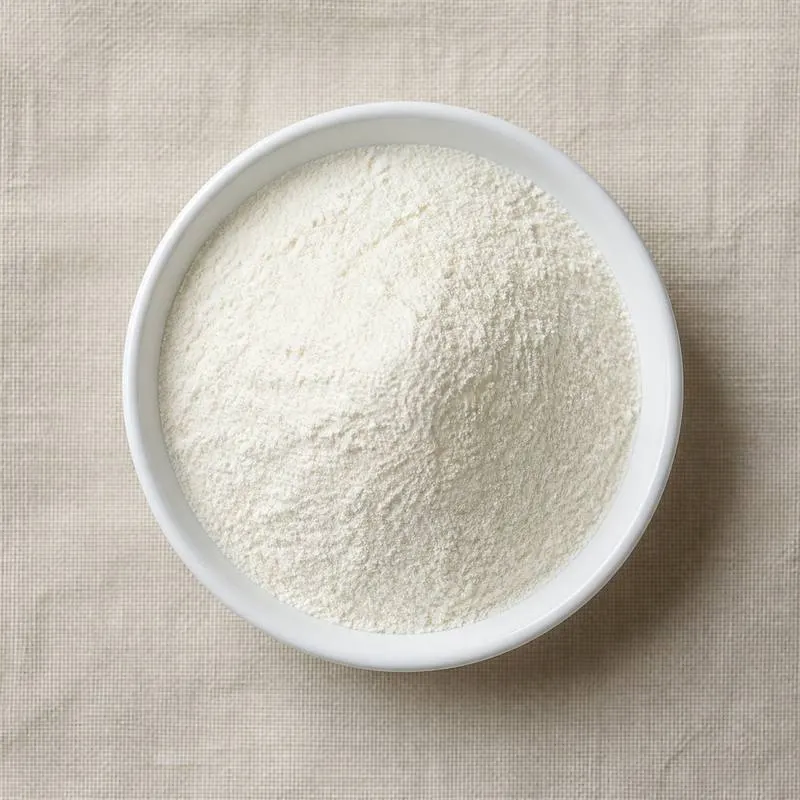
The finished ingredient is a white to light tan spray dried powder, dissolving almost completely in cold water. Bitterness is its characteristic problem, since cutting the protein exposes hydrophobic residues, and the degree of debittering achieved in manufacture is what separates a beverage grade from a bulk nutritional grade.
We source bulk Enzymatically Hydrolyzed Soy Protein from top China manufacturers for our partners. The manufacturer is in Beijing. A smaller requirement can ship in a combined container with other ingredients.
Please send the grade you need, the volume and your destination port, and we will come back with a solution and a price.
or call +86-21-6858 0751
- Function
- Protein
Specifications
| Item | Specification |
|---|---|
| Appearance | White to light tan free flowing powder |
| Odour and Taste | Mild characteristic soy odour, bland to slightly bitter |
| Protein (dry basis, N x 6.25) | Not less than 85.0 percent |
| Degree of Hydrolysis | Declared by grade, 5 to 25 percent |
| Peptides below 1000 Daltons | Not less than 70.0 percent |
| Identification | Amino acid profile and molecular weight distribution conform to reference |
| Loss on Drying | Not more than 7.0 percent |
| Ash | Not more than 6.0 percent |
| Fat | Not more than 1.0 percent |
| pH (1 percent solution) | 6.0 to 7.5 |
| Solubility in Water | Not less than 98.0 percent |
| Residual Hexane | Not more than 10 mg/kg |
| Lead | Not more than 0.5 mg/kg |
| Arsenic | Not more than 0.5 mg/kg |
| Total Plate Count | Not more than 10000 cfu/g |
| Yeast and Mould | Not more than 100 cfu/g |
| E. coli | Negative in 1 g |
| Salmonella | Negative in 25 g |
Common Markets Grades
Grades are defined by degree of hydrolysis, the proportion of peptide bonds cleaved. Lightly hydrolysed material at 3 to 8 percent keeps some functional protein behaviour while gaining solubility and is used where emulsification still matters. Moderately hydrolysed material in the 10 to 20 percent range is the general nutritional and beverage grade, fully soluble with no viscosity contribution. Extensively hydrolysed material above 20 percent is dominated by short peptides and free amino acids, is used in clinical and hypoallergenic nutrition, and is the most bitter and the most expensive to debitter.
Protein content follows the starting material, typically 80 to 85 percent on a dry basis from concentrate and 88 to 92 percent from isolate. Molecular weight distribution is declared alongside the degree of hydrolysis, and beverage grades additionally carry a bitterness assessment and a clarity specification measured as transmittance in solution. Non genetically modified and organic certified material is traded at a premium and requires segregated supply from the field onward.
Applications
- Clear acidic protein beverages, where intact soy protein would precipitate at low pH
- Ready to drink plant protein shakes and shots that must survive retort without gelling
- Clinical and enteral nutrition formulas requiring a plant protein of low molecular weight
- Hypoallergenic and specialised infant formulations, using extensively hydrolysed grades
- Sports nutrition products positioned on rapid absorption of short chain peptides
- Nutrition bars, where hydrolysed protein reduces the hardening seen over shelf life
- Meat and vegetarian products, where lightly hydrolysed grades retain emulsifying capacity
- Microbiological culture media and fermentation nitrogen sources, as a plant peptone
- Cosmetic and personal care formulations, as a film forming plant protein derivative
China Manufacturers of Enzymatically Hydrolyzed Soy Protein
Top Enzymatically Hydrolyzed Soy Protein manufacturers in China.
Company names and logos are the property of the manufacturers themselves. They are listed here because our own directory records them as producing this ingredient. A listing is not an endorsement by them, and we do not represent them or speak on their behalf.
Regulatory Status
In the United States enzymatically hydrolysed soy protein is a conventional food ingredient derived from a common food, sold on generally recognised as safe status established by the manufacturer. Soy is a major food allergen and must be declared regardless of the degree of hydrolysis, since partial hydrolysis does not remove allergenicity and even extensively hydrolysed material is not exempt from the labelling requirement. Where the material is used in infant formula it falls under the infant formula regulations with their notification, nutrient and quality control requirements. Bioengineered soybean derived material may attract a bioengineered food disclosure.
In the European Union enzymatically hydrolysed protein from soybean, an established food crop, is regarded as a food rather than a novel food. Soybeans and products thereof are listed allergens under the food information regulation and must be declared. Hydrolysed protein used in food for infants and young children falls under the delegated regulation on food for specific groups, which sets requirements for protein sources including hydrolysates. Material from authorised genetically modified events is subject to the traceability and labelling regulation. The ingredient is not a food additive and holds no E number. Codex maintains a standard for vegetable protein products covering soy protein products, which is the international compositional reference.
Manufacturing Process
The feedstock is defatted soy flakes converted to protein concentrate or isolate. For isolate the flakes are extracted with water at mildly alkaline pH, the insoluble fibre is separated by centrifugation, and the protein is precipitated at its isoelectric point of about pH 4.5, then washed, resolubilised and used directly as the hydrolysis substrate rather than being dried first, which saves a drying step and gives better enzyme access.
The protein slurry is adjusted to the temperature and pH window of the enzyme system and hydrolysed. In practice two enzymes are used in sequence: an alkaline endoprotease cuts the chains internally to the target degree of hydrolysis, then an exopeptidase, often a fungal preparation with aminopeptidase activity, removes terminal hydrophobic residues, which is the main mechanism for reducing bitterness. Degree of hydrolysis is tracked during the reaction by the pH stat or trinitrobenzene sulphonate method and the reaction is stopped by heating, which also inactivates the enzymes. The hydrolysate is centrifuged and filtered to remove undigested residue, then passed through ultrafiltration to hold back high molecular weight material and nanofiltration to concentrate and desalt the permeate. Activated carbon adsorption removes residual bitter peptides and colour for beverage grades. The concentrate is evaporated under vacuum and spray dried, sieved and packed.