Fish Cartilage Peptide
Fish cartilage peptide is a hydrolysate prepared from the cartilage of fish, most often shark, sturgeon, salmon or ray, in which the cartilage matrix is enzymatically digested into soluble peptides. Cartilage is not simply another collagen source: its matrix is built from type II collagen fibres embedded in a gel of proteoglycans, principally aggrecan, whose glycosaminoglycan side chains are chondroitin sulphate. The finished ingredient therefore carries both a peptide fraction and a mucopolysaccharide fraction, and both are declared on the specification.
That dual composition is why the material is positioned on joint rather than skin applications, since type II collagen and chondroitin sulphate are the constituents of articular cartilage itself. Chondroitin sulphate content in commercial grades commonly runs between 10 and 30 percent, and it is often the figure the material is priced on, with the peptide fraction making up most of the balance.
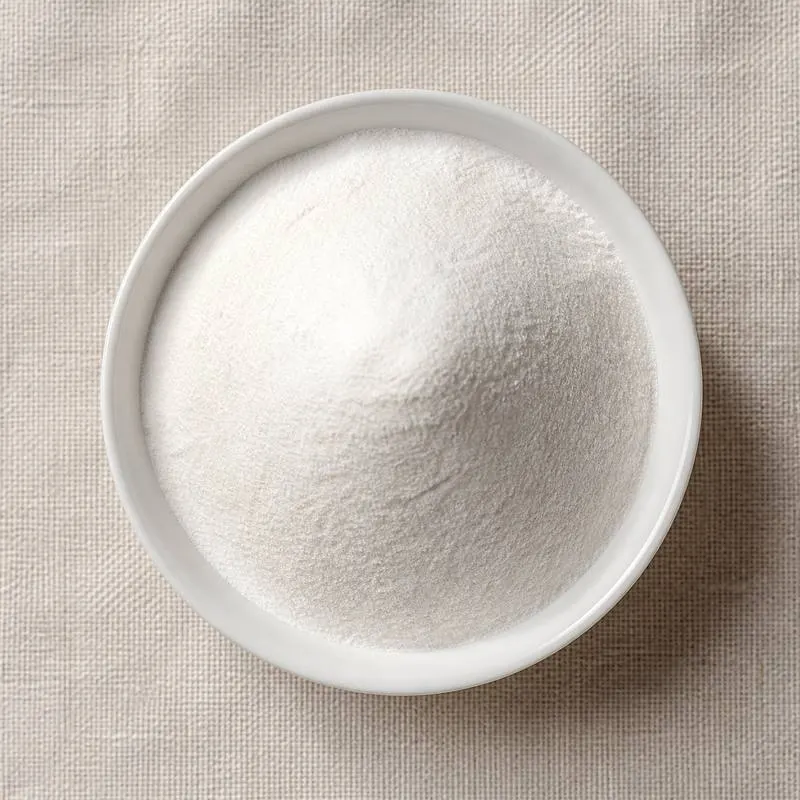
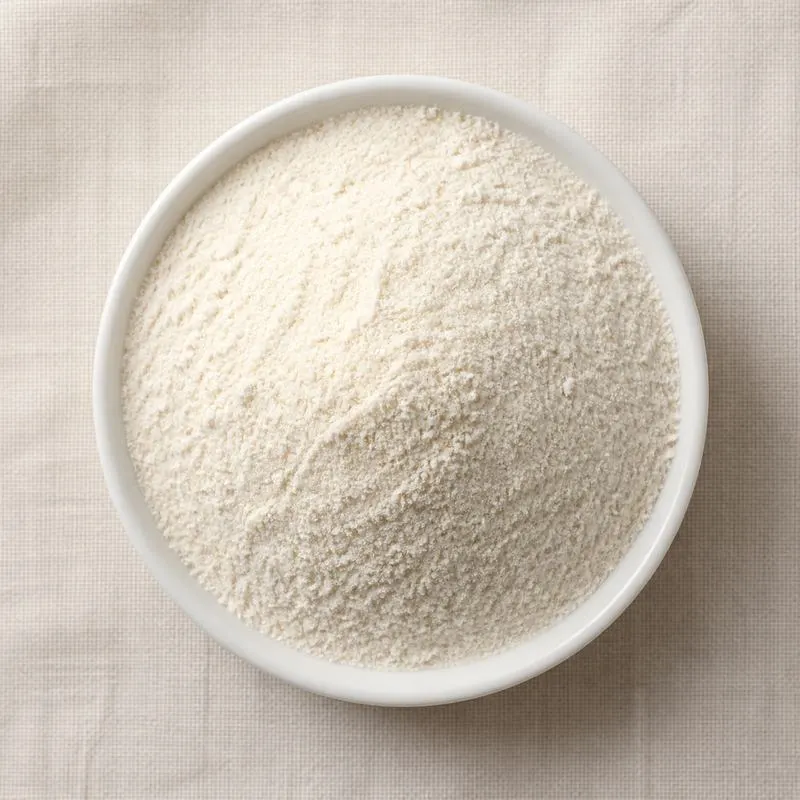
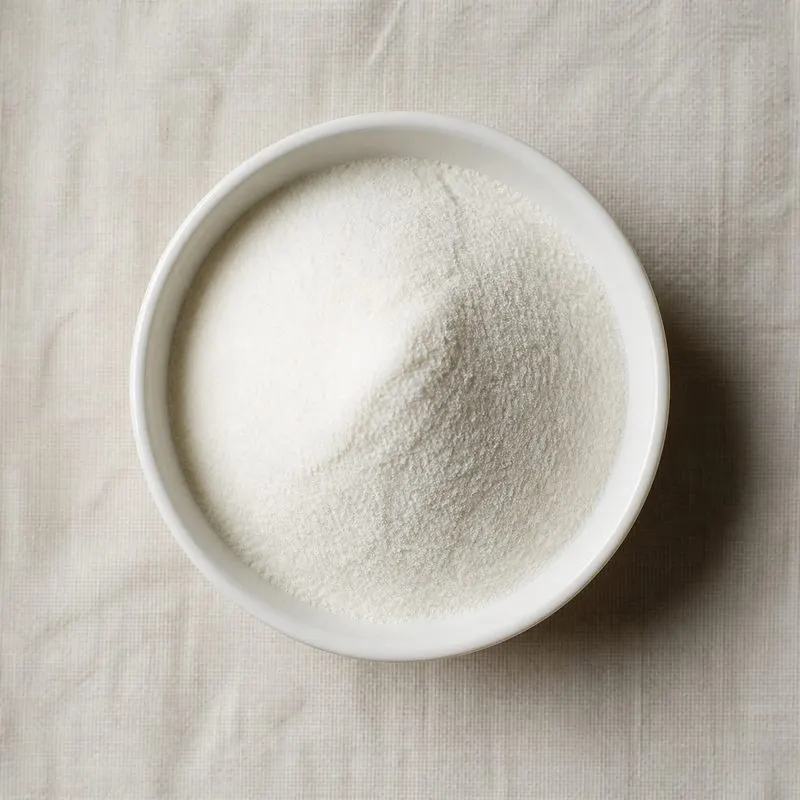
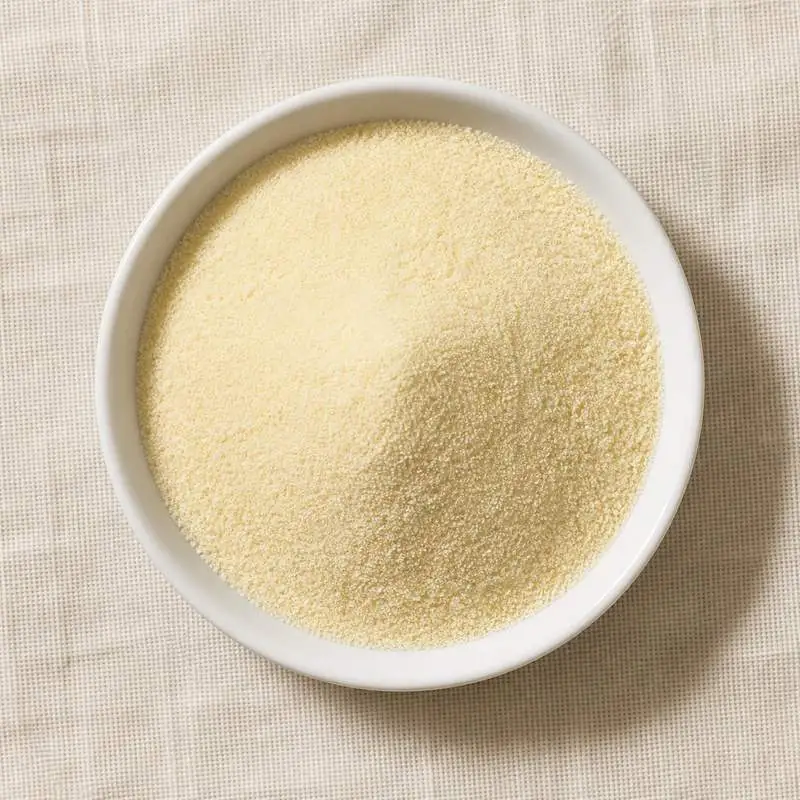
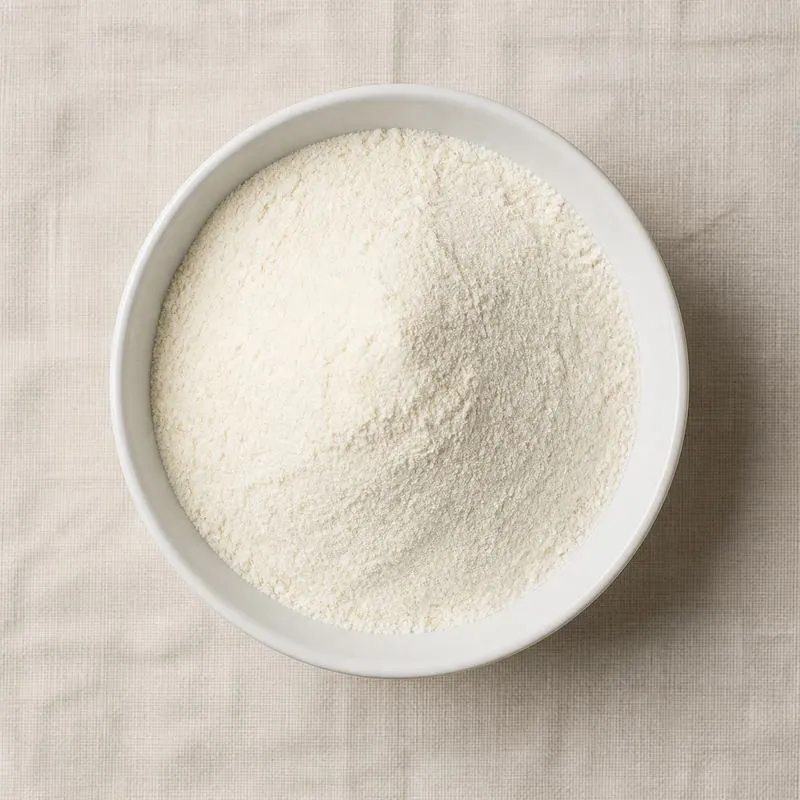
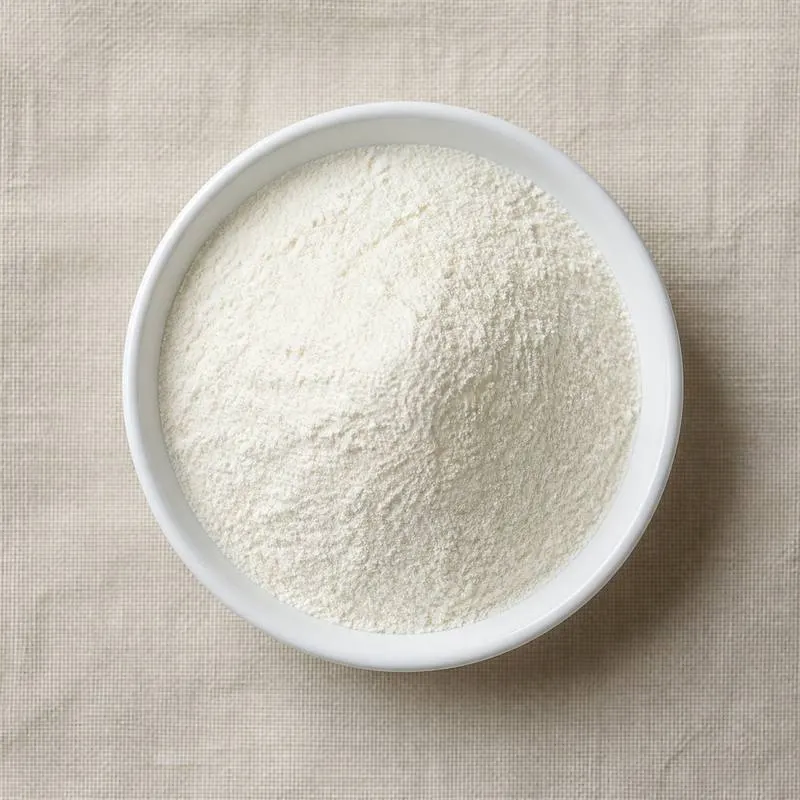
Supply is as an off white to light beige spray dried powder with a faint marine odour. It dissolves readily in water, giving a solution of slightly higher viscosity than a plain collagen peptide because of the polysaccharide content, and holds through pasteurisation without gelling. Fish sourcing is a commercial advantage in markets that avoid bovine and porcine material, which is the main reason the fish cartilage version exists alongside the bovine and porcine ones.
We source bulk Fish Cartilage Peptide from top China manufacturers for our partners. The manufacturer is in Shandong. A smaller requirement can ship in a combined container with other ingredients.
Please send the grade you need, the volume and your destination port, and we will come back with a solution and a price.
or call +86-21-6858 0751
- Function
- Protein
Specifications
| Item | Specification |
|---|---|
| Appearance | Off white to light beige free flowing powder |
| Odour and Taste | Faint marine odour, slightly salty taste |
| Species of Origin | Declared, with documentation of fishery source |
| Protein (dry basis, N x 6.25) | Not less than 60.0 percent |
| Chondroitin Sulphate | Not less than 15.0 percent |
| Peptides below 1000 Daltons | Not less than 75.0 percent |
| Loss on Drying | Not more than 8.0 percent |
| Ash | Not more than 12.0 percent |
| Fat | Not more than 1.0 percent |
| pH (1 percent solution) | 5.5 to 7.5 |
| Solubility in Water | Not less than 97.0 percent |
| Lead | Not more than 0.5 mg/kg |
| Arsenic (inorganic) | Not more than 0.5 mg/kg |
| Mercury | Not more than 0.5 mg/kg |
| Cadmium | Not more than 0.5 mg/kg |
| Total Plate Count | Not more than 10000 cfu/g |
| Yeast and Mould | Not more than 100 cfu/g |
| E. coli | Negative in 1 g |
| Salmonella | Negative in 25 g |
Common Markets Grades
Grades are defined by chondroitin sulphate content and by species. Low chondroitin grades at 10 to 15 percent are essentially cartilage protein hydrolysates with the polysaccharide retained, while enriched grades at 25 to 30 percent have been through a purification step that concentrates the glycosaminoglycan fraction, and purified chondroitin sulphate itself is a separate ingredient rather than a grade of this one. Species is declared because shark derived material faces both regulatory and reputational constraints in several markets, and sturgeon, salmon and ray cartilage recovered from food processing are traded as alternatives.
Peptide specifications sit alongside: protein content on a dry basis, molecular weight distribution with most grades declaring the bulk below 1000 daltons, and often a type II collagen declaration. Decoloured and deodorised grades treated with activated carbon are used in white powders and clear drinks, while untreated material goes into capsules. Heavy metals are specified more tightly than for most marine hydrolysates because cartilage from long lived predatory species can concentrate mercury and cadmium.
Applications
- Joint health supplements, where the type II collagen and chondroitin fractions are the basis of the positioning
- Combination formulas with glucosamine, methylsulphonylmethane and collagen peptide
- Sports nutrition products aimed at cartilage and connective tissue recovery
- Middle aged and elderly nutrition powders in the Chinese and Japanese markets
- Functional beverages and shots, where the peptide dissolves clear at supplement doses
- Beauty positioned supplements, using the collagen peptide fraction alongside the polysaccharide
- Companion animal joint supplements, a substantial outlet for cartilage derived material
- Cosmetic formulations, as a marine protein and polysaccharide derivative
China Manufacturers of Fish Cartilage Peptide
Top Fish Cartilage Peptide manufacturers in China.

Company names and logos are the property of the manufacturers themselves. They are listed here because our own directory records them as producing this ingredient. A listing is not an endorsement by them, and we do not represent them or speak on their behalf.
Regulatory Status
In the United States hydrolysates of edible fish tissue are handled as conventional food ingredients on safety that the manufacturer establishes, and cartilage derived joint ingredients are sold under the dietary supplement framework. Fish is a major food allergen and the source must be declared regardless of the degree of hydrolysis. Where the raw material is shark, the species involved may be listed under the Convention on International Trade in Endangered Species or subject to domestic fisheries restrictions, and species documentation is part of the supply chain paperwork. Joint claims are structure and function claims carrying the associated notification and disclaimer requirements.
In the European Union a cartilage hydrolysate from food fish processed by conventional enzymatic means is generally treated as a food rather than a novel food, though preparations from species without a history of consumption in the Union, or concentrated to a degree that changes the nature of the ingredient, require novel food authorisation. Fish is a listed allergen under the food information regulation. Shark species are subject to trade controls under the Convention on International Trade in Endangered Species and to Union fisheries rules. Joint and cartilage health claims may only be made where authorised on the Union register, and none is authorised for this ingredient. It is not a food additive and holds no E number.
Manufacturing Process
Cartilage is recovered as a by product of fish processing, from the head, fins and skeletal cartilage of sharks and rays or the notochord and skeletal cartilage of sturgeon and salmon. The raw material is washed, trimmed of adhering muscle and skin, and minced or milled frozen, since cartilage is tough and does not mince readily at ambient temperature. It is then defatted and washed repeatedly to remove blood and soluble muscle protein, which would otherwise carry through as colour and odour.
The cleaned cartilage is slurried in water and hydrolysed with a food grade protease, usually an alkaline endoprotease that opens the collagen and core protein of the proteoglycan, followed by an exopeptidase stage to reduce bitterness. Hydrolysis has to be controlled, because conditions harsh enough to dissolve the matrix completely also degrade the chondroitin sulphate chains and lower the declared polysaccharide content. The enzymes are inactivated by heating, the slurry is centrifuged and filtered to remove undigested residue and bone fragments, and the liquor is passed through ultrafiltration, which holds back high molecular weight material while retaining the chondroitin fraction. Nanofiltration concentrates and desalts, activated carbon treatment removes colour and marine odour where required, and the concentrate is evaporated under vacuum, spray dried, sieved and packed.