Fish Maw Peptides
Fish maw peptides are collagen hydrolysates made from the swim bladder of fish, the gas filled organ that controls buoyancy, known in the Chinese trade as fish maw and long treated as a delicacy and a tonic food. The swim bladder wall is almost pure connective tissue, with type I collagen accounting for the great majority of its dry weight, which makes it one of the most concentrated collagen raw materials available and explains both its traditional value and its use as a peptide feedstock.
Hydrolysis converts that collagen into short peptides rich in glycine, proline and hydroxyproline. The practical effect is that the material behaves nothing like dried fish maw, which must be soaked for hours and simmered to soften and which sets any broth to a gel on cooling. The peptide dissolves in cold water, does not gel at any usable concentration, and can be dosed in a sachet or a drink at the levels a traditional preparation would deliver only after long cooking.
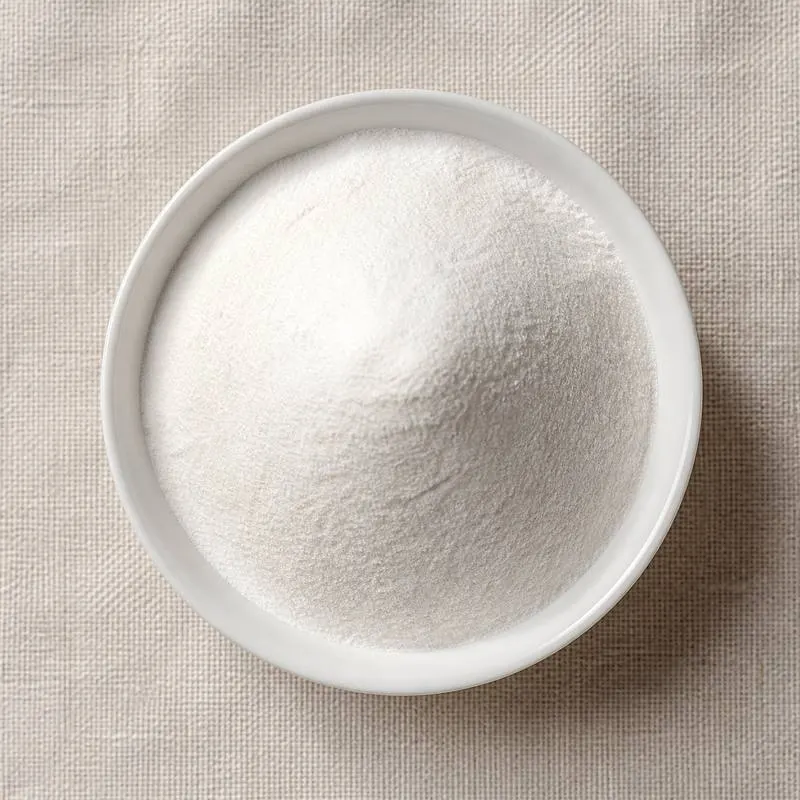
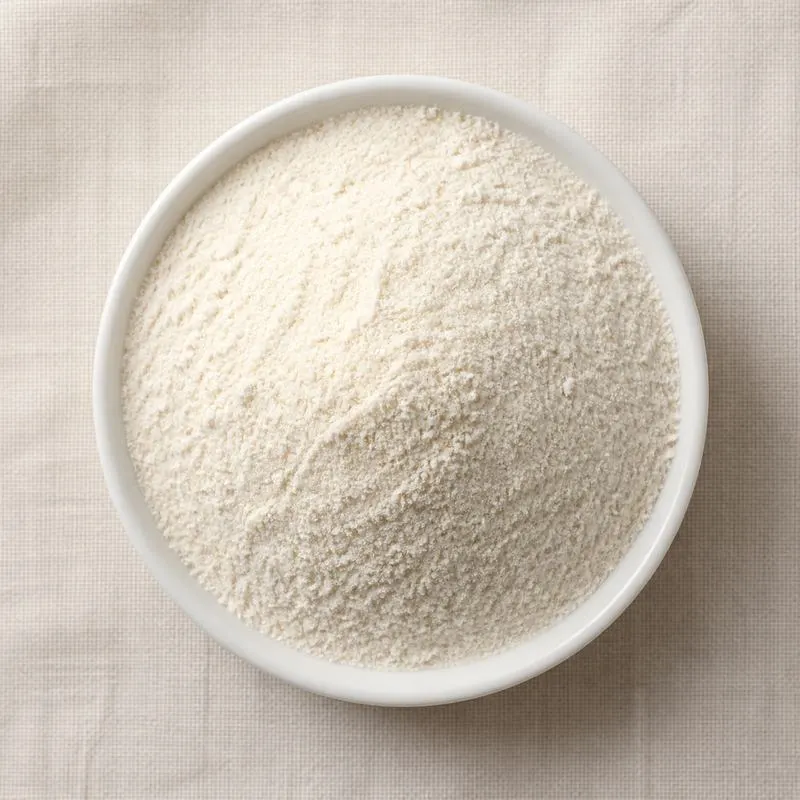
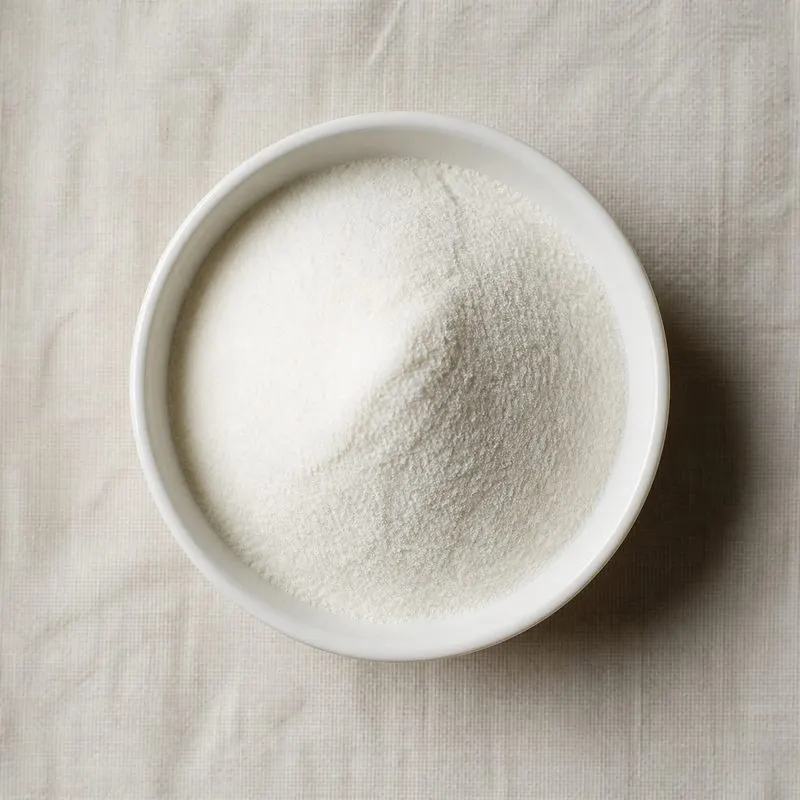
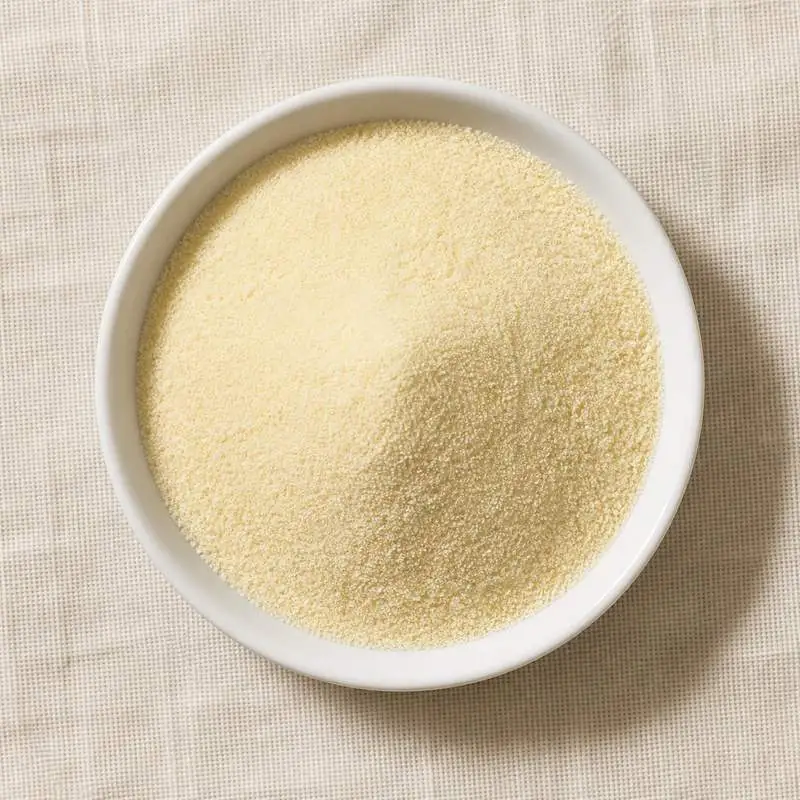
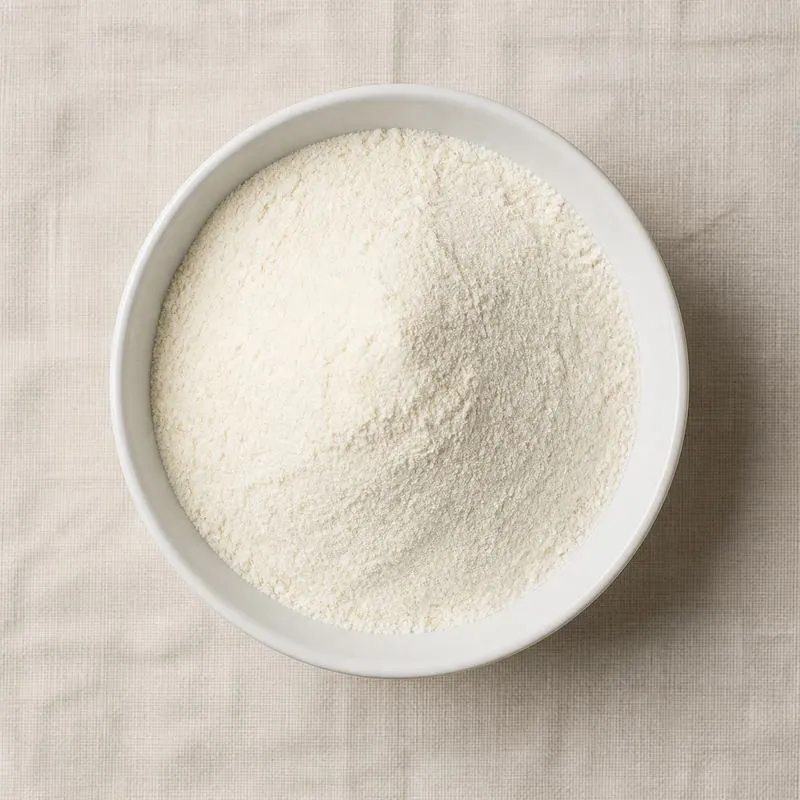
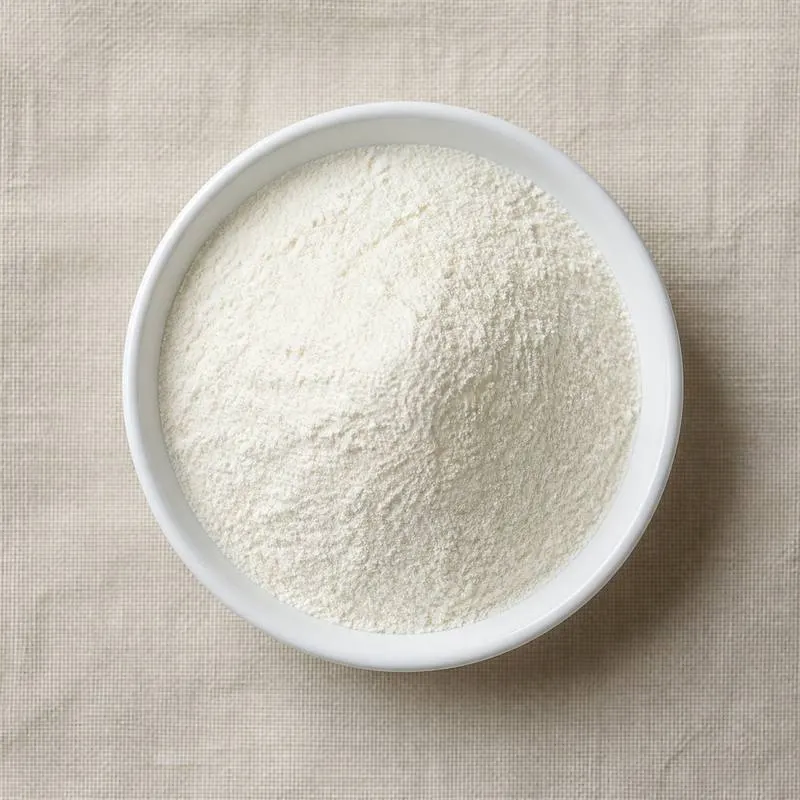
Supply is as a white to pale yellow spray dried or freeze dried powder with a faint marine odour. Hydroxyproline content confirms the collagen origin, and species declaration matters commercially because fish maw from large croaker species carries a value far above that of maw from farmed or industrial species, and the peptide trade inherits that distinction.
We source bulk Fish Maw Peptides from top China manufacturers for our partners. The manufacturer is in Guangdong. A smaller requirement can ship in a combined container with other ingredients.
Please send the grade you need, the volume and your destination port, and we will come back with a solution and a price.
or call +86-21-6858 0751
- Function
- Protein
Specifications
| Item | Specification |
|---|---|
| Appearance | White to pale yellow free flowing powder |
| Odour and Taste | Faint marine odour, bland taste |
| Species of Origin | Declared and confirmed by DNA or peptide marker identification |
| Protein (dry basis, N x 5.55) | Not less than 90.0 percent |
| Hydroxyproline | Not less than 10.0 percent of protein |
| Average Molecular Weight | 500 to 3000 Daltons |
| Loss on Drying | Not more than 7.0 percent |
| Ash | Not more than 3.0 percent |
| Fat | Not more than 0.5 percent |
| pH (1 percent solution) | 5.0 to 7.0 |
| Solubility in Water at 20 C | Not less than 99.0 percent |
| Lead | Not more than 0.5 mg/kg |
| Arsenic (inorganic) | Not more than 0.5 mg/kg |
| Mercury | Not more than 0.5 mg/kg |
| Total Plate Count | Not more than 10000 cfu/g |
| Yeast and Mould | Not more than 100 cfu/g |
| E. coli | Negative in 1 g |
| Salmonella | Negative in 25 g |
Common Markets Grades
Species and raw material grade set the price. Peptide made from the maw of premium wild croaker species is a marketing led item sold at a substantial premium, while material made from the swim bladders of farmed and industrially processed species such as pangasius, tilapia and cod is the volume product. Because the peptides themselves are not distinguishable by ordinary analysis once hydrolysed, buyers paying for premium species specify DNA or peptide marker identification.
Technical grades follow the usual collagen peptide axes. Protein content runs from about 88 percent on a dry basis for standard material to 92 percent for membrane purified grades, and average molecular weight is declared, generally between 500 and 3000 daltons, with lower molecular weight material sold on absorption claims. Hydroxyproline is stated as the collagen marker. Decoloured and deodorised grades are traded for use in white blends and clear beverages, spray dried powder is the bulk format, and freeze dried material carries a premium in the traditional tonic segment where presentation matters.
Applications
- Beauty from within supplements and collagen drinks, the main outlet for the material
- Traditional tonic products in the Chinese market, positioned on the reputation of fish maw
- Sachet powders and instant preparations that replace hours of soaking and simmering
- Maternal and postnatal nutrition products, a traditional application area for fish maw
- Joint and connective tissue supplements, blended with cartilage derived ingredients
- Functional beverages and jellies, where the peptide dissolves clear and holds at low pH
- Nutrition bars and gummies positioned on collagen content
- Cosmetic formulations, as a marine collagen derivative for film forming and moisture binding
China Manufacturers of Fish Maw Peptides
Top Fish Maw Peptides manufacturers in China.

Company names and logos are the property of the manufacturers themselves. They are listed here because our own directory records them as producing this ingredient. A listing is not an endorsement by them, and we do not represent them or speak on their behalf.
Regulatory Status
In the United States collagen hydrolysates from edible fish are handled as conventional food ingredients on safety that the manufacturer establishes, and supplement presentations fall under the dietary supplement framework. Fish is a major food allergen and the source must be declared regardless of the degree of hydrolysis. Species substitution is a real concern in this trade given the price spread between premium and industrial raw material, and buyers are expected to verify species claims analytically rather than by documentation alone.
In the European Union collagen and gelatin from food fish are established foods rather than novel foods, and their production is governed by the sections of the hygiene rules for food of animal origin that cover gelatin and collagen, which set out the permitted raw materials, treatments and documentation. Imports must come from listed establishments in approved third countries. Fish is a listed allergen under the food information regulation. Skin and beauty claims may only be made where authorised on the Union register of health claims, and none is authorised for collagen peptide. The material is not a food additive and holds no E number, and Codex has published no specific standard for it beyond the code of practice for fish and fishery products.
Manufacturing Process
Swim bladders are recovered at filleting, cleaned of blood vessels, membrane and adhering tissue, and either used fresh or dried for storage and transport, which is how most of the traded raw material moves. Dried maw is rehydrated by soaking before processing. The cleaned material is washed repeatedly, degreased with a mild alkali wash or a food grade solvent where the fat content warrants it, and treated with dilute alkali or acid to swell the collagen fibres and open the structure to enzyme attack, then washed back to neutrality.
The swollen collagen is extracted with hot water, unwinding the triple helix into gelatin, and the liquor is filtered and defatted while hot. It is then cooled to enzyme temperature and hydrolysed with a food grade protease, an endoprotease cutting the chains to the target molecular weight and an exopeptidase stage trimming the bitter terminal residues. The enzymes are inactivated by heating, the liquor is filtered and passed through ultrafiltration to control molecular weight, treated with activated carbon to remove colour and marine odour, and concentrated under vacuum. It is then spray dried, or frozen and freeze dried for premium presentation, sieved and packed with a moisture barrier.