Frozen Lime Pulp
Frozen lime pulp is the pulped flesh of lime fruit, principally Citrus aurantiifolia and the Persian lime Citrus latifolia, finished to a smooth or lightly textured mass and held frozen as a beverage and dessert base.
Unlike clarified lime juice, pulp carries the juice sacs, the fine insoluble cell wall material and, in whole fruit grades, a proportion of the flavedo oil, so it delivers body and a rounded peel aroma alongside the acid. Natural soluble solids are low, typically 7 to 9 Brix, while titratable acidity as citric acid is high at 5 to 7 percent, giving a pH near 2.2 to 2.5. That acid load makes the material microbiologically robust but also drives slow browning and loss of the fresh top note if it is held warm, which is why the pulp is frozen rather than heat sterilised.
It ships frozen in pails, lined drums, bag in box or moulded blocks and cubes, at or below minus 18 degrees Celsius. On thawing the pulp separates into a serum and a solids layer and is agitated back before dosing. Limonin and related limonoids can develop a delayed bitterness if peel and seed material carries through, so seed removal and controlled peel contact are the points that decide flavour quality.
We source bulk Frozen Lime Pulp from top China manufacturers for our partners. The manufacturer is in Hainan. A smaller requirement can ship in a combined container with other ingredients.
Please send the grade you need, the volume and your destination port, and we will come back with a solution and a price.
or call +86-21-6858 0751
- Function
- Beverage ingredient
Specifications
| Item | Specification |
|---|---|
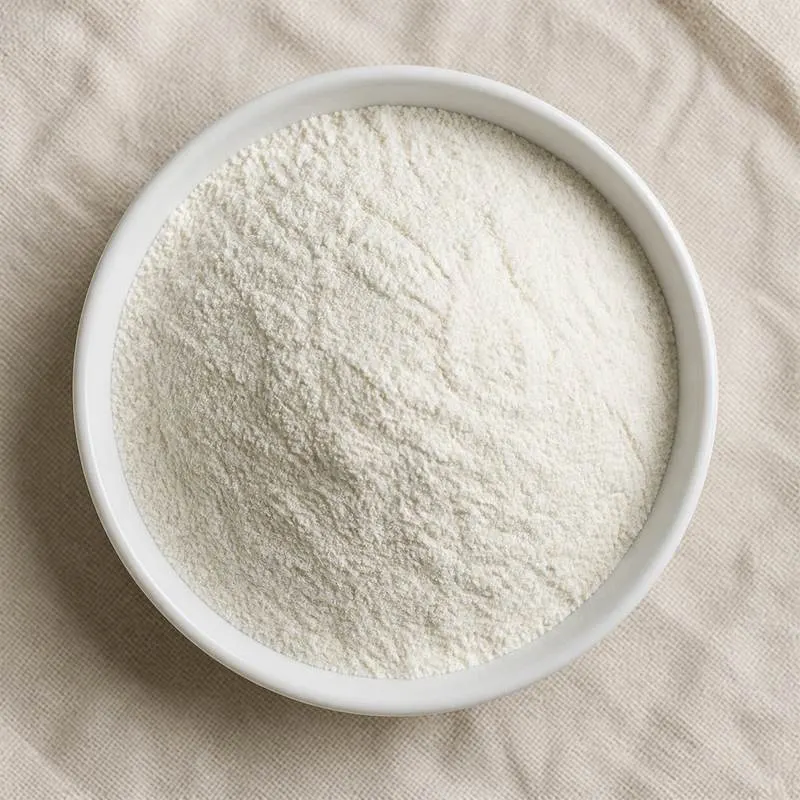
| Appearance | Frozen pulpy mass, uniform after thawing and agitation, pale green to greenish yellow, free from browning |
| Flavour and odour | Characteristic fresh lime, no fermented, cooked or bitter aftertaste |
| Soluble solids | 7.0 to 9.0 Brix at 20 degrees Celsius |
| pH | 2.2 to 2.6 |
| Titratable acidity as citric acid | 5.0 to 7.0 percent |
| Pulp content by centrifuge | 12 to 25 percent by volume |
| Seed and peel fragments | Absent on visual examination |
| Core temperature on despatch | Minus 18 degrees Celsius or below |
| Lead | 0.05 mg/kg maximum |
| Arsenic | 0.1 mg/kg maximum |
| Total plate count | 1000 cfu/g maximum |
| Yeast and mould | 100 cfu/g maximum |
| Escherichia coli | Negative in 1 g |
| Salmonella | Negative in 25 g |
Common Markets Grades
The main grades are peeled pulp, made from the flesh alone and carrying clean acid with little peel aroma, and whole fruit pulp, milled with a controlled proportion of peel so that the flavedo oil comes through and the profile is closer to a squeezed lime. Between them sit blended grades where a measured quantity of recovered peel oil is added back to peeled pulp to standardise the aroma. Seedless material from Persian lime is traded separately from Key lime pulp, which is more aromatic and more variable.
Lots are specified on Brix, titratable acidity, the acid to Brix ratio, pulp content by centrifuge or by screen, and colour, which should be pale green to greenish yellow rather than brown. Further distinctions cover organic certification, whether the pulp has been pasteurised before freezing or frozen raw for a cold pressed claim, sugar sweetened grades made for tea shop dosing, and pack format, since block and cube formats are bought by outlets that portion the material by piece.
Applications
- Fresh fruit tea and lime tea served in tea shops, where the pulp replaces hand squeezed fruit
- Limeade, lime soda and other still and carbonated beverages needing acid with body
- Cocktail and mocktail bases, mojito and margarita mixes, and alcoholic ready to drink products
- Frozen desserts, sorbets, ice lollies and granita, where the frozen state suits the process directly
- Cheesecakes, tarts, mousses and bakery fillings built on a sharp citrus profile
- Marinades, ceviche style preparations and dressings, where acid both flavours and denatures protein
- Southeast Asian and Latin American sauces, pastes and dipping condiments
- Dairy fruit preparations and drinking yoghurts formulated to a low pH base
- Confectionery, jellies and fruit chews with a lime profile
China Manufacturers of Frozen Lime Pulp
Top Frozen Lime Pulp manufacturers in China.

Company names and logos are the property of the manufacturers themselves. They are listed here because our own directory records them as producing this ingredient. A listing is not an endorsement by them, and we do not represent them or speak on their behalf.
Regulatory Status
Lime pulp is a conventional food in the United States rather than a food additive. Processors packing juice and pulp for the United States market operate the hazard analysis and critical control point plan required by 21 CFR Part 120, including the pathogen reduction requirement that applies to juice, and unpasteurised material sold at retail carries the warning statement required for untreated juice. The Food and Drug Administration standard of identity for lime juice and the percentage juice declaration rules apply where the pulp is used to make a labelled juice product.
In the European Union lime pulp and puree fall within the Fruit Juice Directive as amended, which covers fruit puree and concentrated fruit puree alongside juice and restricts what may be added to each category. Sweetened or otherwise compounded pulp falls outside those reserved descriptions and is labelled as a preparation. Codex addresses the material through its general standard for fruit juices and nectars. Pesticide residue limits are the routine point of attention for citrus because post harvest treatments are applied to the peel, so whole fruit pulp is tested more closely than peeled pulp, and heavy metal limits of the destination market apply.
Manufacturing Process
Limes are received in season, washed in a detergent and sanitiser bath, and graded by size and colour, with damaged and over ripe fruit removed. For peeled grades the fruit is peeled or halved and reamed so that the flesh is recovered without the flavedo, and the juice and sacs pass to a finisher fitted with a screen that sets the final pulp particle size. For whole fruit grades the fruit is milled entire, with the residence time and peel proportion controlled to hold the bitter limonoid load down. Seeds are separated ahead of milling wherever possible, since crushed seed contributes both bitterness and oil that oxidises in storage.
The pulp is deaerated to remove entrained air that would drive oxidation during frozen storage, and peel oil is either stripped and recovered on a centrifuge or left in place according to grade. Most lots are pasteurised briefly on a scraped surface or tubular heat exchanger, which inactivates pectin methylesterase and prevents the cloud loss and serum separation that otherwise develop, then cooled rapidly. The pulp is filled into pails, drums, bag in box or moulds and passed through a blast tunnel or plate freezer to bring the core below minus 18 degrees Celsius, then held in frozen storage.