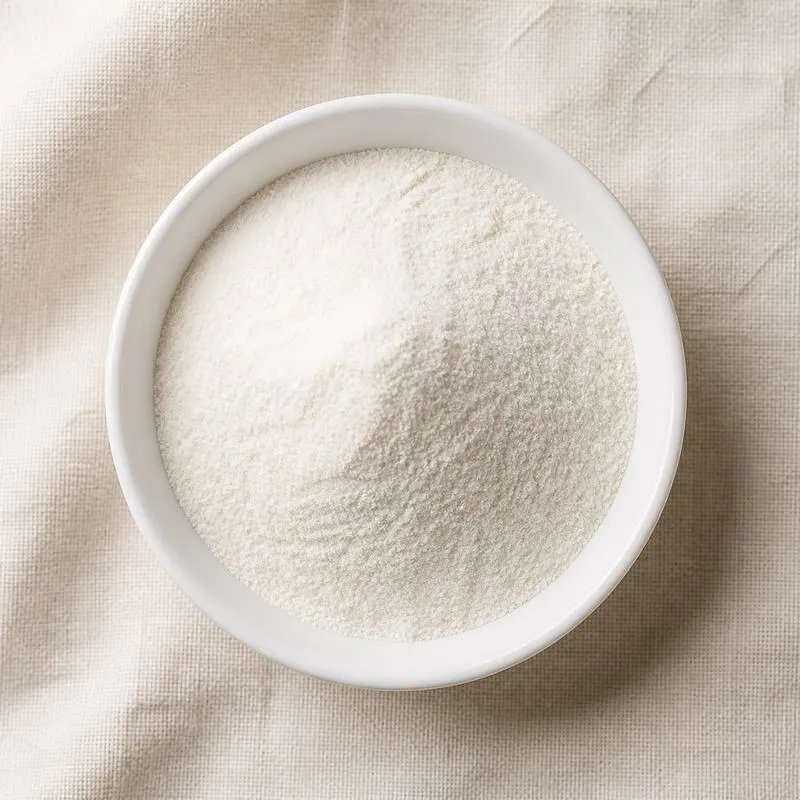
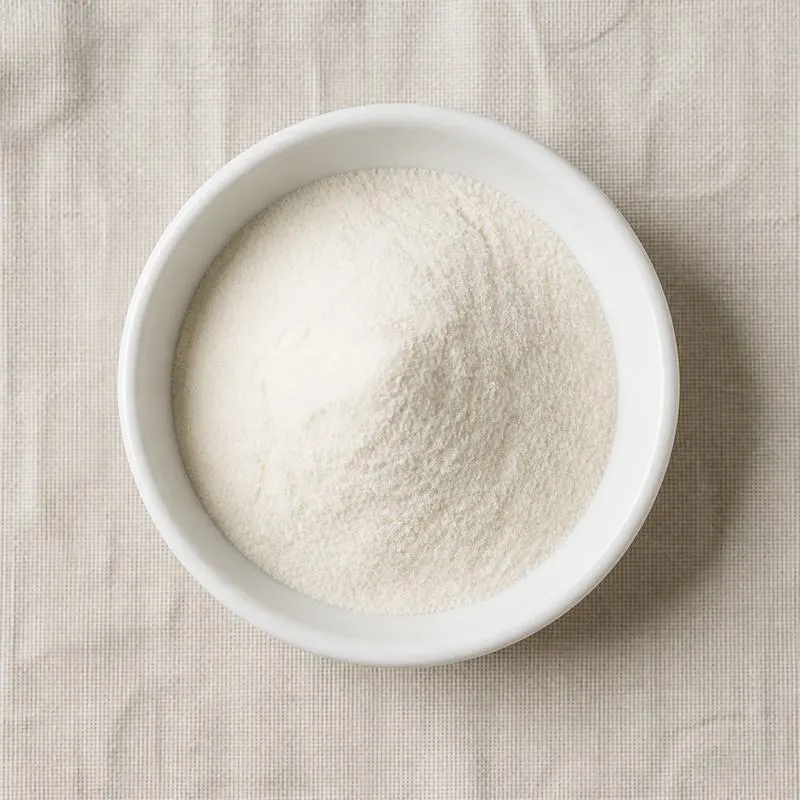
Gum Arabic
Gum Arabic, also called acacia gum, is a natural exudate harvested from the bark of Acacia senegal and Acacia seyal trees that grow in the Sahel belt across Sudan, Chad, Nigeria, and neighbouring countries.
It is a complex branched arabinogalactan-protein with a molecular weight of around 250 thousand to a million daltons. The molecule is unusually water-soluble for a polysaccharide and gives very low viscosity even at high concentration, which is the basis of its emulsifying performance.
We source bulk Gum Arabic from top China manufacturers for our partners. The manufacturers are in Chongqing and Shandong. For this ingredient the minimum order is 500 kg and a 20-foot container takes 12 MT, and a smaller requirement can ship in a combined container with other ingredients.
Please send the grade you need, the volume and your destination port, and we will come back with a solution and a price.
or call +86-21-6858 0751
- Minimum order
- 500 kg
- Qty in 20' FCL
- 12 MT
- Packaging
- 25 kg kraft paper bag with PE inner liner
- ISO 9001
- HACCP
- Halal
- Kosher
Specifications
| Item | Specification |
|---|---|
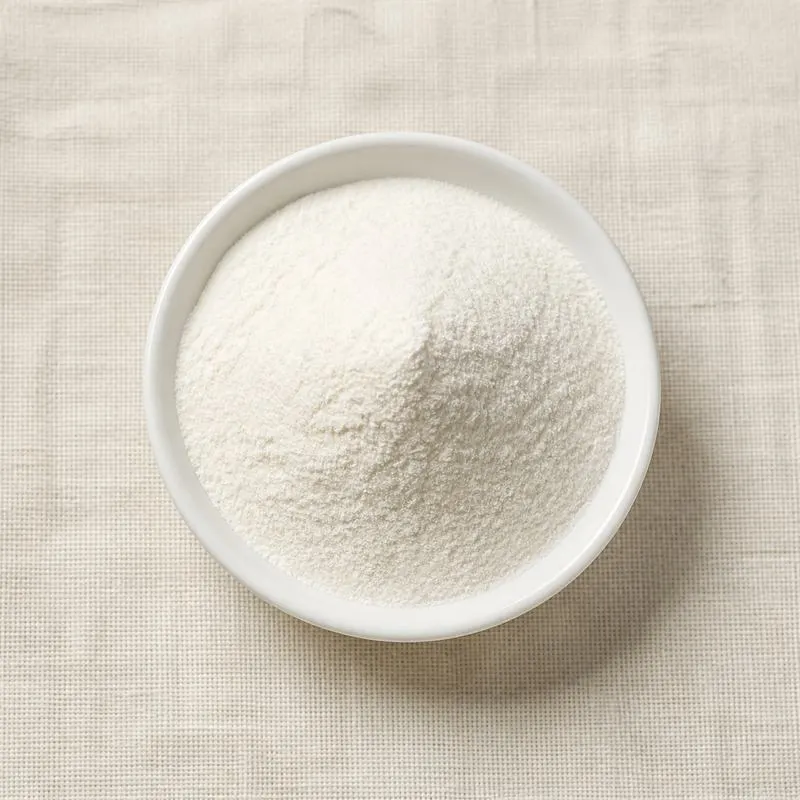
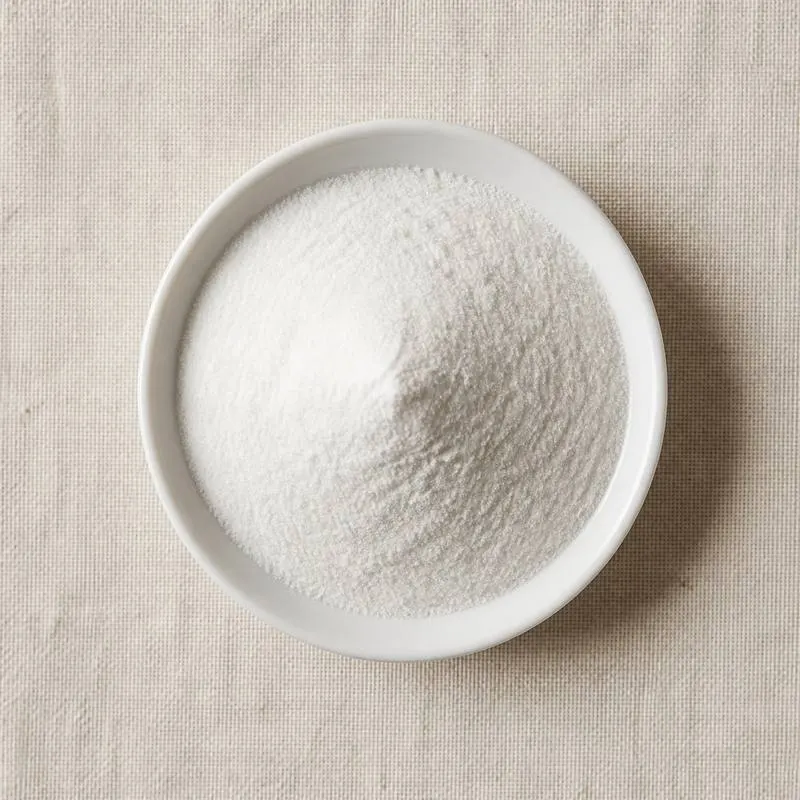
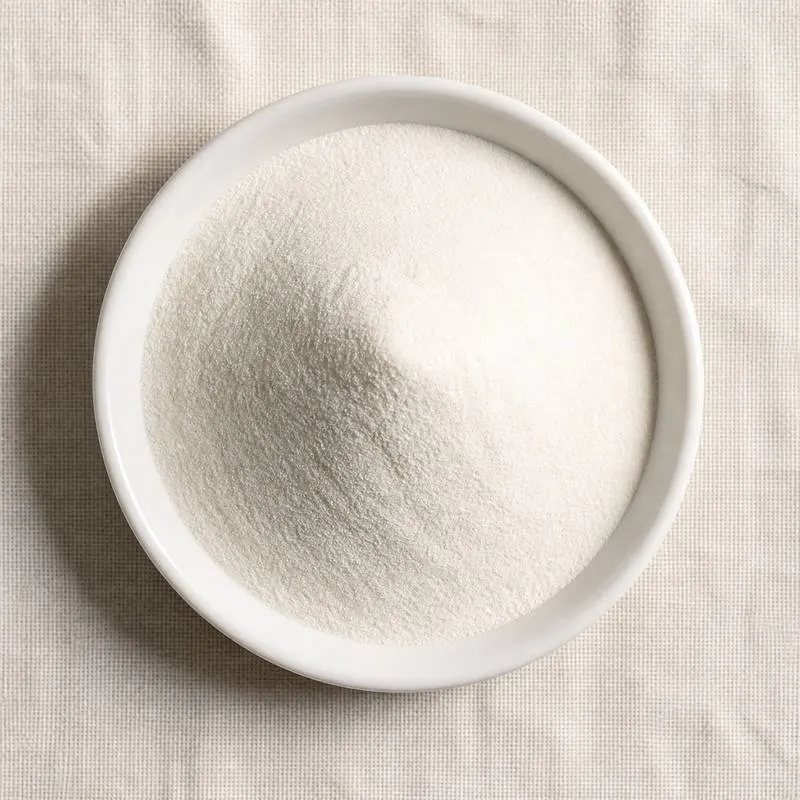
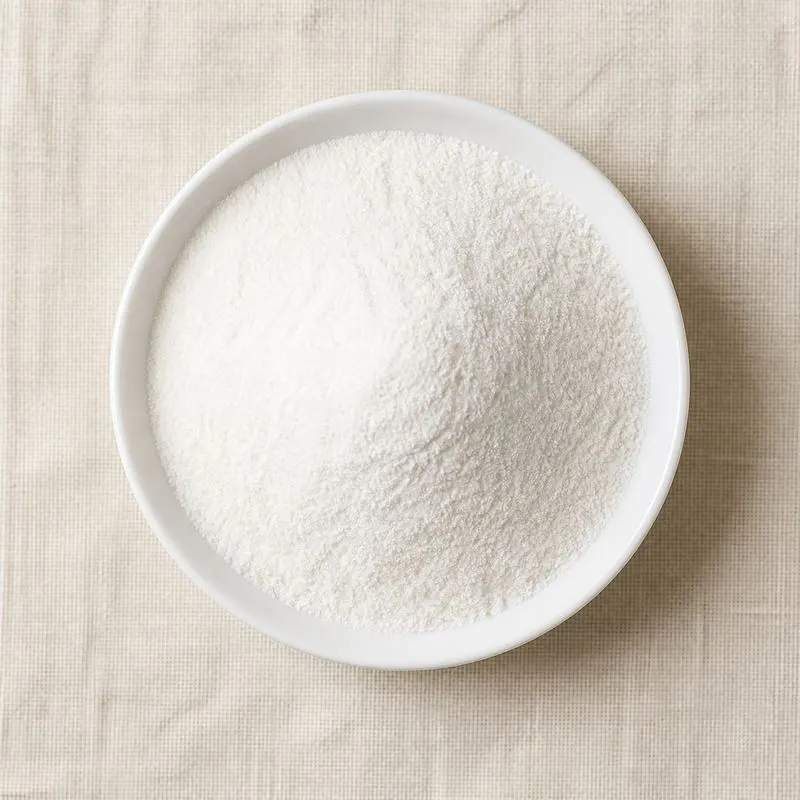
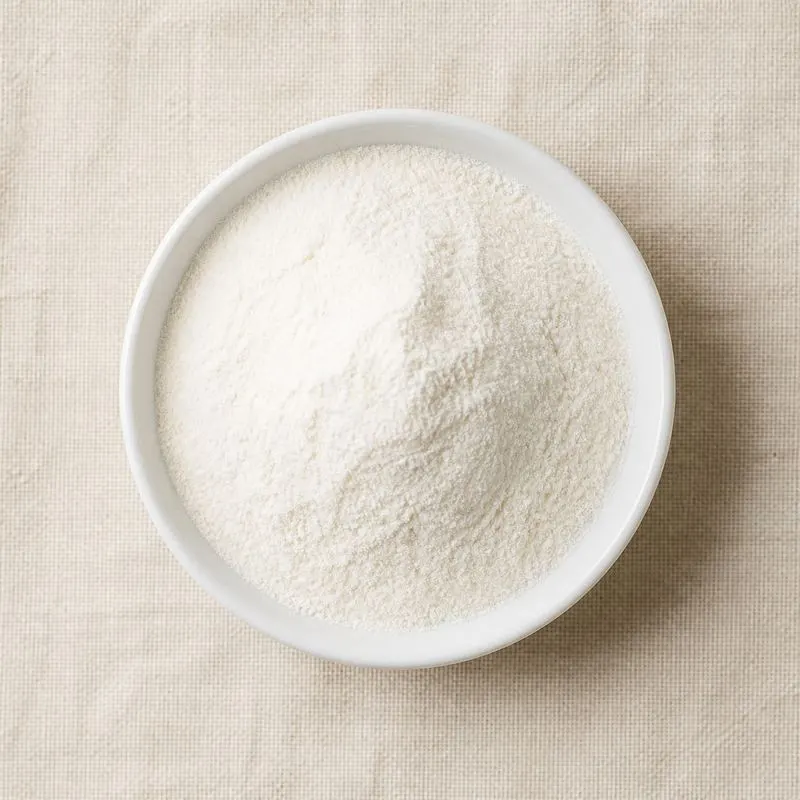
| Appearance | Pale yellow to amber free-flowing powder or granules |
| Total solids | ≥ 90.0% |
| Ash | ≤ 4.0% |
| Acid-insoluble matter | ≤ 1.0% |
| Nitrogen content | 0.27% to 0.39% (Senegal) / 0.23% to 0.30% (Seyal) |
| Optical rotation | −25° to −34° (Senegal) / +51° to +57° (Seyal) |
| Heavy metals (as Pb) | ≤ 5 mg/kg |
| Arsenic | ≤ 3 mg/kg |
| Particle size | Per customer specification |
Common Markets Grades
Two botanical types of Gum Arabic trade, in several physical formats.
Acacia senegal (hashab) gum is the premium type, with stronger emulsifying performance and a paler colour. It is the standard for soft drink emulsions and confectionery panning.
Acacia seyal (talha) gum has higher viscosity, lower emulsifying capacity, and a darker amber tint. It is used in dietary fibre supplements and as a lower-cost option in less demanding applications.
Physical formats include kibbled nodules for traditional users, spray-dried free-flowing powder for industrial use, and instant agglomerated grades for beverage premixes.
Fibre-grade material carries 80 to 90 percent fibre content and sells as a soluble fibre for nutritional applications.
Applications
- Soft-drink flavour emulsions, especially citrus oil and cola concentrates
- Confectionery panning of gummies, jellies, and chocolate centres
- Marshmallows, soft caramels, and gumdrops as a structural binder
- Bakery glazes and frostings for sheen and adhesion
- Wine and spirits as a colloidal stabiliser and tartrate inhibitor
- Soluble dietary fibre supplements and prebiotic blends
- Spray-dried flavour and colour encapsulation
- Pharmaceutical tablet binders and syrup viscosity adjusters
- Cosmetic emulsions, hair styling gels, and lithography
- Printing inks, watercolours, and traditional gilding
Brands Using Gum Arabic
Widely-distributed consumer products that list Gum Arabic on the ingredient label.
- HI-CHEWBanana Stick ↗Listed: 'Seasoning (Sugar, Maltodextrin, Modified Food Starch, Arabic Gum, Flavor, Guar Gum, Freeze Dried Banana)...'Label verified 2026-05-24
- HI-CHEWReduced Sugar Bag ↗Listed: '...LESS THAN 2% OF ACACIA GUM, GELATIN, SUCROSE FATTY ACID ESTERS, CITRIC ACID...'Label verified 2026-05-24
- NOW FoodsFiber-3, Organic ↗Listed: 'Organic Golden Flax Seed Meal (cold-milled), Organic Gum Acacia and Organic Inulin (FOS) (from Blue Agave).'Label verified 2026-05-24
- NOW FoodsOrganic Acacia Powder ↗Listed: Acacia fibre (acacia gum) is the sole ingredient.Label verified 2026-05-24
- Ripple FoodsOriginal Plant-Based Milk ↗Listed: contains gum arabic alongside guar gum and gellan gum in the stabilizer system.Label verified 2026-05-24
Brand names, product names and logos are the property of their owners. They appear here as published evidence that the ingredient is used, taken from the brand's own label or website. Their appearance is not an endorsement, and it does not mean the brand buys from us or from any manufacturer listed on this site.
China Manufacturers of Gum Arabic
Top Gum Arabic manufacturers in China.
- Chongqing Joywin Natural Products Co., Ltd.4 ingredients in the directory
 Dingli Biodegradable Material Co., Ltd.2 ingredients in the directory
Company names and logos are the property of the manufacturers themselves. They are listed here because our own directory records them as producing this ingredient. A listing is not an endorsement by them, and we do not represent them or speak on their behalf.
How We Help Source Gum Arabic
Direct Factory Sourcing
We run the whole process: selecting the manufacturer from the top Chinese food ingredient producers, negotiating the price, verifying quality, and coordinating the logistics. You deal with us instead of with several factories at once.
Original Packaging and Documents from the Manufacturer
The manufacturer sends your Gum Arabic out of its own factory in the original packing, through to your destination port. The COA, COO, MSDS, TDS and any certifications reach you from the manufacturer as well.
Free Samples and Lead Time
We send 100 to 500 g free for your own laboratory to test and you cover only the courier, usually within 2 to 3 working days. ETD is usually within 7 to 15 days once the order is confirmed, and we check that date against the factory's own manufacturing schedule before we give it to you.
Combined Shipment
We can load Gum Arabic together with other ingredients such as Carrageenan, Sodium Carboxymethyl Cellulose and Agar Agar into one 20' FCL. If your quantity is small, we can also ship LCL.
Regulatory Status
Gum Arabic is one of the oldest authorised food additives and is approved in essentially every regulated market.
Regulation (EC) No 1333/2008 lists it as E414 in the European Union, and it is GRAS in the United States at 21 CFR 184.1330. JECFA has assigned an ADI not specified.
It is also accepted as a dietary fibre in EU and U.S. nutrition labelling. Halal, Kosher, vegan, non-GMO, organic, and gluten-free certifications are all routinely available.
Manufacturing Process
Gum Arabic is collected by hand from natural and semi-cultivated acacia stands. Tappers wound the bark with a small axe, and the tree exudes droplets that harden in the dry air into nodules over two to six weeks.
Each tree yields between 200 and 300 grams of gum per season. Harvested nodules are sorted by colour and size at village level and aggregated to regional buyers.
Industrial processing dissolves the nodules in water, removes bark and sand by centrifugation and filtration, then spray-dries the clarified solution to a uniform white powder.
Sudan is historically the dominant origin, supplying roughly 70 percent of world volume, with Chad and Nigeria covering most of the remainder.