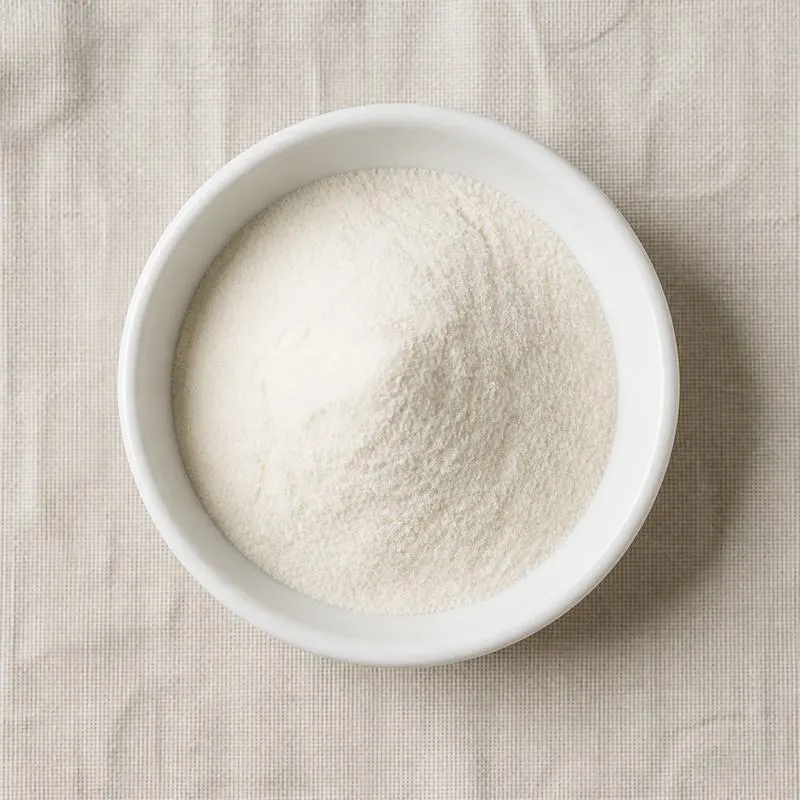
Carrageenan
Carrageenan is a family of sulphated linear polysaccharides extracted from several species of red seaweed in the class Rhodophyceae. Commercial sources are dominated by Kappaphycus alvarezii, Eucheuma denticulatum, and Chondrus crispus.
The polymer backbone is built from alternating 1,3-linked D-galactose and 1,4-linked 3,6-anhydro-D-galactose units. Three principal types are recognised by their sulphate content and gelling behaviour: kappa, iota, and lambda.
We source bulk Carrageenan from top China manufacturers for our partners, working with several of them. The manufacturers are mostly in Fujian, Guangdong and Shandong. A smaller requirement can ship in a combined container with other ingredients.
Please send the grade you need, the volume and your destination port, and we will come back with a solution and a price.
or call +86-21-6858 0751
- Packaging
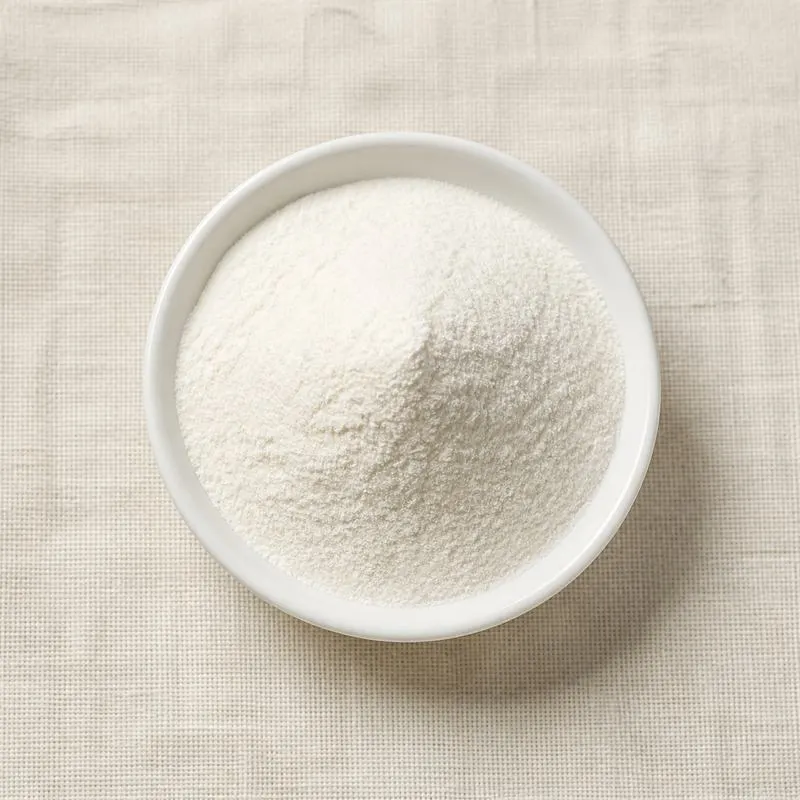
- 25 kg kraft paper bag with PE inner liner
- ISO 9001
- HACCP
- Halal
- Kosher
Specifications
| Item | Specification |
|---|---|
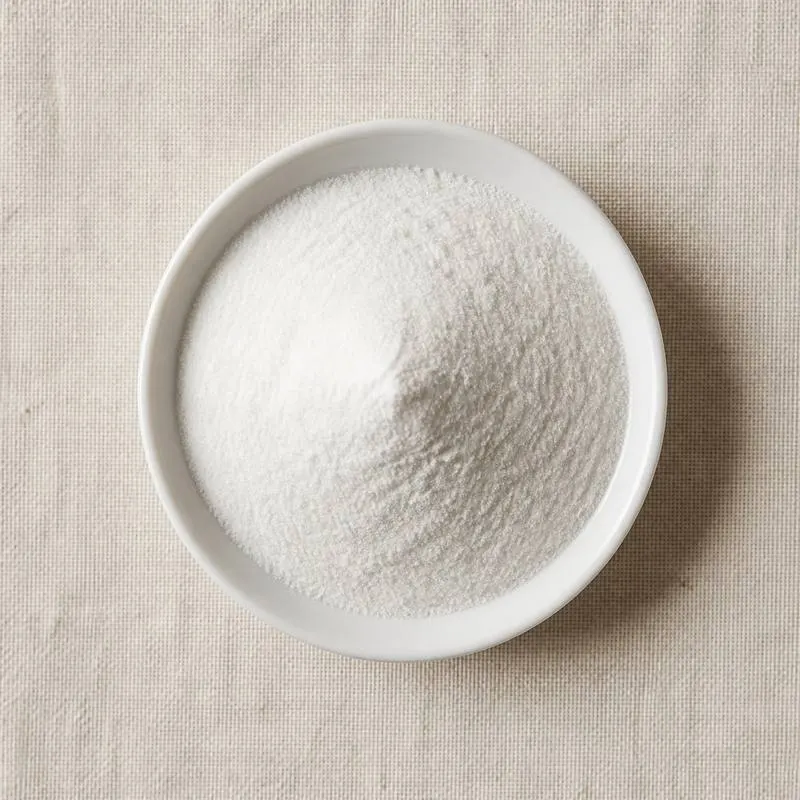
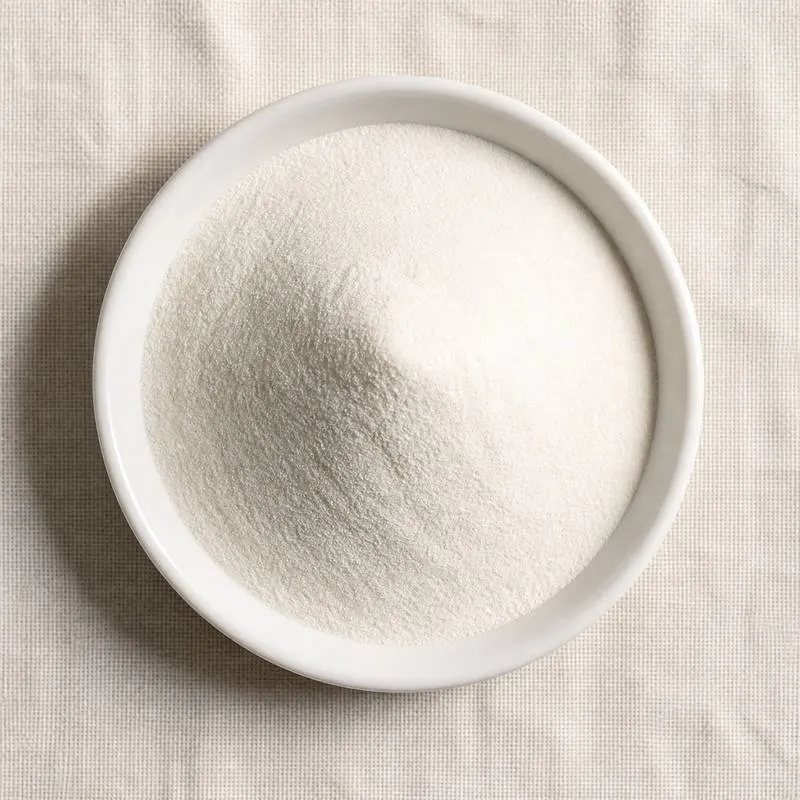
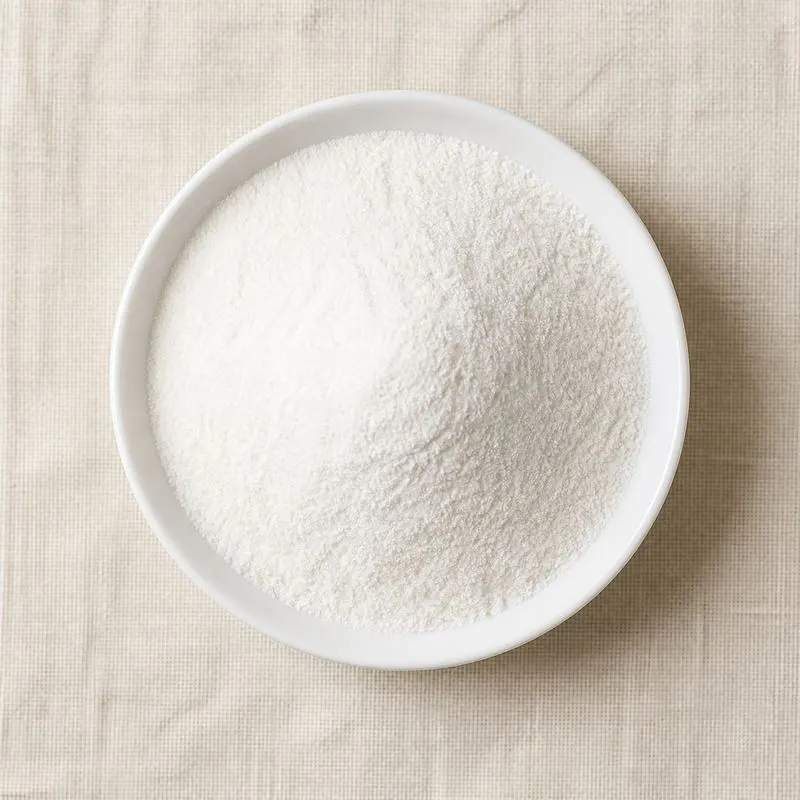
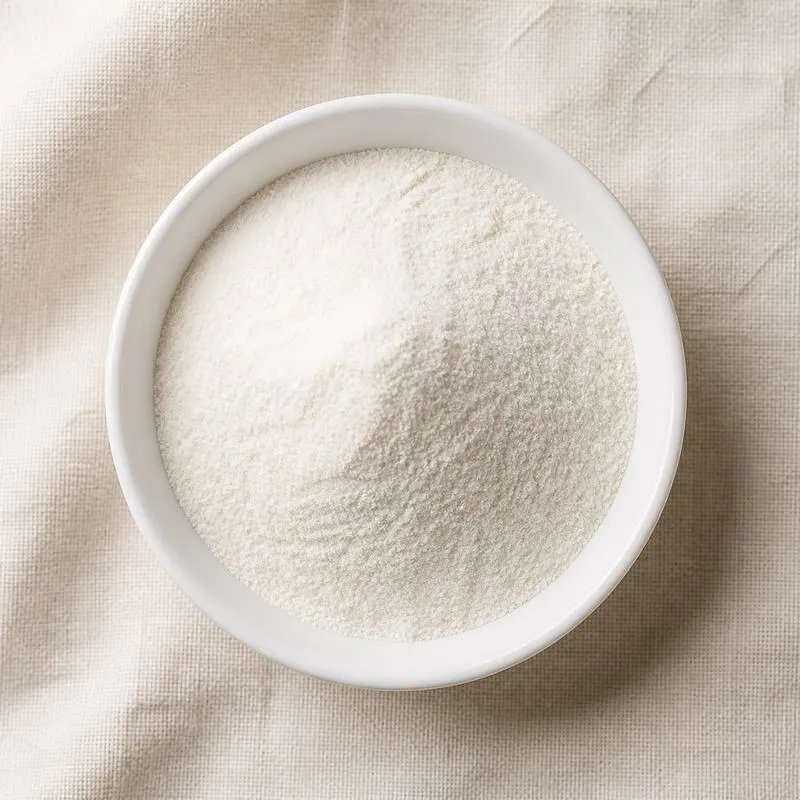
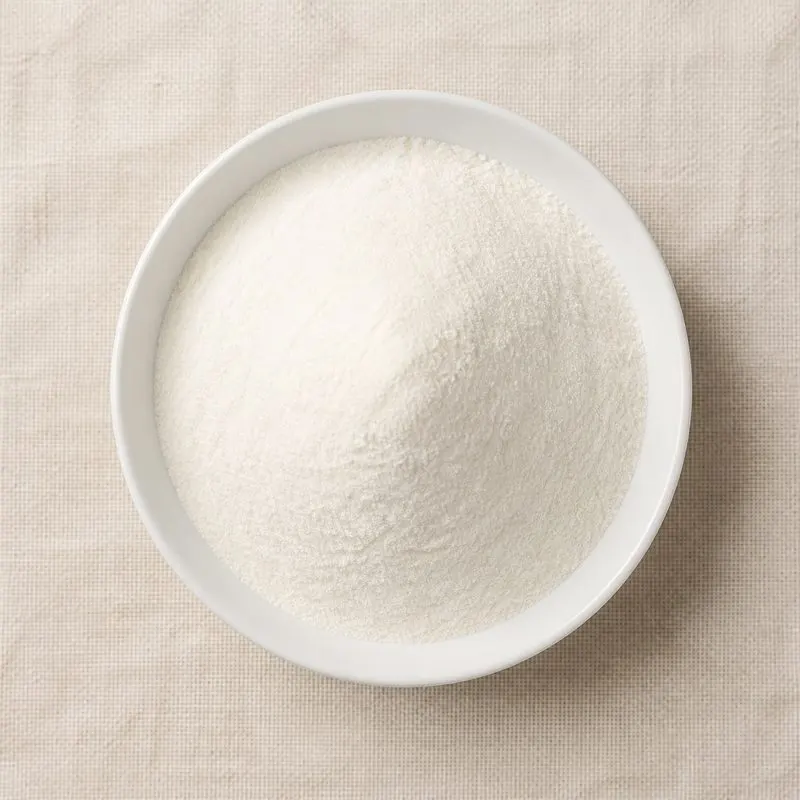
| Appearance | White to yellowish powder |
| Purity/Assay (Food Grade) | ≥ 75% |
| Purity/Assay (Feed Grade) | ≥ 70% |
| Viscosity (Food Grade) | 1000-2000 cP |
| Viscosity (Feed Grade) | 800-1500 cP |
| Moisture/Loss on Drying | ≤ 15% |
| pH | 6.0 - 8.0 |
| Particle Size/Mesh | 80 mesh |
| Ash | ≤ 10% |
| Heavy Metals | ≤ 10 ppm |
| Lead | ≤ 2 ppm |
| Arsenic | ≤ 1 ppm |
| Total Plate Count | ≤ 1000 cfu/g |
| Yeast & Mold | ≤ 100 cfu/g |
Common Markets Grades
Carrageenan is segmented chiefly by extraction type and by gelling fraction.
Refined carrageenan (E407) is obtained by full alcohol or potassium chloride precipitation, giving a clear, low-impurity powder for premium beverage, dairy, and pharmaceutical use.
Semi-refined carrageenan (E407a, also known as PNG or PES) keeps the cell-wall residue intact. It is the volume product for meat processing, pet food, and some dairy applications where slight opacity is acceptable.
Within each extraction type, kappa fractions give firm brittle gels, iota gives soft elastic gels, and lambda gives non-gelling viscous solutions for dairy thickening.
Blends of kappa with locust bean gum go into cooked-ham gels, and kappa-iota blends serve dessert and dairy categories.
Applications
- Cooked hams, deli meats, and poultry injection brines for water binding
- Chocolate milk and dairy beverages for cocoa suspension and body
- Ice cream and dairy desserts for texture and meltdown control
- Yogurt, sour cream, and cottage cheese for syneresis control
- Infant formula and clinical nutrition as a stabiliser at low dose
- Plant milks and dairy alternatives for body and mouthfeel
- Confectionery jellies and aerated gummies with elastic bite
- Pet food jellies, gravies, and chunked-meat formats
- Toothpaste binders and pharmaceutical oral suspensions
- Air-freshener gels and industrial gel formats
Brands Using Carrageenan
Widely-distributed consumer products that list Carrageenan on the ingredient label.
- HormelHORMEL NATURAL CHOICE Oven Roasted Deli Turkey ↗Listed: 'Turkey Breast Meat, Water, Salt, Potato Starch, Turbinado Sugar, Rice Starch, Carrageenan (from seaweed), Baking Soda, Cultured Celery Powder, Cherry Powder, Sea Salt'Label verified 2026-05-24
- ColgatePreviDent 5000 Sensitive Toothpaste ↗Inactive Ingredients include: 'water, hydrated silica, sorbitol, PEG-12, carrageenan, sodium lauryl sulfate, flavor...'Label verified 2026-05-24
- Tom's of MaineToothpaste (carrageenan used as a thickening/binding agent) ↗Brand's own ingredient page states carrageenan is used in their toothpaste 'to give just the right texture' as a naturally derived binding ingredientLabel verified 2026-05-24
- Eden FoodsEdenblend (Rice & Soy Beverage) ↗Listed: 'purified water, Lundberg Organic Brown Rice, Organic Soybeans, a bit of Kombu Seaweed, Carrageenan, and Sea Salt'Label verified 2026-05-24
- CrestCrest Pro-Health Toothpastes (carrageenan as thickening agent) ↗Brand's own page confirms 'Most Crest Pro-Health Toothpastes contain the ingredient as a thickening agent'Label verified 2026-05-24
- BreyersBreyers Non-Dairy Vanilla / Lactose Free Vanilla ↗Carrageenan listed in ingredient list as stabilizer/thickener for frozen dessert formulationLabel verified 2026-05-24
Brand names, product names and logos are the property of their owners. They appear here as published evidence that the ingredient is used, taken from the brand's own label or website. Their appearance is not an endorsement, and it does not mean the brand buys from us or from any manufacturer listed on this site.
China Manufacturers of Carrageenan
Top Carrageenan manufacturers in China.
 Benefit Ocean3 ingredients in the directory
 Fuiian Yuantai Marine Biotechnology Co., Ltd.1 ingredient in the directory
- Fujian Dingli Yuanfeng Marine Biotechnology Co., Ltd.3 ingredients in the directory
- FUJIAN GLOBAL OCEAN BIOTECHNOLOGY Co., Ltd.2 ingredients in the directory
 Fujian Green Power Biotechnology Co., Ltd.3 ingredients in the directory
 Fujian Putian Tianyuan Food Co., Ltd.2 ingredients in the directory
- Fujian Zhonghai Food Technology Development Co., Ltd.3 ingredients in the directory
 Fuzhou Ruixuan Food Technology Co., Ltd.6 ingredients in the directory
 Green Fresh (Fujian) Foodstuff Co., Ltd.3 ingredients in the directory
- Guangdong Xinmei Biotechnology Co., Ltd.3 ingredients in the directory
- Guangzhou Jian Ou Food Ingredient Co., Ltd.1 ingredient in the directory
 Guangzhou Lemon Biotechnology Co., Ltd.5 ingredients in the directory
 Qingdao Gather Great Ocean Algae Industry Group Co., Ltd.5 ingredients in the directory
 Shandong Action Biotech Co., Ltd.6 ingredients in the directory
 Shantou Jiecheng Biotech Co., Ltd.3 ingredients in the directory
 Shantou Qilin Jelly Gum Industry & Commerce Co., Ltd.1 ingredient in the directory
- Sichuan Newstar Konjac Co., Ltd.3 ingredients in the directory
 Tengzhou Tongda Algae Engineering Technology Co., Ltd.1 ingredient in the directory
 Tengzhou Xiangning Bioengineering Co., Ltd.1 ingredient in the directory
 Yantai Taishen Biotechnology Co., Ltd.4 ingredients in the directory
 Zhaoqing Haixing Biotechnol Co., Ltd.5 ingredients in the directory
 Zhejiang Top Hydrocolloids Co., Ltd.10 ingredients in the directory
 Zhenpai Hydrocolloids Co., Ltd.2 ingredients in the directory
Company names and logos are the property of the manufacturers themselves. They are listed here because our own directory records them as producing this ingredient. A listing is not an endorsement by them, and we do not represent them or speak on their behalf.
How We Help Source Carrageenan
Direct Factory Sourcing
We run the whole process: selecting the manufacturer from the top Chinese food ingredient producers, negotiating the price, verifying quality, and coordinating the logistics. You deal with us instead of with several factories at once.
Original Packaging and Documents from the Manufacturer
The manufacturer sends your Carrageenan out of its own factory in the original packing, through to your destination port. The COA, COO, MSDS, TDS and any certifications reach you from the manufacturer as well.
Free Samples and Lead Time
We send 100 to 500 g free for your own laboratory to test and you cover only the courier, usually within 2 to 3 working days. ETD is usually within 7 to 15 days once the order is confirmed, and we check that date against the factory's own manufacturing schedule before we give it to you.
Combined Shipment
We can load Carrageenan together with other ingredients such as Sodium Carboxymethyl Cellulose, Agar Agar and Konjac Gum into one 20' FCL. If your quantity is small, we can also ship LCL.
Regulatory Status
Carrageenan is approved as a food additive in essentially all regulated markets.
Regulation (EC) No 1333/2008 lists it as E407 (refined) and E407a (semi-refined) in the European Union. The U.S. FDA permits carrageenan under 21 CFR 172.620 and as a stabiliser under several other sections.
JECFA reviewed carrageenan in 2014 and considered safety adequate at typical use levels including infant formula, with continued monitoring of low-molecular-weight fractions.
Halal, Kosher, vegan, and non-GMO certifications are routinely available. Aquaculture seaweed origin is increasingly subject to sustainability and supply-chain audits.
Manufacturing Process
Farmed seaweed is sun-dried on the beach and shipped in bales to extraction plants in the Philippines, Indonesia, Chile, France, and China.
Refined production cooks the seaweed in dilute alkali, filters the hot extract to remove cell-wall debris, and recovers the polymer by alcohol precipitation or potassium chloride gel-press. The fibrous mass is dried and milled.
Semi-refined production cooks intact seaweed pieces in alkaline potassium hydroxide, which removes most non-gel material in solution while leaving the carrageenan in place. The chips are then washed, dried, and milled into PES powder.
The choice of source species drives type: Kappaphycus gives kappa, Eucheuma denticulatum gives iota, and Chondrus gives a kappa-lambda mix.