Sodium Carboxymethyl Cellulose
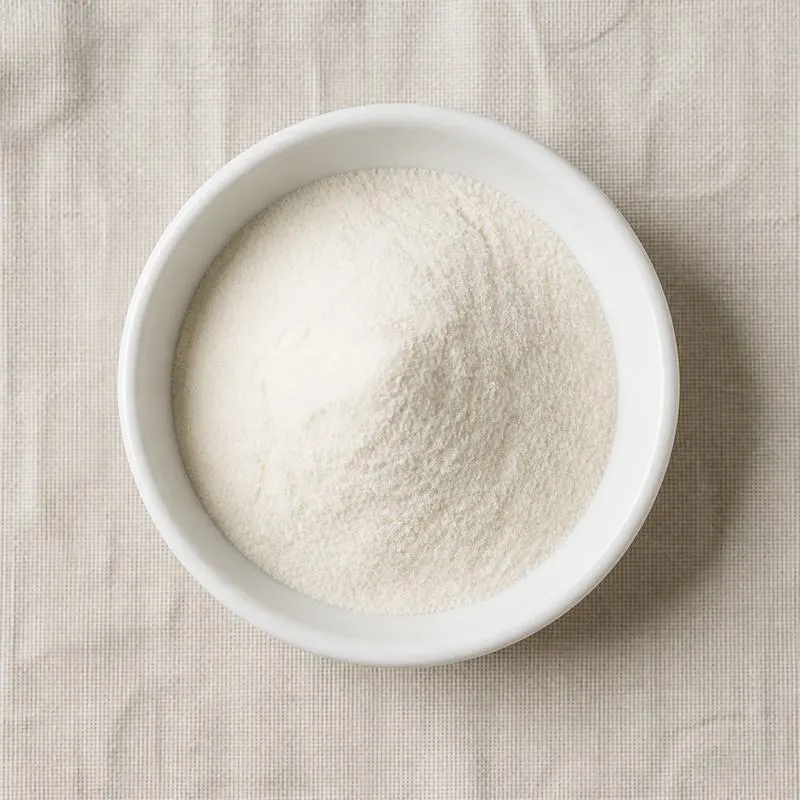
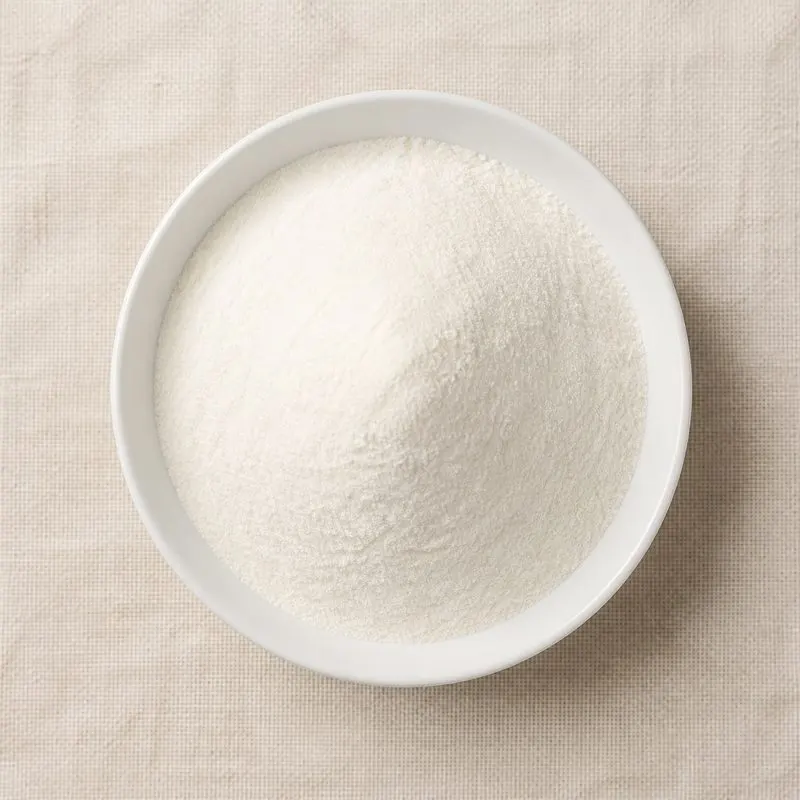
Sodium Carboxymethyl Cellulose, abbreviated CMC or NaCMC, is an anionic cellulose ether produced by reaction of alkali-treated cellulose with sodium monochloroacetate. The reaction introduces sodium carboxymethyl groups onto the cellulose backbone, giving a water-soluble polymer with strong viscosity build and good electrolyte tolerance.
The polymer is the most widely used cellulose derivative in food, pharmaceutical, and industrial applications. Annual world production exceeds 600 thousand tonnes.
We source bulk Sodium Carboxymethyl Cellulose from top China manufacturers for our partners, working with several of them. The manufacturers are mostly in Shandong, Jiangsu and Henan. For this ingredient the minimum order is 500 kg and a 20-foot container takes 16 MT, and a smaller requirement can ship in a combined container with other ingredients.
Please send the grade you need, the volume and your destination port, and we will come back with a solution and a price.
or call +86-21-6858 0751
- Minimum order
- 500 kg
- Qty in 20' FCL
- 16 MT
- Packaging
- 25 kg kraft paper bag with PE inner liner
- Function
- Thickener / Hydrocolloid
- ISO 9001
- HACCP
- Halal
- Kosher
Specifications
| Item | Specification |
|---|---|
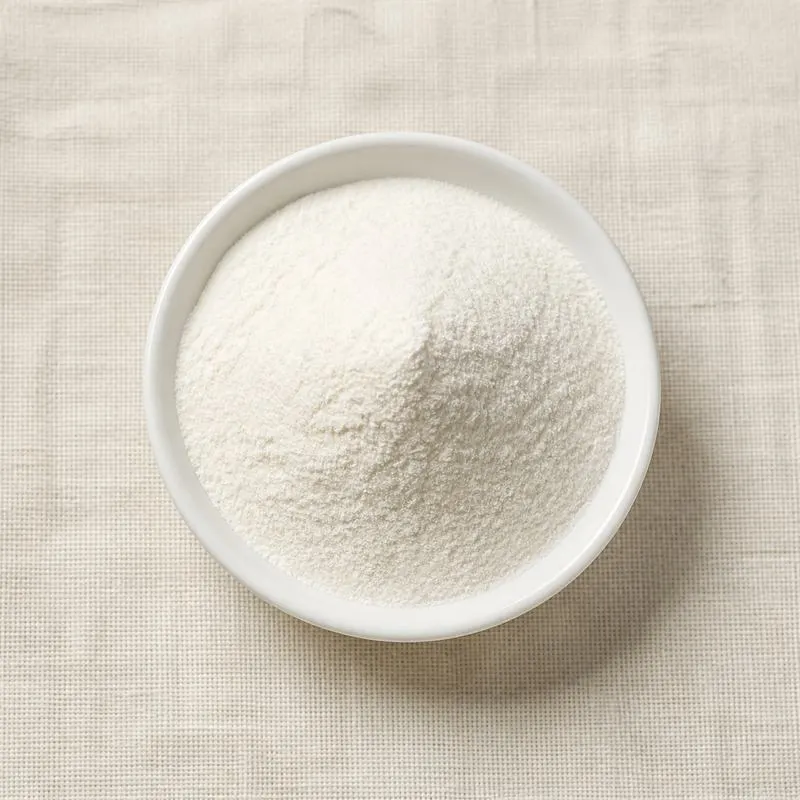
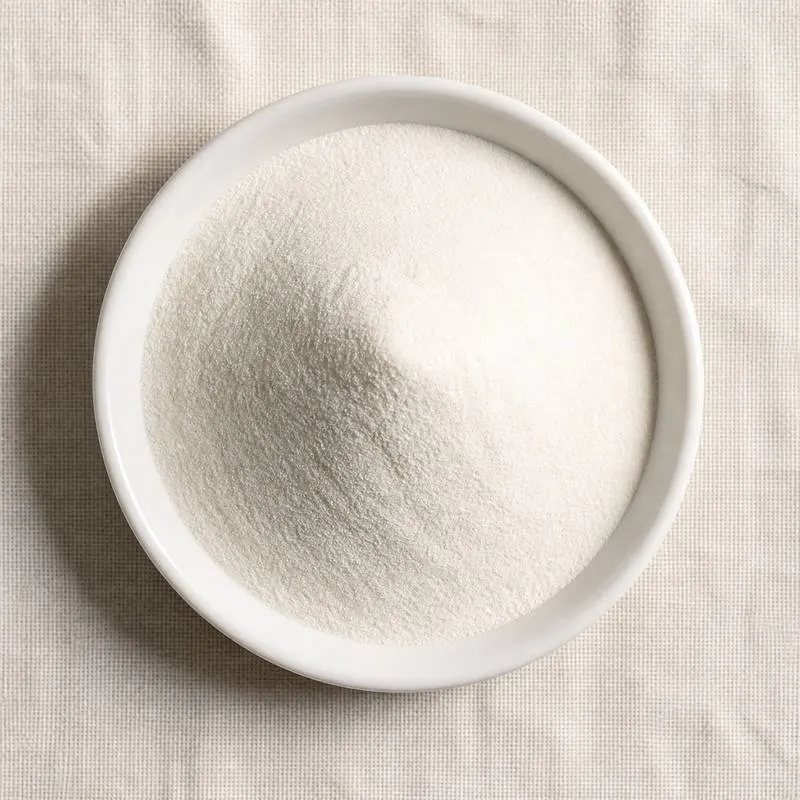
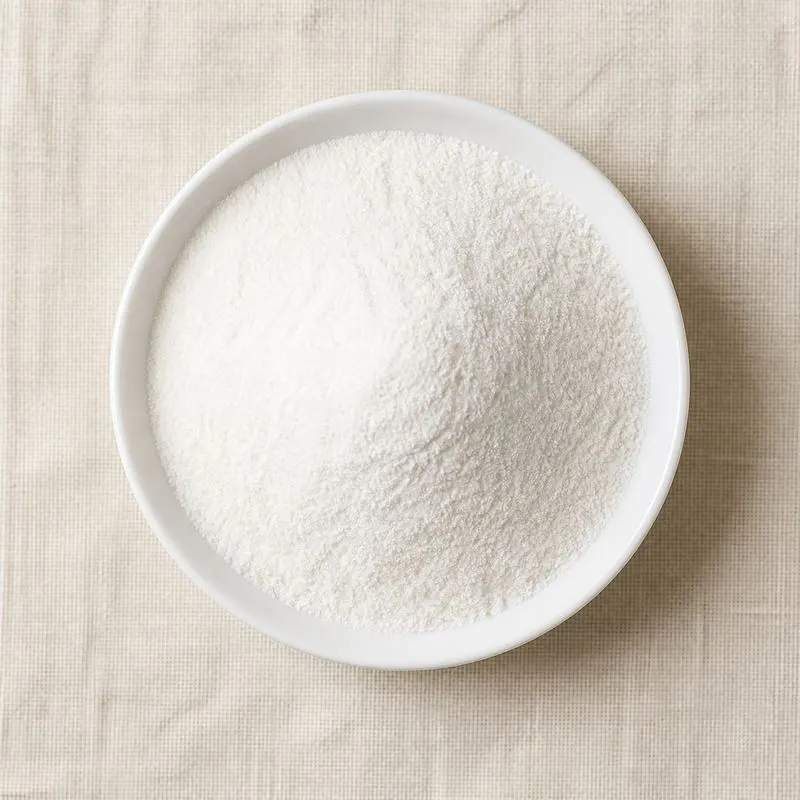
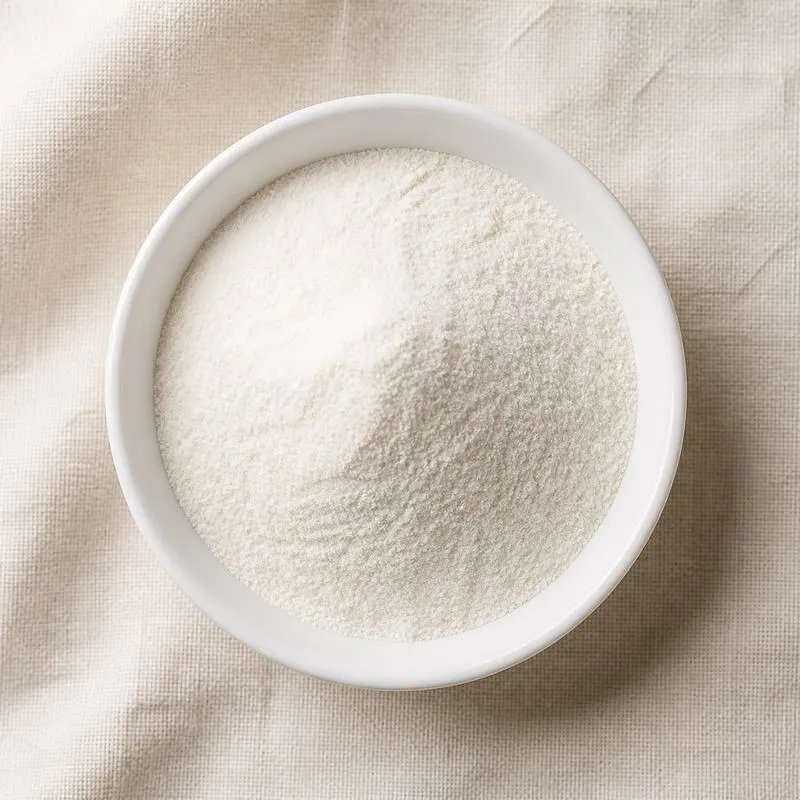
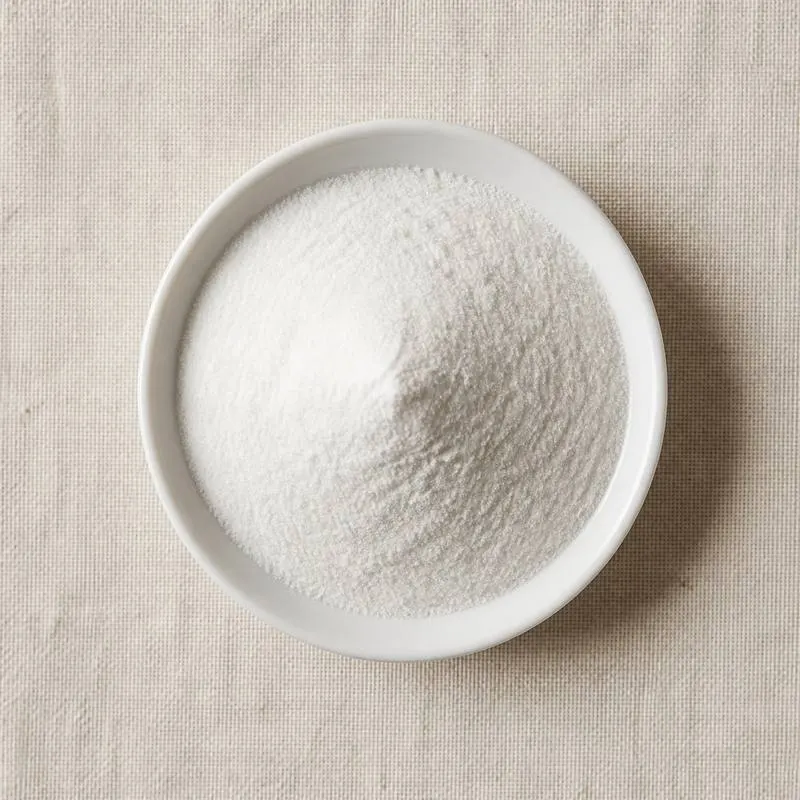
| Appearance | White or cream colored powder |
| pH (1% in water solution) | 6.0-8.5 |
| Viscosity (Brookfield LVT, 1%, 25°C, 3, 30rpm) | 100-1000 cps |
| Degree of Substitution | Min. 0.8 |
| Purity (dry basis) | Min. 80% |
| Loss on drying | Max. 8.0% |
| Moisture | ≤ 10.0% |
| Particle Size | Min. 99% pass through 30 mesh |
Common Markets Grades
Sodium CMC is segmented by purity, viscosity, and degree of substitution.
Food and pharmaceutical grade CMC runs at 99.5 percent purity, with degree of substitution between 0.6 and 1.2 depending on application. Viscosity grades run from 5 cP to 10,000 cP at 1 percent solution.
Technical-grade CMC is used in detergents, paper, and textiles at lower purity (60 to 85 percent), with sodium chloride and sodium glycolate as the principal residues.
Oilfield-grade CMC is produced for drilling fluid viscosity and fluid-loss control. Mining-grade CMC is used as a flotation depressant.
Specialty grades include high-substitution CMC for clear solutions, cross-linked CMC for super-absorbent applications, and granular CMC for easier dispersion.
Applications
- Ice cream and frozen desserts for body, mouthfeel, and ice-crystal control
- Bakery: gluten-free formulations, bread improvers, and pastry doughs
- Dairy beverages, especially acidified milks and yogurt drinks for protein stabilisation
- Sauces, dressings, and condiments for body and cling
- Toothpaste binders and oral-care gels (the largest single CMC market)
- Pharmaceutical tablet binders, suspending agents, and ophthalmic preparations
- Detergent anti-redeposition agent for laundry powder
- Paper coating and surface sizing
- Textile printing pastes and warp sizing
- Drilling mud viscosity and fluid-loss additive
Brands Using Sodium Carboxymethyl Cellulose
Widely-distributed consumer products that list Sodium Carboxymethyl Cellulose on the ingredient label.
- ColgateTotal Gum Protect Toothpaste ↗Listed: '...Sodium Methyl Cocoyl Taurate, Flavor, Tetrasodium Pyrophosphate, Cellulose Gum, Potassium Nitrate, Sodium Saccharin, Xanthan Gum...' (Cellulose gum = sodium carboxymethyl cellulose)Label verified 2026-05-24
- ColgateSensitive Complete Protection Toothpaste ↗Listed: '...Sodium Hydroxide, Sodium Saccharin, Cellulose Gum, Xanthan Gum, Titanium Dioxide.'Label verified 2026-05-24
- Smucker'sSugar Free Breakfast Syrup ↗Listed: 'Water, Sorbitol, Contains 2% Or Less Of: Cellulose Gum, Salt, Caramel Color, Xanthan Gum, Sorbic Acid And Sodium Benzoate...'Label verified 2026-05-24
- FairlifeCore Power Chocolate 26g Protein Shake ↗Listed: 'Filtered Lowfat Grade A Milk, Contains Less Than 1% of: Alkalized Cocoa, Natural Flavors, Monk Fruit Juice Concentrate, Stevia Leaf Extract, Carrageenan, Cellulose Gel, Cellulose Gum, Acesulfame Potassium...'Label verified 2026-05-24
Brand names, product names and logos are the property of their owners. They appear here as published evidence that the ingredient is used, taken from the brand's own label or website. Their appearance is not an endorsement, and it does not mean the brand buys from us or from any manufacturer listed on this site.
China Manufacturers of Sodium Carboxymethyl Cellulose
Top Sodium Carboxymethyl Cellulose manufacturers in China.
 Anqiu Eagle Cellulose Co., Ltd.2 ingredients in the directory
 Changshu Wealthy Science And Technology Co., Ltd.1 ingredient in the directory
- Changzhou Guoyu Environmental Science An1 ingredient in the directory
 Chongqing Lihong Fine Chemicals Co., Ltd.2 ingredients in the directory
 Dongying Linguang New Materials Technology Co., Ltd.2 ingredients in the directory
 Henan More Energy Co., Ltd.7 ingredients in the directory
- Inter Chemical (Shijiazhuang) Co., Ltd.2 ingredients in the directory
 Jining Fortune Biotech Co., Ltd.1 ingredient in the directory
 Shandong Yangtse Biotechnology Co., Ltd.1 ingredient in the directory
- Shandong Yulong Cellulose Technology Co., Ltd.1 ingredient in the directory
 Shanghai Ever Bright Enterprise Development Co., Ltd.1 ingredient in the directory
 Unitech Chemicals (Zibo) Co., Ltd.2 ingredients in the directory
- Xuzhou Liyuan Cellulose Technology Co., Ltd.1 ingredient in the directory
 YUCMC Co., Ltd.2 ingredients in the directory
- Zhejiang Sanhe Food Science & Technology Co., Ltd.2 ingredients in the directory
Company names and logos are the property of the manufacturers themselves. They are listed here because our own directory records them as producing this ingredient. A listing is not an endorsement by them, and we do not represent them or speak on their behalf.
How We Help Source Sodium Carboxymethyl Cellulose
Direct Factory Sourcing
We run the whole process: selecting the manufacturer from the top Chinese food ingredient producers, negotiating the price, verifying quality, and coordinating the logistics. You deal with us instead of with several factories at once.
Original Packaging and Documents from the Manufacturer
The manufacturer sends your Sodium Carboxymethyl Cellulose out of its own factory in the original packing, through to your destination port. The COA, COO, MSDS, TDS and any certifications reach you from the manufacturer as well.
Free Samples and Lead Time
We send 100 to 500 g free for your own laboratory to test and you cover only the courier, usually within 2 to 3 working days. ETD is usually within 7 to 15 days once the order is confirmed, and we check that date against the factory's own manufacturing schedule before we give it to you.
Combined Shipment
We can load Sodium Carboxymethyl Cellulose together with other ingredients such as Carrageenan, Agar Agar and Konjac Gum into one 20' FCL. If your quantity is small, we can also ship LCL.
Regulatory Status
Sodium CMC is approved in essentially every regulated market.
Regulation (EC) No 1333/2008 lists it as E466 in the European Union, and it is GRAS in the United States at 21 CFR 182.1745. JECFA has assigned ADI not specified, with cross-linked CMC reviewed separately.
USP and Ph. Eur. monographs cover pharmaceutical grade under the name Carmellose Sodium or Carboxymethylcellulose Sodium. Halal, Kosher, vegan, non-GMO, and gluten-free certifications are routinely available.
Manufacturing Process
Production starts with high-purity cellulose from wood pulp or cotton linters. The cellulose is steeped in 30 to 50 percent sodium hydroxide solution, which swells the fibres and activates the hydroxyl groups.
The alkali cellulose is mixed with sodium monochloroacetate in an isopropanol or ethanol slurry medium. The reaction runs at 50 to 80 °C for one to three hours, introducing sodium carboxymethyl groups onto the cellulose backbone.
The crude product contains residual salt (sodium chloride and sodium glycolate) which must be washed out with aqueous alcohol for food and pharmaceutical grades. Technical grades skip this purification step.
The purified CMC is dried, milled, and graded by viscosity and degree of substitution.