Hazelnut Flavour
Hazelnut Flavour is a compounded flavouring that reproduces the aroma of roasted Corylus avellana kernel. Its character impact compound is filbertone, chemically 5-methyl-2-hepten-4-one, which carries the recognisable hazelnut note on its own at very low concentration. Around it sit the alkylpyrazines generated by roasting, principally 2,3-dimethylpyrazine and 2-acetylpyrazine, which give the toasted layer, together with aldehydes, lactones such as gamma nonalactone and delta decalactone for the creamy body, and a small phenolic fraction for the woody edge.
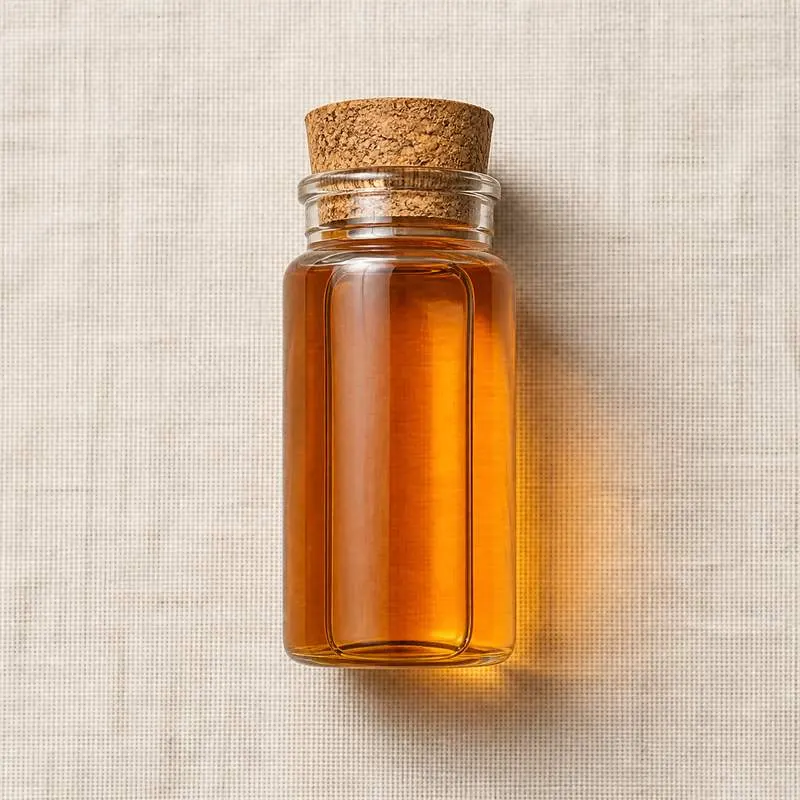
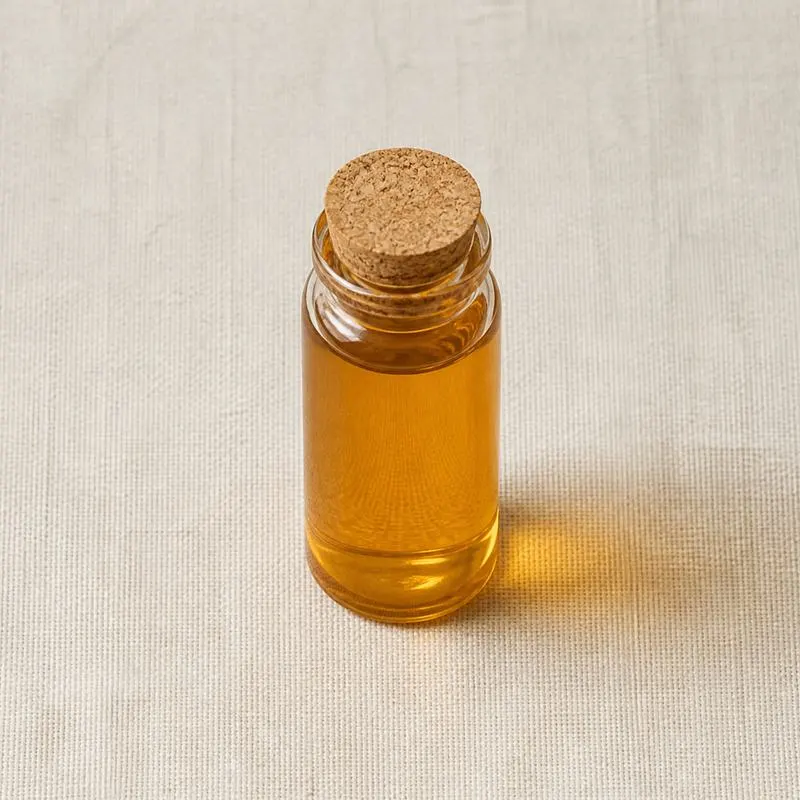
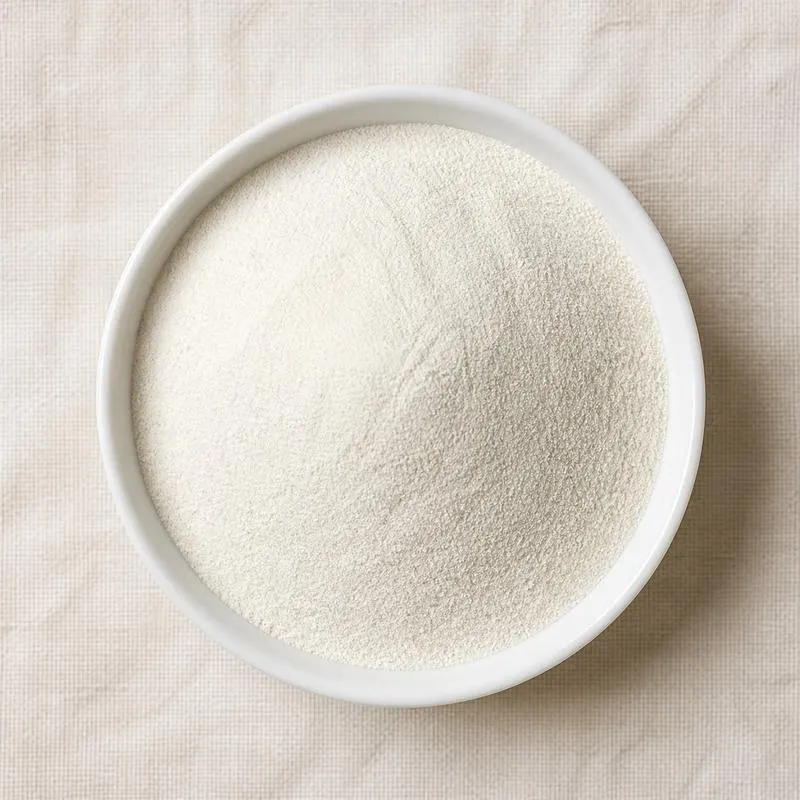
Three formats trade: an oil soluble liquid in vegetable oil or triacetin, a water miscible solution in propylene glycol or ethanol, and a spray dried powder on maltodextrin or gum acacia carrier. The oil soluble forms dominate because most hazelnut applications are fat continuous, in chocolate, spreads and bakery fillings. The pyrazine fraction is heat stable and survives baking, while filbertone and the lighter aldehydes are volatile and weaken on prolonged open heating, so bakery constructions load the heavier components more heavily. Typical dosage in a finished food is between 0.05 and 0.3 percent.
We source bulk Hazelnut Flavour from top China manufacturers for our partners. The manufacturer is in Tianjin. A smaller requirement can ship in a combined container with other ingredients.
Please send the grade you need, the volume and your destination port, and we will come back with a solution and a price.
or call +86-21-6858 0751
- Function
- Flavours and Aromas
Specifications
| Item | Specification |
|---|---|
| Appearance | Pale yellow to amber clear liquid, free of sediment |
| Odour and Taste | Characteristic roasted hazelnut, true to reference sample |
| Solubility | Miscible with edible oils and triacetin as declared |
| Relative Density at 25 degrees Celsius | 0.930 to 1.060 |
| Refractive Index at 20 degrees Celsius | 1.440 to 1.480 |
| Acid Value | Not more than 5.0 mg KOH per gram |
| Peroxide Value | Not more than 5.0 meq per kg |
| Gas Chromatography Profile | Conforms to reference chromatogram |
| Water Content | Not more than 1.0 percent |
| Lead | Not more than 1.0 mg per kg |
| Arsenic | Not more than 1.0 mg per kg |
| Total Plate Count | Not more than 1000 cfu per gram |
| Yeast and Mould | Not more than 50 cfu per gram |
| Salmonella | Absent in 25 g |
Common Markets Grades
The first distinction is labelling status. Natural grades draw the whole flavouring fraction from hazelnut or other food sources, often combining a roasted hazelnut extract or expressed oil with naturally derived pyrazines and lactones, and are the more expensive option. Nature identical grades reach a similar profile with synthesised filbertone, pyrazines and lactones and account for the bulk of volume. Grades declared as containing hazelnut derived material must carry the nut allergen declaration; fully synthetic grades do not, which matters in allergen sensitive plants.
The second axis is construction matched to application. Oil soluble grades are used in chocolate, praline and fat based fillings; water miscible grades in beverages, coffee and syrups; and encapsulated spray dried or spray chilled grades where the flavour must survive an oven or extruder. Buyers also specify roast level, from a light fresh kernel profile to a deep dark roast, flavour strength as a recommended dosage band, and whether the carrier is alcohol free or propylene glycol free.
Applications
- Chocolate and compound coatings in praline and gianduja style products
- Hazelnut and cocoa spreads, where an oil soluble grade disperses into the fat phase
- Wafer and biscuit fillings, reinforcing a low nut content formulation
- Ice cream and frozen desserts, formulated to come through at low temperature against high fat
- Flavoured coffee and coffee syrups, using a water miscible grade
- Yoghurt and dairy desserts in nut variants
- Bakery, where an encapsulated grade survives the oven in cakes and pastries
- Breakfast cereals and granola, applied as a topical or in the binder syrup
- Confectionery and nougat, where the lactone fraction gives creamy depth
- Plant based milks and desserts built on nut or oat bases
Brands Using Hazelnut Flavour
Widely-distributed consumer products that list Hazelnut Flavour on the ingredient label.
- TeeccinoHazelnut Chicory Herbal Coffee ↗Natural hazelnut flavour is listed in the ingredients of this caffeine free chicory and carob brew, alongside organic barley, dates and almonds.Label verified 2026-08-31
- TeeccinoInstant Hazelnut Herbal Coffee ↗The ingredient list for this instant herbal coffee ends with certified organic natural hazelnut flavour.Label verified 2026-08-31
Brand names, product names and logos are the property of their owners. They appear here as published evidence that the ingredient is used, taken from the brand's own label or website. Their appearance is not an endorsement, and it does not mean the brand buys from us or from any manufacturer listed on this site.
China Manufacturers of Hazelnut Flavour
Top Hazelnut Flavour manufacturers in China.

Company names and logos are the property of the manufacturers themselves. They are listed here because our own directory records them as producing this ingredient. A listing is not an endorsement by them, and we do not represent them or speak on their behalf.
Regulatory Status
In the United States labelling of flavours as natural or artificial follows 21 CFR 101.22, and the rules on characterising flavour claims apply where hazelnut is named on the front of a pack. Clearance for the individual substances used comes from the FEMA GRAS programme, from 21 CFR 172.515 for synthetic flavouring substances, or from 21 CFR 182.20 for essential oils, oleoresins and natural extractives. Carriers such as propylene glycol, triacetin and gum acacia have their own clearances. Hazelnut is a major food allergen and must be declared where nut derived material is present.
In the European Union the framework is Regulation (EC) No 1334/2008, which maintains the Union list of authorised flavouring substances with FL numbers, defines natural flavourings and flavouring preparations, and restricts when a flavour may be named after the food it evokes. Nuts including hazelnut are listed among the substances causing allergies or intolerances that must be declared under the food information regulation. Codex has adopted general guidelines for the use of flavourings, and JECFA has evaluated the pyrazines, the lactones and the aliphatic ketones in structural groups.
Manufacturing Process
The natural components are prepared first where a natural grade is being made. Roasted hazelnut kernel is pressed for its oil or extracted with ethanol or supercritical carbon dioxide, and the extract is concentrated under vacuum. Filbertone itself is obtained either by isolation from that concentrate at high cost, by fermentation and enzymatic routes where a natural declaration is required, or by synthesis, most commonly through an aldol condensation followed by dehydration and selective hydrogenation to set the enone. Pyrazines are made by condensing a diamine with an alpha dicarbonyl and purified by vacuum distillation, and lactones are obtained by fermentation of a fatty acid substrate or by chemical cyclisation of a hydroxy acid.
Compounding follows a flavourist formula. The components are weighed on precision balances through a verified dispensary, with potent materials dosed as pre made dilutions, and dissolved into the specified carrier under agitation. The blend is mixed, held so it comes together, and filtered. Powder grades are then emulsified with a carbohydrate carrier and spray dried at an outlet temperature low enough to retain the volatile fraction, or spray chilled into a fat matrix where encapsulation is needed. Every lot is verified by gas chromatography against a reference chromatogram and by sensory panel.