Hydrogenated Oil
Hydrogenated oil is a vegetable or marine oil whose unsaturated fatty acid double bonds have been partly or completely saturated with hydrogen over a metal catalyst, raising its melting point and converting a liquid oil into a plastic or brittle solid fat.
Hydrogenation changes three things at once. It removes double bonds, which is what hardens the fat; it isomerises some of the remaining cis bonds to trans, which is a side reaction of partial hydrogenation and is absent from fully hydrogenated fat; and it improves oxidative stability, because the polyunsaturated chains that drive rancidity are the first to react. Fully hydrogenated oil is essentially a mixture of stearic and palmitic triglycerides with an iodine value near zero and a melting point in the region of 58 to 70 degrees Celsius. Partially hydrogenated oil retains an intermediate iodine value and a broader melting range.
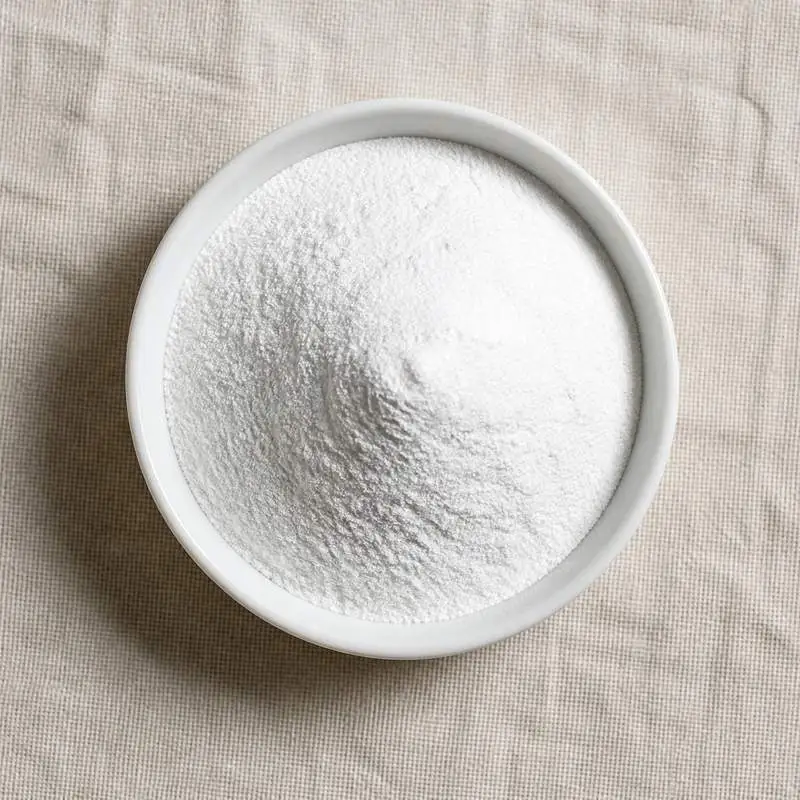
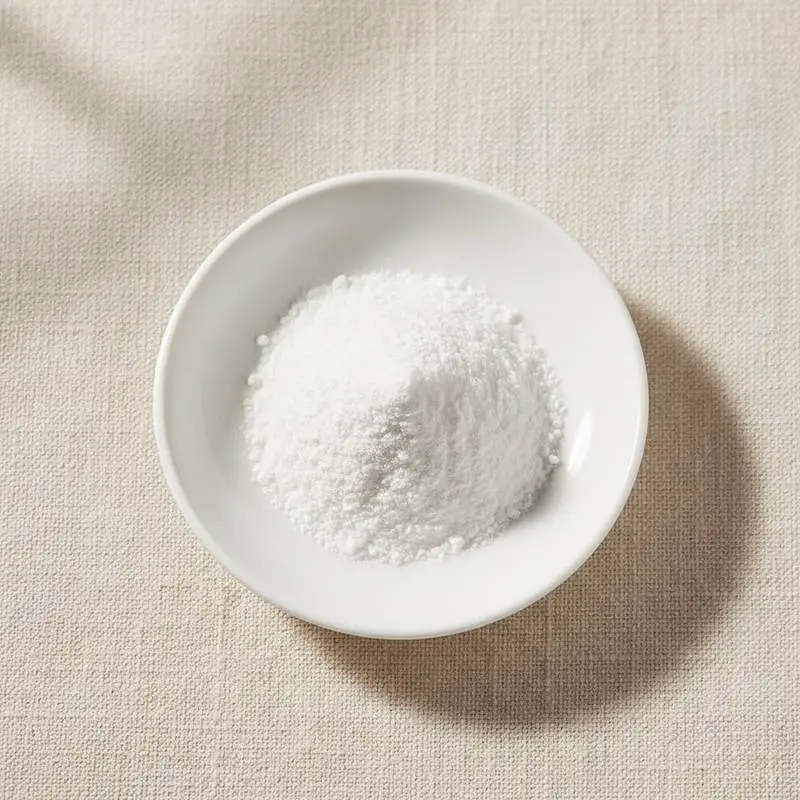
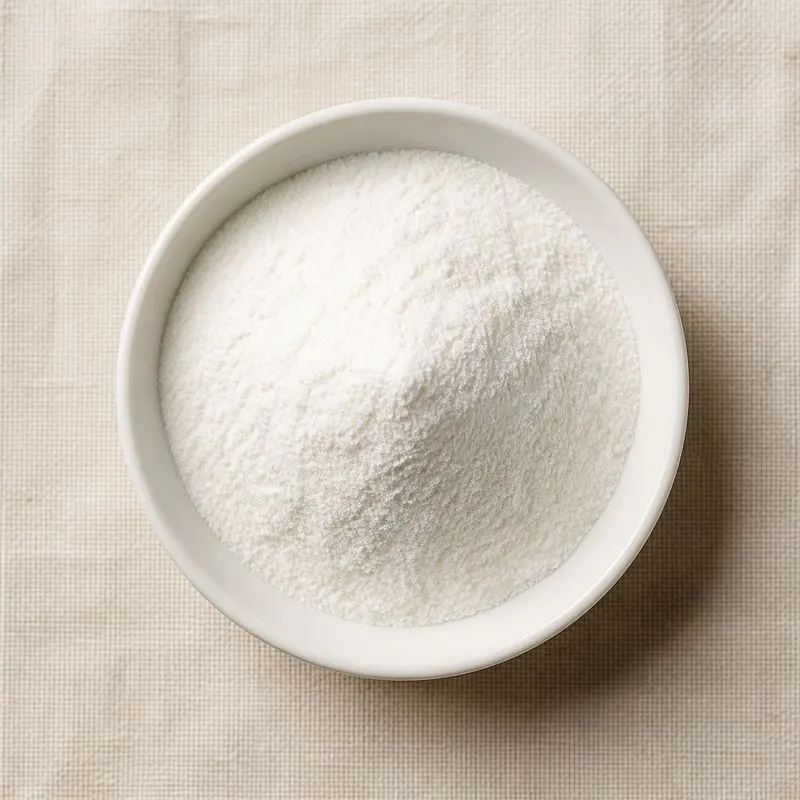
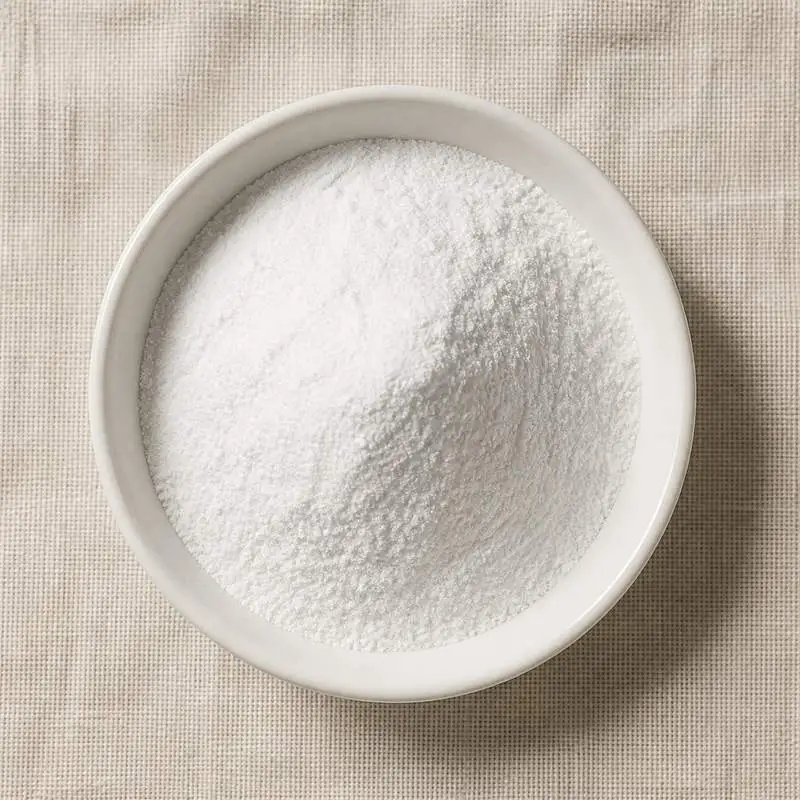
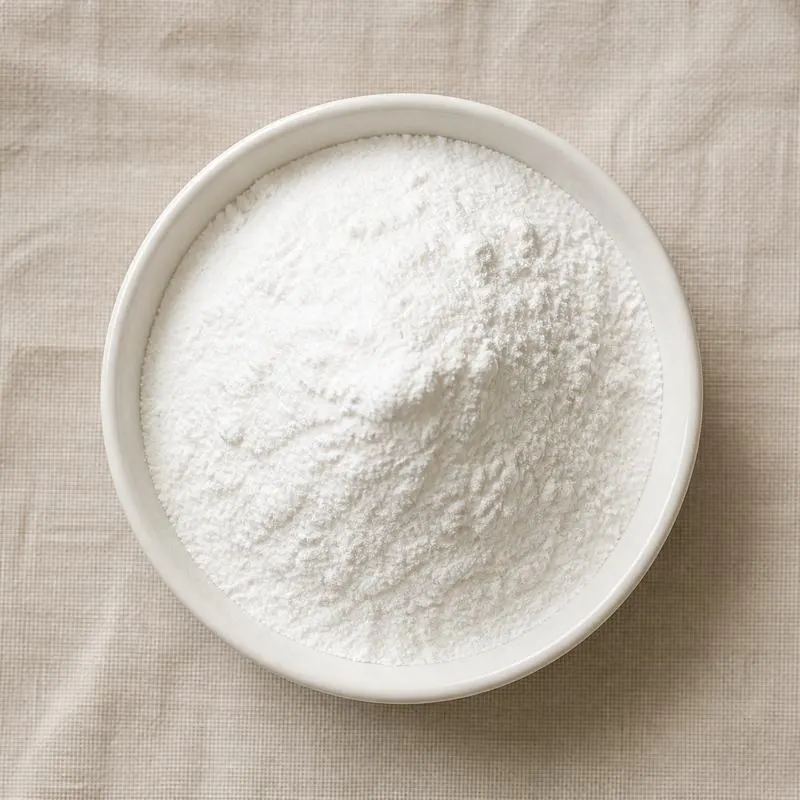
The material trades as white to cream flakes, pastilles, blocks or as a hot liquid in heated road tankers. It is insoluble in water, fully miscible with other fats and oils above its melting point, and soluble in hexane and other non-polar solvents. Crystal habit, whether the fat sets in the beta or beta prime form, decides how it behaves in a shortening or a coating and is controlled by the oil chosen for the feedstock.
We source bulk Hydrogenated Oil from top China manufacturers for our partners. The manufacturer is in Zhejiang. A smaller requirement can ship in a combined container with other ingredients.
Please send the grade you need, the volume and your destination port, and we will come back with a solution and a price.
or call +86-21-6858 0751
- Function
- Nutraceutical
Specifications
| Item | Specification |
|---|---|
| Appearance | White to cream flakes or solid fat, free of foreign matter |
| Odour and taste | Bland, free from rancidity |
| Iodine value | Not more than 2.0 g I2/100 g for fully hydrogenated grade |
| Slip melting point | 58 to 70 degrees Celsius |
| Free fatty acid as oleic | Not more than 0.1 percent |
| Peroxide value | Not more than 1.0 meq/kg |
| Moisture and volatile matter | Not more than 0.1 percent |
| Unsaponifiable matter | Not more than 1.0 percent |
| Soap content | Not more than 30 mg/kg |
| Colour, Lovibond 5.25 inch | Not more than 2.0 red |
| Residual nickel | Not more than 0.2 mg/kg |
| Trans fatty acids | Not more than 1.0 percent of total fatty acids |
| Heavy metals | Not more than 10 mg/kg |
| Lead | Not more than 0.1 mg/kg |
| Arsenic | Not more than 0.1 mg/kg |
Common Markets Grades
The primary split is between fully hydrogenated oil, often called hardstock or fully hardened fat, and partially hydrogenated oil. Fully hydrogenated grades are specified by iodine value below about 2 and by slip melting point, and are traded by feedstock: fully hydrogenated soybean, rapeseed, cottonseed, palm, palm kernel and coconut oils each give a different chain length distribution and crystal behaviour. Partially hydrogenated grades are specified by iodine value bands and slip melting point, typically as a series of hardened stocks at 32, 36, 42 and 48 degrees Celsius.
Food grade material carries limits on free fatty acid, peroxide value, colour, soap and residual nickel, and is normally deodorised. Technical and oleochemical grades, sold as feedstock for fatty acid splitting, stearate manufacture and candle or lubricant use, are not deodorised and carry looser colour and flavour specifications. The buyer chooses physical presentation: flakes and pastilles for small-scale batch use, blocks or bulk liquid for continuous plants.
Applications
- Bakery shortenings, where a hardstock is blended into liquid oil to build the solid fat content that gives dough its plasticity
- Margarine and fat spread formulation, using fully hardened fat as the structuring component in place of partially hydrogenated stock
- Interesterification feedstock, where hardstock and liquid oil are randomised into a trans-free structured fat
- Confectionery coatings and compound chocolate, where lauric hardstock supplies the sharp melt and gloss
- Filling fats for wafers and sandwich biscuits, resisting oil migration into the biscuit
- Non-dairy creamers and whipping bases, where a hardened fat stabilises the emulsion during spray drying
- Frying fats for industrial snack production, where removing the polyunsaturates gives the oxidative stability needed
- Release agents and pan greases for continuous baking lines
- Oleochemical feedstock for stearic acid, fatty alcohols, metal soaps and glycerol esters
- Encapsulation and coating matrices for powdered flavours, acids and mineral premixes
Brands Using Hydrogenated Oil
Widely-distributed consumer products that list Hydrogenated Oil on the ingredient label.
- CriscoAll-Vegetable Shortening ↗The ingredient list is soybean oil, fully hydrogenated palm oil, palm oil, mono and diglycerides, TBHQ and citric acid.Label verified 2026-08-31
- CriscoButter Flavor All-Vegetable Shortening ↗Fully hydrogenated palm oil is the second ingredient, after soybean oil, in this butter flavoured shortening.Label verified 2026-08-31
Brand names, product names and logos are the property of their owners. They appear here as published evidence that the ingredient is used, taken from the brand's own label or website. Their appearance is not an endorsement, and it does not mean the brand buys from us or from any manufacturer listed on this site.
China Manufacturers of Hydrogenated Oil
Top Hydrogenated Oil manufacturers in China.

Company names and logos are the property of the manufacturers themselves. They are listed here because our own directory records them as producing this ingredient. A listing is not an endorsement by them, and we do not represent them or speak on their behalf.
Regulatory Status
In the United States the two categories are treated very differently. In June 2015 the FDA determined that partially hydrogenated oils are no longer generally recognised as safe for any use in human food, on the basis of their trans fatty acid content, and set compliance dates that ended their use; a partially hydrogenated oil now requires a food additive approval to be added to food. Fully hydrogenated oils were expressly outside that determination and remain permitted, since full hydrogenation does not leave residual trans fat of concern. Hydrogenated vegetable oils used as food ingredients are covered by the general food additive and GRAS provisions of the Federal Food, Drug and Cosmetic Act, and nickel catalyst residues are controlled through good manufacturing practice rather than a numerical additive limit.
In the European Union, Regulation (EU) 2019/649 amending Annex III to Regulation (EC) No 1925/2006 limits industrially produced trans fat to 2 grams per 100 grams of fat in food intended for the final consumer, which in practice removed partially hydrogenated oil from the European food chain while leaving fully hydrogenated fat available. Hydrogenated oils are foods rather than additives, so they carry no E number, and labelling rules under Regulation (EU) No 1169/2011 require the ingredient to be declared as fully or partially hydrogenated. Codex Alimentarius addresses these products through the Standard for Named Vegetable Oils and the Standard for Fats and Oils not Covered by Individual Standards, and the WHO has recommended national elimination of industrially produced trans fatty acids.
Manufacturing Process
Refined, bleached oil is charged to a stirred autoclave with a supported nickel catalyst at roughly 0.02 to 0.1 percent nickel on oil. The vessel is evacuated, heated to between 140 and 220 degrees Celsius and pressurised with hydrogen to somewhere between 1 and 6 bar. Hydrogen dissolves into the oil and reacts at the catalyst surface, saturating double bonds. The operating conditions decide the outcome: high hydrogen pressure, vigorous agitation and high catalyst loading push the reaction towards full saturation with little isomerisation, while hydrogen-starved conditions at low pressure favour the partial hydrogenation and trans isomer formation that characterised older hardened stocks. The batch is followed by refractive index or by falling iodine value and stopped at the target.
The hydrogenated oil is cooled and the nickel catalyst is removed by filter press or leaf filter with a filter aid, then polished to bring residual nickel down to trace levels. The filtered fat is post-bleached with activated earth to strip catalyst-derived soaps and colour bodies, then deodorised by steam stripping under high vacuum at 220 to 250 degrees Celsius, which removes free fatty acids and oxidation odours. Finished fat is either loaded hot into heated tanks or crystallised on a chill roll and flaked, or prilled into pastilles, before packing.