Insoluble Saccharin
Insoluble Saccharin is the free acid form of saccharin, the parent molecule from which the sodium, calcium, and potassium salts are derived. It is a non-nutritive sweetener delivering 300 to 500 times the sweetness of sucrose, but unlike its salt forms it is essentially insoluble in water at neutral pH.
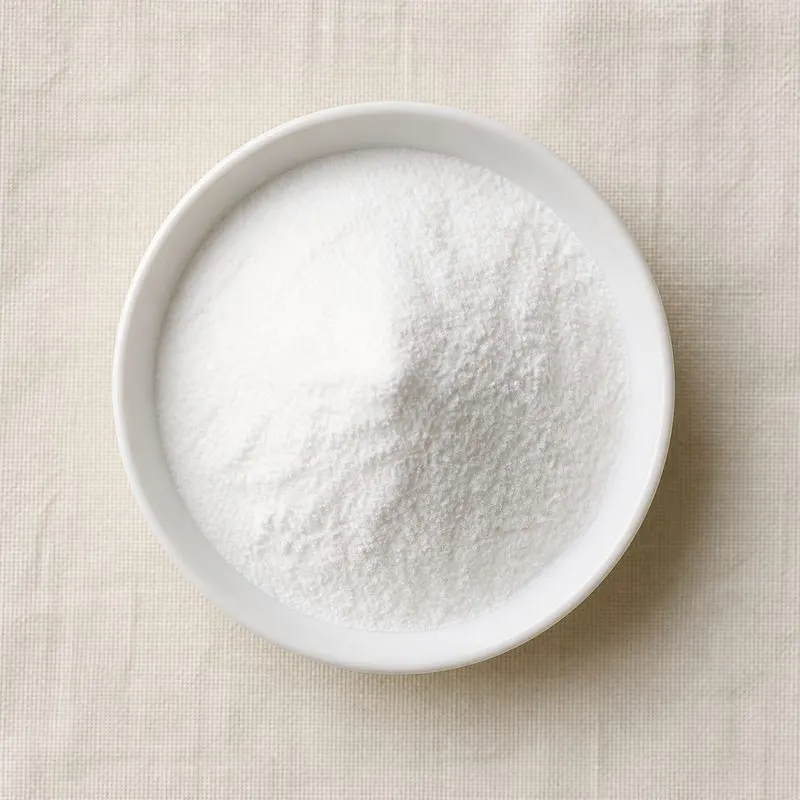
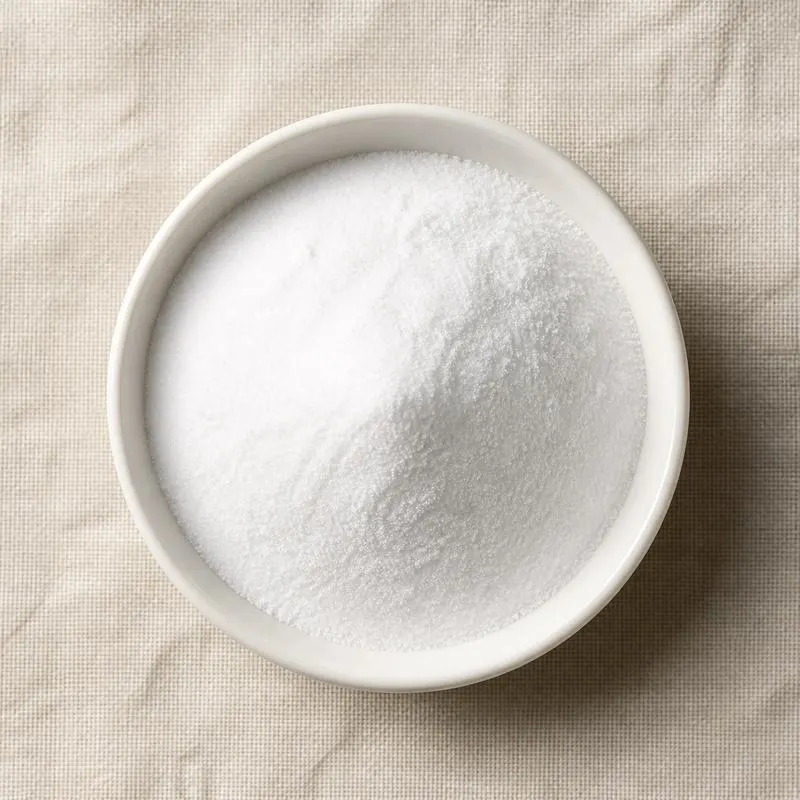
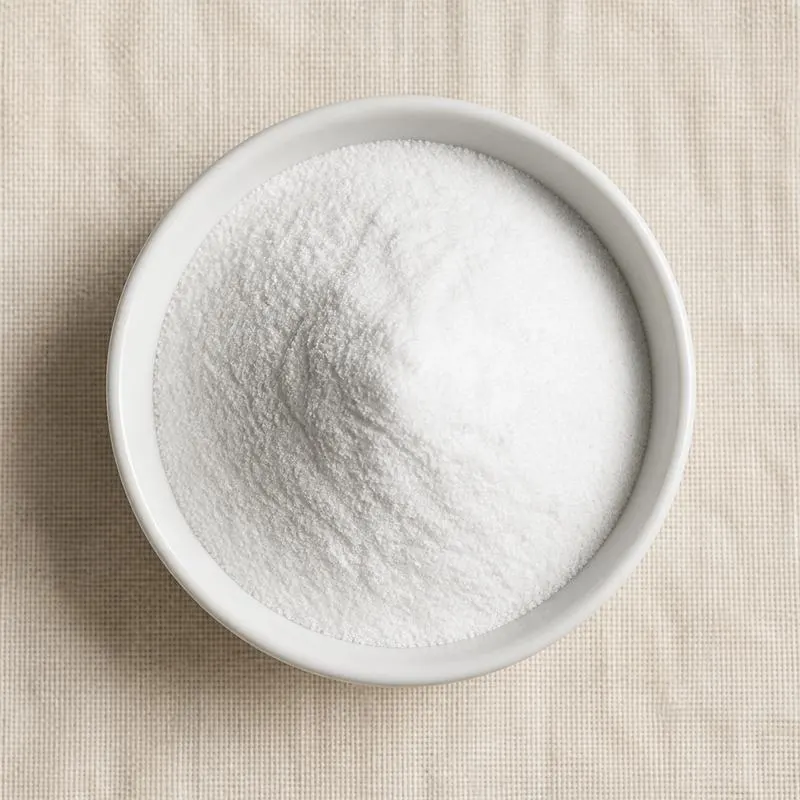
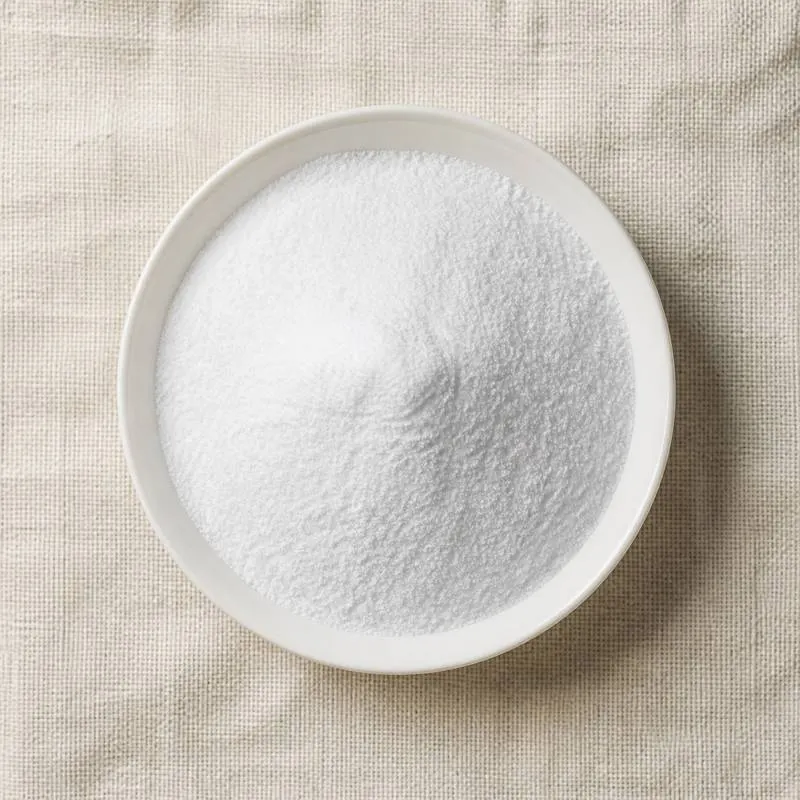
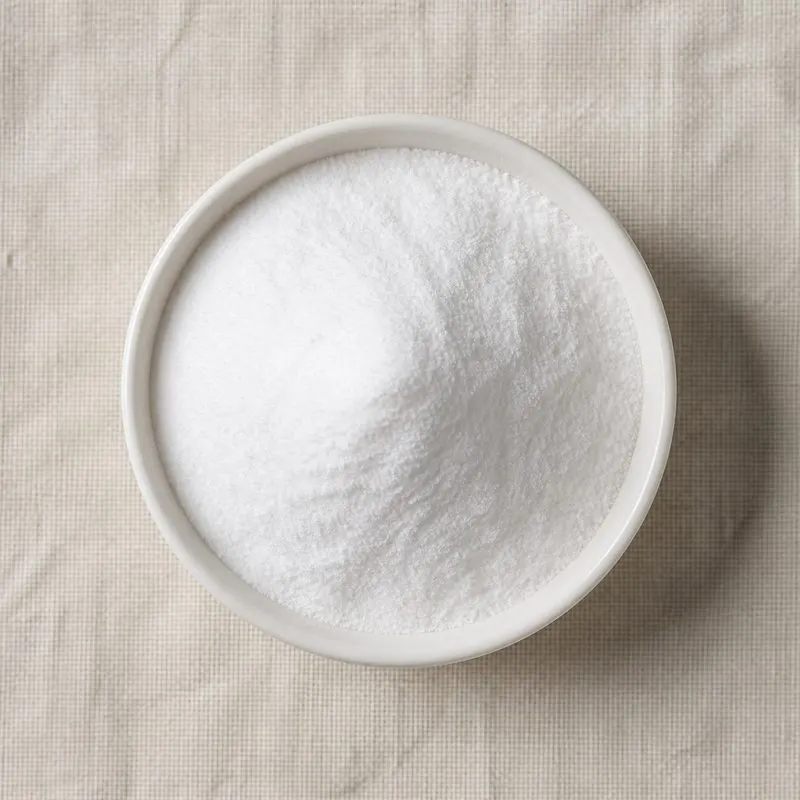
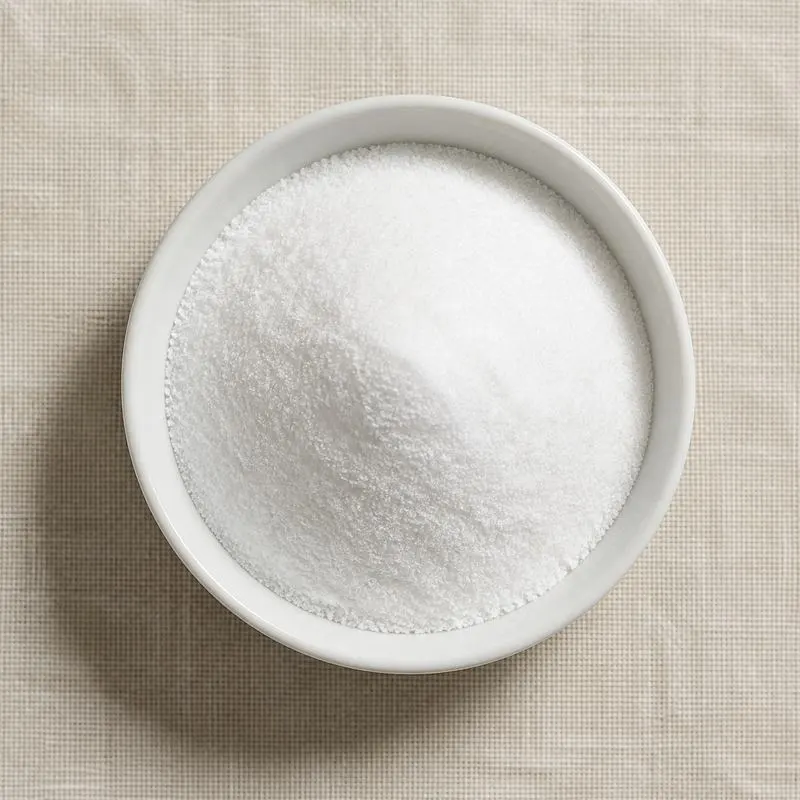
The compound has the formula C₇H₅NO₃S and a molar mass of 183.18 g/mol. It is a white crystalline powder with a faint aromatic odour that becomes freely soluble only in dilute alkaline solutions, where it ionises to release the saccharinate anion.
The water insolubility is the principal commercial property. It allows the free acid form to function as a sweetener in non-aqueous or oil-phase systems, in slow-release oral dosage forms, and in toothpaste compositions where premature dissolution in the tube would lead to migration or recrystallisation.
We source bulk Insoluble Saccharin from top China manufacturers for our partners. The manufacturer is in Hebei. A smaller requirement can ship in a combined container with other ingredients.
Please send the grade you need, the volume and your destination port, and we will come back with a solution and a price.
or call +86-21-6858 0751
- Packaging
- 25 kg kraft paper bag with PE inner liner
- ISO 9001
- HACCP
- Halal
- Kosher
Specifications
| Item | Specification |
|---|---|
| Appearance | White crystalline powder |
| Assay | ≥ 99.0% |
| Melting Point | 226–230°C |
| Loss on Drying | ≤ 1.0% |
| Residue on Ignition | ≤ 0.2% |
| Heavy Metals (as Pb) | ≤ 10 ppm |
| Arsenic | ≤ 2 ppm |
| Assay/Purity | ≥ 98.0% |
| Moisture | ≤ 1.0% |
| pH | 5.0 - 7.0 |
| Lead | ≤ 2 ppm |
| Total Plate Count | ≤ 1000 cfu/g |
| Yeast & Mold | ≤ 100 cfu/g |
| E.Coli | Negative |
| Salmonella | Negative |
Common Markets Grades
There are two grades of insoluble saccharin: food and pharmaceutical. Both assay at 99 percent minimum on the dried basis, the pharmaceutical grade to the pharmacopoeial specification.
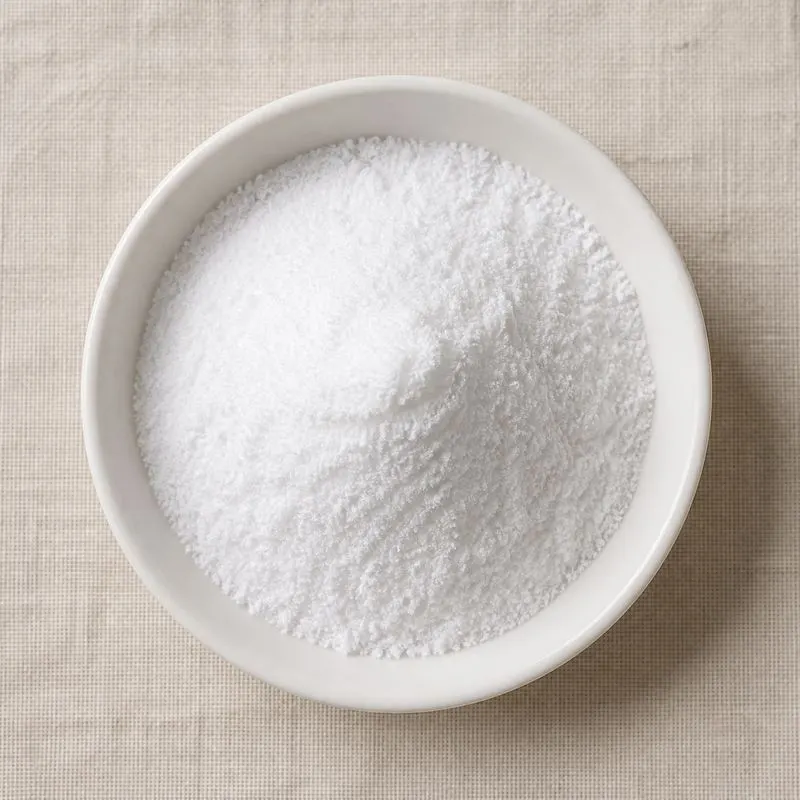
The standard physical form is a fine crystalline powder. A micronized grade with mean particle size below 20 micrometers is preferred for toothpaste, where small particles disperse uniformly through the gel matrix and dissolve gradually during brushing.
A medium-fine grade is used in pharmaceutical chewable tablets, lozenges, and oil-suspended liquid sweeteners where slow release is desirable. Pharmaceutical-grade material complies with USP, Ph. Eur., BP, and JP monographs and is the standard saccharin-acid form referenced in those compendia.
Applications
- Toothpaste and dentifrice gels where slow release during brushing extends the sweetness perception
- Mouthwash concentrates and oral-care rinses
- Pharmaceutical chewable tablets and lozenges for sustained taste masking
- Oil-suspended liquid sweeteners and flavour concentrates
- Sugar-free chewing gum where slow dissolution of the sweetener prolongs sweet sensation
- Hard candies and lozenges with controlled-release sweetness
- Pharmaceutical syrups requiring a sweetener that does not dissolve in the carrier oil base
- Cosmetic lip balms and flavoured lip products
- Veterinary pharmaceutical chews and palatants
- Electroplating bath additives (a long-standing industrial non-food application of the free acid)
- Reference standard material in analytical and food-testing laboratories
- Conversion intermediate for the manufacture of sodium, calcium, or potassium saccharinate salts
China Manufacturers of Insoluble Saccharin
Top Insoluble Saccharin manufacturers in China.
Company names and logos are the property of the manufacturers themselves. They are listed here because our own directory records them as producing this ingredient. A listing is not an endorsement by them, and we do not represent them or speak on their behalf.
How We Help Source Insoluble Saccharin
Direct Factory Sourcing
We run the whole process: selecting the manufacturer from the top Chinese food ingredient producers, negotiating the price, verifying quality, and coordinating the logistics. You deal with us instead of with several factories at once.
Original Packaging and Documents from the Manufacturer
The manufacturer sends your Insoluble Saccharin out of its own factory in the original packing, through to your destination port. The COA, COO, MSDS, TDS and any certifications reach you from the manufacturer as well.
Free Samples and Lead Time
We send 100 to 500 g free for your own laboratory to test and you cover only the courier, usually within 2 to 3 working days. ETD is usually within 7 to 15 days once the order is confirmed, and we check that date against the factory's own manufacturing schedule before we give it to you.
Combined Shipment
We can load Insoluble Saccharin together with other ingredients such as Stevia, Erythritol and Maltitol into one 20' FCL. If your quantity is small, we can also ship LCL.
Regulatory Status
Insoluble saccharin (the free acid form) shares the regulatory framework of the saccharin salts.
In the European Union the substance carries the E number E954 under Regulation (EC) No 1333/2008. The E954 designation covers saccharin and its sodium, potassium, and calcium salts as a single regulated group, with use levels defined per food category in Annex II.
The U.S. Food and Drug Administration permits saccharin and its salts as a non-nutritive sweetener under 21 CFR 180.37. The National Toxicology Program removed saccharin from its Report on Carcinogens in 2000 after mechanistic studies showed the earlier rat-bladder findings were not relevant to humans, and the Saccharin Notice Repeal Act of 2001 ended the warning-label requirement.
JECFA has evaluated saccharin and its salts and assigned acceptable status. Pharmacopoeial monographs for the free acid appear in the United States Pharmacopeia (USP), the European Pharmacopoeia (Ph. Eur.), the British Pharmacopoeia (BP), and the Japanese Pharmacopoeia (JP). Halal and Kosher certifications are commonly available.
Manufacturing Process
Insoluble saccharin is the direct product of the upstream saccharin synthesis, before salt formation.
The Remsen-Fahlberg process oxidises ortho-toluenesulfonamide derived from toluene. The intermediate is ring-closed under acidic conditions to give the cyclic imide, which precipitates as the free acid when the reaction mixture is acidified and cooled. The Maumee process starts from methyl anthranilate, proceeds through diazotization and intramolecular cyclization, and likewise terminates in the free acid form.
The crude saccharin acid is recrystallised from water at low pH or from aqueous ethanol, where its limited solubility allows clean isolation. Activated-carbon treatment removes coloured impurities, and a final recrystallisation brings the assay to specification.
The purified crystals are milled to the target particle size, screened, and dried. For toothpaste and other dispersed applications, micronization in a jet mill produces the narrow particle-size distribution needed for uniform dispersion.