Instant Black Tea
Instant Black Tea is a soluble powder produced specifically from fully oxidised black tea leaves, optimised for the bright reddish-amber colour, brisk body, and astringent character that defines black tea in cup.
It is the standard extract behind iced tea, lemon tea, milk tea, and bottled tea beverages worldwide, and dissolves cleanly in hot and cold water without sediment once the tea cream has been dealt with in processing.
We source bulk Instant Black Tea from top China manufacturers for our partners, working with several of them. The manufacturers are in Zhejiang and Shaanxi. A smaller requirement can ship in a combined container with other ingredients.
Please send the grade you need, the volume and your destination port, and we will come back with a solution and a price.
or call +86-21-6858 0751
- Packaging
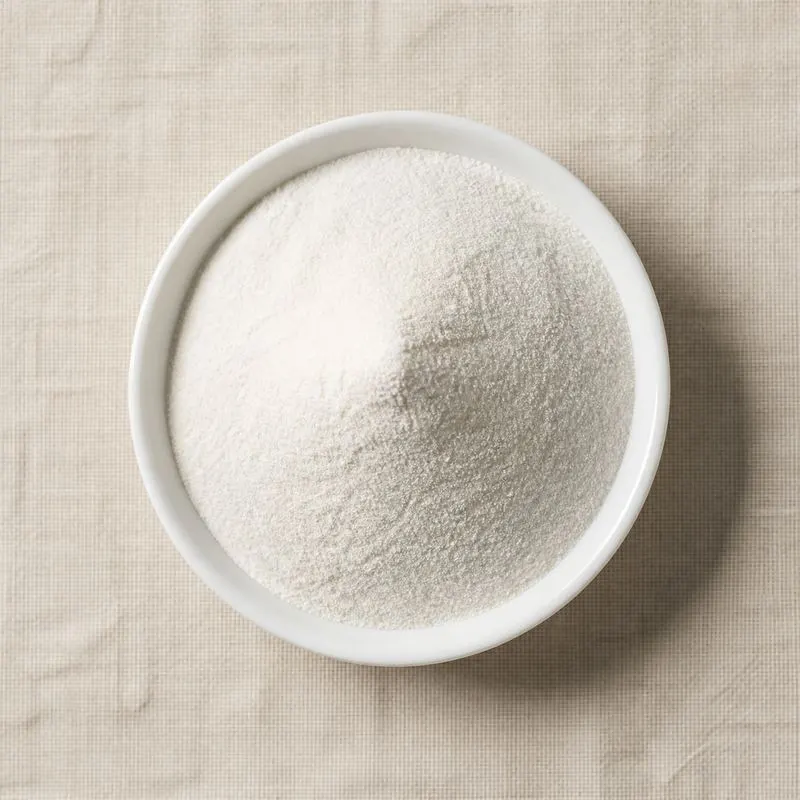
- 25 kg kraft paper bag with PE inner liner
- ISO 9001
- HACCP
- Halal
- Kosher
Specifications
| Item | Specification |
|---|---|
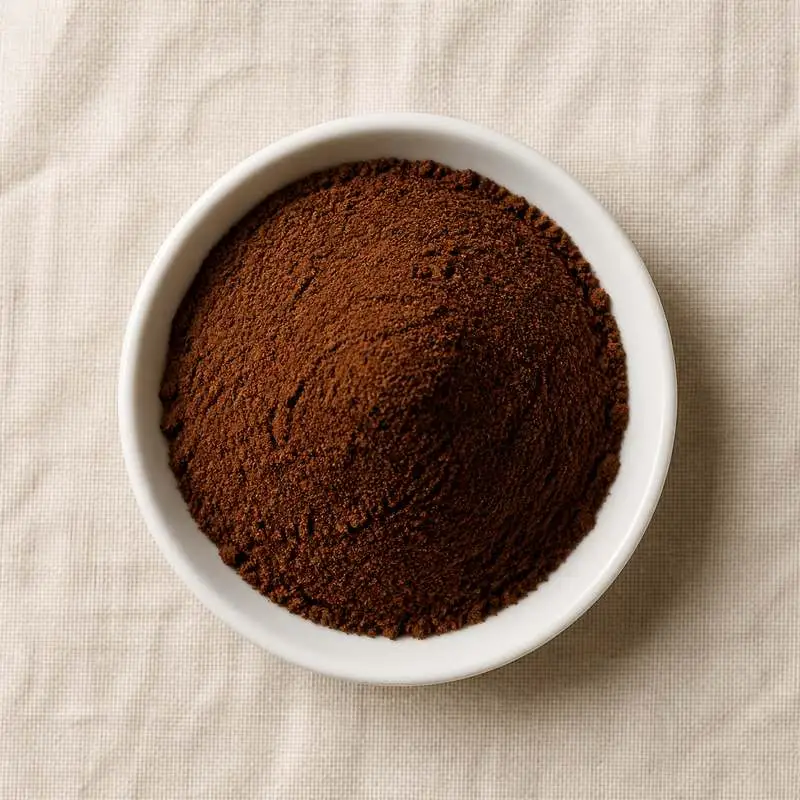
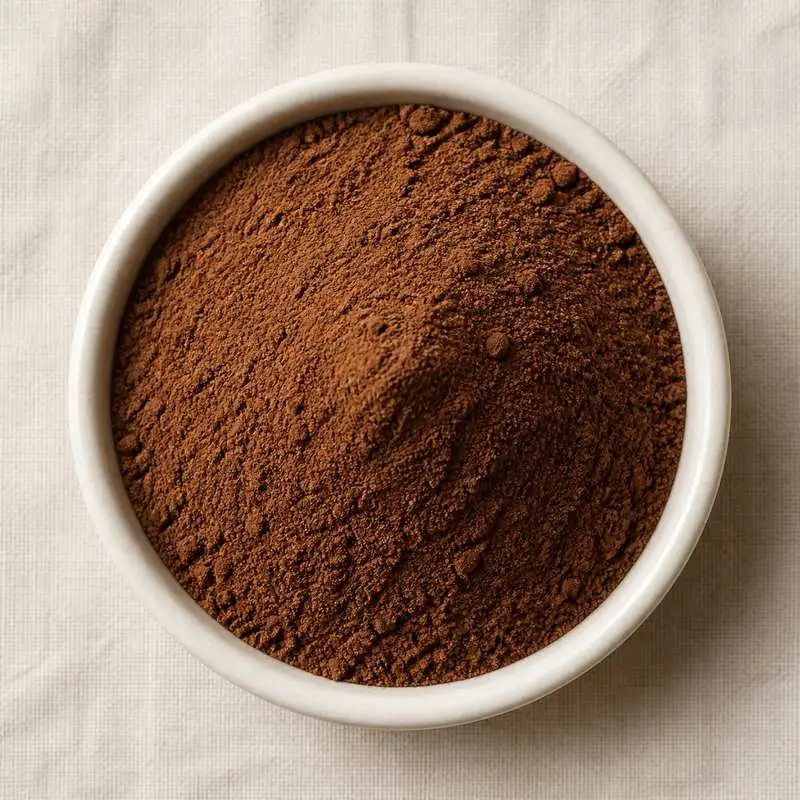
| Appearance | Reddish-brown to dark brown fine powder |
| Odour & Taste | Typical black tea aroma and taste |
| Solubility | Cold-water soluble, no sediment |
| Moisture | ≤6.0% |
| Ash | ≤18.0% |
| Caffeine | 6.0–12.0% |
| Theaflavins | ≥1.0% |
| Tea Polyphenols | 15.0–35.0% |
| Particle Size | 60 mesh pass ≥95% |
| Heavy Metals (as Pb) | ≤2.0 mg/kg |
| Total Plate Count | ≤1,000 cfu/g |
| E. coli / Salmonella | Negative |
Common Markets Grades
Instant black tea is graded by colour value, source region, and drying method.
Colour is the main specification, measured as colour units per gram at 460 nanometers in a standard 1 percent solution. Standard grades run 40 to 60 colour units, higher grades 70 to 100, and high-colour grades for colour contribution to mixes can reach 120 or more.
Source region grades include CTC (cut, tear, curl) Assam-style extract for bold body and colour, Kenyan CTC extract for clean brightness, Sri Lankan (Ceylon) extract for citrus-forward character, and Chinese Keemun or Yunnan extract for specialty work.
Drying method grades split into spray-dried, which is the most common and the cheaper route, and freeze-dried, which holds more aroma.
Cold-water-soluble grades are produced by additional enzyme or alkali treatment to break down the cream complex, allowing instant black tea to dissolve in iced water without cloudiness or sediment.
Applications
- Ready-to-drink iced tea production in bottles, cans, and tetra-pack formats
- Lemon tea instant powder for hot and cold beverage preparation
- Milk tea, Hong Kong-style, and bubble tea base formulations
- 3-in-1 black tea sachets with creamer and sugar for emerging-market retail
- Foodservice black tea concentrate for hotels, airlines, and quick-service restaurants
- Bakery tea-flavoured applications including Earl Grey scones, tea cakes, and biscuits
- Ice cream and gelato black tea flavour base
- Functional beverages featuring theaflavin claims for cardiovascular positioning
- Sweetened tea concentrates for restaurant and catering channels
- Vending tower black tea instant for office, transit, and institutional supply
Brands Using Instant Black Tea
Widely-distributed consumer products that list Instant Black Tea on the ingredient label.
- LiptonUnsweetened Iced Tea Mix ↗Lipton Unsweetened Iced Tea Mix product page; ingredients include instant tea powder and maltodextrin.Label verified 2026-05-24
- LiptonLemon Flavored Iced Tea Mix ↗Lipton Lemon Iced Tea Mix product page; powder mix made with instant tea.Label verified 2026-05-24
Brand names, product names and logos are the property of their owners. They appear here as published evidence that the ingredient is used, taken from the brand's own label or website. Their appearance is not an endorsement, and it does not mean the brand buys from us or from any manufacturer listed on this site.
China Manufacturers of Instant Black Tea
Top Instant Black Tea manufacturers in China.
- Eastsign Foods (Quzhou) Co., Ltd.3 ingredients in the directory
 Hangzhou Mingbao Bio-tech Co., Ltd.2 ingredients in the directory
 Xi'an Sost Biotech Co., Ltd.10 ingredients in the directory
Company names and logos are the property of the manufacturers themselves. They are listed here because our own directory records them as producing this ingredient. A listing is not an endorsement by them, and we do not represent them or speak on their behalf.
How We Help Source Instant Black Tea
Direct Factory Sourcing
We run the whole process: selecting the manufacturer from the top Chinese food ingredient producers, negotiating the price, verifying quality, and coordinating the logistics. You deal with us instead of with several factories at once.
Original Packaging and Documents from the Manufacturer
The manufacturer sends your Instant Black Tea out of its own factory in the original packing, through to your destination port. The COA, COO, MSDS, TDS and any certifications reach you from the manufacturer as well.
Free Samples and Lead Time
We send 100 to 500 g free for your own laboratory to test and you cover only the courier, usually within 2 to 3 working days. ETD is usually within 7 to 15 days once the order is confirmed, and we check that date against the factory's own manufacturing schedule before we give it to you.
Combined Shipment
We can load Instant Black Tea together with other ingredients such as Instant Coffee, Instant Tea and Tea Concentrate into one 20' FCL. If your quantity is small, we can also ship LCL.
Regulatory Status
Instant black tea is treated as a tea-derived ingredient under general food law in all major markets.
Codex Alimentarius covers it under the broader instant tea regional standard CXS 282R-2014 for Asia. The U.S. Food and Drug Administration regulates it under 21 CFR Part 165 for beverages and general food regulations.
The European Union applies Regulation 178/2002, Regulation 1169/2011 for labelling, and Regulation 2023/915 for contaminant limits. Pesticide MRLs in the source leaf follow Regulation 396/2005 with active enforcement at the import stage.
Caffeine content (typically 6 to 9 percent in the dry powder) can be declared. Decaffeinated grades must meet under-0.4 percent caffeine for the decaffeinated claim in most markets.
Heavy metal limits, especially for lead and aluminium, are monitored at the source-leaf stage. Halal, Kosher, organic, Fairtrade, and Rainforest Alliance certifications are available when the source leaf carries the matching certification.
Manufacturing Process
Production starts with fully oxidised black tea leaf, typically CTC fannings or dust grades from Kenya, India, or Sri Lanka, which are selected for high extractable colour and brisk body.
Leaf is loaded into counter-current extractors and contacted with hot water at 85 to 95 degrees Celsius for 30 to 45 minutes. The first extraction draws the bulk of the soluble colour and polyphenols; secondary passes capture residual solids.
The combined extract leaves the extractor at 5 to 7 percent solids. Cooling to 5 to 10 degrees Celsius triggers the tea cream complex (an association of caffeine with theaflavins and thearubigins) to precipitate.
The cream is collected, treated with tannase enzyme or food-grade alkali to redissolve, and recombined with the clear extract. This step is critical for cold-water solubility in the finished powder.
The treated extract is concentrated by falling-film evaporator to 40 percent solids, then spray-dried with inlet air at 210 to 230 degrees Celsius. The dry powder leaves the cyclone at 3 to 4 percent moisture and is packed under nitrogen in foil-lined cartons or drums to preserve colour and aroma.