Theaflavins
Theaflavins are the orange-red pigments of black tea, formed during the oxidation stage of manufacture when polyphenol oxidase couples a catechol-type catechin with a pyrogallol-type catechin to build the seven-membered benzotropolone ring that gives the class its colour. The four principal members are theaflavin, theaflavin 3-gallate, theaflavin 3'-gallate and theaflavin 3,3'-digallate, and a commercial extract is a mixture of these rather than a single compound.
They account for the brightness and much of the astringency of a black tea liquor, and together with the larger and less well characterised thearubigins they replace the catechins that green tea retains. In ingredient form theaflavin extracts are sold as antioxidants and as supplement actives, with cholesterol and cardiovascular positioning the most common.
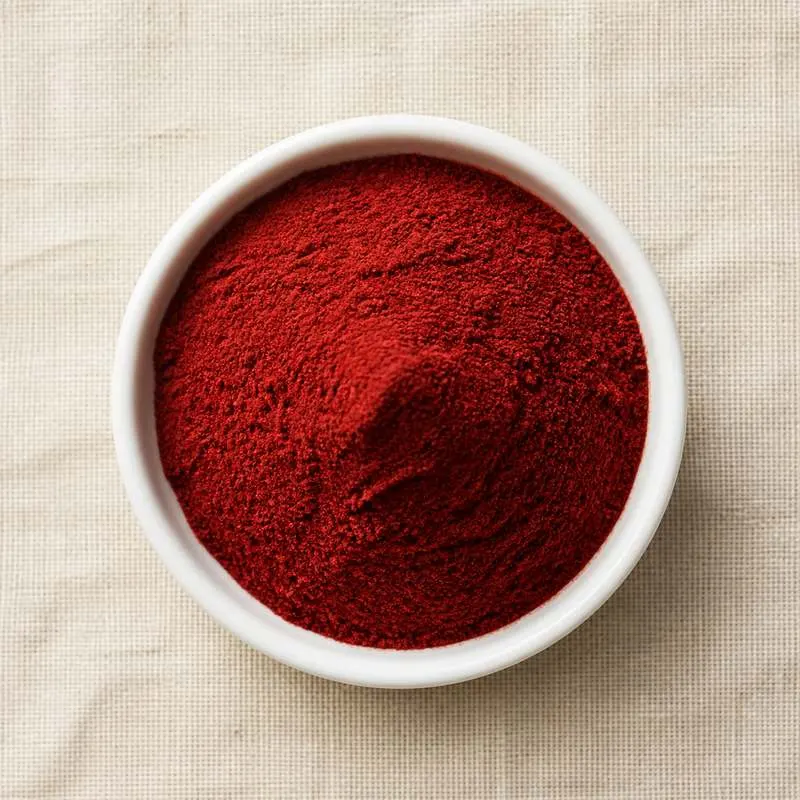
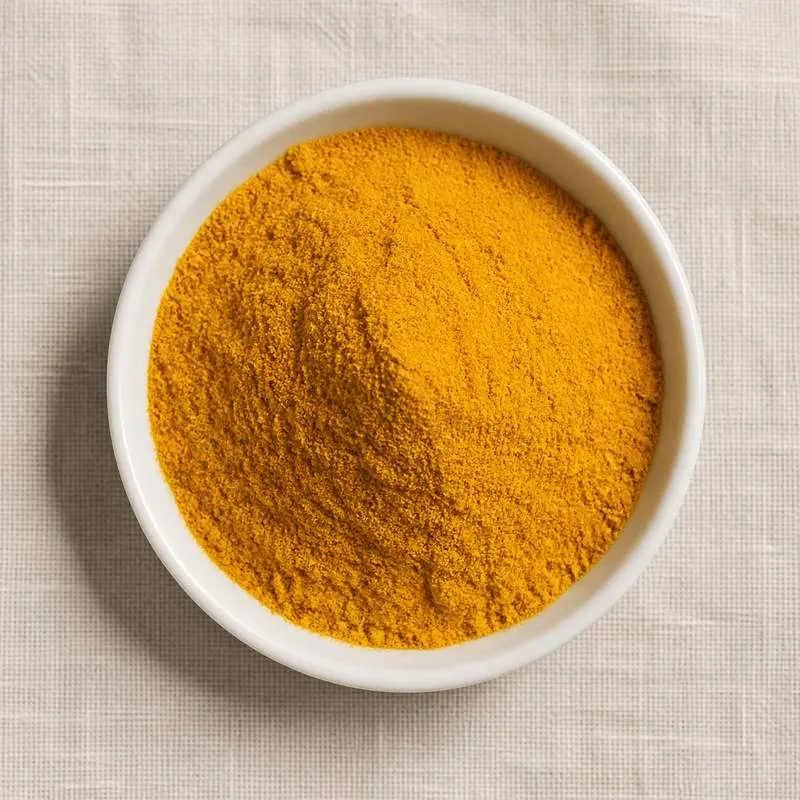
The powder is orange-brown to brick red, hygroscopic, and soluble in water and aqueous alcohol to a distinctly coloured solution, which limits the food applications to those where an orange-red tint is acceptable. Stability follows the pattern of other tea polyphenols: reasonable below pH 4, poor above neutral, and worsened by heat, oxygen and metal ions, so formulations acidify and add a chelating agent.
We source bulk Theaflavins from top China manufacturers for our partners. The manufacturers are in Zhejiang and Jiangsu. A smaller requirement can ship in a combined container with other ingredients.
Please send the grade you need, the volume and your destination port, and we will come back with a solution and a price.
or call +86-21-6858 0751
- Function
- Plant extract
Specifications
| Item | Specification |
|---|---|
| Appearance | Orange-brown to brick red fine powder, hygroscopic |
| Total theaflavins (HPLC) | 40.0 percent minimum |
| Theaflavin 3,3'-digallate | 10.0 percent minimum |
| Total polyphenols | 80.0 percent minimum |
| Identification | HPLC profile and UV maximum near 380 nm conform to reference |
| Caffeine | 2.0 percent maximum |
| Loss on drying | 6.0 percent maximum |
| Residue on ignition | 2.0 percent maximum |
| pH (1 percent aqueous solution) | 4.0 to 6.0 |
| Residual solvents (ethanol) | 5000 mg/kg maximum |
| Lead | 2.0 mg/kg maximum |
| Arsenic | 1.0 mg/kg maximum |
| Total plate count | 1000 cfu/g maximum |
| Salmonella | Absent in 25 g |
Common Markets Grades
Grades are stated as total theaflavin content by HPLC, commonly 20, 40, 60 or 80 percent, with the individual theaflavin and theaflavin gallate distribution given alongside for higher grades. Total polyphenol content is quoted as a second figure, and buyers should distinguish a genuine theaflavin assay from a total-polyphenol colourimetric result, which reads far higher for the same material and is the most common source of confusion in this trade.
Caffeine content is specified separately and decaffeinated grades are produced. The raw material route is a further distinction: extracts made from conventionally manufactured black tea differ from those made by enzymatic conversion of green tea catechins in a controlled reactor, the latter giving a higher and more consistent theaflavin content, and the route should be stated. Water-soluble instantised powders and encapsulated grades are traded for beverage and supplement use.
Applications
- Cardiovascular and cholesterol management supplements, the principal outlet for high-assay grades
- Antioxidant supplement blends alongside green tea catechins and grape polyphenols
- Black tea instant powders and ready to drink formulations, where theaflavins supply colour and briskness
- Natural orange-red colour contribution in acidic beverages
- Antioxidant addition to fats, oils and meat products to slow lipid oxidation
- Oral care products, where the astringency and antimicrobial action are used
- Metabolic and weight management formulations
- Skin care formulated at acidic pH and positioned on antioxidant claims
- Analytical reference standards for black tea pigment quantification
China Manufacturers of Theaflavins
Top Theaflavins manufacturers in China.
 Hangzhou Qinyuan Natural Plant Technology Co., Ltd.3 ingredients in the directory
 Wuxi Century Bio-engineering Co., Ltd.5 ingredients in the directory
Company names and logos are the property of the manufacturers themselves. They are listed here because our own directory records them as producing this ingredient. A listing is not an endorsement by them, and we do not represent them or speak on their behalf.
Regulatory Status
In the United States black tea extracts and theaflavin preparations are used as dietary ingredients in supplements, and black tea extract is used in beverages on the basis of GRAS conclusions for defined uses rather than under a food additive regulation naming theaflavins. There is no colour additive listing for theaflavins, so a preparation used for its colour in a conventional food would need to be handled on that basis, which is a point suppliers sometimes overlook given how strongly coloured the material is. Claims in supplements are structure and function claims with the standard disclaimer.
In the European Union theaflavins are not authorised as a food colour and carry no E number, so they may not be used to colour food. As supplement ingredients black tea extracts are sold under national rules for botanical preparations, and highly purified theaflavin preparations may attract novel food consideration. Health claims relating to theaflavins and blood cholesterol are not authorised. Codex has not adopted a specification for theaflavins, and the general Codex provisions on contaminants and on pesticide residues in tea apply to the raw material.
Manufacturing Process
Two routes are used. The traditional route extracts finished black tea, leaf fines or fannings with hot water, clarifies the liquor by centrifuge and filtration, and chills it to precipitate tea cream, which is itself theaflavin-rich and is often recovered rather than discarded. The clarified liquor is loaded onto macroporous adsorption resin that binds the pigments while sugars and salts pass through, and graded alcohol elution recovers a theaflavin-enriched fraction.
The enzymatic route gives higher assays and is now the basis of most high-grade material. A green tea catechin extract is dissolved in buffer and treated with polyphenol oxidase, either as a crude enzyme preparation from tea leaf or pear and apple tissue or as an isolated enzyme, with controlled aeration supplying the oxygen the reaction consumes. Temperature, pH and oxygen transfer are held within a narrow window, because the same enzyme will over-oxidise the theaflavins into thearubigins if the reaction is allowed to run on, and the conversion is stopped by heating or by pH shift once the target profile is reached. Either way the enriched solution is passed over resin for final purification, concentrated under vacuum at low temperature, standardised against an HPLC assay and spray dried or freeze dried, then sieved and packed under nitrogen away from light.