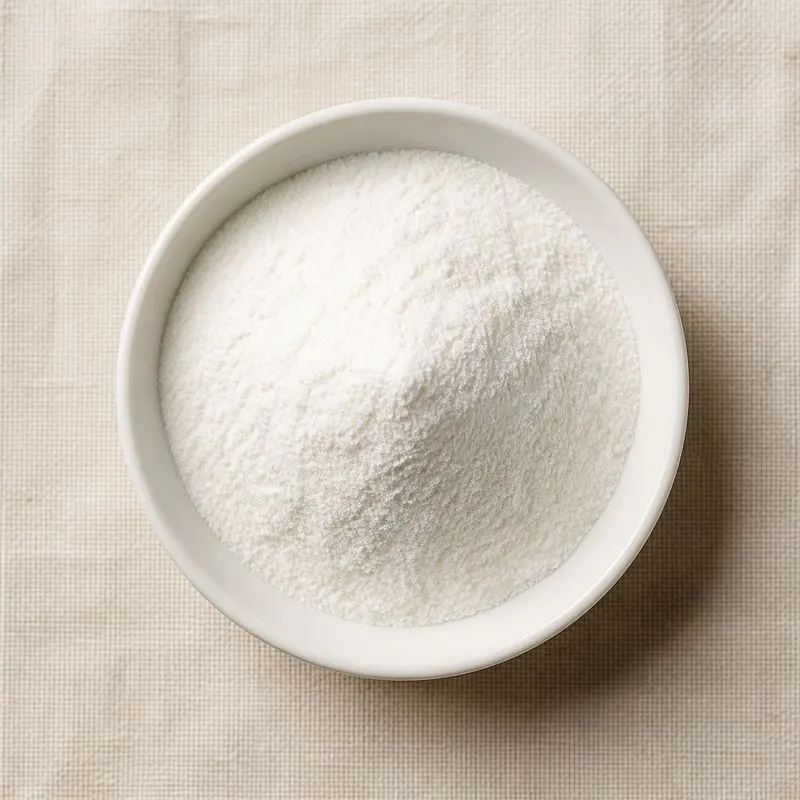
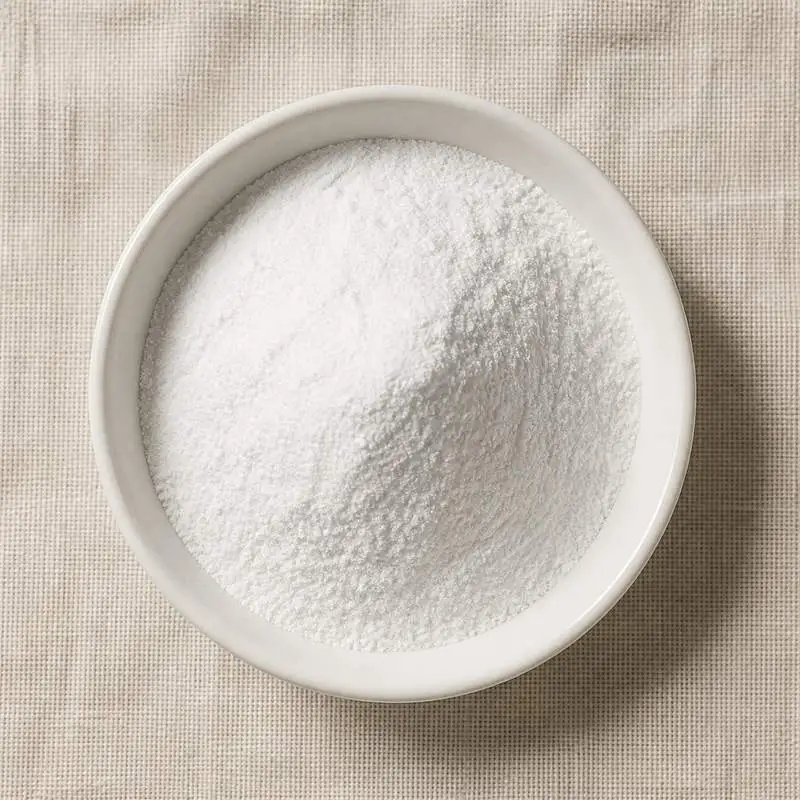
Instant Grain
Instant grain is a pre-gelatinised cereal powder or flake made from whole or milled grains that have been fully cooked and dried before packing, so that the starch rehydrates and thickens in hot water without further cooking.
The functional change is gelatinisation. In raw cereal flour the starch granules are crystalline, insoluble in cold water and require sustained boiling to swell. Cooking the grain in the presence of water and then drying it while the starch is still swollen locks the granules in an open amorphous state, and that structure takes up water immediately on rehydration. The result is a powder that disperses into a smooth porridge in one to two minutes with hot water alone. Common bases are oat, rice, barley, buckwheat, millet, maize, black rice, sorghum and mixed multigrain blends, often extended with soya, red bean, walnut or sesame.
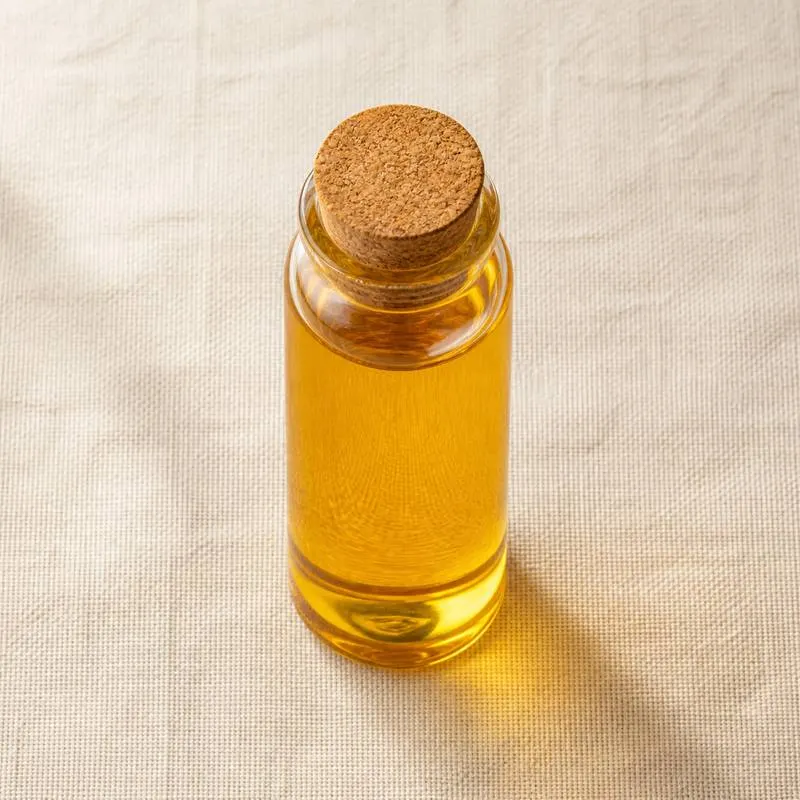
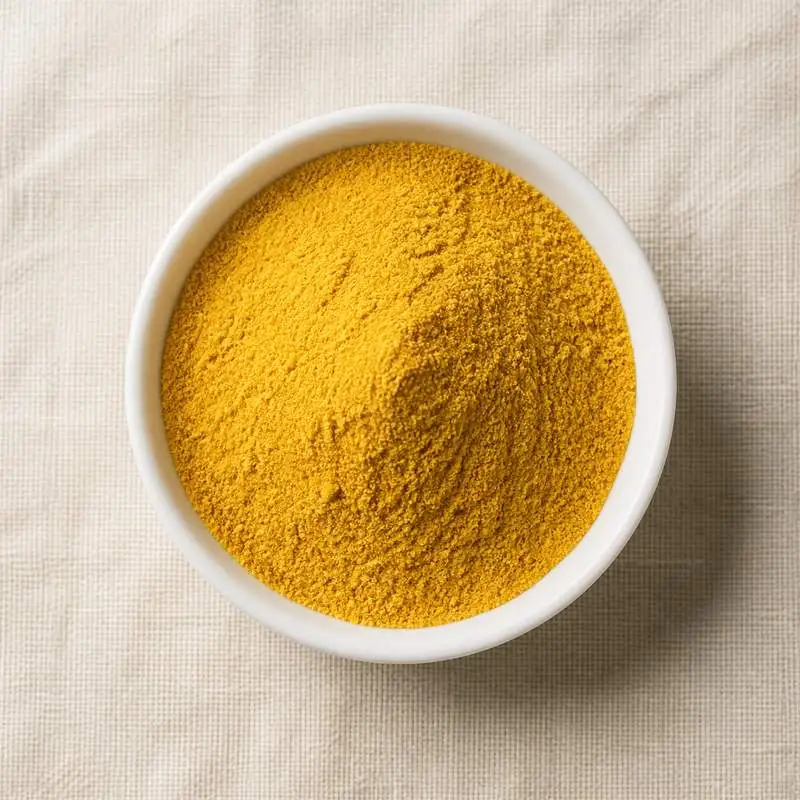
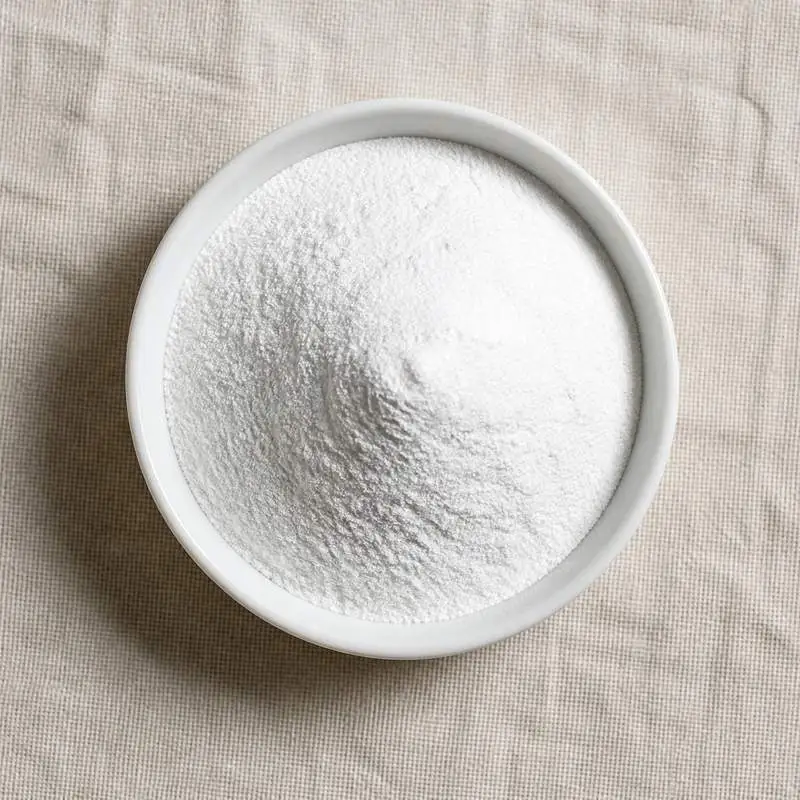
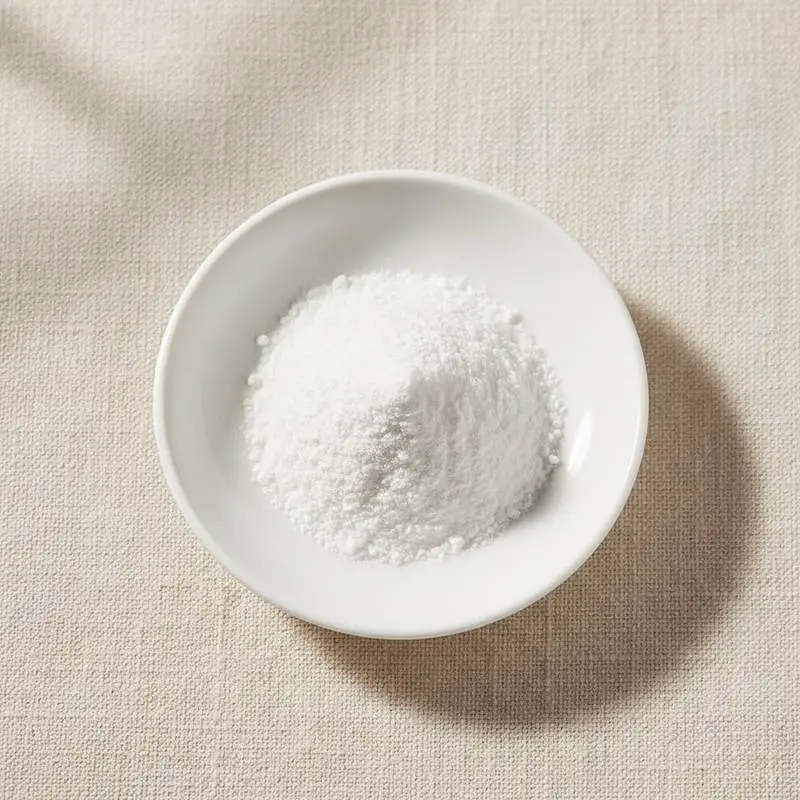
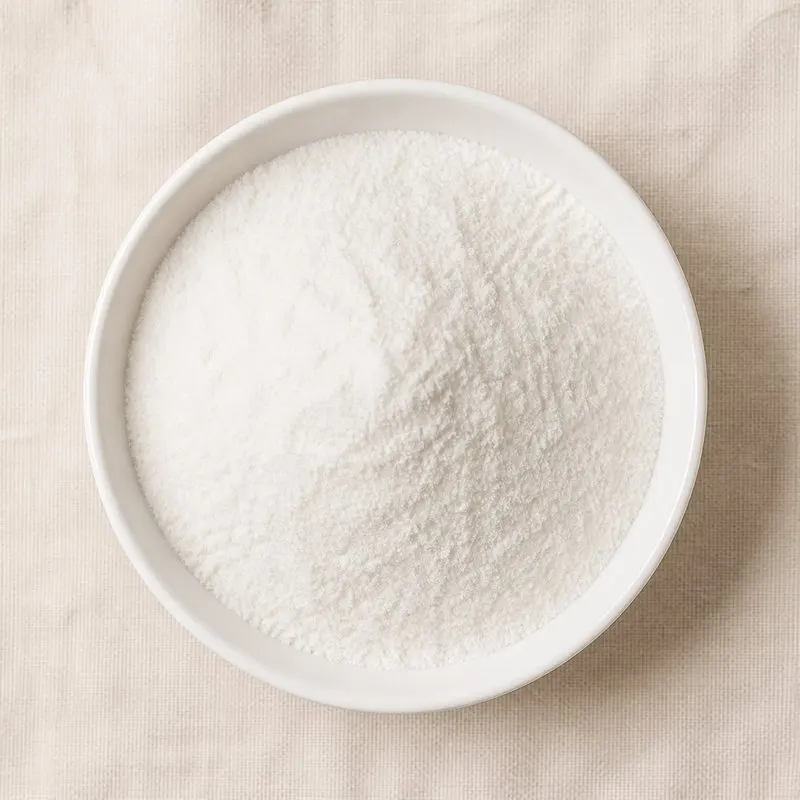
The material comes as a fine to medium powder or as agglomerated granules, cream to brown depending on the grain and on the degree of roasting applied for flavour. It is hygroscopic and, because the fibre and germ fractions carry lipid, it is prone to oxidative rancidity in long storage, so it is packed with a moisture and oxygen barrier. Fine unagglomerated powder tends to lump when wetted, which is why most retail material is granulated.
We source bulk Instant Grain from top China manufacturers for our partners. The manufacturer is in Shanxi. A smaller requirement can ship in a combined container with other ingredients.
Please send the grade you need, the volume and your destination port, and we will come back with a solution and a price.
or call +86-21-6858 0751
- Function
- Nutraceutical
Specifications
| Item | Specification |
|---|---|
| Appearance | Cream to light brown free-flowing granule or powder |
| Flavour and odour | Clean cooked cereal character, free from rancid or musty notes |
| Degree of gelatinisation | Not less than 90 percent |
| Moisture | Not more than 6.0 percent |
| Protein, dry basis | Not less than 8.0 percent |
| Fat | 2.0 to 8.0 percent depending on grain |
| Total ash | Not more than 3.0 percent |
| Particle size | Not less than 90 percent through 40 mesh |
| Bulk density | 0.35 to 0.55 g/mL |
| Dispersion time in water at 85 degrees Celsius | Not more than 60 seconds |
| Lead | Not more than 0.2 mg/kg |
| Arsenic, inorganic | Not more than 0.2 mg/kg |
| Aflatoxin B1 | Not more than 2 micrograms/kg |
| Total plate count | Not more than 10,000 cfu/g |
| Yeast and mould | Not more than 100 cfu/g |
| E. coli | Negative in 1 g |
| Salmonella | Negative in 25 g |
Common Markets Grades
Grades are defined first by the grain and the milling fraction, whole grain against refined, and by whether the bran and germ are retained. Within a given grain, the trade distinguishes drum-dried powder from extruded and milled powder from agglomerated instant granules, since the three differ in bulk density, dispersion behaviour and cooked flavour. Extruded material carries a toasted note and a higher water solubility index; drum-dried material is blander and thickens more.
The measured specifications are degree of gelatinisation, water absorption and solubility index, viscosity of the reconstituted slurry, particle size and bulk density. Sugar-free and unsweetened base grades are traded to formulators, while consumer-facing grades are pre-blended with sucrose, milk powder, plant protein or vitamin and mineral premix. Organic certified and non-genetically-modified declarations are common on the oat, rice and maize bases.
Applications
- Instant breakfast porridge sachets reconstituted with hot water or milk
- Meal replacement and weight management powders, where pre-gelatinised grain supplies the viscosity and satiety
- Infant and toddler cereals, milled fine and fortified with iron, zinc and B vitamins
- Elderly and dysphagia nutrition, where the thickened texture is the functional requirement
- Sports and recovery drinks using pre-gelatinised maize or rice as a rapidly available carbohydrate
- Bakery and biscuit doughs, added as a water-binding and crumb-softening component
- Extruded snack and cereal bar binders, where the cooked starch acts as an adhesive matrix
- Soup and sauce thickening bases for instant and retort products
- Vending and foodservice hot beverage machines dispensing grain drinks
China Manufacturers of Instant Grain
Top Instant Grain manufacturers in China.

Company names and logos are the property of the manufacturers themselves. They are listed here because our own directory records them as producing this ingredient. A listing is not an endorsement by them, and we do not represent them or speak on their behalf.
Regulatory Status
In the United States instant grain products are conventional foods rather than additives, made under the FDA preventive controls and current good manufacturing practice rules of 21 CFR Part 117 and labelled under the general food labelling regulations. Cereals containing wheat, barley, oats or added soya, milk or tree nuts must declare the relevant major food allergens, and gluten-free claims on oat or rice bases must satisfy the FDA gluten-free labelling rule. Any vitamin or mineral fortification uses nutrient sources permitted for food use, and products intended for infants fall under the separate infant food and, where applicable, infant formula requirements.
In the European Union the product is a food covered by the general food law of Regulation (EC) No 178/2002 and by labelling under Regulation (EU) No 1169/2011, with cereal allergens declared in the ingredient list. Regulation (EU) No 609/2013 and the delegated regulation setting compositional and safety requirements for that category additionally govern processed cereal-based foods for infants and young children. Codex Alimentarius provides the Standard for Processed Cereal-Based Foods for Infants and Young Children, together with the general standards for contaminants and food additives, and mycotoxin limits for cereals are the routine compliance point in international trade.
Manufacturing Process
Cleaned and de-stoned grain is graded, hulled where necessary and either milled to flour or steeped whole. In the drum-drying route the flour is slurried with water to around 30 to 40 percent solids, cooked with steam injection to gelatinise the starch, then spread as a thin film on a steam-heated rotating drum at 130 to 150 degrees Celsius. The film dries in a single rotation and is scraped off by a doctor blade as flakes, which are milled and sieved. In the extrusion route the grain flour is conditioned with water to 18 to 25 percent moisture and fed to a twin-screw extruder, where mechanical shear and barrel temperatures of 120 to 160 degrees Celsius gelatinise the starch under pressure; the melt flashes off moisture at the die, expands, and the extrudate is dried, cooled and milled to powder.
Either powder is then agglomerated to make it instant in the dispersion sense. The powder is fluidised in a bed while a fine water or steam mist is applied, causing particles to bridge into porous granules that wet and sink rather than floating and lumping. The granules are dried back to below 6 percent moisture, cooled, sieved to the target size band and passed through metal detection. Any sugar, milk powder, flavour or vitamin premix is dry blended after drying, since heat-labile components would not survive the cooking stages, and the finished blend is filled into barrier sachets or laminated pouches, often with nitrogen flushing where the fat content is high.