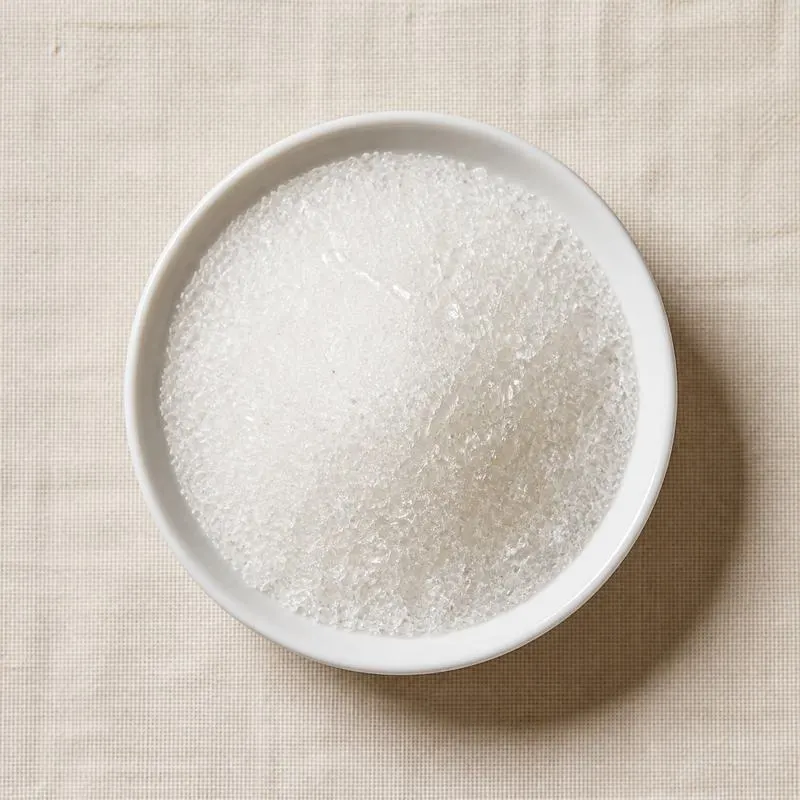
Iprobia Postbiotic Pe0401
Iprobia Postbiotic PE0401 is a trade designation for a lactic acid bacteria fermentate positioned for gut flora balance and immune modulation, sold as an inactivated postbiotic powder rather than as a live culture.
The ingredient carries the full metabolite output of a controlled fermentation together with heat-killed bacterial cells. Its functional fraction includes short chain organic acids, exopolysaccharides, teichoic acids and cell wall peptidoglycan fragments, all of which are recognised by intestinal epithelial and immune receptors independently of whether the organism is viable. Because the cells are dead, the ingredient carries no risk of translocation and no requirement to maintain viability through shelf life.
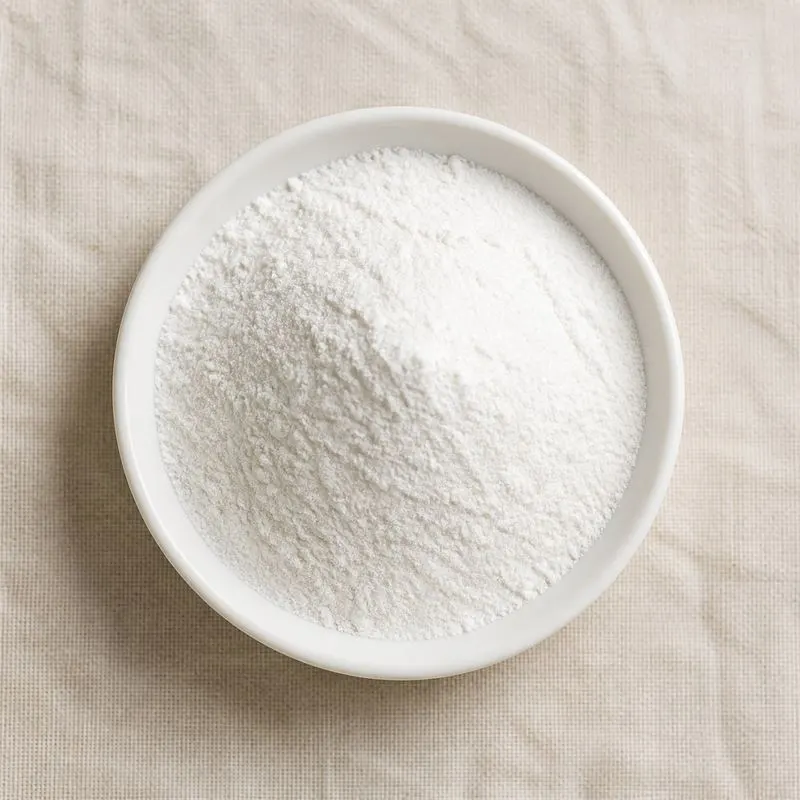
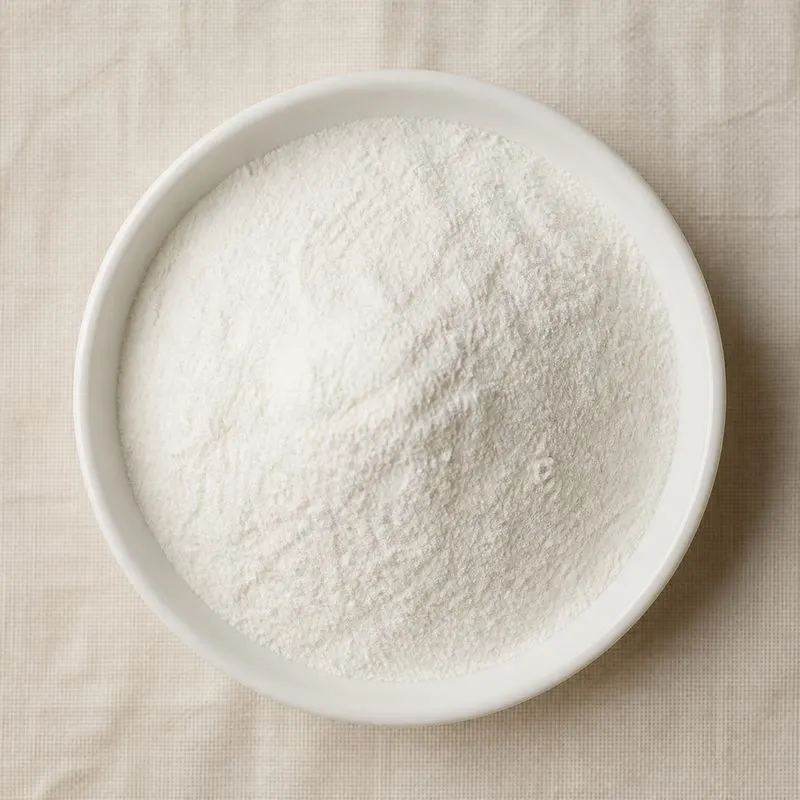
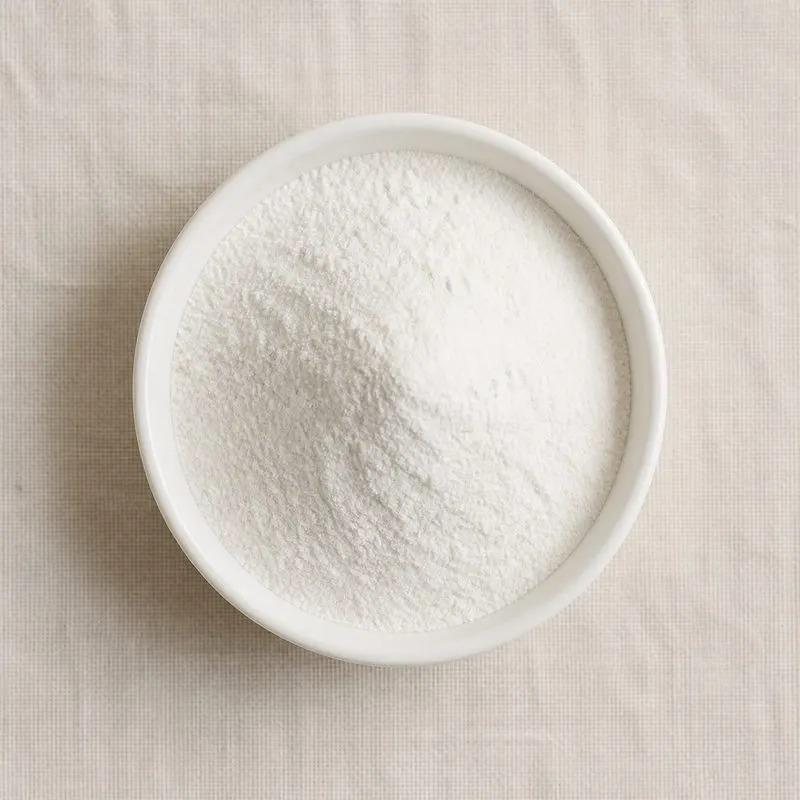
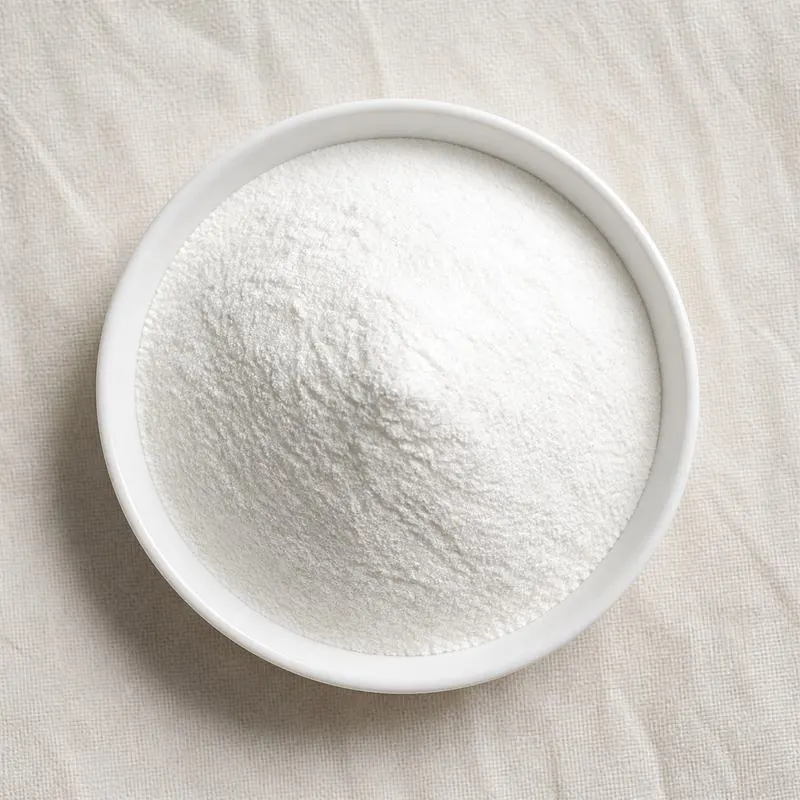
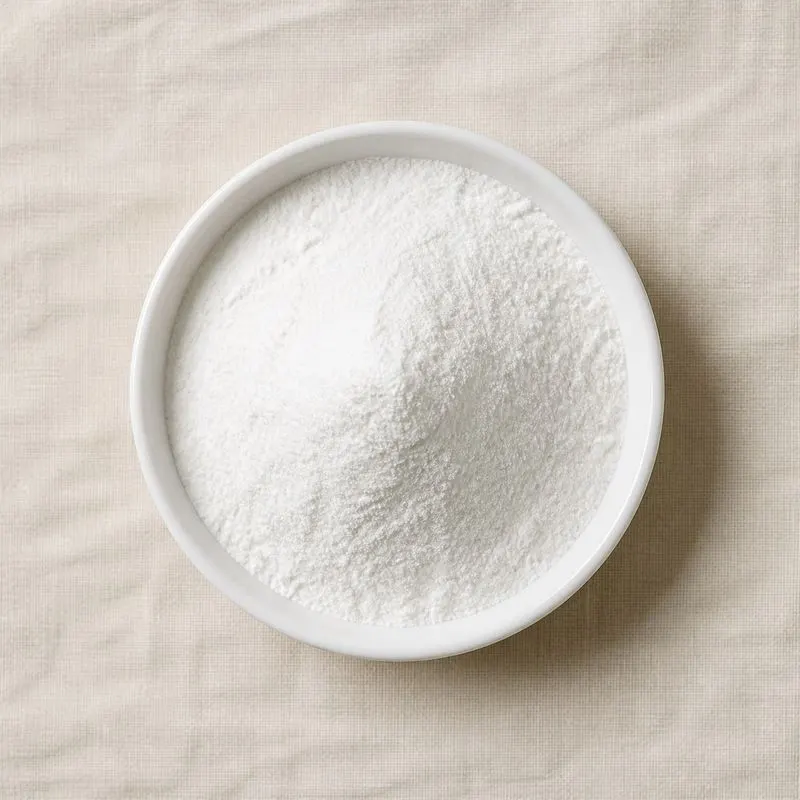
The powder is off-white to light beige, free flowing, hygroscopic, and mildly acidic when dispersed. It withstands tabletting pressure, extrusion and short pasteurisation holds, which lets it be used in formats closed to live culture concentrates, and it needs no refrigerated storage or distribution.
or call +86-21-6858 0751
- Function
- Probiotic
Specifications
| Item | Specification |
|---|---|
| Appearance | Off-white to light beige free-flowing powder |
| Odour | Faint fermented, mildly acidic |
| Strain Identity | Inactivated lactic acid bacteria, identity confirmed by 16S rRNA sequencing |
| Inactivated Cell Count | ≥ 1.0 × 10¹¹ cells/g |
| Residual Viable Count | Not detected (≤ 10 cfu/g) |
| Fermentate Solids | ≥ 50.0% |
| Carrier | Maltodextrin, adjusted to declared fermentate solids |
| Loss on Drying | ≤ 6.0% |
| pH (10% aqueous dispersion) | 3.5 – 5.5 |
| Bulk Density | 0.40 – 0.65 g/mL |
| Particle Size | ≥ 95% through 80 mesh |
| Heavy Metals (as Pb) | ≤ 10 mg/kg |
| Total Plate Count | ≤ 1,000 cfu/g |
| Yeast and Mould | ≤ 100 cfu/g |
| Escherichia coli and Salmonella | Negative/25g |
Common Markets Grades
Supply is on a single food-grade specification, standardised on fermentate solids with a maltodextrin carrier. The practical distinction between offers is granulation, with a fine milled powder for beverages and capsules and an agglomerated grade for direct compression and stick packs.
Applications
- Gut health capsules and sachets marketed as ambient stable alternatives to live probiotics
- Immune support formulations blended with vitamin C, vitamin D and zinc
- Infant and toddler cereals and growing up formulas requiring an inactivated microbiome ingredient
- UHT and pasteurised dairy and plant beverages where live cultures would not survive
- Nutrition bars and baked functional snacks with an oven step
- Chewable tablets, gummies and effervescent formats
- Elderly and medical nutrition products where live organism intake is restricted
- Pet supplements and pet food coatings needing ambient shelf stability
Regulatory Status
In the United States postbiotic fermentate ingredients are marketed under GRAS determinations covering the specific production strains and the fermentation medium, rather than under a food additive regulation. The lactic acid bacteria used are established food fermentation organisms.
In the European Union an inactivated fermentate without a significant history of consumption in the Union before May 1997 falls under the novel food framework and requires authorisation before it can be placed on the market. No E number applies, because the material functions as a food ingredient rather than as an additive. Codex has no standard covering postbiotic preparations, so buyer specifications decide.
Manufacturing Process
Manufacture is by submerged fermentation of a defined probiotic strain set. Seed cultures are propagated in stages and transferred into a stirred fermenter charged with a sterilised medium of carbohydrate, nitrogen source and mineral salts, then held under controlled temperature and pH until the organic acid and exopolysaccharide profile reaches specification.
The whole broth is heat treated to inactivate all viable organisms, clarified, concentrated under vacuum and standardised with a carrier before spray drying. The dried powder is sieved to remove agglomerates, homogenised across the batch and packed under low humidity in foil lined drums.