Vitamin C
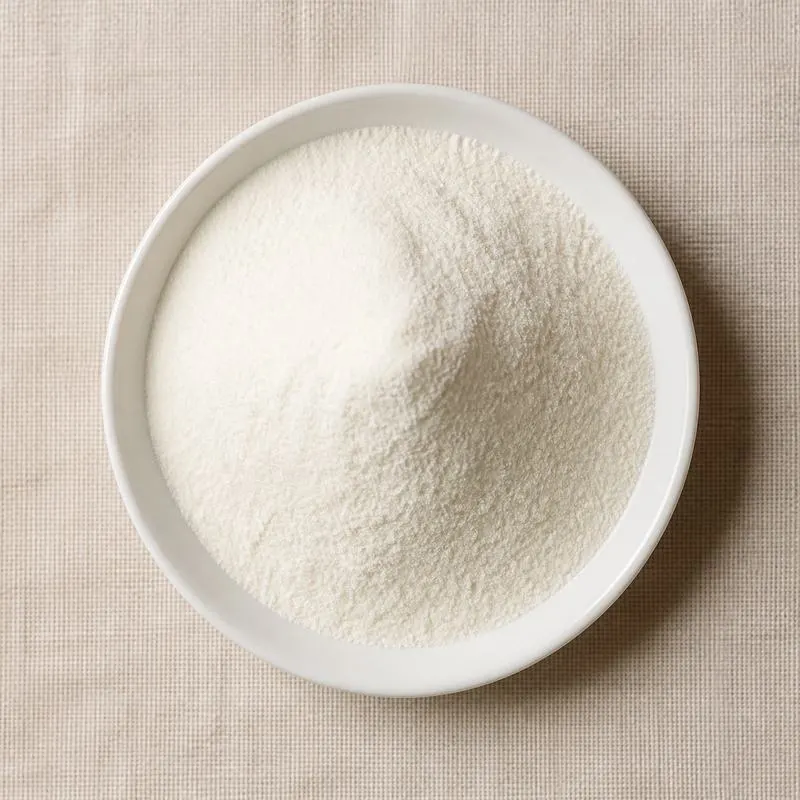
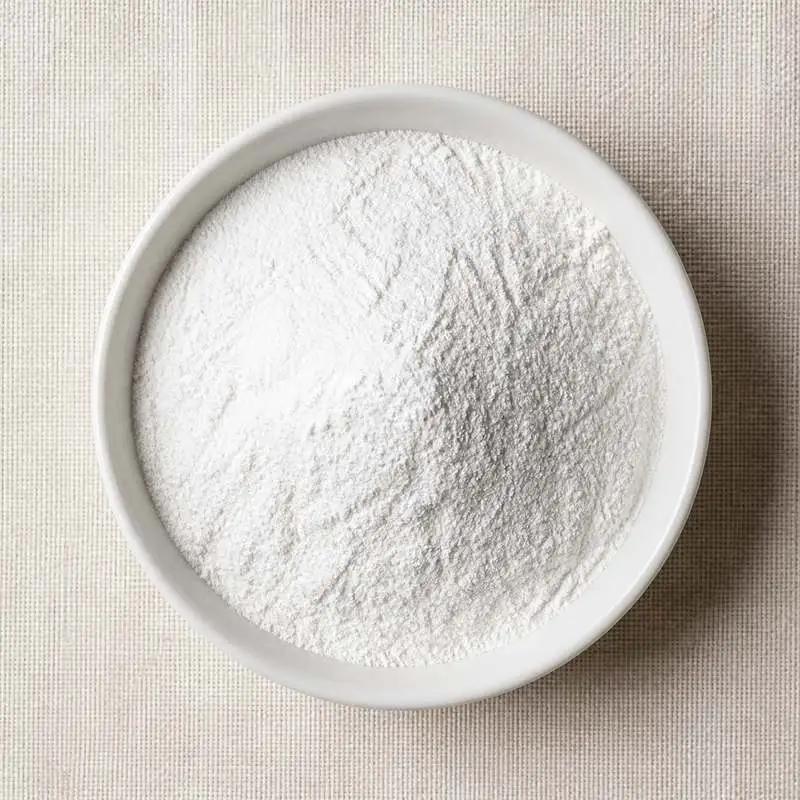
Vitamin C is a water-soluble essential nutrient used in food, beverage, supplement, and pharmaceutical formulations as L-ascorbic acid or one of its mineral salts.
The compound carries the molecular formula C₆H₈O₆, a molar mass of 176.12 g/mol, and the CAS number 50-81-7. It functions as a redox cofactor and as a potent reducing agent, with the European food additive number E300.
We source bulk Vitamin C from top China manufacturers for our partners, working with several of them. The manufacturers are mostly in Shandong, Jiangsu and Hebei. For this ingredient the minimum order is 500 kg and a 20-foot container takes 20 MT, and a smaller requirement can ship in a combined container with other ingredients.
Please send the grade you need, the volume and your destination port, and we will come back with a solution and a price.
or call +86-21-6858 0751
- Minimum order
- 500 kg
- Qty in 20' FCL
- 20 MT
- Packaging
- 25 kg kraft paper bag with PE inner liner
- ISO 9001
- HACCP
- Halal
- Kosher
Specifications
| Item | Specification |
|---|---|
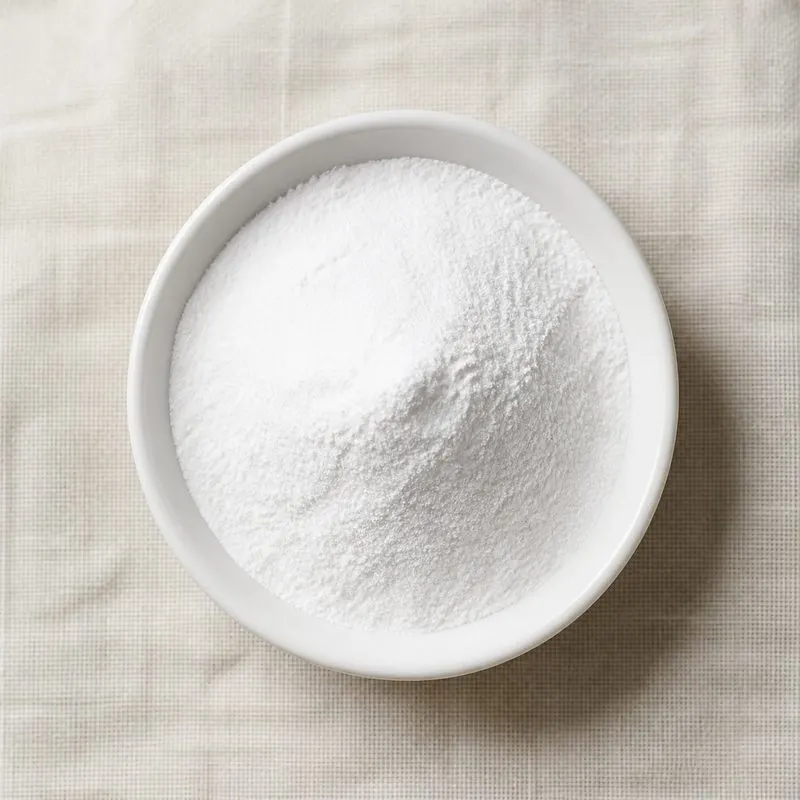
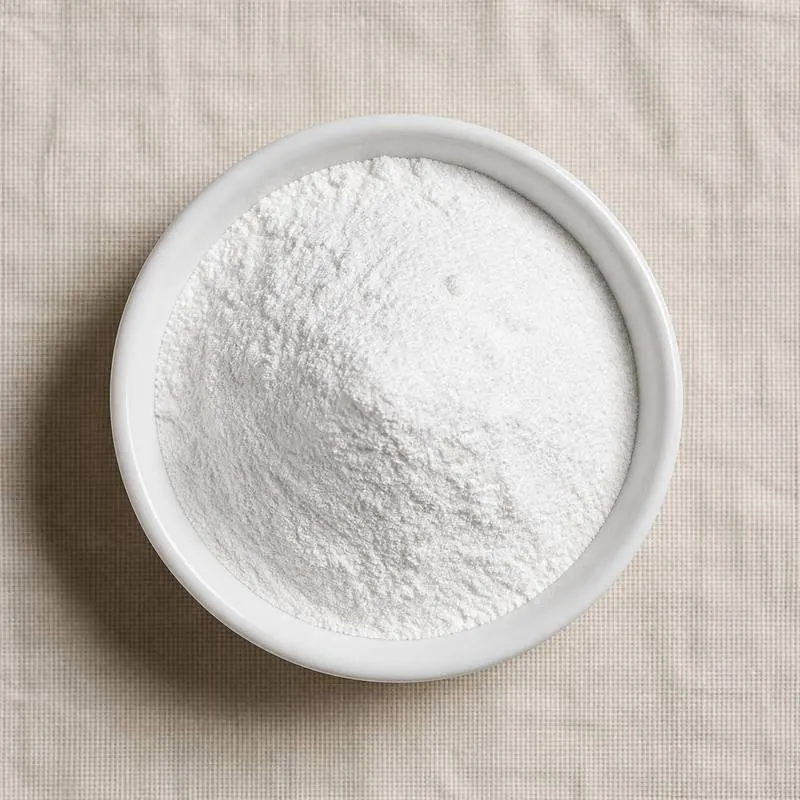
| Appearance | White crystalline powder |
| Purity (Pharmaceutical Grade) | 99.7% min |
| Purity (Food Grade) | 99.5% min |
| Moisture/Loss on Drying | 0.5% max |
| pH | 2.1 - 2.6 |
| Heavy Metals | 10 ppm max |
| Lead | 2 ppm max |
| Arsenic | 1 ppm max |
| Total Plate Count | 1000 cfu/g max |
| Yeast & Mold | 100 cfu/g max |
Common Markets Grades
L-Ascorbic acid trades in several physical and chemical formats, each suited to a different application.
Fine crystalline powder at 99 percent assay is the standard grade for tablets, sachets, and dry beverage mixes. Granular grades with controlled particle size are used in direct-compression tableting where flow and uniformity matter.
Coated and encapsulated forms, typically with ethyl cellulose or hydrogenated vegetable oil, slow the release of the acid and reduce off-flavour in chewables and gummies.
Mineral salts such as sodium ascorbate, calcium ascorbate, and magnesium ascorbate provide a pH-neutral profile for sensitive stomachs and for low-acid beverage matrices. Fat-soluble esters such as ascorbyl palmitate are used as lipid-phase antioxidants in oils and cosmetics.
Applications
- Effervescent tablets, chewables, and orodispersible formats as a direct nutrient source
- Multivitamin capsules and softgels at full or partial RDI levels
- Fortified juices, nectars, and ready-to-drink waters
- Powdered drink mixes, sports beverages, and electrolyte sticks
- Bakery flour treatment as a dough conditioner that strengthens gluten
- Cured meat and processed fish to stabilise colour and inhibit nitrosamine formation
- Canned fruit and vegetable preservation against enzymatic browning
- Wine and beer production as an oxygen scavenger during bottling
- Infant formula and clinical nutrition products
- Topical serums and creams for skin brightening and collagen support
- Animal feed premixes, especially for fish, shrimp, and poultry under stress
- Pharmaceutical injectables and oral solutions where pharmacopoeia grade is required
Brands Using Vitamin C
Widely-distributed consumer products that list Vitamin C on the ingredient label.
- TropicanaPure Premium Orange Juice with Vitamin C + Zinc ↗Tropicana Pure Premium with Vitamin C + Zinc is 100% orange juice fortified with added ascorbic acid and zinc oxide, giving three times the vitamin C of regular orange juice.Label verified 2026-05-24
- Minute MaidVitamin C & Zinc Pulp Free Orange Juice Beverage ↗Minute Maid's Vitamin C & Zinc Pulp Free orange juice beverage lists Vitamin C (ascorbic acid) and zinc sulphate among its added micronutrients on the official ingredient panel.Label verified 2026-05-24
- Emergen-COriginal Formula 1,000 mg Vitamin C Super Orange Fizzy Drink Mix ↗Emergen-C Super Orange Original Formula packets supply 1,000 mg vitamin C as ascorbic acid and zinc ascorbate per serving in an effervescent drink mix.Label verified 2026-05-24
- Nature MadeVitamin C Extra Strength 1000 mg Tablets ↗Nature Made's official Vitamin C 1000 mg tablets product page lists Vitamin C (as ascorbic acid) 1000 mg as the active, USP-verified for antioxidant and immune support.Label verified 2026-05-24
- SkinCeuticalsC E Ferulic with 15% L-Ascorbic Acid Antioxidant Serum ↗SkinCeuticals C E Ferulic is a serum formulated with 15% pure L-ascorbic acid, 1% alpha tocopherol and 0.5% ferulic acid.Label verified 2026-05-24
- The Ordinary (DECIEM)Vitamin C Suspension 23% + HA Spheres 2% ↗Lists ascorbic acid as the first and active ingredient, 23% pure L-ascorbic acid in an anhydrous silicone-squalane base.Label verified 2026-05-24
- Drunk ElephantC-Firma Fresh Vitamin-C Day Serum ↗Drunk Elephant's C-Firma Fresh Day Serum is formulated with 15% L-ascorbic acid plus 1% vitamin E and 0.5% ferulic acid in a freshly activated two-chamber bottle.Label verified 2026-05-24
Brand names, product names and logos are the property of their owners. They appear here as published evidence that the ingredient is used, taken from the brand's own label or website. Their appearance is not an endorsement, and it does not mean the brand buys from us or from any manufacturer listed on this site.
China Manufacturers of Vitamin C
Top Vitamin C manufacturers in China.
- CSPC Pharmaceutical Group Co., Ltd.2 ingredients in the directory
 Jiangsu Jiangshan Pharmaceutical Co., Ltd.1 ingredient in the directory
 Luwei Pharmaceutical Group Co., Ltd.1 ingredient in the directory
- New Tuoyang Bio-engineering Co., Ltd.8 ingredients in the directory
 Ningxia Qiyuan Pharmaceutical Co., Ltd.3 ingredients in the directory
 Shandong Lianmeng International Trade Co., Ltd.10 ingredients in the directory
 Shandong Tianli Pharmaceutical Co., Ltd.5 ingredients in the directory
- Yixing Jiangshan Bio-tech Co., Ltd.1 ingredient in the directory
 Zhejiang NHU Company Ltd.25 ingredients in the directory
Company names and logos are the property of the manufacturers themselves. They are listed here because our own directory records them as producing this ingredient. A listing is not an endorsement by them, and we do not represent them or speak on their behalf.
How We Help Source Vitamin C
Direct Factory Sourcing
We run the whole process: selecting the manufacturer from the top Chinese food ingredient producers, negotiating the price, verifying quality, and coordinating the logistics. You deal with us instead of with several factories at once.
Original Packaging and Documents from the Manufacturer
The manufacturer sends your Vitamin C out of its own factory in the original packing, through to your destination port. The COA, COO, MSDS, TDS and any certifications reach you from the manufacturer as well.
Free Samples and Lead Time
We send 100 to 500 g free for your own laboratory to test and you cover only the courier, usually within 2 to 3 working days. ETD is usually within 7 to 15 days once the order is confirmed, and we check that date against the factory's own manufacturing schedule before we give it to you.
Combined Shipment
We can load Vitamin C together with other ingredients such as Vitamin D3, Vitamin E and Natural Vitamin E into one 20' FCL. If your quantity is small, we can also ship LCL.
Regulatory Status
L-Ascorbic acid is permitted as a food additive in every regulated jurisdiction.
The European Union lists it as E300 (ascorbic acid), E301 (sodium ascorbate), E302 (calcium ascorbate), and E304 (ascorbyl palmitate and ascorbyl stearate), each authorised at quantum satis in most food categories.
The U.S. Food and Drug Administration classifies ascorbic acid as GRAS under 21 CFR 182.3013, with its salts and esters covered under adjacent sections.
JECFA has reviewed the substance multiple times and has not set a numerical safety limit, citing its essential nutrient status and rapid renal clearance.
Monographs are published in the United States Pharmacopeia, the European Pharmacopoeia, the Japanese Pharmacopoeia, and the British Pharmacopoeia. Kosher, Halal, and non-GMO certifications are routinely available.
Manufacturing Process
Industrial ascorbic acid manufacture descends from the Reichstein process developed in 1933 by Tadeusz Reichstein.
The classical route starts from D-glucose, hydrogenates it to D-sorbitol, ferments it with Gluconobacter oxydans to L-sorbose, and then converts the sorbose through a diacetone intermediate and oxidation to 2-keto-L-gulonic acid. A final lactonization yields L-ascorbic acid.
The dominant modern variant is the two-step fermentation process commercialized in the late 1960s. It replaces the chemical oxidation step with a second microbial fermentation, typically using Ketogulonicigenum vulgare in co-culture with a Bacillus helper strain, which converts L-sorbose directly to 2-keto-L-gulonic acid.
The bulk of world output now comes from large fermentation plants in Jiangsu and Hebei, with DSM operating the principal Western capacity. Final purification involves crystallisation from water or aqueous ethanol to deliver pharmaceutical grade crystal.