Kestose
Kestose is the shortest member of the inulin type fructan family, a trisaccharide of one glucose and two fructose units. The commercially relevant isomer is 1-kestose, in which both fructose residues are joined by beta-2,1 bonds, and it is the first product formed when fructosyltransferase acts on sucrose. Its molecular formula is C18H32O16.
Where a conventional fructooligosaccharide preparation is a mixture of chain lengths, kestose is isolated as a single defined species, which is what distinguishes it commercially. The beta-2,1 bonds resist small intestinal enzymes, so the trisaccharide reaches the colon intact, and its short chain makes it a rapidly fermented substrate for bifidobacteria. Sweetness is around 30 percent that of sucrose with a clean profile.
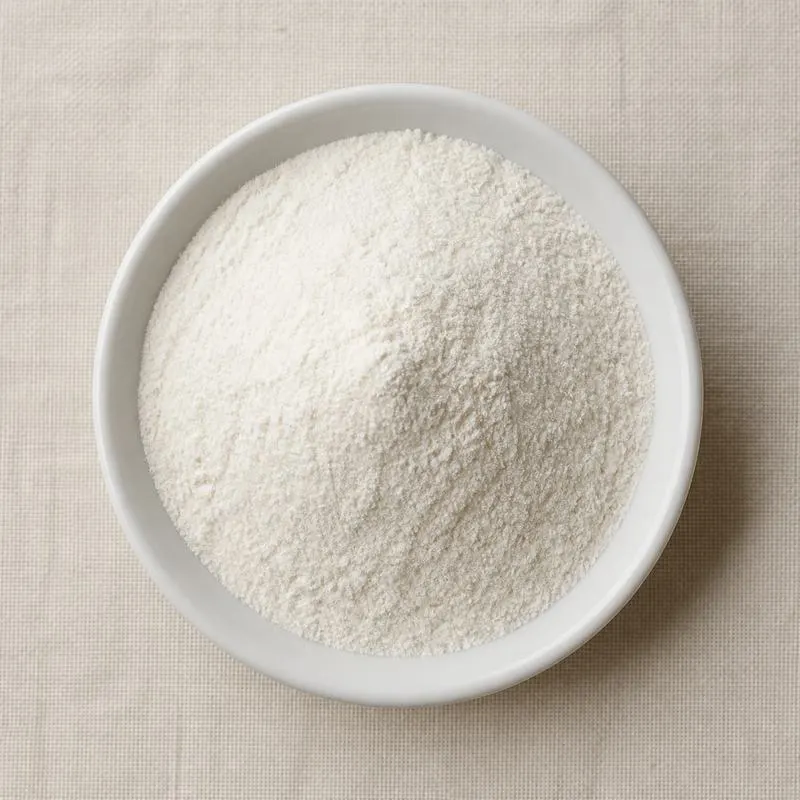
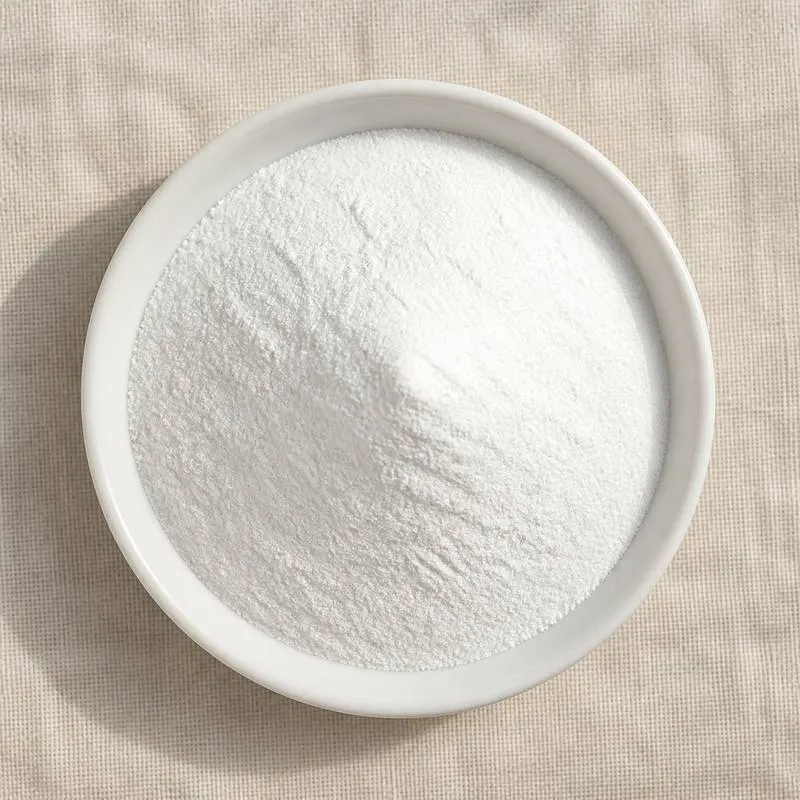
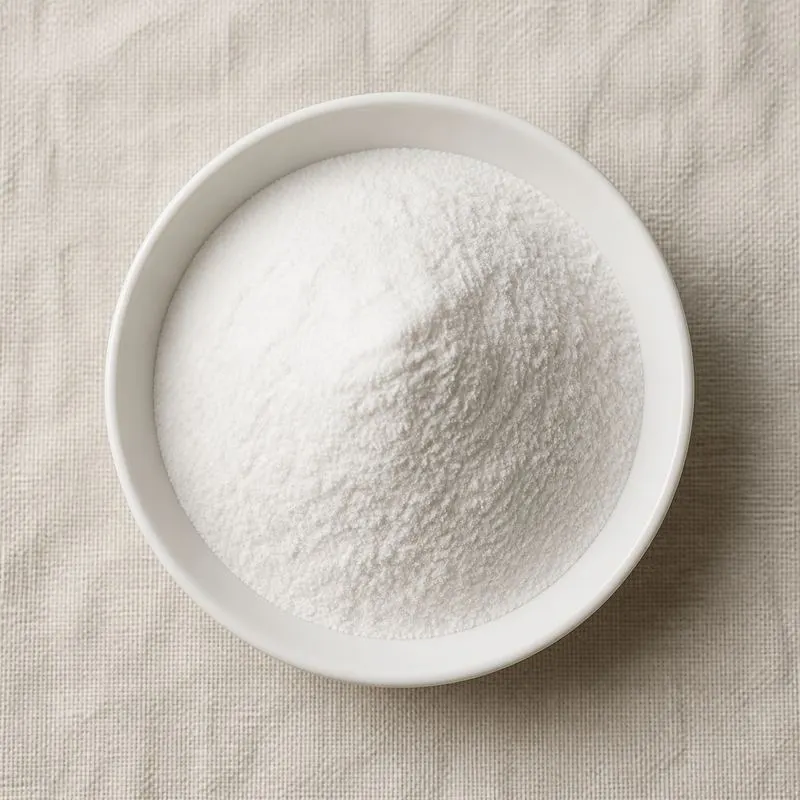
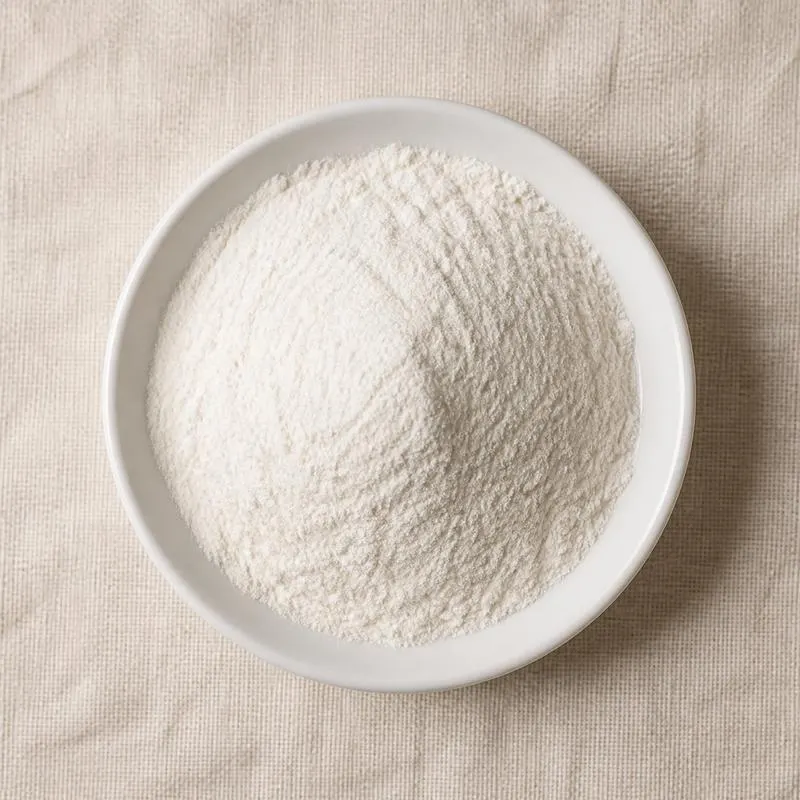
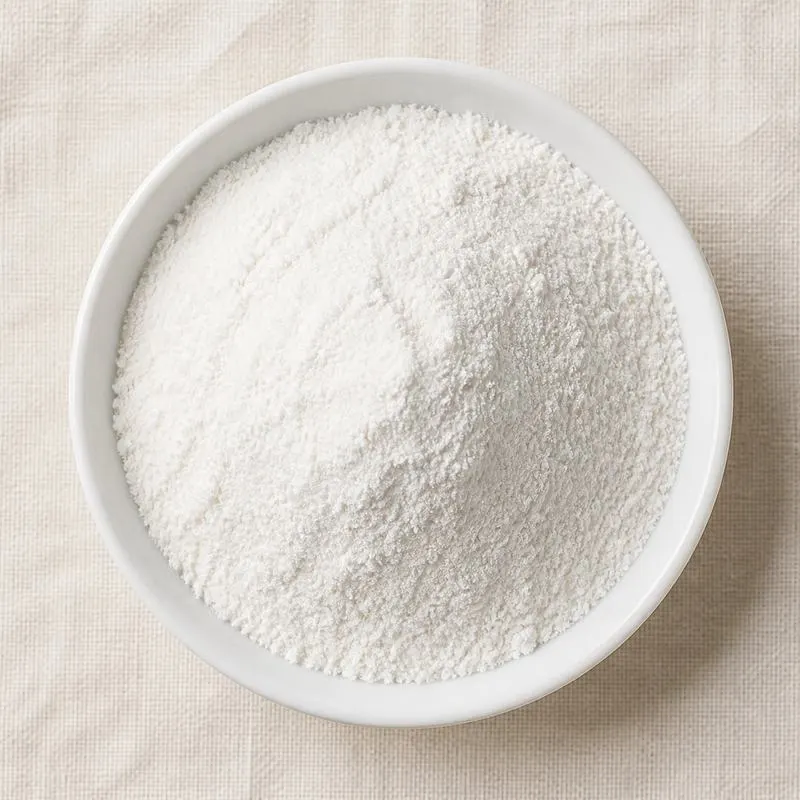
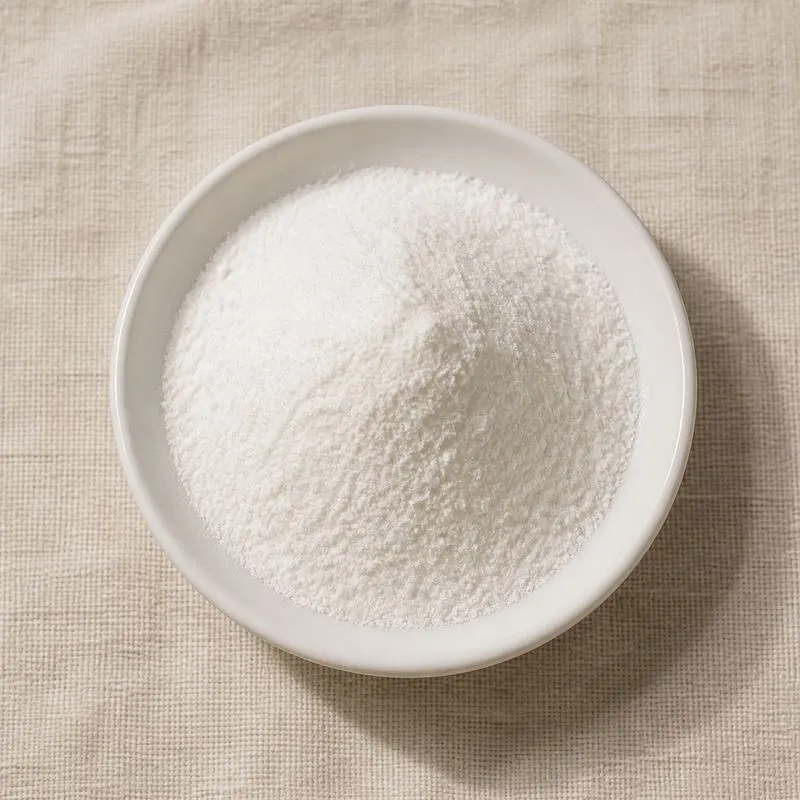
It trades as a white crystalline or spray dried powder and as a concentrated syrup. Solubility in water is high, solutions are low in viscosity and colourless, and the material tolerates pasteurisation at neutral pH. As with all beta-2,1 fructans, hot acid conditions hydrolyse it toward free fructose and glucose, which sets the limit for its use in acidified beverages.
We source bulk Kestose from top China manufacturers for our partners. The manufacturer is in Shandong. A smaller requirement can ship in a combined container with other ingredients.
Please send the grade you need, the volume and your destination port, and we will come back with a solution and a price.
or call +86-21-6858 0751
- Function
- Dietary Fibres
Specifications
| Item | Specification |
|---|---|
| Appearance | White to off white crystalline powder |
| Odour and Taste | Odourless, mildly sweet |
| 1-Kestose (dry basis) | ≥ 90.0% |
| Nystose (dry basis) | ≤ 6.0% |
| Glucose, Fructose and Sucrose | ≤ 5.0% |
| Loss on Drying | ≤ 5.0% |
| pH (10% solution) | 4.5 - 7.0 |
| Residue on Ignition | ≤ 0.3% |
| Lead | ≤ 0.5 mg/kg |
| Arsenic | ≤ 0.5 mg/kg |
| Total Plate Count | ≤ 1,000 cfu/g |
| Yeast and Mould | ≤ 50 cfu/g |
| E. coli / Salmonella | Absent in 25 g |
Common Markets Grades
Kestose is traded principally as a high purity powder, with 1-kestose content specified at 90 percent or above on dry solids and the balance made up of nystose, sucrose, glucose and fructose. A lower purity grade in the 55 to 70 percent range is also sold, and at that level the material overlaps commercially with a short chain fructooligosaccharide syrup enriched in the trisaccharide.
Syrup at around 75 percent dry substance and spray dried powder are the two physical forms. Because the powder is hygroscopic it is packed with a desiccant liner and is sometimes offered agglomerated to improve dispersion in dry blends. Where the buyer is formulating a supplement, the specification usually names the individual sugar profile rather than a single total fructan figure.
Applications
- Prebiotic supplements in capsule, sachet and tablet form, where a defined single oligosaccharide is preferred to a mixture
- Synbiotic products, where it is paired with a bifidobacteria strain as the fermentable substrate
- Infant and toddler nutrition, where the short chain length gives rapid fermentation at low osmotic load
- Yoghurt and cultured drinks, added after fermentation so the trisaccharide reaches the consumer intact
- Functional beverages at neutral pH, where high solubility and low viscosity allow addition without body change
- Sugar reduced confectionery and chocolate, where it contributes bulk and mild sweetness
- Nutritional powders for older adults, where a low dose fermentable carbohydrate is used
- Bakery applications, where it also participates in browning reactions during the bake
China Manufacturers of Kestose
Top Kestose manufacturers in China.

Company names and logos are the property of the manufacturers themselves. They are listed here because our own directory records them as producing this ingredient. A listing is not an endorsement by them, and we do not represent them or speak on their behalf.
Regulatory Status
In the United States 1-kestose has been the subject of a generally recognised as safe notification to the Food and Drug Administration covering defined food uses, to which the agency responded without objection. As an inulin type fructan it belongs to the group of isolated non-digestible carbohydrates the agency has accepted for the dietary fibre declaration, and manufacturers rely on the terms of their own submission for the specific preparation.
In the European Union kestose is not a food additive and carries no E number. A purified single oligosaccharide of this kind is assessed under the novel food framework unless it forms part of a fructooligosaccharide preparation with an established history of use, so lawful marketing depends on the status of the particular material. No Codex commodity standard or JECFA additive specification applies.
Manufacturing Process
Kestose is made from sucrose by the same transfructosylation chemistry that produces fructooligosaccharide, but with the reaction and the separation tuned to favour the trisaccharide. A concentrated sucrose solution is contacted with a fructosyltransferase from Aspergillus or Aureobasidium, often immobilised in a packed bed column so that residence time can be controlled precisely. Because 1-kestose is an intermediate that is consumed as the reaction proceeds to nystose, the conversion is held short and stopped while the trisaccharide is at its maximum.
The liquor is filtered, decolourised on activated carbon and demineralised on ion exchange resin. Isolating a single species then requires a separation step that a general fructooligosaccharide line does not need: simulated moving bed chromatography, sometimes followed by a second pass or by crystallisation, cuts glucose, fructose and unreacted sucrose from the front of the profile and nystose and longer fructans from the back. The kestose fraction is concentrated under vacuum and spray dried or crystallised, then dried and packed under low humidity.