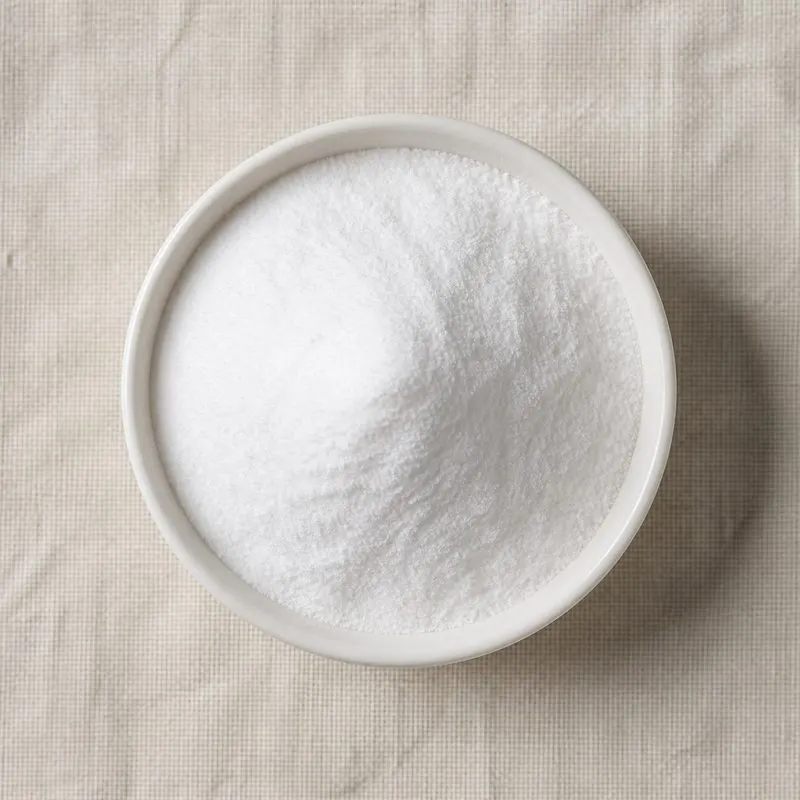
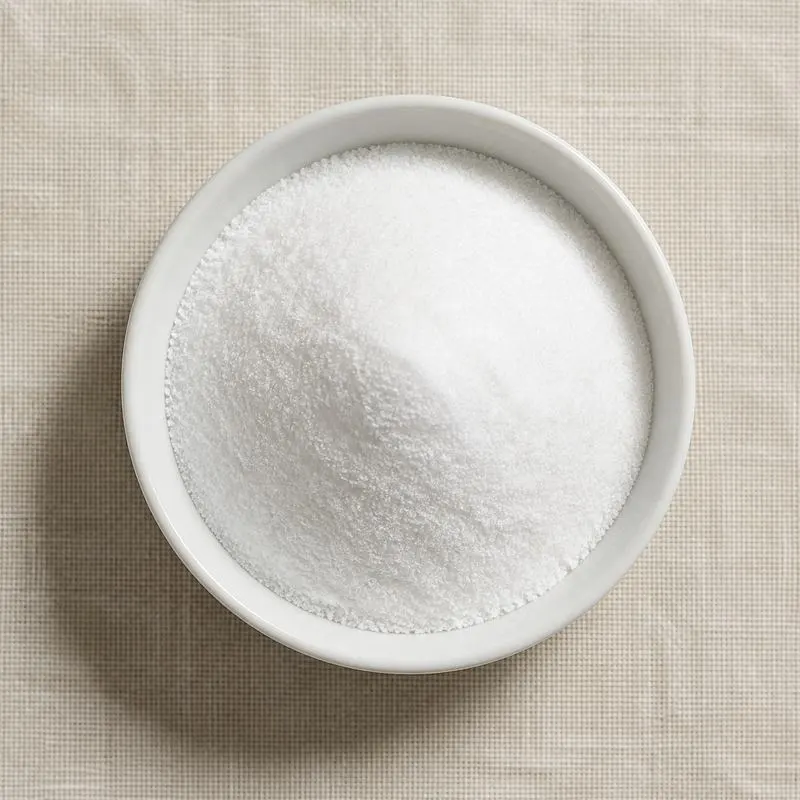
Fructose
Fructose is a ketohexose monosaccharide with the formula C₆H₁₂O₆ and a molar mass of 180.16 g/mol. The naturally occurring enantiomer is D-fructose, which is also called fruit sugar or levulose because of its strong negative optical rotation.
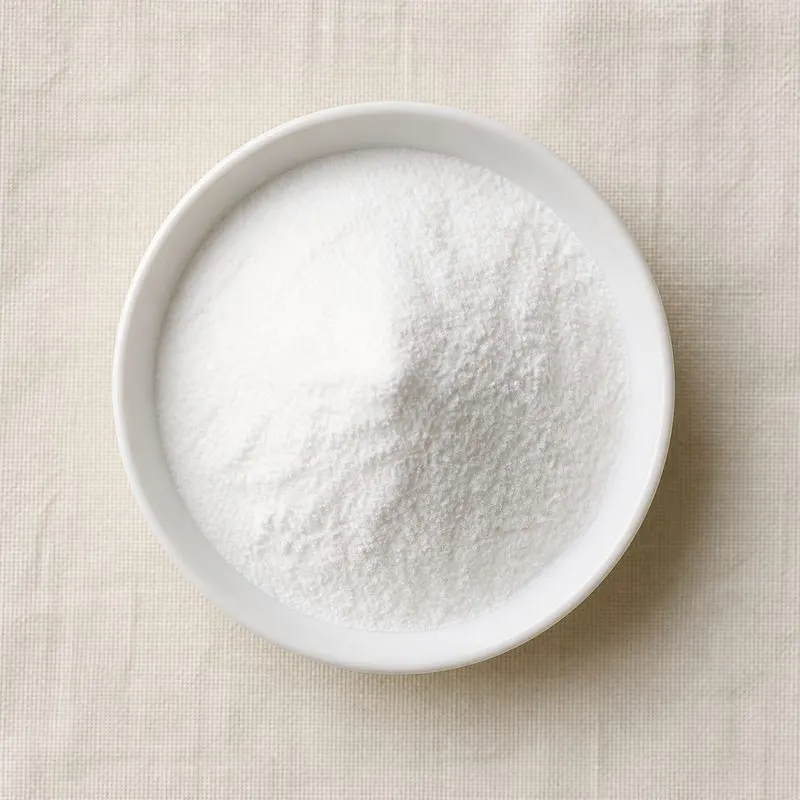
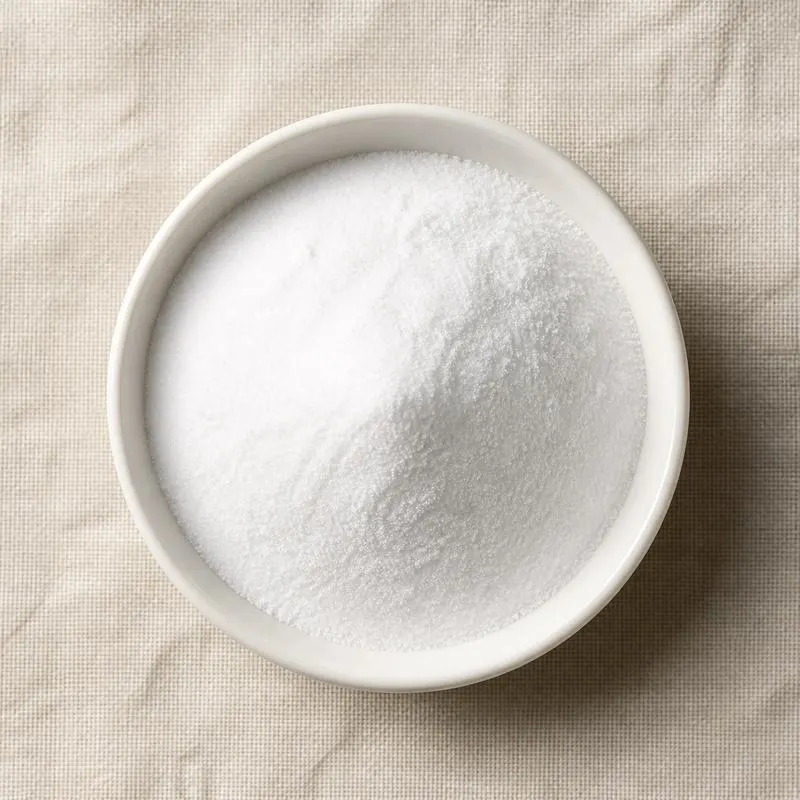
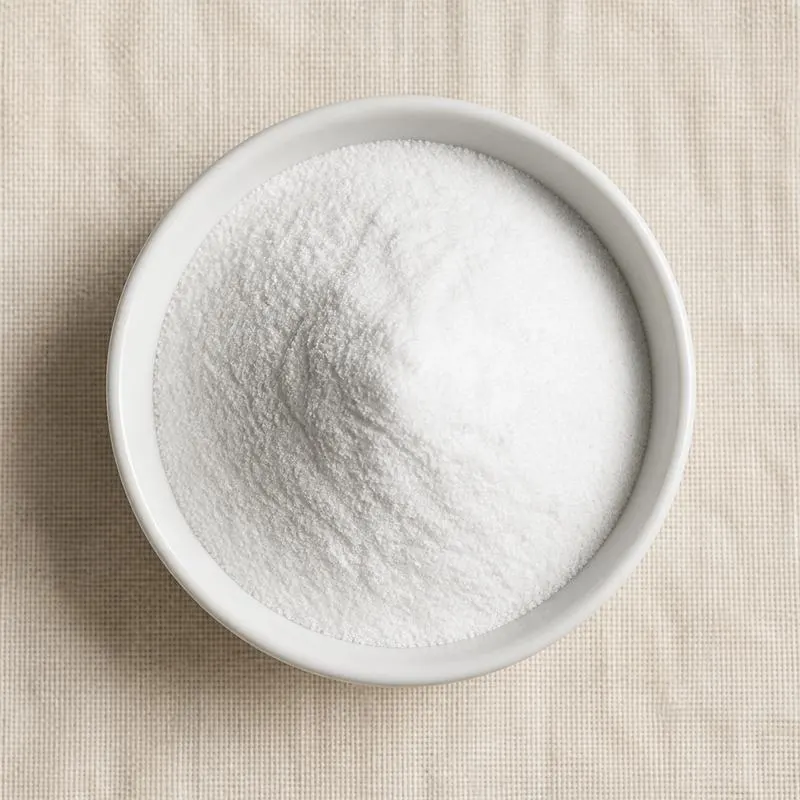
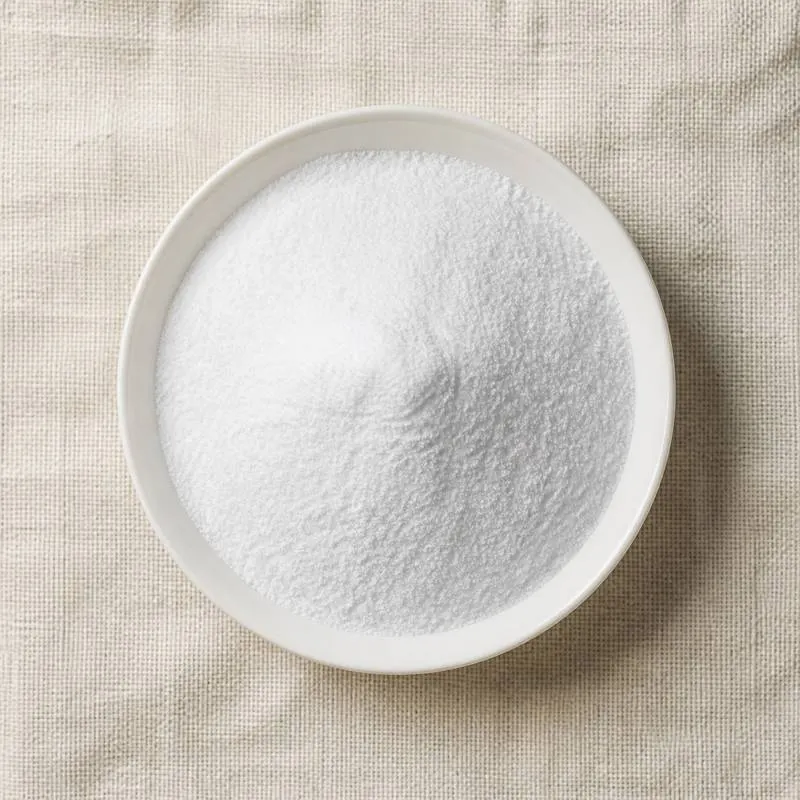
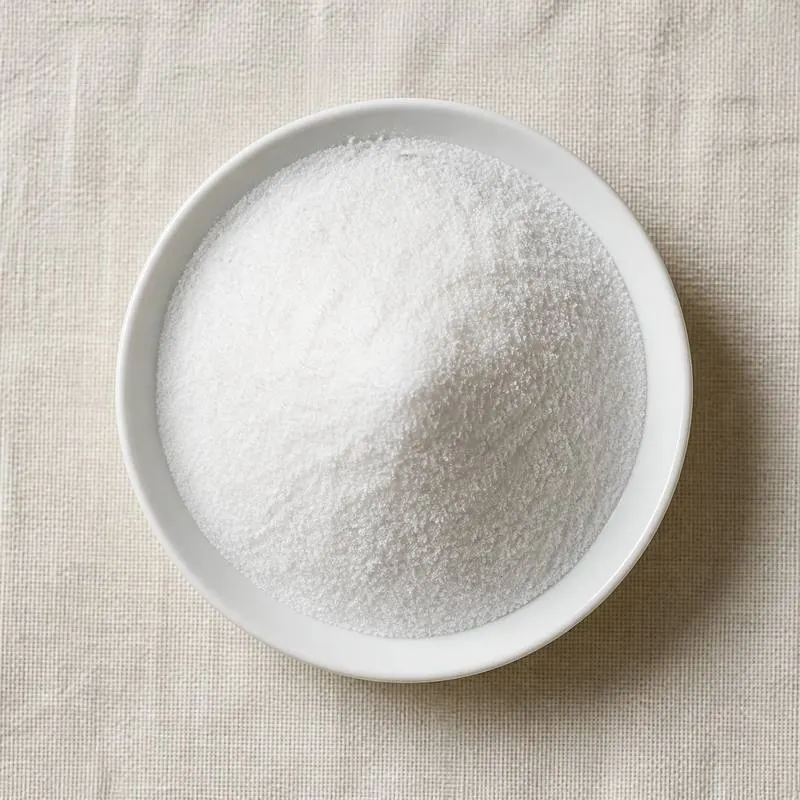
This entry covers the solid form, sold as a white crystalline powder or granular sweetener. Fructose is the sweetest of the common natural sugars, perceived at roughly 1.7 times the intensity of sucrose at low concentrations and in cold solutions.
We source bulk Fructose from top China manufacturers for our partners. The manufacturers are in Henan and Jiangsu. For this ingredient the minimum order is 3,000 kg and a 20-foot container takes 25 MT, and a smaller requirement can ship in a combined container with other ingredients.
Please send the grade you need, the volume and your destination port, and we will come back with a solution and a price.
or call +86-21-6858 0751
- Minimum order
- 3,000 kg
- Qty in 20' FCL
- 25 MT
- Packaging
- 25 kg kraft paper bag with PE inner liner
- ISO 9001
- HACCP
- Halal
- Kosher
Specifications
| Item | Specification |
|---|---|
| Appearance | White crystalline powder |
| Assay (Fructose, dry basis) | ≥ 98.0% |
| Specific Rotation [α]D²⁰ | -88.0° to -92.5° |
| Loss on Drying | ≤ 0.5% |
| Residue on Ignition | ≤ 0.1% |
| Heavy Metals (as Pb) | ≤ 0.5 ppm |
| pH (10% solution) | 4.0–7.0 |
| Total Plate Count | ≤ 100 CFU/g |
| Assay/Purity | ≥ 98% |
| Moisture | ≤ 0.5% |
| Lead | ≤ 0.5 ppm |
| Arsenic | ≤ 0.5 ppm |
| Yeast & Mold | ≤ 100 cfu/g |
| E.Coli | Negative |
| Salmonella | Negative |
| Sweetness | 70% of sucrose |
| Solubility | Soluble in water |
Common Markets Grades
Solid Fructose is graded across a range of purity levels.
Standard food grade typically assays at 98 percent or higher, with the remainder being residual glucose and oligosaccharides from the conversion step. This grade is the standard article for bakery, beverage, and confectionery use.
High-purity grade reaches 99 percent and is preferred for pharmaceutical syrups, dietetic foods, and applications where flavour neutrality is important. Crystalline fructose at 99.5 percent or higher is sold under a separate specification.
Particle size grades include fine powder for dry blends, regular crystal for tabletop and bulk handling, and coarse granular for direct compression. Loss on drying is normally below 0.5 percent, and the product is mildly hygroscopic.
Applications
- Reduced-calorie and reduced-sugar beverages where high sweetness intensity allows lower use levels
- Bakery products to enhance browning and surface colour through the Maillard reaction
- Dietetic and diabetic-positioned foods as a lower-glycemic-index sweetener relative to glucose
- Dairy desserts, yogurts, and cultured drinks for cold sweetness intensity
- Sports nutrition formulas, often paired with glucose for combined transporter uptake
- Frozen desserts and sorbets for freezing-point depression and improved scoop texture
- Confectionery: hard candy, fondants, and chocolate fillings where sweetness boost is needed
- Pharmaceutical syrups and chewable tablets as a sucrose-compatible vehicle
- Jams, preserves, and fruit fillings to reinforce fruit flavour notes
- Tabletop sweetener for cold beverages, where its sweetness advantage is highest
- Functional foods such as oral rehydration solutions and clinical nutrition powders
Brands Using Fructose
Widely-distributed consumer products that list Fructose on the ingredient label.
- NOW FoodsNOW Real Food Fructose (Pure Crystalline) ↗Single ingredient: pure crystalline fructose; sold as a sugar substitute for baking and beveragesLabel verified 2026-05-24
- Coca-Cola (Glaceau)vitaminwater (e.g., XXX, Focus, Power-C) ↗Ingredient panel lists 'crystalline fructose' (pure fructose) as #2 ingredient after waterLabel verified 2026-05-24
- INFINIT NutritionINFINIT Premium Fructose Fuel (Endurance Drink Mix) ↗Ingredient panel includes 'crystalline fructose' alongside maltodextrin and cane sugarLabel verified 2026-05-24
Brand names, product names and logos are the property of their owners. They appear here as published evidence that the ingredient is used, taken from the brand's own label or website. Their appearance is not an endorsement, and it does not mean the brand buys from us or from any manufacturer listed on this site.
China Manufacturers of Fructose
Top Fructose manufacturers in China.
 Henan Feitian Biotechnology Co., Ltd.11 ingredients in the directory
 Nanjing Jiayi Sunway Chemical Co., Ltd.2 ingredients in the directory
Company names and logos are the property of the manufacturers themselves. They are listed here because our own directory records them as producing this ingredient. A listing is not an endorsement by them, and we do not represent them or speak on their behalf.
How We Help Source Fructose
Direct Factory Sourcing
We run the whole process: selecting the manufacturer from the top Chinese food ingredient producers, negotiating the price, verifying quality, and coordinating the logistics. You deal with us instead of with several factories at once.
Original Packaging and Documents from the Manufacturer
The manufacturer sends your Fructose out of its own factory in the original packing, through to your destination port. The COA, COO, MSDS, TDS and any certifications reach you from the manufacturer as well.
Free Samples and Lead Time
We send 100 to 500 g free for your own laboratory to test and you cover only the courier, usually within 2 to 3 working days. ETD is usually within 7 to 15 days once the order is confirmed, and we check that date against the factory's own manufacturing schedule before we give it to you.
Combined Shipment
We can load Fructose together with other ingredients such as Stevia, Erythritol and Maltitol into one 20' FCL. If your quantity is small, we can also ship LCL.
Regulatory Status
Fructose is treated as a normal dietary sugar in essentially every regulated market.
It has no E number in the European Union, where it is governed by general sugar legislation rather than additive law. The U.S. Food and Drug Administration recognises fructose as GRAS under 21 CFR 184.1866 (fructose) when used as a nutritive sweetener.
JECFA has not set a numerical intake limit. Pharmacopoeial monographs for fructose appear in the USP-NF, Ph. Eur., and JP, with the latter two distinguishing it from crystalline fructose by purity specification.
Halal, Kosher, vegan, and non-GMO certifications are widely available depending on the starch feedstock. Pharmaceutical-grade material destined for parenteral use is produced under cGMP with appropriate DMF support.
Manufacturing Process
Solid Fructose is produced today almost exclusively by enzymatic isomerisation of glucose.
Refined glucose syrup at 95 percent or higher dextrose, derived from starch saccharification, is passed through fixed-bed columns of immobilized glucose isomerase. The enzyme converts a portion of glucose to fructose, yielding an equilibrium mixture of about 42 percent fructose.
To reach the higher fructose levels needed for crystallisation, the mixture is enriched on cation-exchange chromatography columns operated in calcium form. The chromatographic step separates fructose from glucose to give a stream at 90 percent or higher fructose.
The enriched stream is decolorised, demineralized, and concentrated. Crystallisation is induced by cooling under controlled seeding, and the crystals are recovered by centrifugation, washed, and dried. Mother liquor returns to the chromatography step for further enrichment.