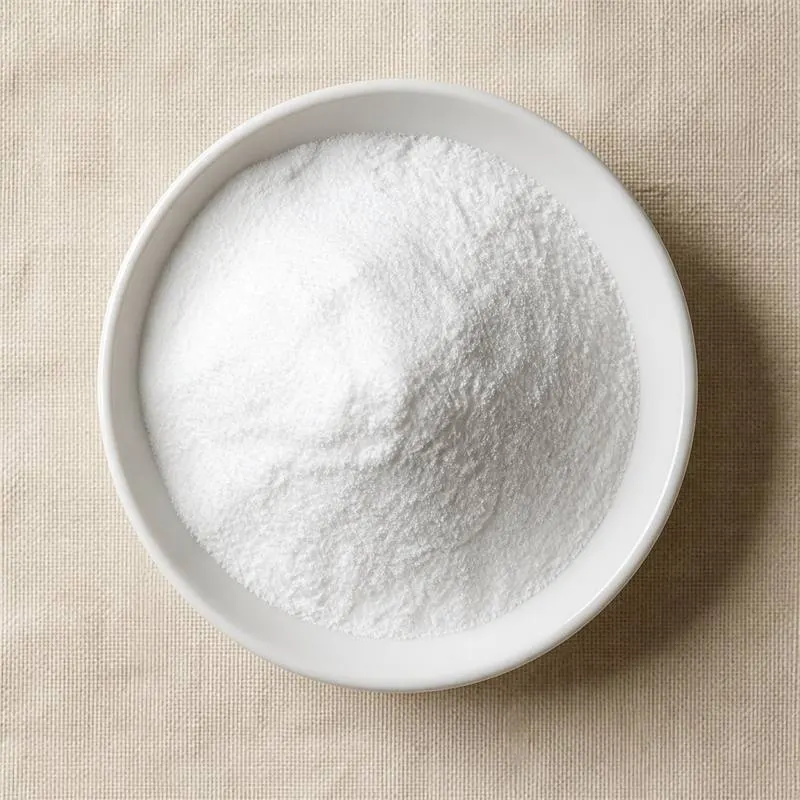
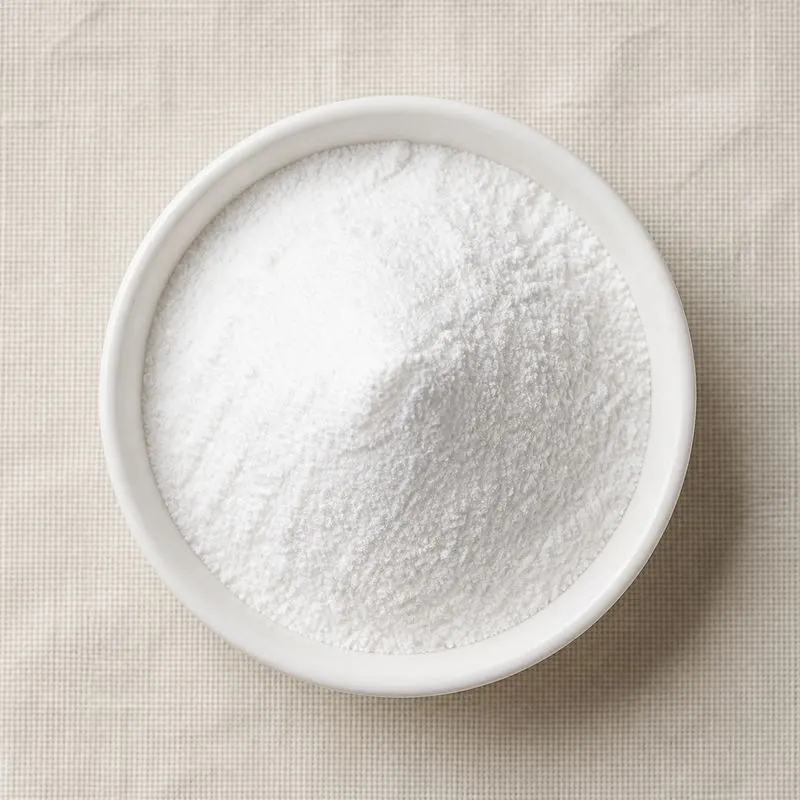
L-Asparagine
L-asparagine is the amide of L-aspartic acid, a neutral proteinogenic amino acid of formula C4H8N2O3, and was the first amino acid ever isolated, obtained from asparagus juice at the beginning of the nineteenth century. It is classed as non essential, since the body forms it readily from aspartic acid and glutamine, and it is abundant in plant tissue, notably in potato, cereals and legumes.
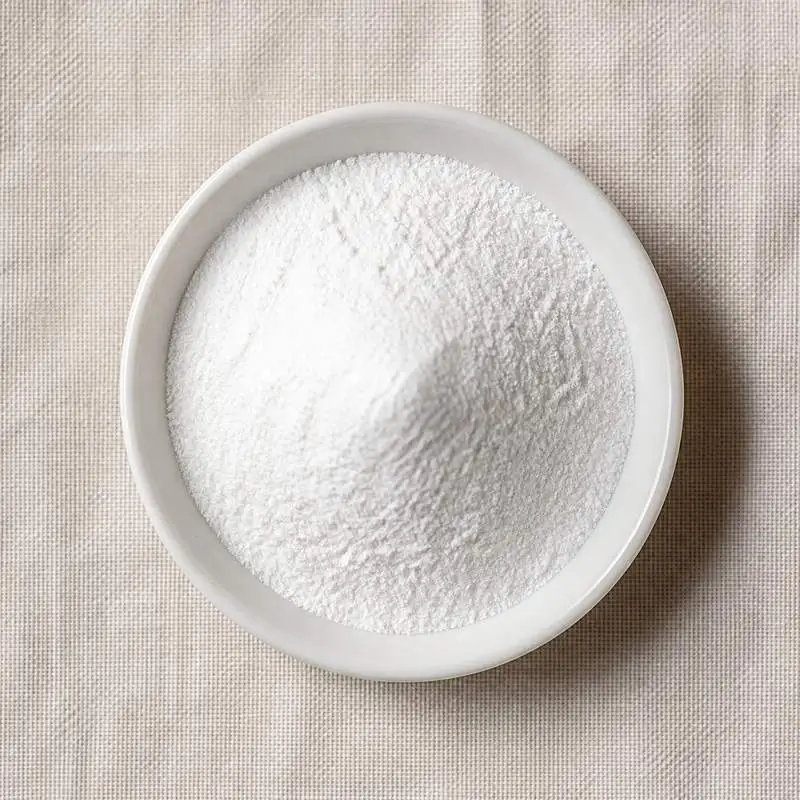
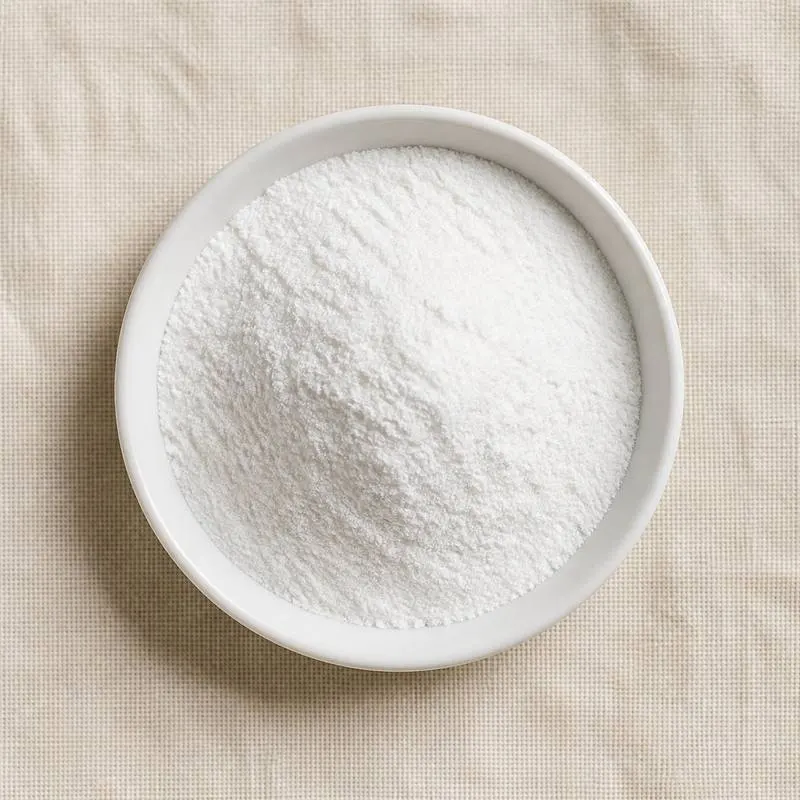
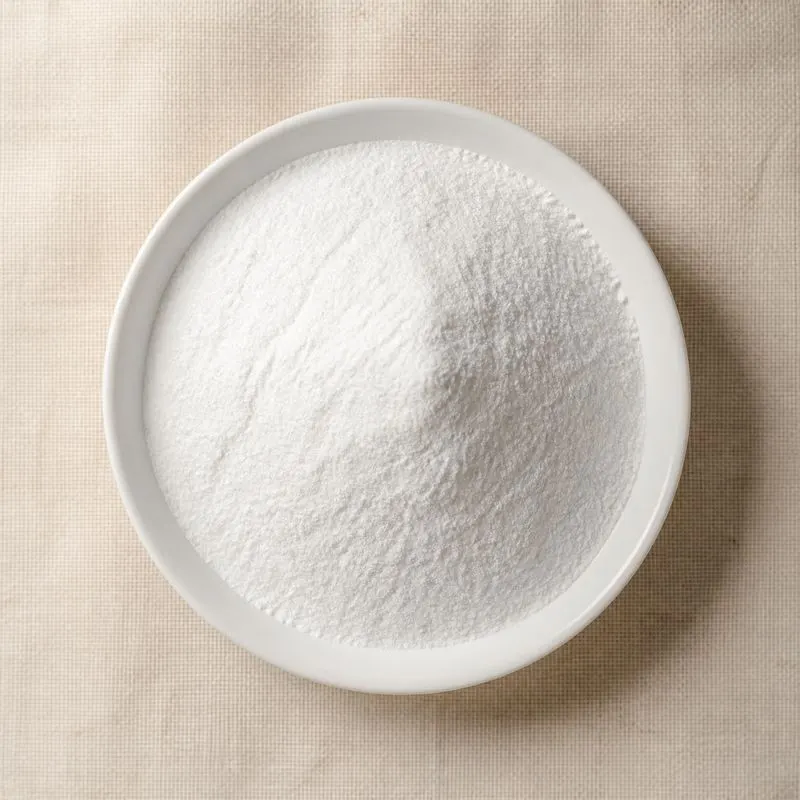
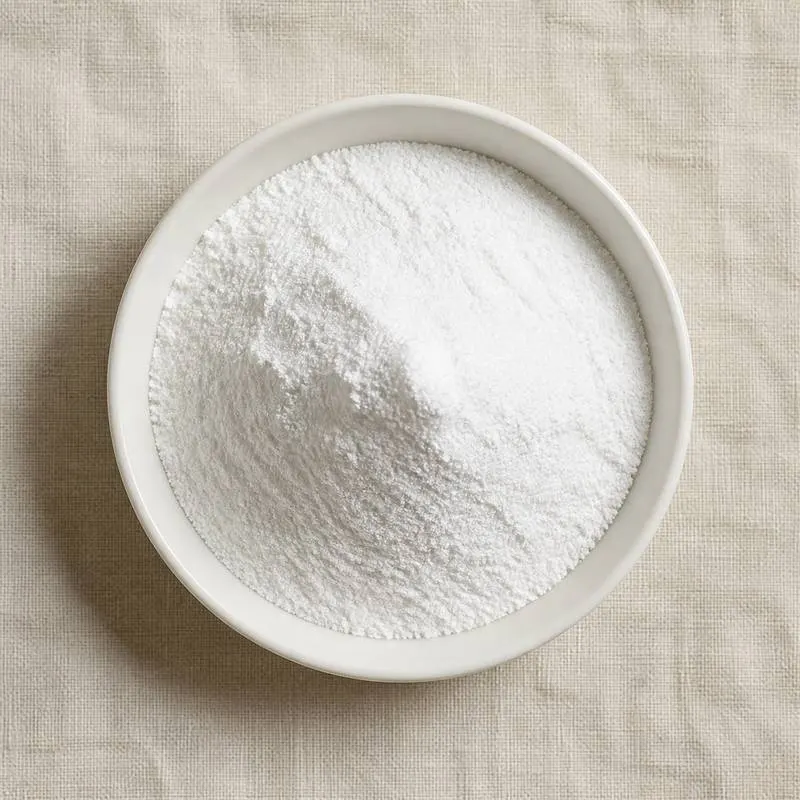
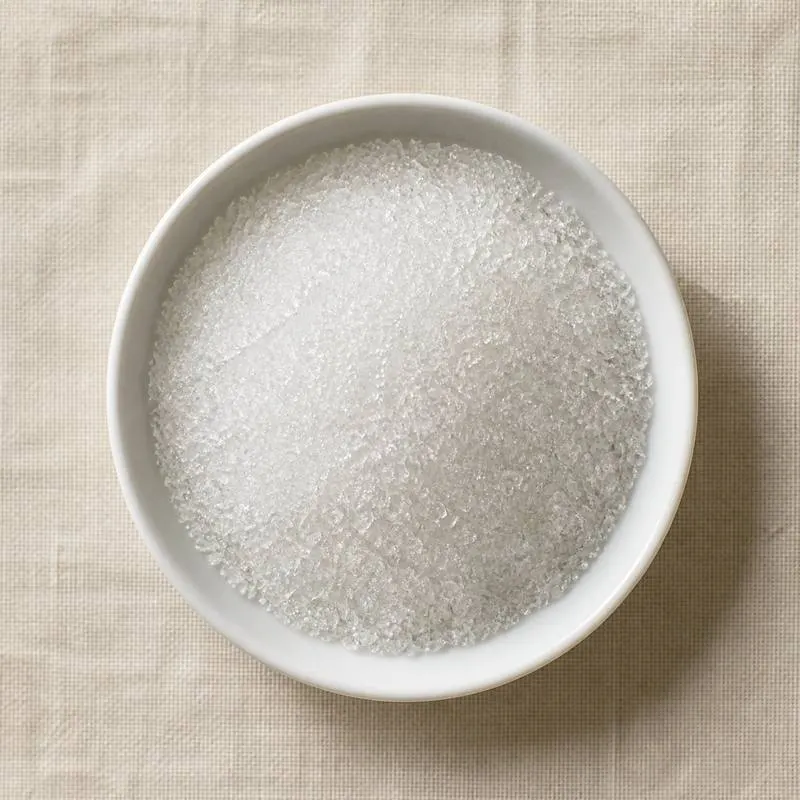
The commercial substance is normally the monohydrate, sold as white crystals or a white crystalline powder, odourless with a faintly sweet taste in the L form. It is only sparingly soluble in cold water, around 2 to 3 grams per 100 millilitres, more soluble in hot water and in dilute acid or alkali, and practically insoluble in ethanol and ether. A saturated solution is close to neutral.
The side chain amide is the reactive part of the molecule. It hydrolyses slowly to aspartic acid and ammonia in solution, more quickly on heating and away from neutral pH, and above about 120 degrees Celsius in the presence of reducing sugars it reacts through the Maillard pathway to form acrylamide. That reaction, rather than any nutritional property, is why asparagine matters commercially in food, and it is the reason the enzyme asparaginase is dosed into potato and cereal products to remove the amino acid before frying or baking.
We source bulk L-Asparagine from top China manufacturers for our partners. The manufacturer is in Jiangsu. A smaller requirement can ship in a combined container with other ingredients.
Please send the grade you need, the volume and your destination port, and we will come back with a solution and a price.
or call +86-21-6858 0751
- Function
- Amino acid
Specifications
| Item | Specification |
|---|---|
| Appearance | White crystals or white crystalline powder |
| Identification | Infrared spectrum conforms to reference; thin layer chromatography conforms |
| Assay, anhydrous basis | 98.5 to 101.5% |
| Water of crystallisation, monohydrate | 10.7 to 12.4% |
| Optical rotation | Conforms to reference standard for the L configuration |
| pH, saturated aqueous solution | 5.0 to 7.0 |
| Residue on ignition | Not more than 0.1% |
| Chloride, as Cl | Not more than 0.02% |
| Sulphate, as SO4 | Not more than 0.02% |
| Other amino acids | Not detected by thin layer chromatography |
| Arsenic, as As | Not more than 1 mg/kg |
| Lead, as Pb | Not more than 1 mg/kg |
| Total plate count | Not more than 1,000 cfu/g |
| Salmonella | Absent in 25 g |
Common Markets Grades
Food and supplement grade L-asparagine monohydrate is specified at 98.5 to 101.5 percent on the anhydrous basis, with the water of crystallisation declared at around 11 to 12 percent, and comes as a fine to standard crystalline powder. The anhydrous form is also produced but is less common in trade, and the two are not interchangeable by weight because of the water content difference, so the certificate must be read to confirm which form it is.
Pharmaceutical and cell culture grades are made against pharmacopoeia monographs with tighter limits on related amino acids, ammonium, bacterial endotoxin and trace metals, and account for much of the demand, since the amino acid is a standard nitrogen source in microbiological and mammalian cell media. Reagent and laboratory grades sell in small pack sizes for analytical use. The D isomer and the racemate are separate articles used almost entirely in research and in chemical synthesis, and material offered simply as asparagine should be checked for which isomer is meant.
Applications
- Microbiological culture media, where it is a standard soluble nitrogen and carbon source for bacterial and fungal growth
- Mammalian cell culture media, where it is a component of defined formulations for antibody and vaccine production
- Fermentation media in industrial biotechnology, where it supports growth of production strains
- Amino acid infusion and parenteral nutrition solutions, using pharmaceutical grade material
- Amino acid supplement blends, where it is included as a non essential component of a complete profile
- Reference standards and analytical work, including the calibration of asparagine assays in acrylamide mitigation studies
- Flavour research and model Maillard systems, where it is the precursor studied in the formation of acrylamide and of roasted aroma compounds
- Substrate for enzyme production and assay, particularly for asparaginase used in food processing and in medicine
- Plant tissue culture media, where it serves as an organic nitrogen source
China Manufacturers of L-Asparagine
Top L-Asparagine manufacturers in China.

Company names and logos are the property of the manufacturers themselves. They are listed here because our own directory records them as producing this ingredient. A listing is not an endorsement by them, and we do not represent them or speak on their behalf.
Regulatory Status
In the United States L-asparagine is used as a dietary ingredient in supplements under the Dietary Supplement Health and Education Act and as a component of pharmaceutical and cell culture products. It is not among the amino acids named in the food additive regulation at 21 CFR 172.320, which lists the amino acids that may be added to conventional food for nutritive purposes, so it is not added to ordinary foods on that basis. Where asparagine matters in food regulation it is as a naturally present precursor rather than as an added ingredient, and the regulatory attention falls on acrylamide in the finished food and on the guidance issued to industry for reducing it.
In the European Union L-asparagine is not an authorised food additive and has no E number. Directive 2002/46/EC as amended governs its use as a source in food supplements, alongside national rules on substances with a nutritional or physiological effect. The substance appears in Union law chiefly through the acrylamide framework, Regulation (EU) 2017/2158, which requires food business operators to apply mitigation measures in products where the reaction between asparagine and reducing sugars generates acrylamide during frying, roasting and baking. Codex has adopted a code of practice on the same subject. Neither Codex nor JECFA has set specifications for the amino acid as an added food ingredient.
Manufacturing Process
The historical route was extraction from plant material, from asparagus, lupin seedlings or vetch, and it is no longer economic at scale. Modern production is either by fermentation or by chemical amidation of aspartic acid, and both start from feedstocks made by the same industry.
The fermentation route runs a glucose syrup from hydrolysed maize or cassava starch in stirred, aerated fermenters with an ammonium nitrogen source, using Corynebacterium or Escherichia coli strains engineered to accumulate the amide rather than carry it into protein synthesis. The chemical route begins with L-aspartic acid, itself made by adding ammonia across fumaric acid over immobilised aspartase. The aspartic acid is converted to a diester, and the beta ester is selectively amidated with ammonia in alcohol at low temperature, then the remaining ester is hydrolysed under mild conditions, which preserves the stereochemistry set in the enzymatic step. In either route the crude solution is clarified, and the amino acid is captured on ion exchange resin, eluted, decolourised over activated carbon and concentrated under vacuum at moderate temperature, since heat drives hydrolysis of the amide back to aspartic acid and ammonia. Crystallisation is by cooling, and the monohydrate is obtained by controlling the water activity of the crystallising liquor. Crystals are centrifuged, washed, dried under vacuum or in a low temperature fluid bed, milled and sieved to the target cut, and packed.