L-Aspartic Acid
L-Aspartic Acid is an acidic α-amino acid with the formula C₄H₇NO₄ and a molar mass of 133.10 g/mol. The carboxylic acid on its side chain is fully deprotonated at physiological pH, giving the molecule a net negative charge and placing it alongside L-glutamic acid in the acidic class of proteinogenic amino acids.
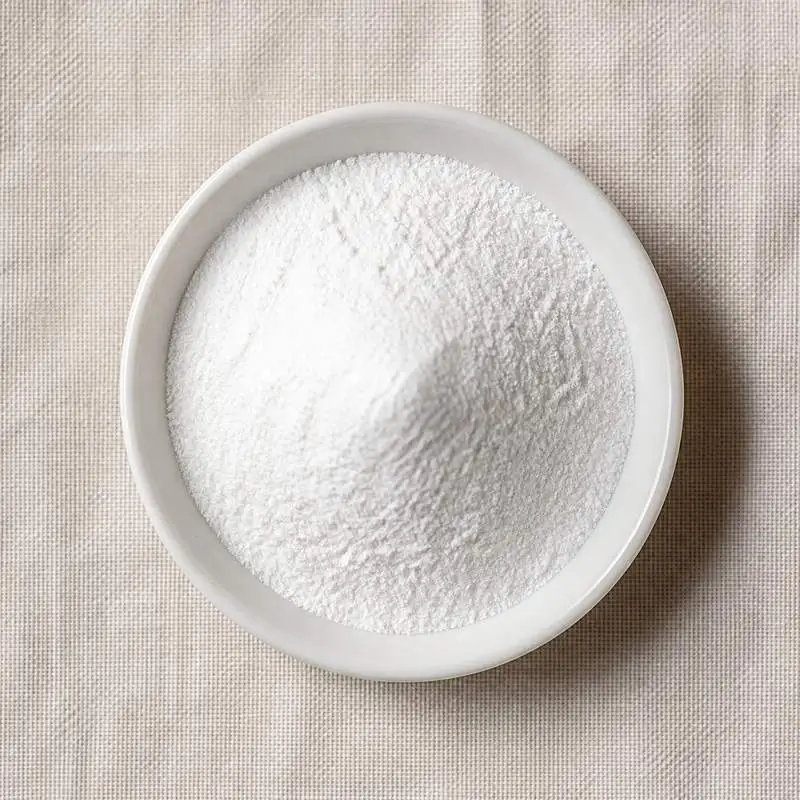
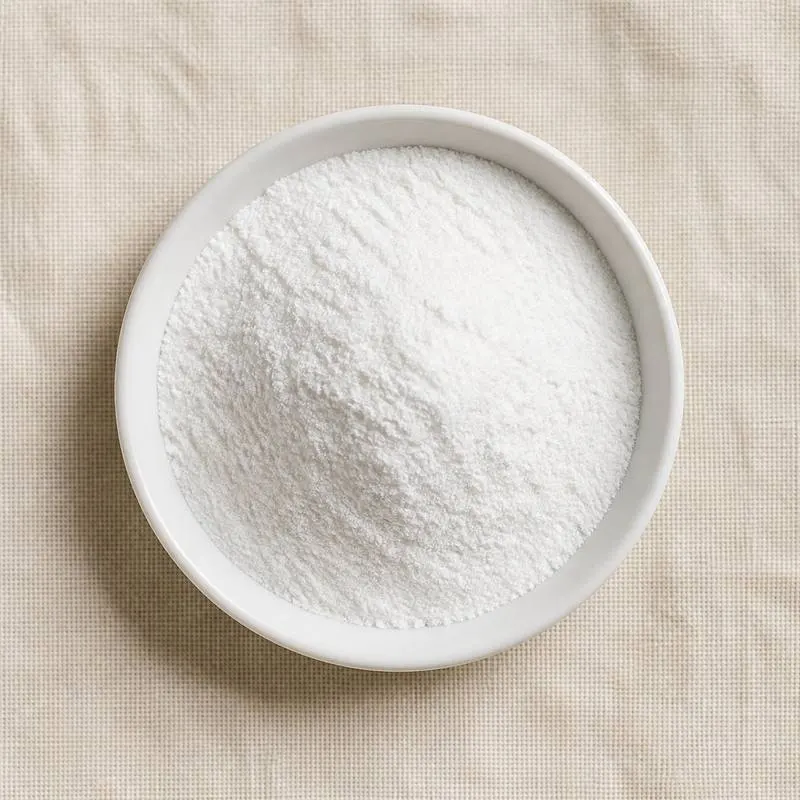
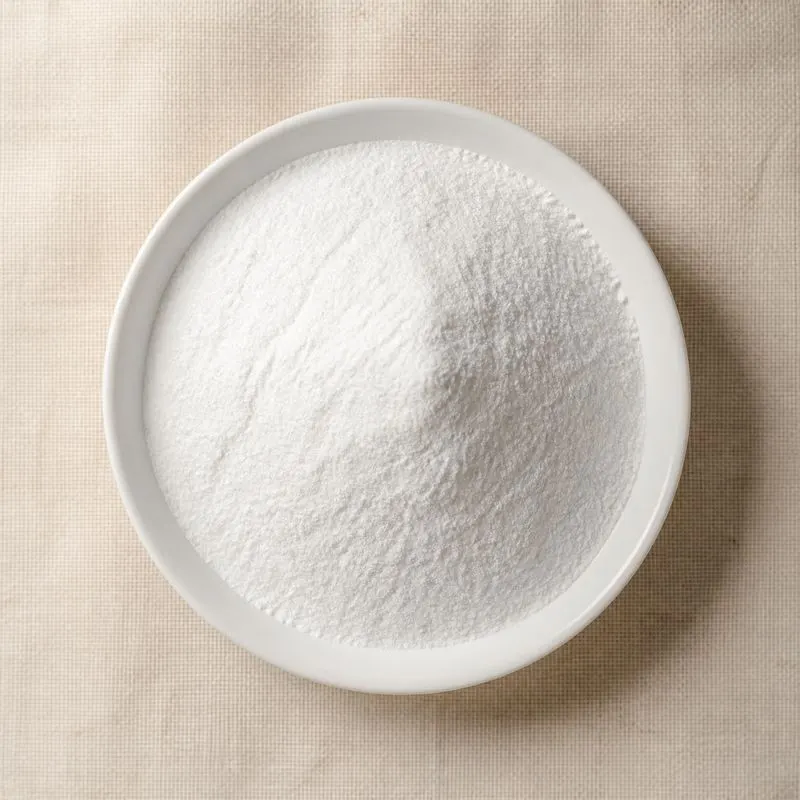
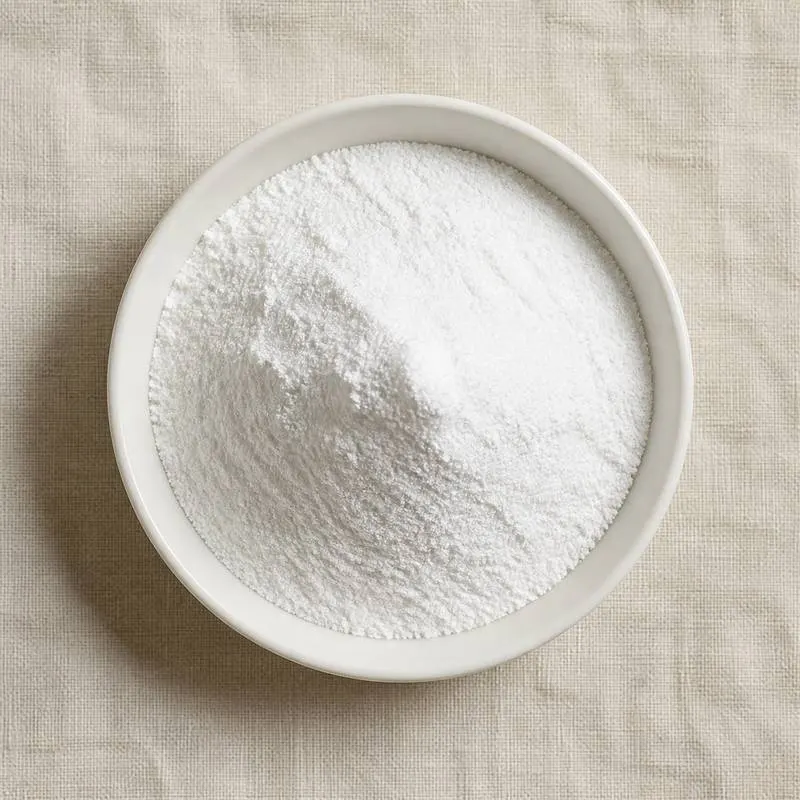
The white crystalline powder has limited cold-water solubility and a faintly sour taste. It is best known to the food industry as one of the two amino-acid building blocks of the high-intensity sweetener aspartame.
We source bulk L-Aspartic Acid from top China manufacturers for our partners, working with several of them. The manufacturers are mostly in Anhui, Hebei and Shandong. For this ingredient the minimum order is 500 kg, and a smaller requirement can ship in a combined container with other ingredients.
Please send the grade you need, the volume and your destination port, and we will come back with a solution and a price.
or call +86-21-6858 0751
- Minimum order
- 500 kg
- Packaging
- 25 kg kraft paper bag with PE inner liner
- ISO 9001
- HACCP
- Halal
- Kosher
Specifications
| Item | Specification |
|---|---|
| Appearance | White crystalline powder |
| Assay | ≥98.5% |
| Specific Rotation [α]D20 | +24.0° to +26.0° |
| Loss on Drying | ≤0.5% |
| Residue on Ignition | ≤0.1% |
| pH (1% solution) | 2.5–3.5 |
| Heavy Metals (as Pb) | ≤10 ppm |
| Arsenic | ≤1 ppm |
| Chloride | ≤0.02% |
| Total Plate Count | ≤1000 CFU/g |
Common Markets Grades
Four grade families cover L-Aspartic Acid: food, pharmaceutical, technical, and salt forms.
Food grade L-aspartic acid meets the FCC monograph at 98.5 to 101.5 percent assay on the dried basis. Particle size and bulk density are tuned for either dry-blend use or as a starting material for aspartame manufacture.
Pharmaceutical grade material conforms to USP, Ph. Eur., and JP monographs, with tight limits on chloride, sulphate, heavy metals, and other amino acids. It is used in oral and parenteral preparations and as a counterion in mineral-aspartate supplements.
Salt-form grades include calcium L-aspartate, magnesium L-aspartate, potassium L-aspartate, and zinc L-aspartate. These are used in mineral fortification, supplement formulation, and cardiology products. Technical grade L-aspartic acid serves as a monomer for biodegradable polyaspartates used in water treatment and detergents.
Applications
- Building block for the high-intensity sweetener aspartame, in combination with L-phenylalanine methyl ester
- Souring and refreshing-note agent in beverages and confectionery flavour systems
- Mineral-aspartate salts (calcium, magnesium, potassium, zinc) for dietary supplement formulation
- Component of oral rehydration formulas and electrolyte powders
- Nutritional fortification of clinical-nutrition products for hepatic and metabolic support
- Substrate for the synthesis of L-alanine via enzymatic decarboxylation
- Starting material for L-aspartame, dipeptide flavour enhancers, and chiral pharmaceutical intermediates
- Monomer for polyaspartate dispersants and antiscalants in water treatment
- Biodegradable chelating agents that substitute for EDTA in detergents and personal-care products
- Cell-culture and fermentation media for biopharmaceutical manufacture
- Reagent in peptide synthesis and protein chemistry research
- Animal feed supplement in piglet starter diets and aquaculture formulations
Brands Using L-Aspartic Acid
Widely-distributed consumer products that list L-Aspartic Acid on the ingredient label.
- Source NaturalsL-Aspartic Acid Powder ↗A free-form L-aspartic acid powder supplying 1.9 g per half teaspoon.Label verified 2026-05-24
- Vital ProteinsCollagen Peptides (Unflavored) ↗Vital Proteins Collagen Peptides supplies aspartic acid as one of the 18 amino acids naturally present in hydrolysed bovine collagen.Label verified 2026-05-24
- Ancient NutritionMulti Collagen Protein ↗Ancient Nutrition's Multi Collagen Protein amino acid panel includes aspartic acid as one of the amino acids supplied by the multi-source hydrolysed collagen blend.Label verified 2026-05-24
Brand names, product names and logos are the property of their owners. They appear here as published evidence that the ingredient is used, taken from the brand's own label or website. Their appearance is not an endorsement, and it does not mean the brand buys from us or from any manufacturer listed on this site.
China Manufacturers of L-Aspartic Acid
Top L-Aspartic Acid manufacturers in China.
 Anhui Sealong Biotechnology Co., Ltd.4 ingredients in the directory
 Hebei Huafan Biological Technology Co., Ltd.15 ingredients in the directory
 Yantai Hengyuan Bioengineering Co., Ltd.3 ingredients in the directory
- Zhejiang Tianrui Chemical Co., Ltd.7 ingredients in the directory
Company names and logos are the property of the manufacturers themselves. They are listed here because our own directory records them as producing this ingredient. A listing is not an endorsement by them, and we do not represent them or speak on their behalf.
How We Help Source L-Aspartic Acid
Direct Factory Sourcing
We run the whole process: selecting the manufacturer from the top Chinese food ingredient producers, negotiating the price, verifying quality, and coordinating the logistics. You deal with us instead of with several factories at once.
Original Packaging and Documents from the Manufacturer
The manufacturer sends your L-Aspartic Acid out of its own factory in the original packing, through to your destination port. The COA, COO, MSDS, TDS and any certifications reach you from the manufacturer as well.
Free Samples and Lead Time
We send 100 to 500 g free for your own laboratory to test and you cover only the courier, usually within 2 to 3 working days. ETD is usually within 7 to 15 days once the order is confirmed, and we check that date against the factory's own manufacturing schedule before we give it to you.
Combined Shipment
We can load L-Aspartic Acid together with other ingredients such as Glycine, L-Arginine and L-Leucine into one 20' FCL. If your quantity is small, we can also ship LCL.
Regulatory Status
L-Aspartic Acid is broadly accepted as a food ingredient and pharmaceutical excipient.
In the United States it is recognised as a nutrient and dietary supplement. The regulations that govern the sweetener itself cover use as a starting material for aspartame. Mineral-aspartate salts have separate regulatory pathways under nutrient regulations.
The European Union permits L-aspartic acid and its salts as nutrients in food supplements and in foods for special medical purposes. The substance does not have an E number when sold as the free amino acid.
USP, Ph. Eur., and JP monographs cover the free acid and several salt forms. The Joint FAO/WHO Expert Committee on Food Additives has reviewed L-aspartic acid without setting numerical intake restrictions. Halal and Kosher certifications are routinely available for material made from petrochemical fumarate and synthetic ammonia.
Manufacturing Process
The dominant commercial route is enzymatic amination of fumaric acid with ammonia, catalysed by aspartate ammonia lyase (aspartase). The reaction proceeds at near-quantitative yield in a single step and produces only the L-enantiomer.
Modern plants run the conversion in continuous fixed-bed reactors using whole cells of Escherichia coli or purified aspartase immobilized on polyacrylamide or alginate beads. The fumarate feed is produced as ammonium fumarate so that ammonia consumption is stoichiometric and the resulting product crystallises directly on acidification.
Downstream processing is short. The reactor effluent is acidified to the isoelectric point near pH 2.8, where L-aspartic acid precipitates. The crystals are filtered, washed, and recrystallised from hot water to deliver food and pharmaceutical grades.
Fermentation routes using engineered Corynebacterium glutamicum exist but are not cost-competitive against the enzymatic process, because fumarate is itself a cheap petrochemical-derived feedstock. Chemical synthesis via the Strecker route gives the racemic DL form and is reserved for specialty research material.