L-Glutamine
L-glutamine is the amide of L-glutamic acid, a neutral proteinogenic amino acid of formula C5H10N2O3 and the most abundant free amino acid in human blood and muscle tissue. It is classed as conditionally essential, since the body normally makes enough but demand outruns supply during injury, surgery, infection and heavy physical stress, which is the basis of most of its commercial use.
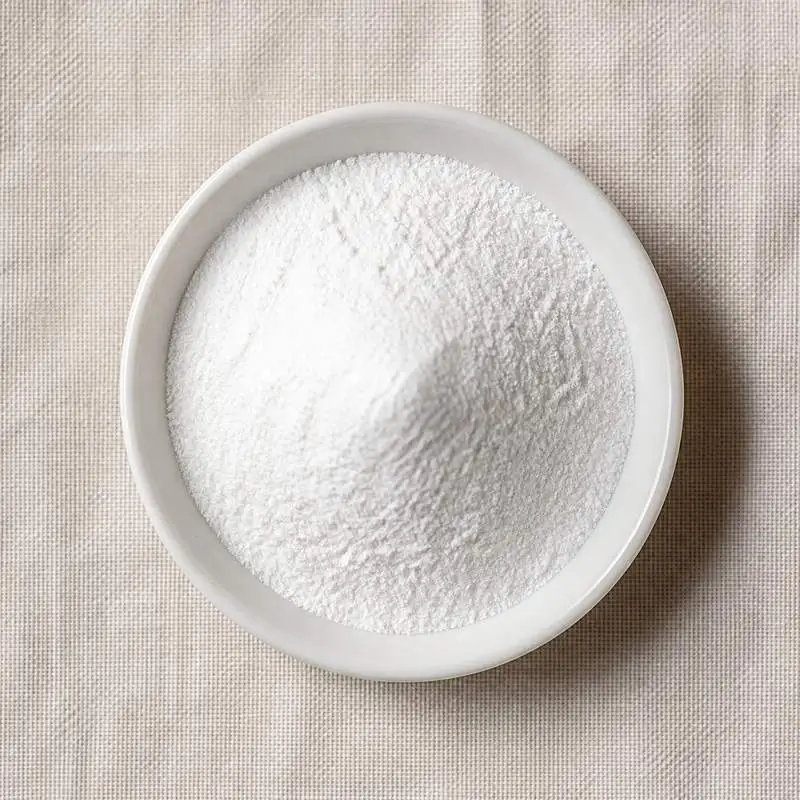
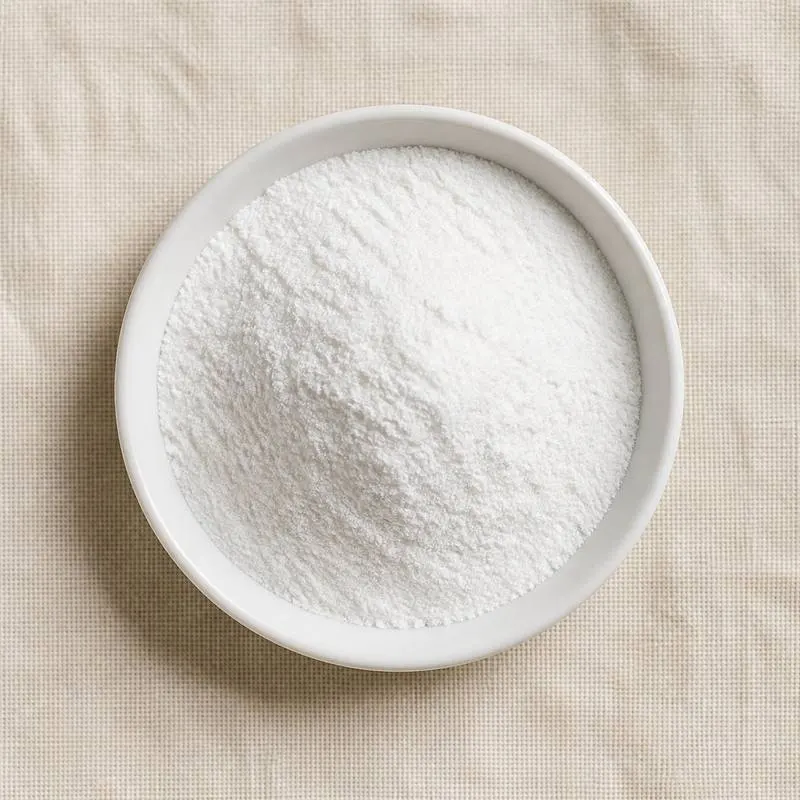
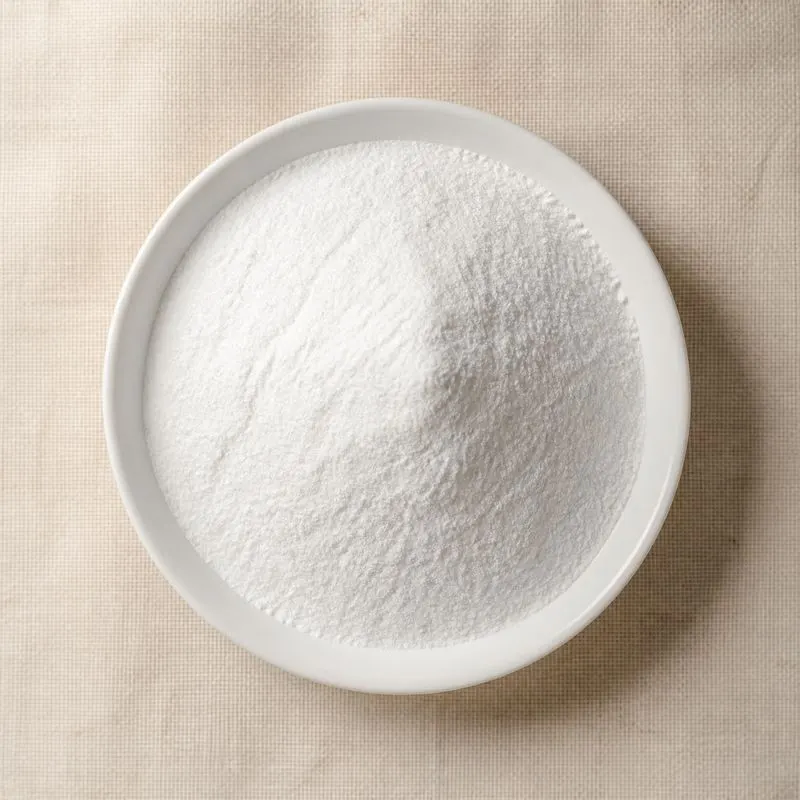
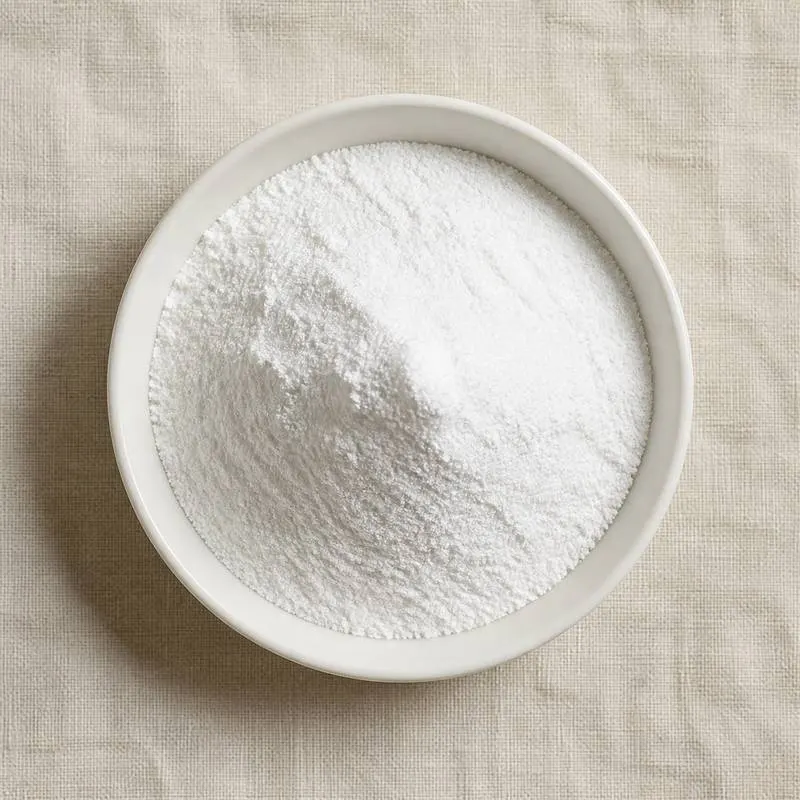
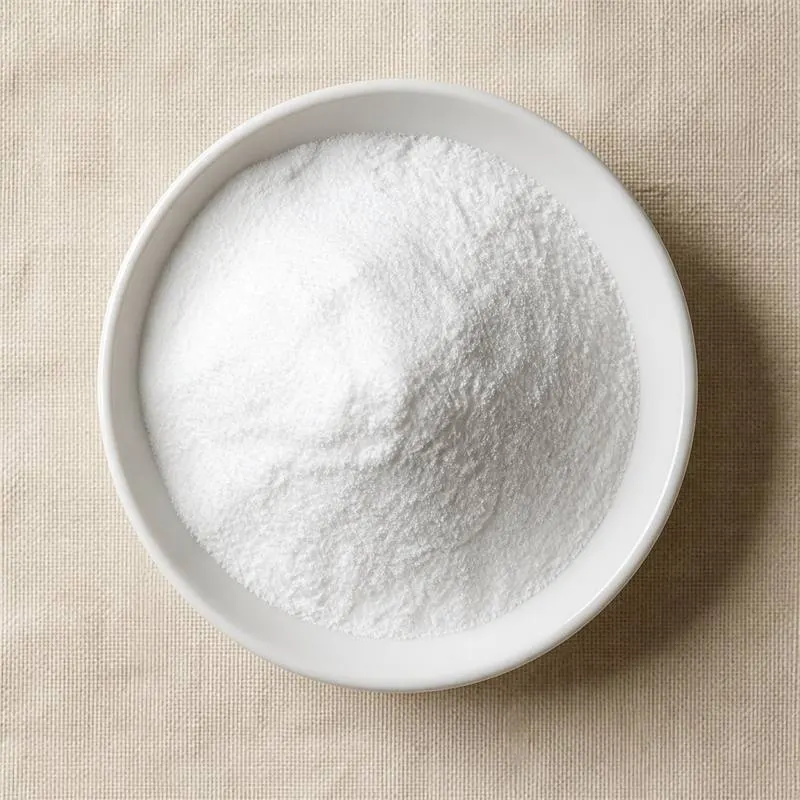
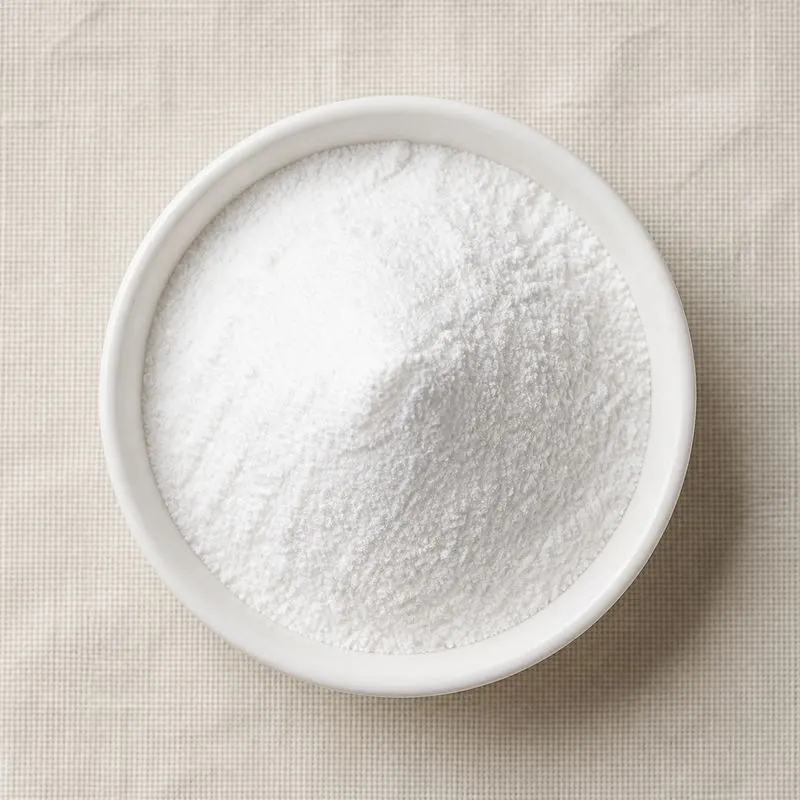
The traded material is a white crystalline powder or colourless crystals, odourless with a faintly sweet taste. It is freely soluble in water at around 4 grams per 100 millilitres at room temperature, giving a solution near pH 5.0 to 6.0, and practically insoluble in ethanol and ether. The dry crystal is stable at ambient temperature and normal humidity.
In solution the molecule is markedly less stable than most amino acids. The side chain amide hydrolyses to release ammonia and the ring closed product pyroglutamic acid, and the rate rises sharply with temperature and away from neutral pH, so aqueous formulations lose assay on storage and sterilisation by heat is avoided. Formulators work around this with dry presentations, with dipeptide forms such as alanyl-glutamine in liquid clinical products, and by keeping any solution cold and close to neutral.
We source bulk L-Glutamine from top China manufacturers for our partners. The manufacturers are in Jiangxi and Hebei. A smaller requirement can ship in a combined container with other ingredients.
Please send the grade you need, the volume and your destination port, and we will come back with a solution and a price.
or call +86-21-6858 0751
Specifications
| Item | Specification |
|---|---|
| Appearance | White crystalline powder or colourless crystals |
| Identification | Infrared spectrum conforms to reference; thin layer chromatography conforms |
| Assay, dried basis | 98.5 to 101.5% |
| Specific rotation | Plus 6.3 to plus 7.3 degrees |
| pH, 1% aqueous solution | 4.5 to 6.0 |
| Loss on drying | Not more than 0.3% |
| Residue on ignition | Not more than 0.1% |
| Chloride, as Cl | Not more than 0.02% |
| Sulphate, as SO4 | Not more than 0.02% |
| Other amino acids | Not detected by thin layer chromatography |
| Arsenic, as As | Not more than 1 mg/kg |
| Lead, as Pb | Not more than 1 mg/kg |
| Total plate count | Not more than 1,000 cfu/g |
| Salmonella | Absent in 25 g |
Common Markets Grades
The dominant grade is food and supplement grade at an assay of 98.5 to 101.5 percent on the dried basis, sold as a fine to standard crystalline powder. Particle size is the main physical variable, with fine milled grades used in stick packs and instant drink mixes for fast dispersion, and coarse or granulated grades used in capsules and tablets where flow and compressibility matter more. Instantised and agglomerated versions treated with a wetting agent are produced for consumer powders that must dissolve without clumping.
Pharmaceutical grade material is manufactured against pharmacopoeia monographs with tighter limits on related amino acids, ammonium and bacterial endotoxin, and is used in parenteral and enteral nutrition and in cell culture media. Cell culture grade adds endotoxin and trace metal controls beyond the pharmacopoeial requirements. The alanyl-glutamine and glycyl-glutamine dipeptides are traded as separate articles for heat stable liquid nutrition. Feed grade L-glutamine exists but is a minor part of the market, since most animal nutrition demand is met by glutamic acid salts.
Applications
- Sports and recovery powders, where it is dosed as a free amino acid alongside branched chain amino acids in post exercise formulations
- Clinical and medical nutrition, where it is added to enteral formulas for patients under surgical or metabolic stress
- Parenteral nutrition, usually as the alanyl-glutamine dipeptide because the free amino acid is not stable through terminal sterilisation
- Cell culture and fermentation media, where it serves as the principal nitrogen and energy source for mammalian cell lines
- Oral rehydration and gut health formulations, where it is used as a substrate for enterocytes
- Protein and meal replacement powders, where it corrects the amino acid profile of a base protein
- Capsules and tablets sold as single ingredient supplements
- Infant and specialised nutrition, where the amide is added to bring a formula closer to the free amino acid pattern of human milk
- Pet supplements and veterinary recovery diets, where the same metabolic argument applies
Brands Using L-Glutamine
Widely-distributed consumer products that list L-Glutamine on the ingredient label.
- NutricostL-Glutamine Powder ↗Each serving delivers 5,000 mg of L-glutamine powder, sold in 250 g to 1,000 g bottles.Label verified 2026-08-31
- NutricostL-Glutamine Capsules ↗Each capsule carries 800 mg of L-glutamine, with 180 servings per bottle.Label verified 2026-08-31
Brand names, product names and logos are the property of their owners. They appear here as published evidence that the ingredient is used, taken from the brand's own label or website. Their appearance is not an endorsement, and it does not mean the brand buys from us or from any manufacturer listed on this site.
China Manufacturers of L-Glutamine
Top L-Glutamine manufacturers in China.
- Chengzhi Life Science Co., Ltd.5 ingredients in the directory
 Hebei Huafan Biological Technology Co., Ltd.15 ingredients in the directory
Company names and logos are the property of the manufacturers themselves. They are listed here because our own directory records them as producing this ingredient. A listing is not an endorsement by them, and we do not represent them or speak on their behalf.
Regulatory Status
In the United States L-glutamine is sold principally as a dietary ingredient in supplements under the Dietary Supplement Health and Education Act, and as a component of medical foods and infant formula it is used under generally recognised as safe determinations, and the Food and Drug Administration has reviewed several notices for the substance without objection. It is not among the amino acids listed in the food additive regulation at 21 CFR 172.320, which covers amino acids added to conventional food for nutritive purposes, so its use in ordinary food is supported by generally recognised as safe status rather than by that citation. Pharmaceutical and parenteral use falls under drug regulation.
In the European Union L-glutamine is not a food additive and carries no E number. The food supplements Directive 2002/46/EC as amended lists it as a permitted amino acid source, and Regulation (EU) No 609/2013 and the delegated acts made under it govern its use in foods for specific groups, including infant formula and food for special medical purposes. It is not a novel food, having a documented history of use before the novel food cut off date. Codex addresses amino acids through its standards and guidelines for foods for special dietary uses and for infant formula, and JECFA has published specifications for amino acids used as food ingredients.
Manufacturing Process
Industrial L-glutamine is made by submerged aerobic fermentation, the same platform used for glutamic acid. Starch from maize or cassava is liquefied and saccharified to a glucose syrup, or cane molasses is clarified, and the carbohydrate feed is sterilised and charged to stirred, aerated fermenters with ammonium salts or urea as the nitrogen source and a defined mineral and vitamin supplement. Strains of Corynebacterium glutamicum or Brevibacterium selected or engineered to overproduce the amide are inoculated, and the fermentation is run with tight control of dissolved oxygen, temperature and pH, since the same organism produces glutamic acid rather than glutamine if conditions drift. A high ammonium concentration and a slightly acidic pH push the balance toward the amide.
At harvest the biomass is removed by centrifugation and membrane filtration. The clarified broth is passed over ion exchange resin to capture the amino acid, which is eluted, decolourised over activated carbon and concentrated under vacuum at low temperature to limit conversion to pyroglutamic acid. Crystallisation is carried out by cooling and by controlled addition of ethanol, the crystals are separated in a centrifuge, washed, and dried under vacuum or in a low temperature fluid bed. The dried product is milled or sieved to the target cut, passed through a metal detector and packed in lined bags with a desiccant barrier.