Lettuce Seed
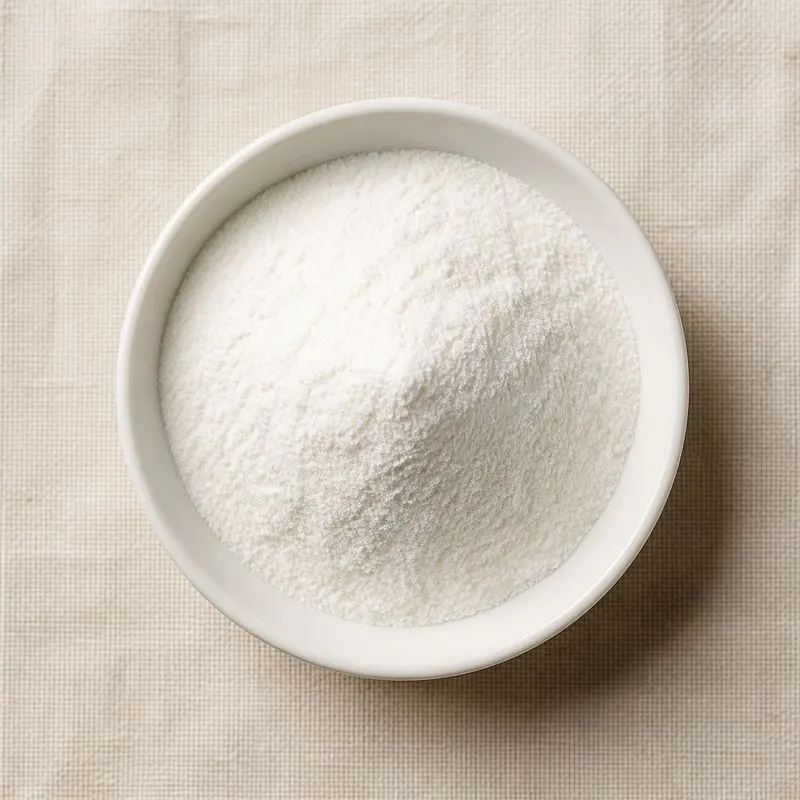
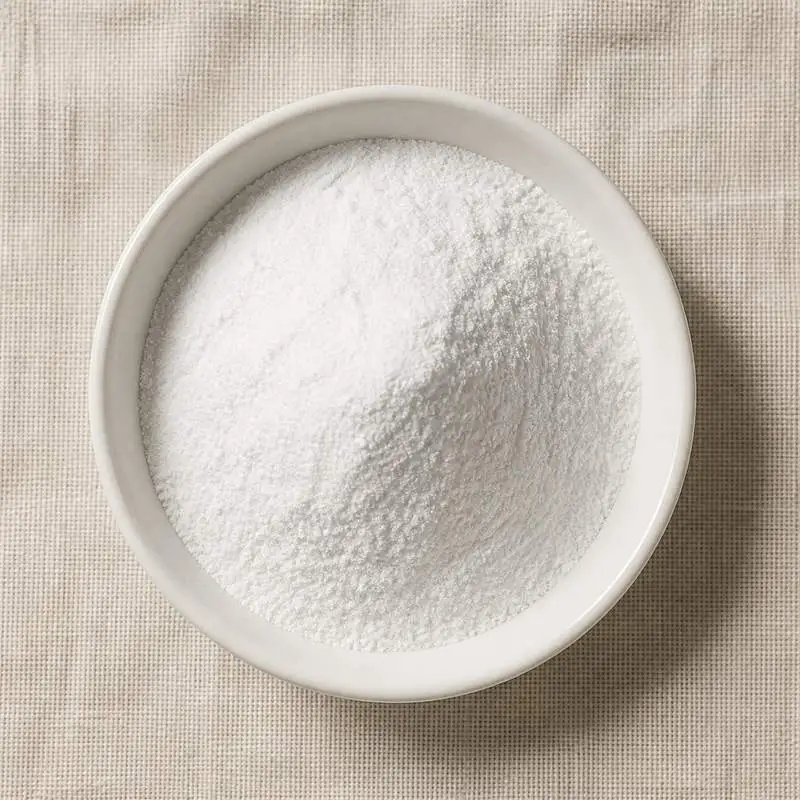
Lettuce seed is the dried mature achene of Lactuca sativa, the cultivated lettuce, harvested from plants allowed to bolt and set seed rather than from the leaf crop. The seed is a small flattened oval about three to four millimetres long, straw white to grey brown or black depending on cultivar, with a papery pappus that is removed in cleaning, and it is traded whole, as a defatted milled powder, and as a cold pressed seed oil.
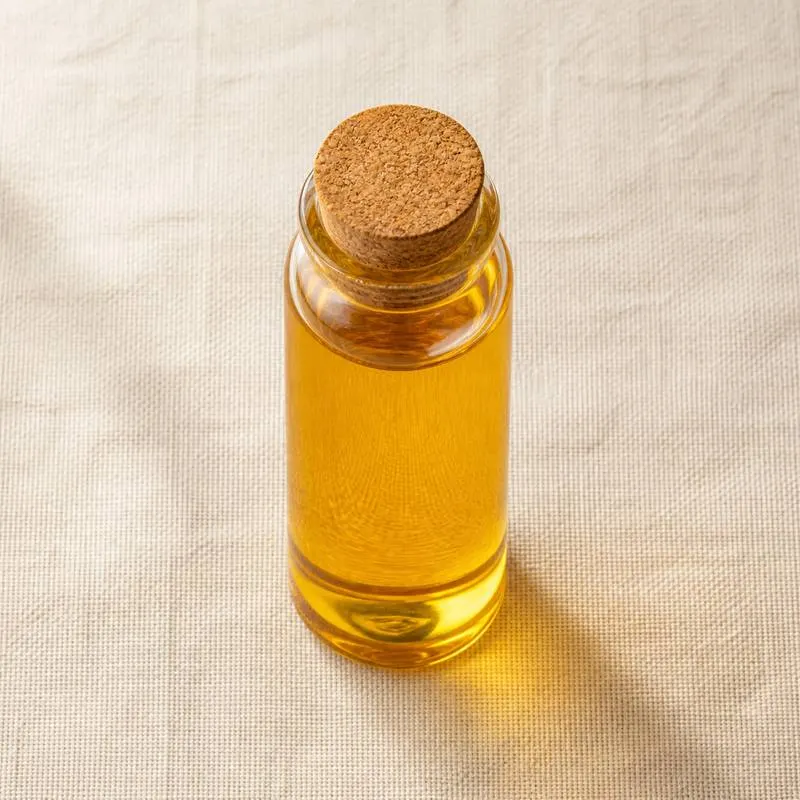
The material has two separate commercial identities. In Chinese and Middle Eastern traditional practice the seed itself, and its water or ethanol extract, is used as a botanical for supplement and herbal tea preparations; the seed carries sesquiterpene lactones of the lactucin group along with flavonoids and phytosterols. Separately, lettuce seed contains roughly 25 to 35 percent oil dominated by linoleic acid, and cold pressed lettuce seed oil is sold as a specialty nutritional and cosmetic oil.
The whole seed is a dry, hard commodity that stores well at low moisture and remains viable and stable for long periods provided it is kept below 8 percent moisture and free from insect infestation. The oil is highly unsaturated, so it oxidises readily once expressed and is packed under nitrogen in dark containers with tocopherol added. The defatted seed powder disperses in water rather than dissolving, and its extract is water soluble and mildly bitter.
We source bulk Lettuce Seed from top China manufacturers for our partners. The manufacturer is in Jilin. A smaller requirement can ship in a combined container with other ingredients.
Please send the grade you need, the volume and your destination port, and we will come back with a solution and a price.
or call +86-21-6858 0751
- Function
- Nutraceutical
Specifications
| Item | Specification |
|---|---|
| Appearance, whole seed | Small flattened achenes, straw white to dark brown, free from pappus and chaff |
| Odour and taste | Faint characteristic odour, slightly bitter taste |
| Identification | Macroscopic and microscopic characters conform to Lactuca sativa seed |
| Purity, clean seed | Not less than 99.0 percent |
| Foreign matter | Not more than 1.0 percent |
| Moisture | Not more than 8.0 percent |
| Total ash | Not more than 8.0 percent |
| Acid insoluble ash | Not more than 2.0 percent |
| Oil content of seed | 25 to 35 percent |
| Particle size, milled powder | Passes 60 mesh, not less than 95 percent |
| Total plate count | Not more than 100000 cfu/g |
| Yeast and mould | Not more than 1000 cfu/g |
| Escherichia coli | Absent in 1 g |
| Salmonella | Absent in 25 g |
Common Markets Grades
Whole seed is graded on cultivar and colour, on purity as the proportion of clean seed against chaff, stalk and weed seed, and on moisture. Food and botanical grades are cleaned by air aspiration and gravity table to at least 99 percent purity, while a lower agricultural grade is sold for planting and is not specified for consumption. Seed intended for extract manufacture is additionally screened for pesticide residues, since a bolted lettuce crop may have been treated as a leaf crop earlier in its cycle.
Beyond whole seed, the traded forms are a milled seed powder passing 60 to 80 mesh, a defatted seed meal left after oil pressing, a cold pressed unrefined seed oil specified on free fatty acid and peroxide value, and a dry extract standardised on total flavonoids or on total sesquiterpene lactone content at extraction ratios usually stated between 4:1 and 10:1. There is no pharmacopoeial monograph specific to lettuce seed in the major compendia, so buyer and supplier agree the extract specification between them rather than working to an official standard.
Applications
- Herbal infusion and tea blends, whole or lightly roasted seed brewed alone or with other calming botanicals
- Traditional Chinese herbal formulations, where the seed is used under the name ju sheng zi within compound preparations
- Botanical supplement capsules and tablets, using the milled seed or a standardised dry extract
- Sleep and relaxation supplement blends, formulated alongside jujube seed, valerian and passionflower
- Middle Eastern and South Asian beverage preparations in which the soaked seed forms a mucilaginous drink
- Cold pressed lettuce seed oil as a specialty edible oil, used unheated for its linoleic acid content
- Nutritional oil blends and softgel capsules supplying polyunsaturated fatty acids
- Cosmetic and personal care oils and serums, where the same cold pressed oil is used outside food
- Defatted seed meal as a protein and fibre component in animal feed after oil extraction
China Manufacturers of Lettuce Seed
Top Lettuce Seed manufacturers in China.
Company names and logos are the property of the manufacturers themselves. They are listed here because our own directory records them as producing this ingredient. A listing is not an endorsement by them, and we do not represent them or speak on their behalf.
Regulatory Status
Lactuca sativa is a common food plant, and its seed has an established history of consumption as a herbal infusion and traditional preparation in several regions. In the United States lettuce seed used as a herbal tea or as a dietary supplement ingredient falls under the Dietary Supplement Health and Education Act, which permits a botanical marketed before the statutory cut-off to be used as a dietary ingredient; preparations that go beyond a conventional infusion or extract may require a new dietary ingredient notification to FDA. Cold pressed lettuce seed oil sold as an edible oil is a food and is subject to the general adulteration and labelling provisions rather than to an additive listing.
In the European Union lettuce is a common food, and Directive 2002/46/EC regulates food supplements containing plant parts, together with the national rules each member state applies to botanicals. Whether a lettuce seed preparation requires authorisation under Regulation (EU) 2015/2283 on novel foods depends on the history of consumption of that specific part and preparation within the Union before May 1997, and importers establish this for the article they place on the market. No health claim relating to lettuce seed has been authorised, so the material is sold without claim. The seed is not a food additive and carries no E number. Codex Alimentarius has no standard for lettuce seed; the applicable Codex texts are the general standards for contaminants and for pesticide residues, and the Standard for Named Vegetable Oils does not list lettuce seed oil.
Manufacturing Process
Seed is produced by allowing a lettuce crop to bolt, flower and set, then cutting the seed heads when the majority have matured. The heads are dried and threshed, and the raw seed is cleaned in stages: an aspirator removes the pappus and light chaff, screens grade by size, and a gravity table separates immature and damaged seed by density. Cleaned seed is dried to below 8 percent moisture, fumigated or heat treated against storage insects where required, and either bagged as whole seed or passed to further processing.
For oil, the cleaned seed is conditioned, sometimes lightly dehulled, and expressed on a screw press held below 50 degrees Celsius so the product can be described as cold pressed. The crude oil is settled and filtered rather than chemically refined when an unrefined specialty oil is the product, and antioxidant is added before nitrogen-flushed filling. The press cake is milled to a defatted meal. For extract, whole or milled seed is macerated in water or aqueous ethanol under warm conditions, the miscella is filtered and the ethanol recovered under vacuum, the concentrate is clarified and concentrated in a falling film evaporator, then blended with maltodextrin and spray dried to a free-flowing powder that is sieved and packed with desiccant.