Lipoic Acid
Lipoic acid, also called alpha-lipoic acid or thioctic acid, is an organosulphur compound of formula C8H14O2S2 consisting of an octanoic acid chain closed at one end into a five-membered 1,2-dithiolane ring. It occurs naturally as an enzyme-bound cofactor in the pyruvate and alpha-ketoglutarate dehydrogenase complexes.
Its commercial interest is as an antioxidant active ingredient rather than as a processing aid. The strained disulphide ring is readily reduced to dihydrolipoic acid, and the pair cycles between the two states, scavenging radicals and chelating transition metals. Because the molecule carries both a polar carboxylic acid and a lipophilic chain, it distributes into aqueous and lipid environments alike, which is the basis of most claims made for it in supplements and skin care.
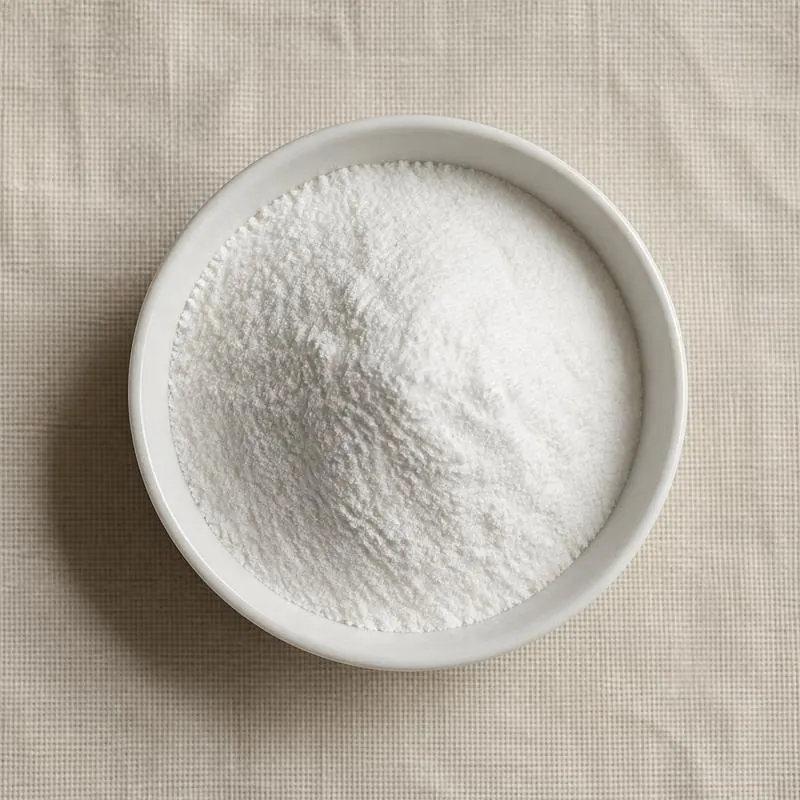
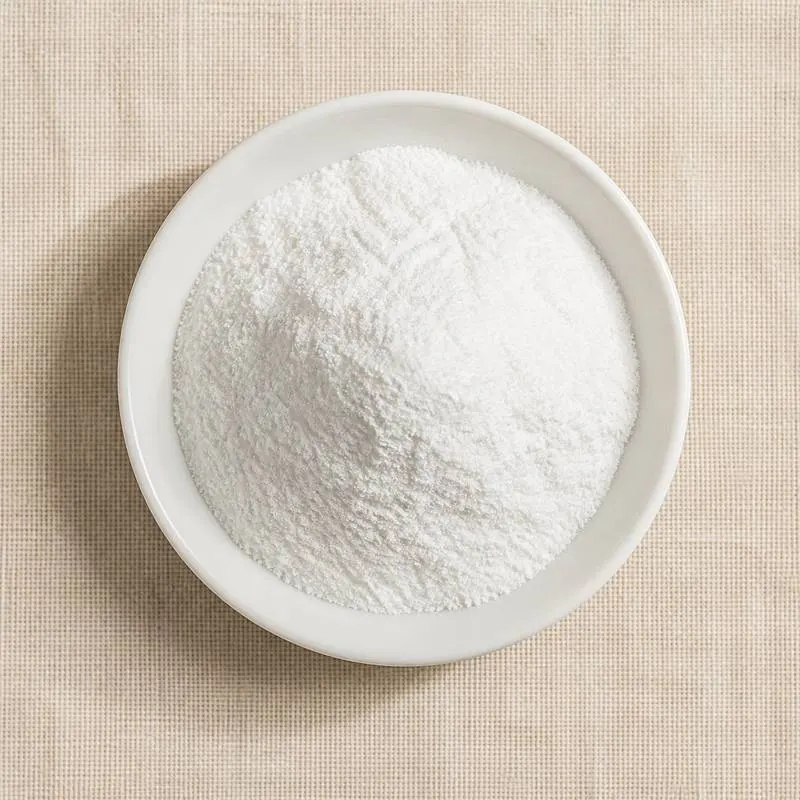
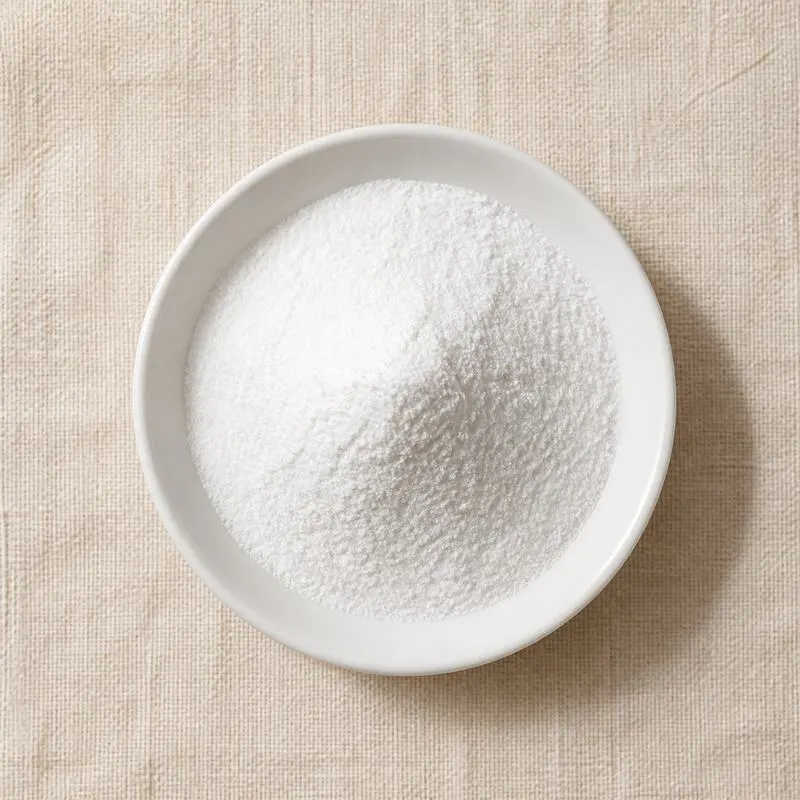
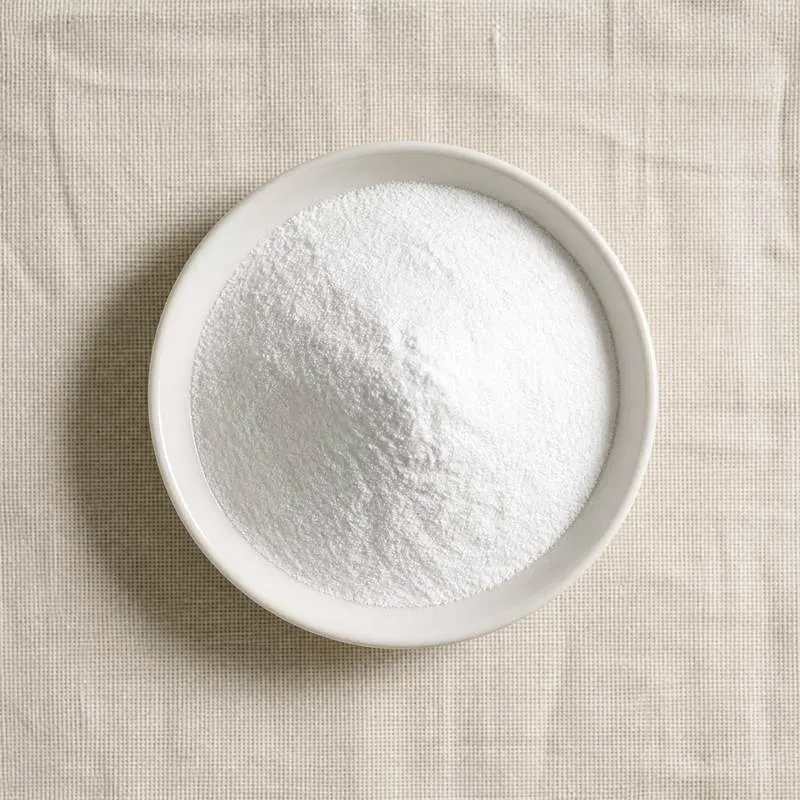
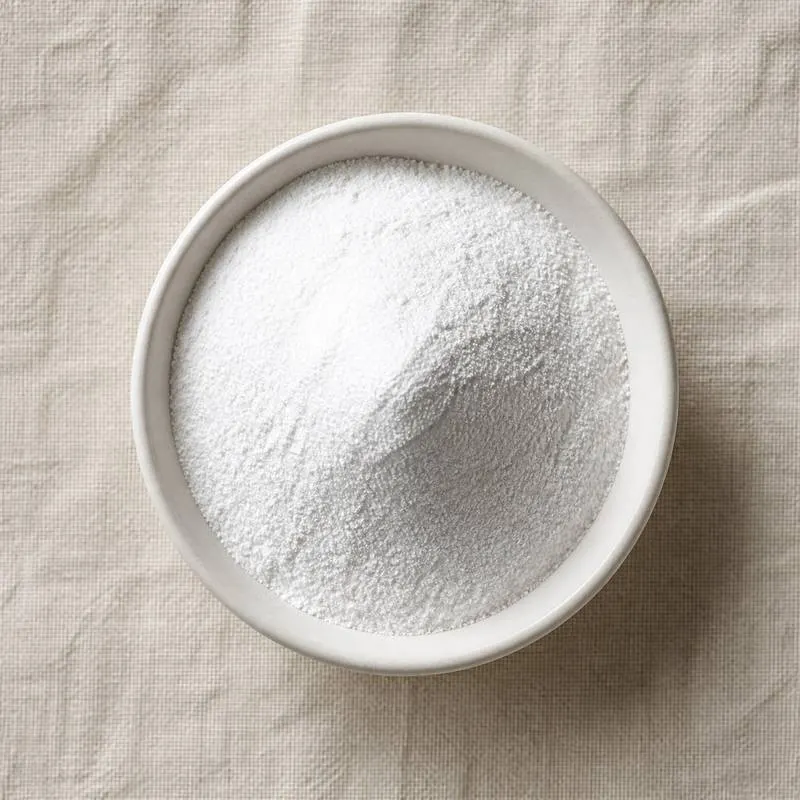
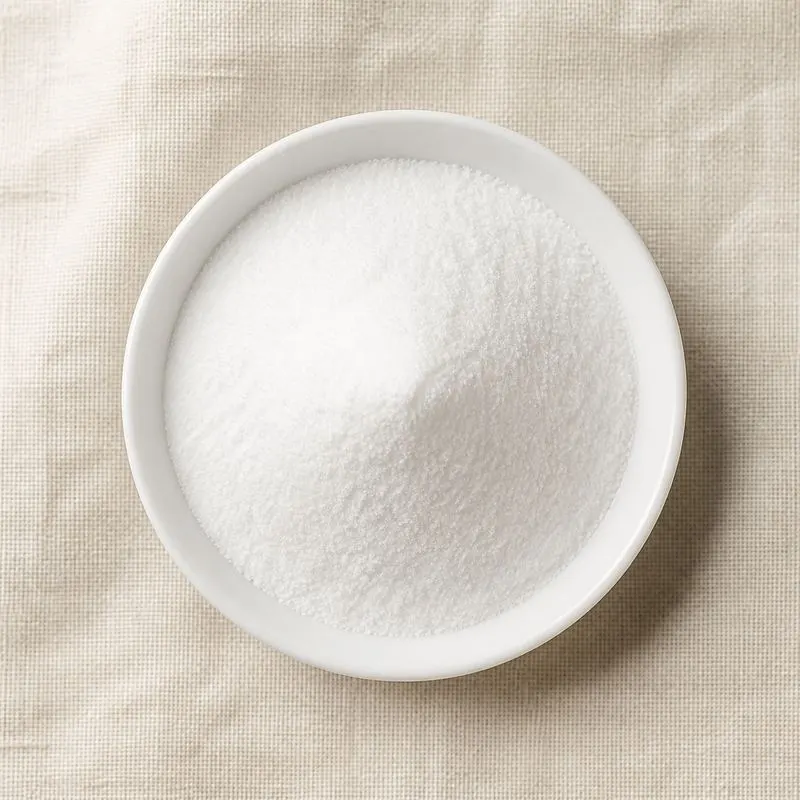
The traded solid is a pale yellow crystalline powder with a faint sulphurous odour, melting in the region of 60 degrees Celsius. It is practically insoluble in water and dissolves in ethanol, acetone and alkaline aqueous solution, where it forms the more soluble lipoate salt. It is sensitive to heat, light and acid, polymerising to an insoluble film if held above its melting point, so it is processed at low temperature, stored cold and away from light, and is normally encapsulated or salted rather than used in an aqueous, thermally processed food.
We source bulk Lipoic Acid from top China manufacturers for our partners. The manufacturer is in Fujian. A smaller requirement can ship in a combined container with other ingredients.
Please send the grade you need, the volume and your destination port, and we will come back with a solution and a price.
or call +86-21-6858 0751
- Function
- Antioxidant
Specifications
| Item | Specification |
|---|---|
| Appearance | Pale yellow crystalline powder |
| Odour | Faint characteristic sulphurous |
| Assay by titration or HPLC | 98.5% min |
| Identification | Infrared spectrum and HPLC retention conform to reference standard |
| Melting range | 58 to 62 degrees Celsius |
| Loss on drying | 0.5% max |
| Residue on ignition | 0.1% max |
| Related substances, total | 1.0% max |
| Residual solvents | Meets compendial limits |
| Heavy metals as Pb | 10 mg/kg max |
| Lead | 1 mg/kg max |
| Arsenic | 1 mg/kg max |
| Particle size | Passes 80 mesh |
Common Markets Grades
Two enantiomeric presentations are traded. Racemic alpha-lipoic acid, the mixture of R and S forms produced by chemical synthesis, is the bulk article and is the cheaper of the two. R-lipoic acid, the enantiomer that occurs biologically, is sold at a higher price and is usually offered as sodium R-lipoate or as a stabilised complex, since the free R acid is markedly less stable to heat and moisture than the racemate.
Assay for the crystalline solid is typically 98.5 or 99 percent minimum. Beyond the neat powder, the material is used micronised for dissolution in soft gel oils, granulated for direct compression into tablets, and as coated or microencapsulated powders that mask the sulphur note and protect the ring during storage. Pharmaceutical grade meeting pharmacopoeial monographs is made alongside the supplement and cosmetic grades.
Applications
- Dietary supplements in tablet, capsule and soft gel form, the largest single outlet
- Sports nutrition and metabolic health formulations, often combined with acetyl-L-carnitine or B vitamins
- Functional beverages and effervescent powders, using the sodium salt for solubility
- Skin care serums and creams, for antioxidant and skin texture claims
- Nutricosmetic drinks and beauty supplement blends
- Veterinary and companion animal supplements
- Encapsulated premixes for functional food, where the coating protects the ring from moisture
- Pharmaceutical preparations of thioctic acid, which is a registered medicine in several markets
Brands Using Lipoic Acid
Widely-distributed consumer products that list Lipoic Acid on the ingredient label.
- Carlson LabsAlpha Lipoic Acid ↗A single-ingredient capsule supplying alpha lipoic acid as an antioxidant that is both water and fat soluble.Label verified 2026-08-31
- Nature's WayAlpha Lipoic Acid ↗A capsule delivering alpha lipoic acid on its own for antioxidant and metabolic support.Label verified 2026-08-31
- Country LifeR-Lipoic Acid 100 mg ↗A capsule providing 100 mg of the R isomer of lipoic acid, the form found naturally in the body.Label verified 2026-08-31
- Double Wood SupplementsAlpha Lipoic Acid Supplement ↗An alpha lipoic acid capsule sold as a standalone antioxidant supplement.Label verified 2026-08-31
- NutricostAlpha Lipoic Acid 600 mg Capsules ↗Capsules supplying 600 mg of alpha lipoic acid per serving with no other active ingredient.Label verified 2026-08-31
Brand names, product names and logos are the property of their owners. They appear here as published evidence that the ingredient is used, taken from the brand's own label or website. Their appearance is not an endorsement, and it does not mean the brand buys from us or from any manufacturer listed on this site.
China Manufacturers of Lipoic Acid
Top Lipoic Acid manufacturers in China.

Company names and logos are the property of the manufacturers themselves. They are listed here because our own directory records them as producing this ingredient. A listing is not an endorsement by them, and we do not represent them or speak on their behalf.
Regulatory Status
In the United States alpha-lipoic acid is marketed as a dietary ingredient in supplements under the dietary supplement framework, and it is not the subject of a food additive regulation authorising general use in conventional foods; a manufacturer adding it to a conventional food needs an appropriate regulatory basis for that use. It is also used in cosmetics, where it is regulated as a cosmetic ingredient rather than as a food substance.
In the European Union alpha-lipoic acid is not an authorised food additive and carries no E number. It is used in food supplements under national rules, since it is not a vitamin or mineral listed in the harmonised annexes, and the position varies between member states; in Germany and several other markets thioctic acid is additionally registered as a medicinal product, which limits the levels acceptable in a supplement. Health claims made for it must draw on the authorised claims list. There is no Codex additive listing for the substance.
Manufacturing Process
Industrial material is made by chemical synthesis rather than extraction, since natural sources contain only trace amounts. The standard route builds an eight-carbon chain bearing leaving groups at the sixth and eighth positions, typically an alkyl 6,8-dichlorooctanoate or the corresponding dihydroxy ester converted to its dimesylate, starting from adipic acid half esters or from cyclohexanone-derived intermediates by chain extension and controlled reduction of the ketone.
The dihalide ester is then treated with sodium disulphide, generated in situ from sodium sulphide and sulphur, which closes the 1,2-dithiolane ring. The resulting lipoate ester is saponified with alkali and the free acid released by careful acidification at low temperature to avoid polymerisation. The crude acid is extracted into an organic solvent, decolourised on carbon and crystallised from a hydrocarbon or ester solvent, often at reduced temperature. Crystals are centrifuged, washed, dried under vacuum in the dark and milled, with the powder packed under nitrogen in light-proof containers. Where the single enantiomer is required, the racemate is resolved through a chiral amine salt or an enzymatic step before the final crystallisation.