L-Carnitine
L-Carnitine is a small trimethylated quaternary ammonium compound that serves as the obligatory shuttle for long-chain fatty acids across the inner mitochondrial membrane. Without it, β-oxidation and the bulk of cellular fat-derived ATP cannot proceed.
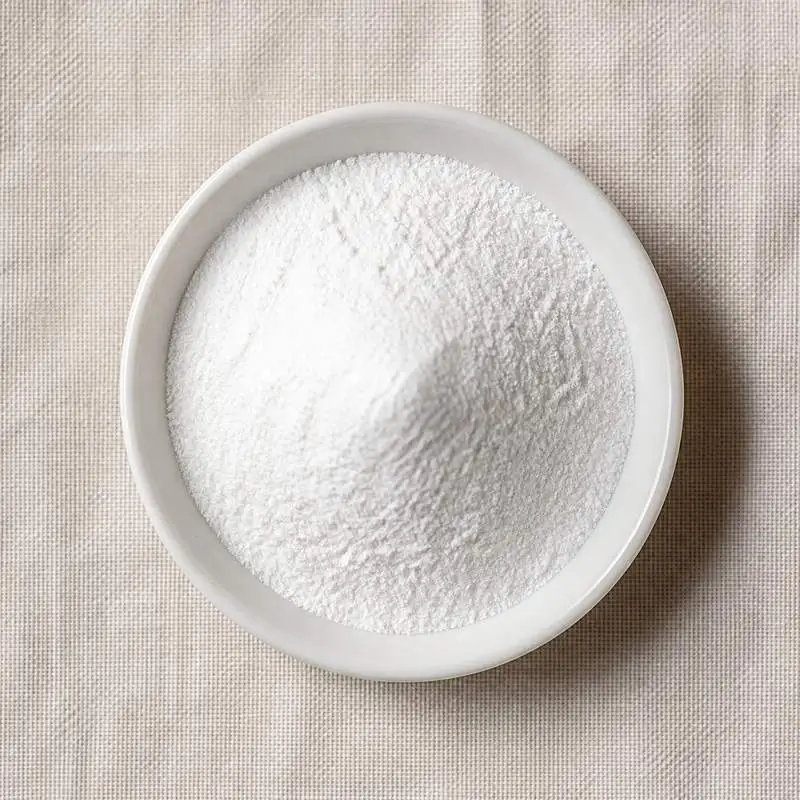
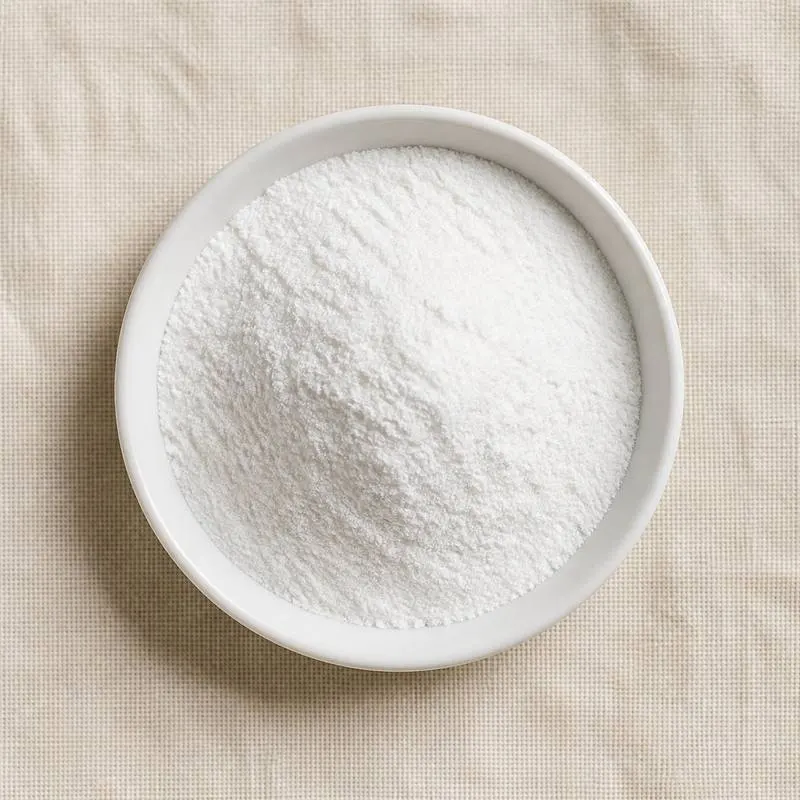
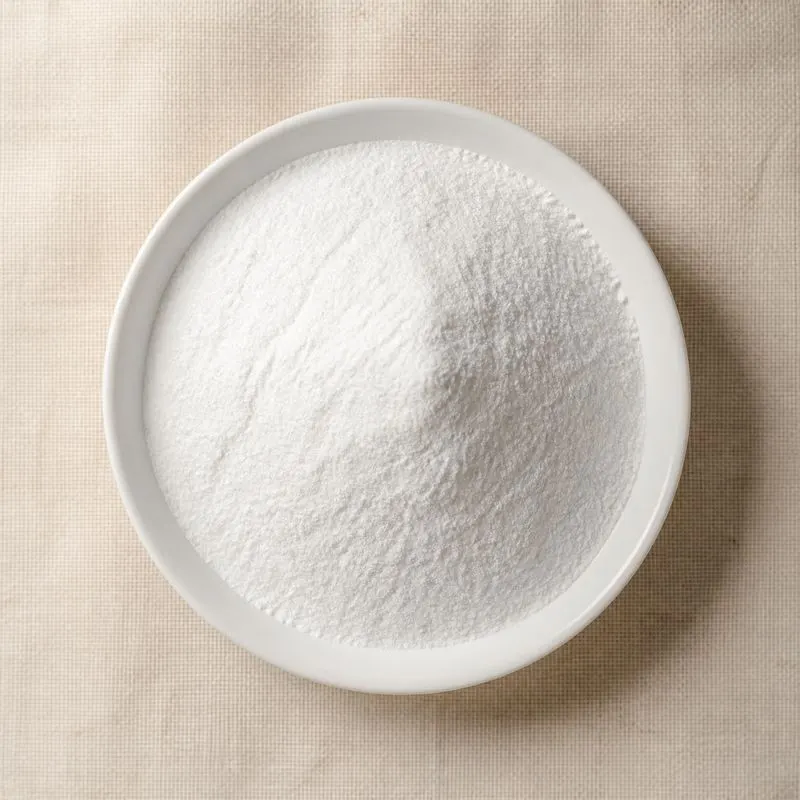
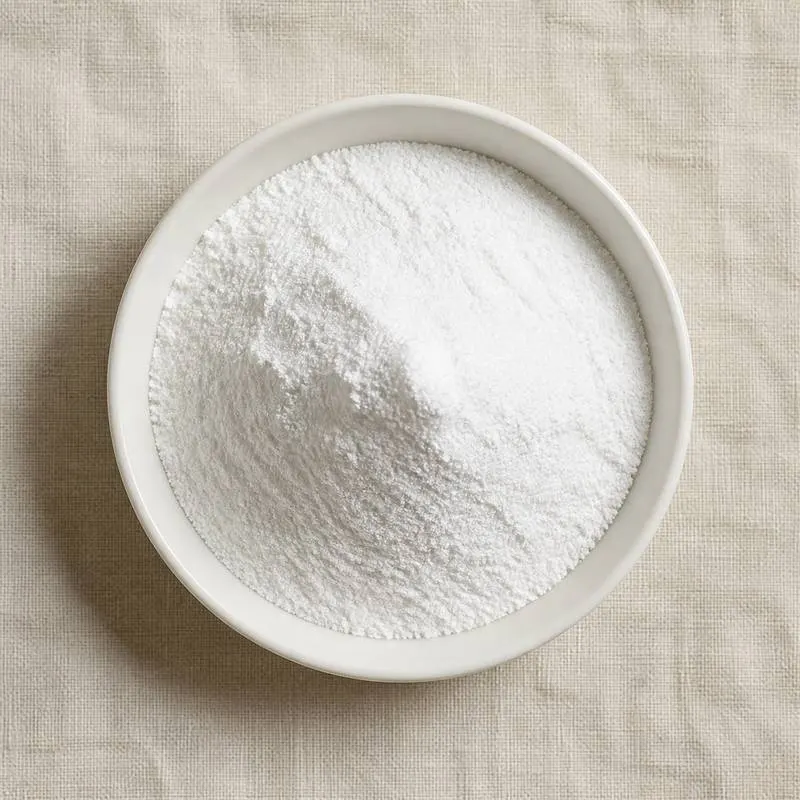
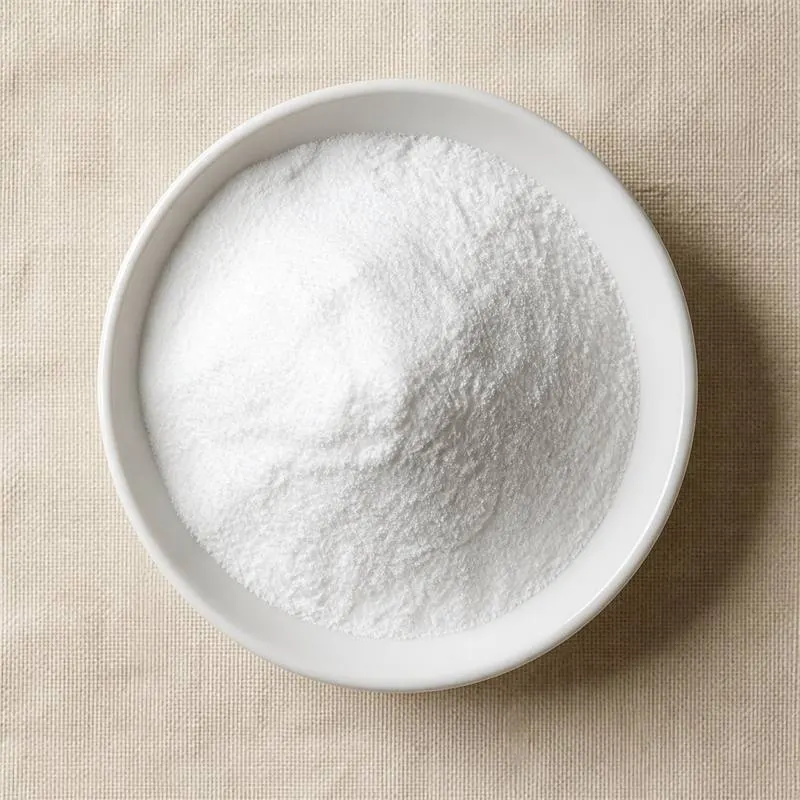
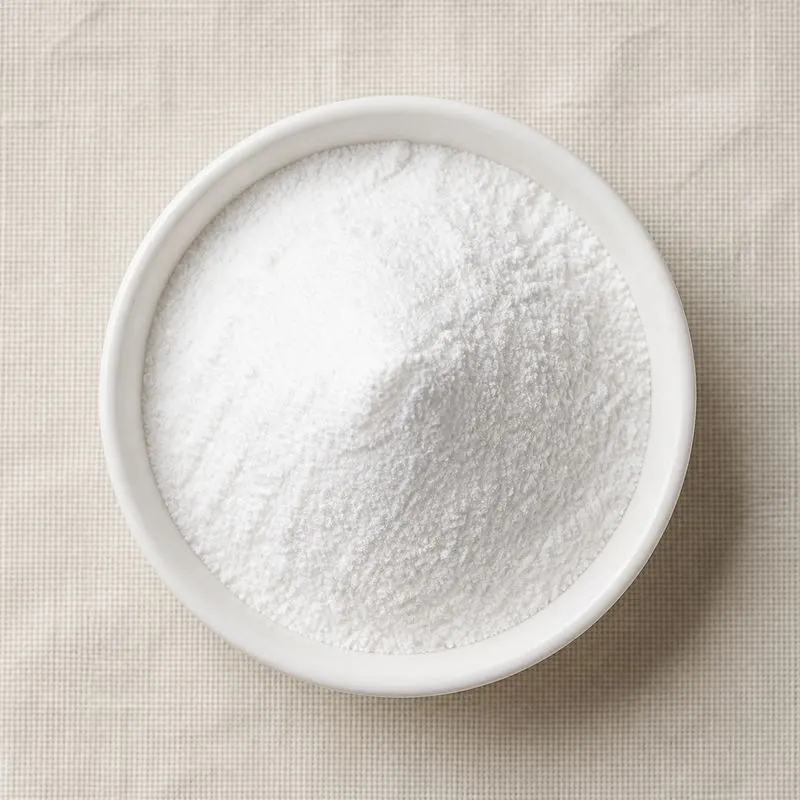
The free base is a deliquescent white crystalline solid with the formula C₇H₁₅NO₃ and CAS 541-15-1. It is highly water soluble and zwitterionic at physiological pH, with the carboxylate balancing the permanent positive charge on the quaternary nitrogen.
We source bulk L-Carnitine from top China manufacturers for our partners, working with several of them. The manufacturers are in Shandong, Zhejiang and Liaoning. For this ingredient the minimum order is 100 kg and a 20-foot container takes 16 MT, and a smaller requirement can ship in a combined container with other ingredients.
Please send the grade you need, the volume and your destination port, and we will come back with a solution and a price.
or call +86-21-6858 0751
- Minimum order
- 100 kg
- Qty in 20' FCL
- 16 MT
- Packaging
- 25 kg kraft paper bag with PE inner liner
- ISO 9001
- HACCP
- Halal
- Kosher
Specifications
| Item | Specification |
|---|---|
| Appearance | White crystalline powder or crystals, odourless |
| Identification (IR and HPLC) | Conforms to reference standard |
| Assay (on dried basis) | 97.0 – 103.0% |
| Specific Rotation [α]D²⁰ | -29° to -32° (c = 1, water) |
| D-Carnitine | ≤ 0.5% |
| pH (5% aqueous solution) | 5.5 – 9.5 |
| Water (Karl Fischer) | ≤ 1.0% |
| Residue on Ignition | ≤ 0.1% |
| Chloride (as Cl) | ≤ 0.4% |
| Related Substances (HPLC, total) | ≤ 0.5% |
| Heavy Metals (as Pb) | ≤ 10 mg/kg |
| Arsenic (as As) | ≤ 1 mg/kg |
| Total Plate Count | ≤ 1,000 cfu/g |
| Yeast and Mould | ≤ 100 cfu/g |
| Pathogens (E. coli, Salmonella) | Negative/25g |
Common Markets Grades
L-Carnitine base splits into two principal commercial qualities.
Food and supplement grade conforms to USP and FCC monographs, with assay of 97.0 to 103.0 percent on the dried basis and tight limits on D-carnitine, residual solvents, and heavy metals. This material is used in beverage premixes, infant formula, and capsule fills.
Pharmaceutical grade meets the European Pharmacopoeia (Ph. Eur.) monograph for Levocarnitine and is qualified for parenteral and oral solution manufacture, with additional controls on bacterial endotoxin and chiral purity.
Because the free base is hygroscopic and tends to cake, most powdered applications use the HCl, L-tartrate, or fumarate salt forms. The free base remains the preferred starting material for liquid formats and for synthesis of acetyl and propionyl esters.
Applications
- Sports and energy beverages as a fat-metabolism cofactor
- Infant formula fortification at the level naturally present in human milk
- Clinical and medical nutrition for premature infants, dialysis patients, and parenteral nutrition recipients
- Weight-management supplements and meal-replacement powders
- Pre-workout and recovery formulations alongside taurine and creatine
- Oral solutions and syrups for primary and secondary carnitine deficiency
- Vegetarian and vegan supplements where dietary carnitine intake is low
- Veterinary feed for breeding sows, dairy cattle, and performance horses
- Aquaculture diets for salmon and shrimp to spare protein from oxidation
- Cosmetic slimming creams and anti-cellulite lotions
- Functional foods including fortified dairy drinks and protein bars
- Hair-care actives in scalp tonics positioned around follicle energy metabolism
Brands Using L-Carnitine
Widely-distributed consumer products that list L-Carnitine on the ingredient label.
- NOW FoodsSports L-Carnitine Liquid 1000 mg (Citrus) ↗NOW Sports L-Carnitine Liquid delivers 1,000 mg of pure L-carnitine (free base, non-animal sourced, vegetarian) per tablespoon for energy and fat metabolism.Label verified 2026-05-24
- SolgarL-Carnitine 500 mg Tablets ↗Free-form L-carnitine (free base) at 500 mg per tablet.Label verified 2026-05-24
- Country LifeL-Carnitine Caps 500 mg ↗Free-form L-carnitine at 500 mg per vegan capsule, with added vitamin B6.Label verified 2026-05-24
- Pure EncapsulationsL-Carnitine ↗Highly stabilised free-form L-carnitine capsule supporting cardiovascular health, exercise recovery, and fat utilization.Label verified 2026-05-24
- Life ExtensionL-Carnitine 500 mg ↗Capsules supplying 500 mg free-form L-carnitine.Label verified 2026-05-24
Brand names, product names and logos are the property of their owners. They appear here as published evidence that the ingredient is used, taken from the brand's own label or website. Their appearance is not an endorsement, and it does not mean the brand buys from us or from any manufacturer listed on this site.
China Manufacturers of L-Carnitine
Top L-Carnitine manufacturers in China.
- Dongying Zuoning Biotechnology Co., Ltd.1 ingredient in the directory
 Healthy (Hangzhou) Husbandry Sci-tech Co., Ltd.6 ingredients in the directory
 Liaoning Koncepnutra Co., Ltd.11 ingredients in the directory
Company names and logos are the property of the manufacturers themselves. They are listed here because our own directory records them as producing this ingredient. A listing is not an endorsement by them, and we do not represent them or speak on their behalf.
How We Help Source L-Carnitine
Direct Factory Sourcing
We run the whole process: selecting the manufacturer from the top Chinese food ingredient producers, negotiating the price, verifying quality, and coordinating the logistics. You deal with us instead of with several factories at once.
Original Packaging and Documents from the Manufacturer
The manufacturer sends your L-Carnitine out of its own factory in the original packing, through to your destination port. The COA, COO, MSDS, TDS and any certifications reach you from the manufacturer as well.
Free Samples and Lead Time
We send 100 to 500 g free for your own laboratory to test and you cover only the courier, usually within 2 to 3 working days. ETD is usually within 7 to 15 days once the order is confirmed, and we check that date against the factory's own manufacturing schedule before we give it to you.
Combined Shipment
We can load L-Carnitine together with other ingredients such as Glycine, L-Arginine and L-Leucine into one 20' FCL. If your quantity is small, we can also ship LCL.
Regulatory Status
L-Carnitine is well established in food and pharmaceutical regulation worldwide.
In the United States it is GRAS under 21 CFR 184.1947 for use in infant formula and is widely used as a dietary ingredient under DSHEA. The European Food Safety Authority has issued favorable opinions on L-carnitine for food supplement use, with L-carnitine-L-tartrate evaluated as the salt of reference.
It carries pharmacopoeial monographs in the USP (Levocarnitine), Ph. Eur., and JP. Prescription oral solutions and intravenous products are approved in the United States, the European Union, and Japan for primary carnitine deficiency.
Halal and Kosher certifications are routinely available from suppliers that operate non-animal synthetic and fermentation routes.
Manufacturing Process
Two industrial routes dominate L-carnitine manufacture.
The Lonza process, commercialized in Visp, Switzerland in the late 1980s, starts from epichlorohydrin and uses an asymmetric hydrogenation step to set the chiral centre. It delivers material with very high enantiomeric excess and is the basis of the registered Carnipure brand.
Several Chinese producers operate biocatalytic routes using engineered Escherichia coli or Agrobacterium whole cells to convert crotonobetaine or 3-dehydrocarnitine to L-carnitine via stereospecific hydration or reduction. These routes have closed much of the historical cost gap with the chemical route.
Final isolation in both cases proceeds through ion-exchange purification, decolorisation, concentration, and crystallisation, with the free base obtained from the chloride or tartrate intermediate by neutralisation and recrystallisation from alcohol.