TBHQ
TBHQ is the trade abbreviation for tert-butyl hydroquinone, a synthetic phenolic antioxidant used industrially to protect edible oils, fats, and oil-rich foods against oxidative rancidity under the food additive number E319.
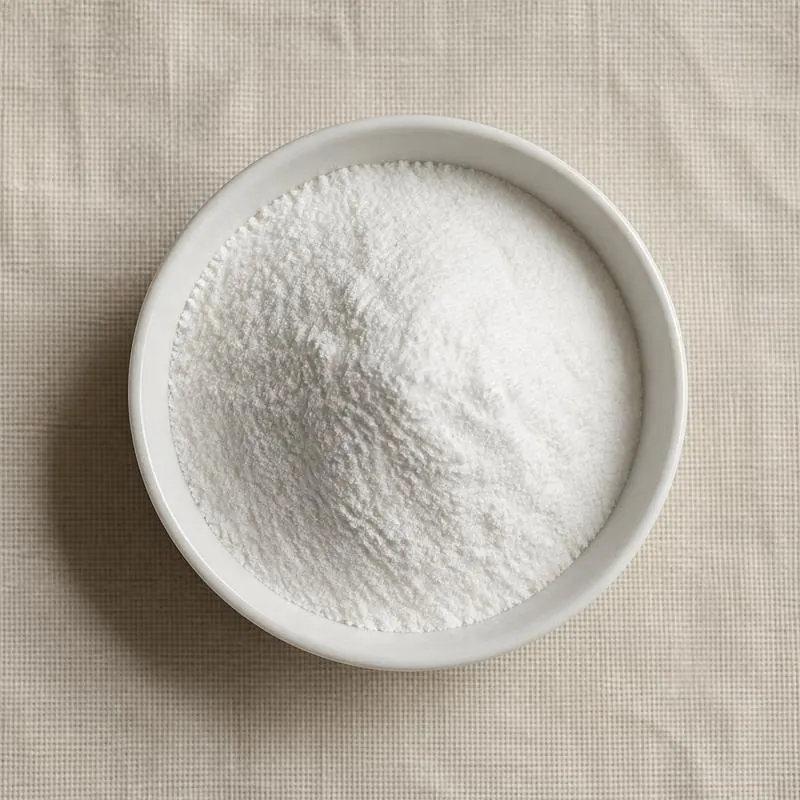
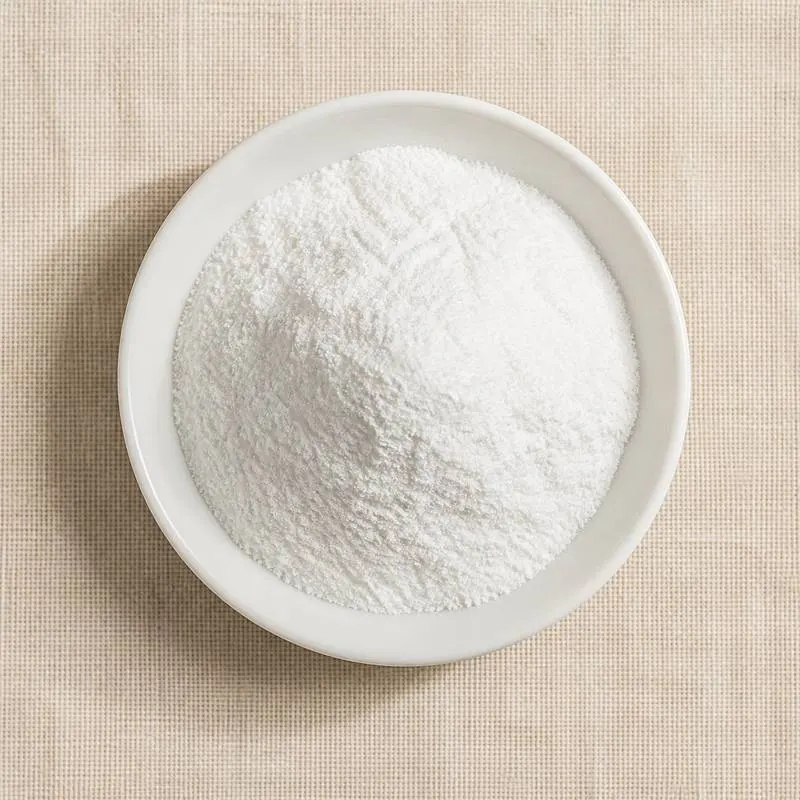
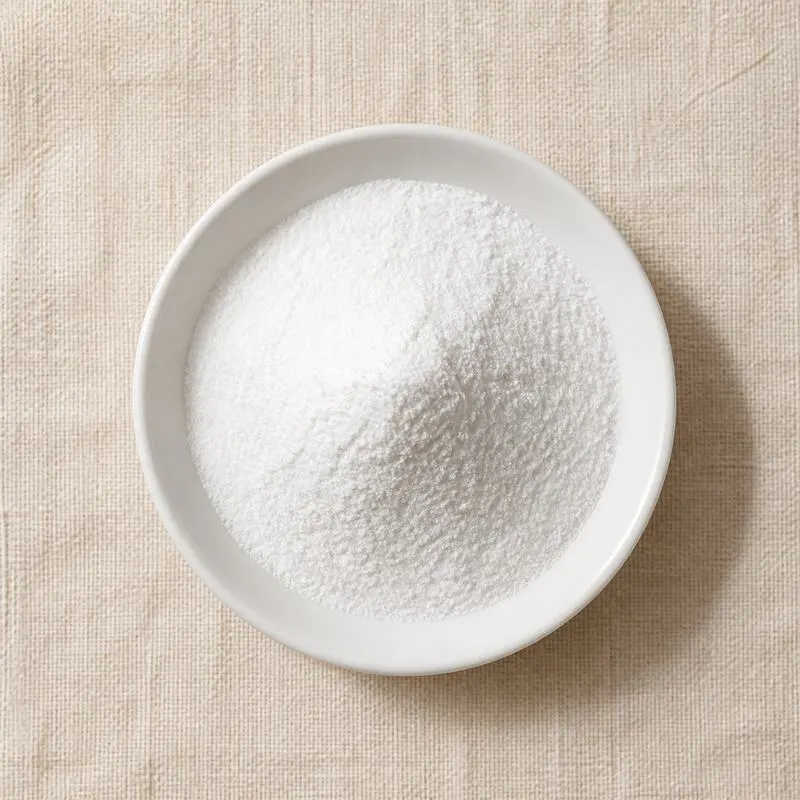
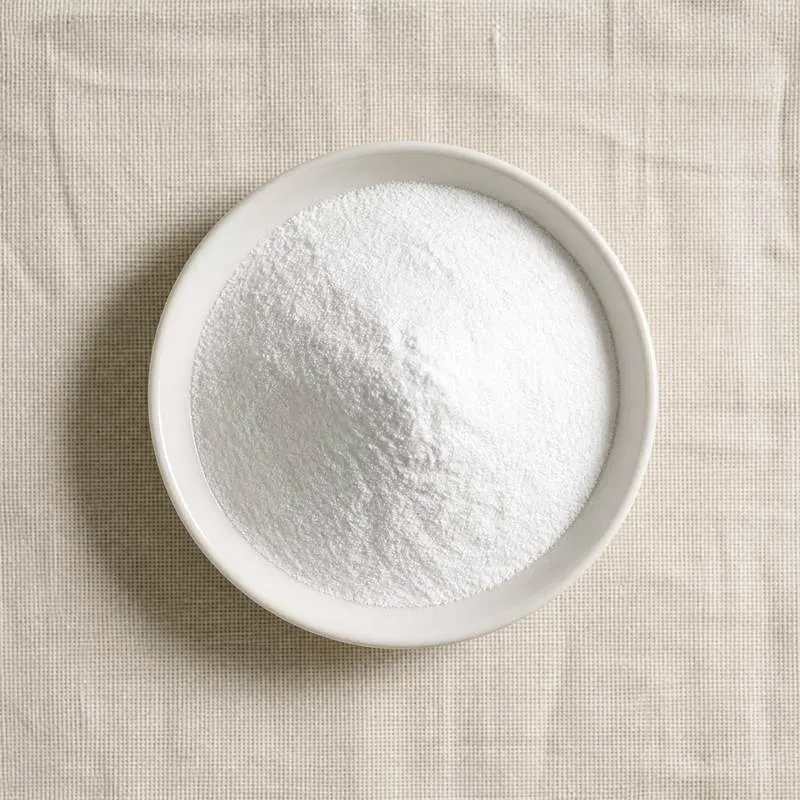
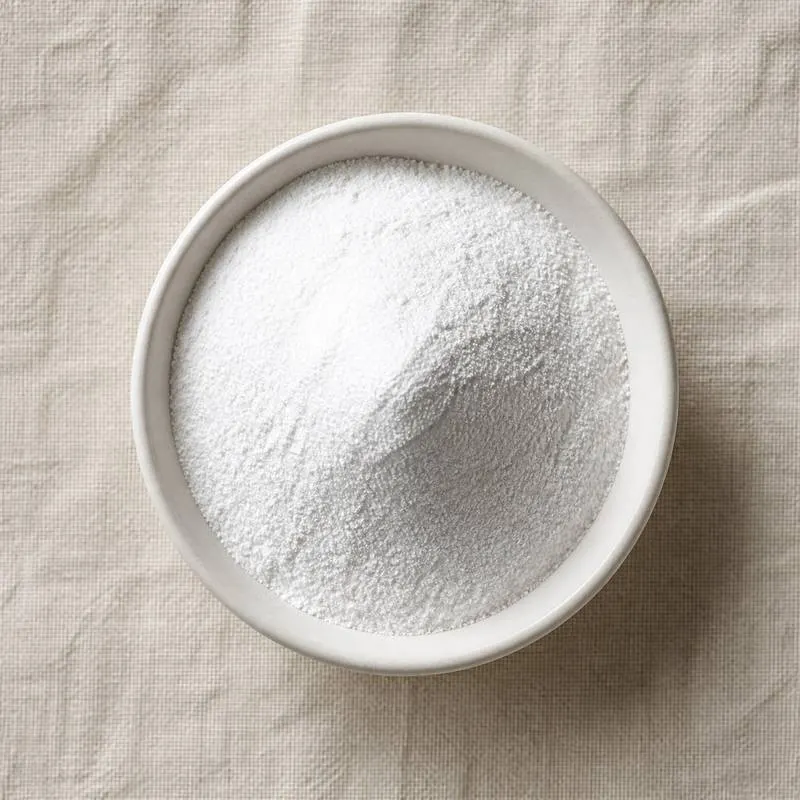
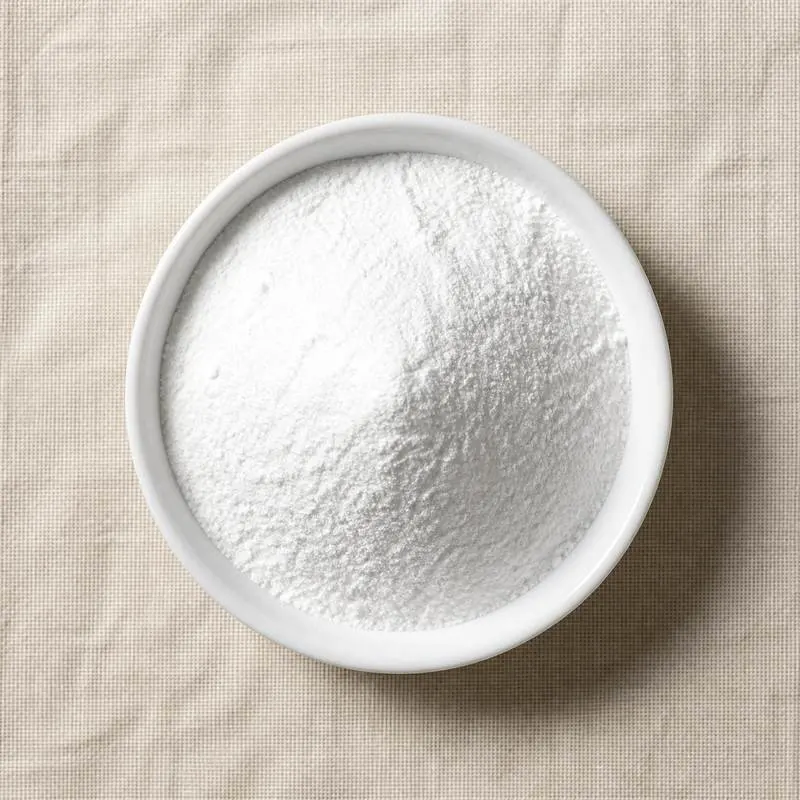
The molecule (CAS 1948-33-0, C₁₀H₁₄O₂, molecular weight 166.22 g/mol) is a white to pale tan crystalline powder, sparingly soluble in water but freely soluble in edible oils and ethanol. The single tert-butyl substituent on the hydroquinone ring is what gives the molecule its lipid solubility and its high antioxidant efficiency in fried and high-fat foods.
We source bulk TBHQ from top China manufacturers for our partners, working with several of them. The manufacturers are in Guangdong and Jiangxi. For this ingredient the minimum order is 500 kg and a 20-foot container takes 16 MT, and a smaller requirement can ship in a combined container with other ingredients.
Please send the grade you need, the volume and your destination port, and we will come back with a solution and a price.
or call +86-21-6858 0751
- Minimum order
- 500 kg
- Qty in 20' FCL
- 16 MT
- Packaging
- 25 kg kraft paper bag with PE inner liner
- ISO 9001
- HACCP
- Halal
- Kosher
Specifications
Grades / Types Available: Industrial Grade, Food Grade, Feed Grade
| Item | Specification |
|---|---|
| Appearance | White to pale tan crystalline powder |
| Assay (TBHQ) | ≥ 99.0% |
| Melting Range | 126.5–128.5°C |
| Hydroquinone | ≤ 0.1% |
| tert-Butyl-p-benzoquinone | ≤ 0.2% |
| 2,5-di-tert-Butylhydroquinone | ≤ 0.2% |
| Sulfated Ash | ≤ 0.05% |
| Water Content | ≤ 0.5% |
| Heavy Metals (as Pb) | ≤ 10 mg/kg |
| Lead (as Pb) | ≤ 2 mg/kg |
| Arsenic (as As) | ≤ 3 mg/kg |
| Residue on Ignition | ≤0.3% |
| Loss on Drying | ≤0.5% |
| Melting Point | ≥212℃ |
Common Markets Grades
TBHQ is a fine crystalline powder with a standard commercial assay of not less than 99 percent.
FCC food-grade material meeting JECFA specifications is the standard supply for food and beverage applications.
The substance is typically pre-dissolved in carrier oils (often soybean, sunflower, or palm oil) at concentrations of 10 to 20 percent for ease of dosing in industrial frying operations and bulk oil refining.
Blends with other approved antioxidants such as BHT, BHA, and citric acid are widely sold under proprietary trade names for specific industrial frying, snack, and feed applications.
The two principal global producers are Eastman Chemical (U.S.) and several Chinese manufacturers in Shandong and Jiangsu.
Applications
- Refined vegetable oils and frying fats to protect against oxidative rancidity
- Snack foods including potato chips, corn chips, and extruded snacks
- Instant noodles, where the frying oil must remain stable through a long shelf life
- Ready-meal fats and shortenings
- Bakery shortenings and pastry fats
- Animal fats including tallow and lard for industrial use
- Fish oil and omega-3 supplement softgels
- Cosmetic and personal-care formulations to protect the lipid phase
- Lipsticks, colour cosmetics, and emulsions to protect pigments and active ingredients
- Pet food and animal feed fat-phase stabilisation
- Industrial coatings, varnishes, and biodiesel as a non-food antioxidant
Brands Using TBHQ
Widely-distributed consumer products that list TBHQ on the ingredient label.
- Kellogg's (Pop-Tarts)Frosted Strawberry Pop-Tarts ↗Ingredient panel lists 'Soybean and Palm Oil with TBHQ for Freshness' as part of the toaster pastry formulation.Label verified 2026-05-24
- Kellogg's (Pop-Tarts)Frosted Brown Sugar Cinnamon Pop-Tarts ↗Ingredient panel lists 'Soybean and Palm Oil with TBHQ for Freshness' within the dough ingredients.Label verified 2026-05-24
- Cheez-It (Kellanova)Cheez-It White Cheddar Snack Crackers ↗Ingredient panel lists 'Vegetable Oil (Soybean, Palm, Canola and/or Sunflower Oil with TBHQ for Freshness).'Label verified 2026-05-24
- Cheez-It (Kellanova)Cheez-It Puff'd Double Cheese ↗Ingredient panel lists 'Vegetable Oil (Soybean, High Oleic Soybean, Canola and/or Corn Oil with TBHQ for Freshness).'Label verified 2026-05-24
- Crisco (B&G Foods)Crisco All-Vegetable Shortening ↗Ingredient panel verbatim: 'Soybean Oil, Fully Hydrogenated Palm Oil, Palm Oil, Mono And Diglycerides, TBHQ And Citric Acid (Antioxidants).'Label verified 2026-05-24
- Kellogg's (Rice Krispies)Original Rice Krispies Treats ↗Ingredient panel lists 'Vegetable Oil (Soybean and Palm Oil with TBHQ for Freshness)' as part of the bar formulation.Label verified 2026-05-24
Brand names, product names and logos are the property of their owners. They appear here as published evidence that the ingredient is used, taken from the brand's own label or website. Their appearance is not an endorsement, and it does not mean the brand buys from us or from any manufacturer listed on this site.
China Manufacturers of TBHQ
Top TBHQ manufacturers in China.
 Guangdong Lingnan Geen Biotechnology Co., Ltd.2 ingredients in the directory
 Jiangxi Hitech Food Ingredient Co., Ltd.2 ingredients in the directory
- L&P Food Ingredient Co., Ltd.9 ingredients in the directory
Company names and logos are the property of the manufacturers themselves. They are listed here because our own directory records them as producing this ingredient. A listing is not an endorsement by them, and we do not represent them or speak on their behalf.
How We Help Source TBHQ
Direct Factory Sourcing
We run the whole process: selecting the manufacturer from the top Chinese food ingredient producers, negotiating the price, verifying quality, and coordinating the logistics. You deal with us instead of with several factories at once.
Original Packaging and Documents from the Manufacturer
The manufacturer sends your TBHQ out of its own factory in the original packing, through to your destination port. The COA, COO, MSDS, TDS and any certifications reach you from the manufacturer as well.
Free Samples and Lead Time
We send 100 to 500 g free for your own laboratory to test and you cover only the courier, usually within 2 to 3 working days. ETD is usually within 7 to 15 days once the order is confirmed, and we check that date against the factory's own manufacturing schedule before we give it to you.
Combined Shipment
We can load TBHQ together with other ingredients such as Ascorbyl Palmitate, Disodium EDTA and Erythorbic Acid into one 20' FCL. If your quantity is small, we can also ship LCL.
Regulatory Status
TBHQ is approved as a synthetic antioxidant food additive in most regulated markets.
In the European Union it carries the E number E319, permitted under Regulation (EC) 1333/2008 in defined fat-containing food categories.
The U.S. FDA permits TBHQ under 21 CFR 172.185 as a chemical preservative.
JECFA has reviewed the substance multiple times and assigned an ADI.
The substance is not approved for food use in Japan and is subject to specific labelling requirements in Australia and New Zealand. Codex Alimentarius lists TBHQ as INS 319 in the General Standard for Food Additives. Kosher and Halal certifications are routinely available.
Manufacturing Process
TBHQ is produced industrially by the acid-catalysed alkylation of hydroquinone with isobutylene or tert-butyl alcohol.
The dominant route uses isobutylene in the presence of a strong acid catalyst (sulphuric acid or an ion-exchange resin) at controlled temperature to favor monoalkylation at the 2-position and avoid dialkylation.
The crude reaction mass is washed, neutralised, and the unreacted hydroquinone is recovered for recycle.
The crude TBHQ is recrystallised from a polar organic solvent such as toluene or a toluene-heptane mixture to remove di-tert-butyl hydroquinone and other side products.
The purified crystals are dried under vacuum and milled to the target particle size.
Each lot is verified by HPLC assay, melting point (126.5 to 128.5 degrees Celsius for the pure substance), heavy metals, and residual solvents.