Disodium EDTA
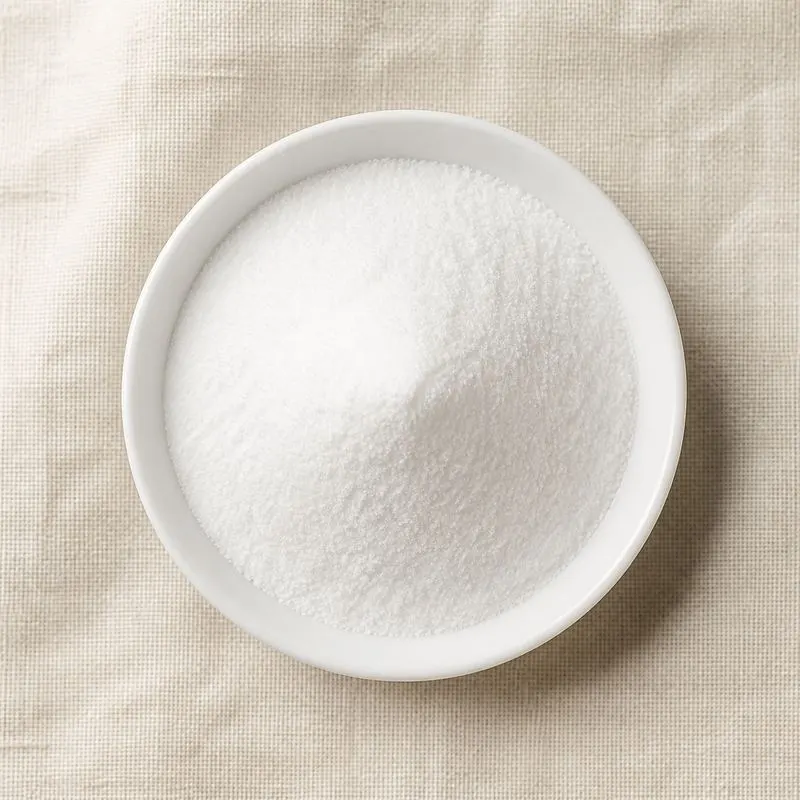
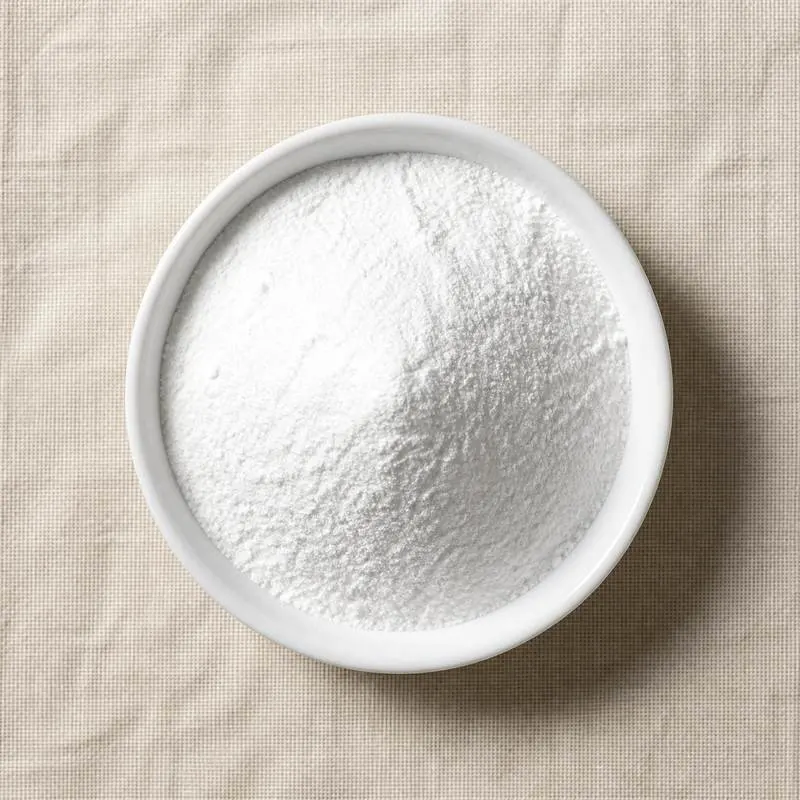
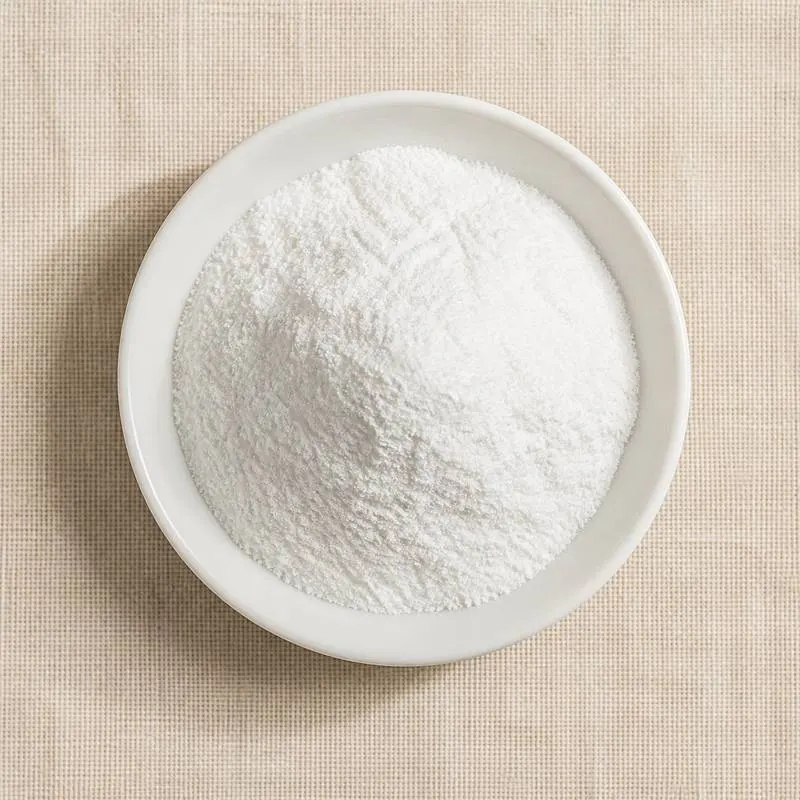
Disodium EDTA is the disodium salt of ethylenediaminetetraacetic acid, used industrially as a chelating agent and preservative synergist under the food additive number E385.
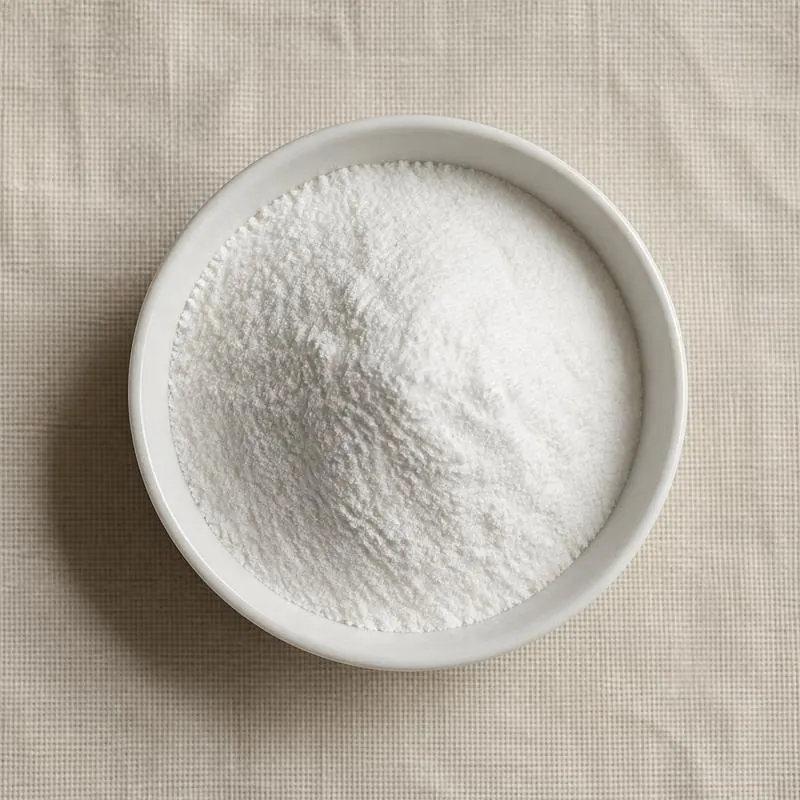
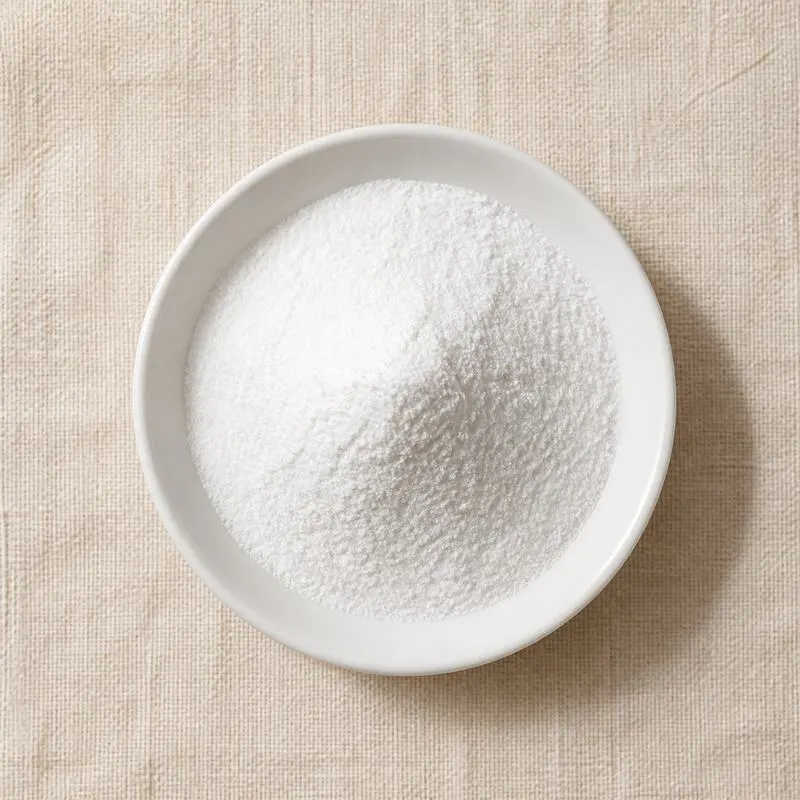
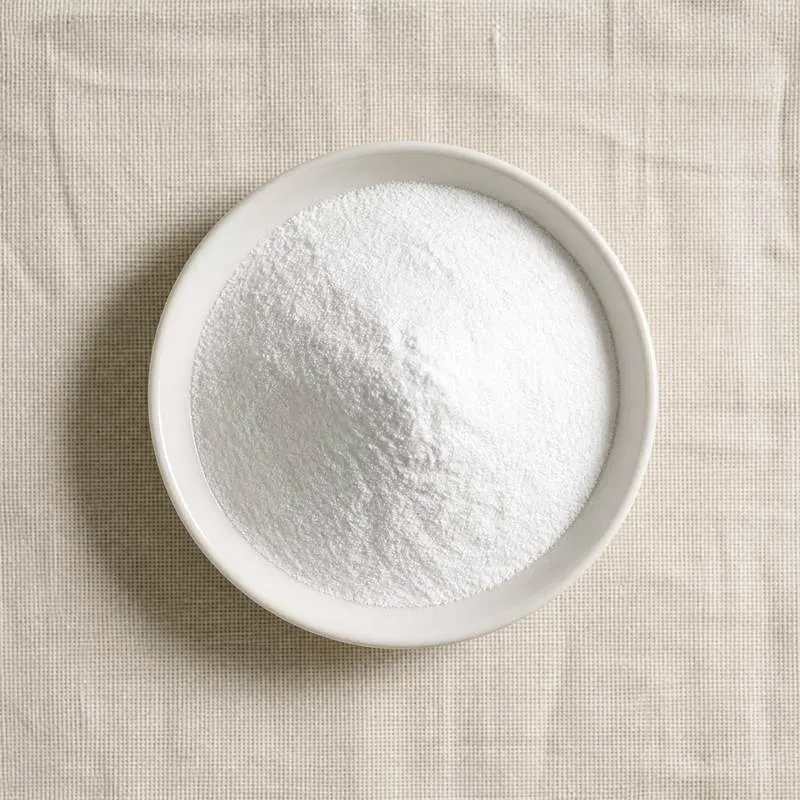
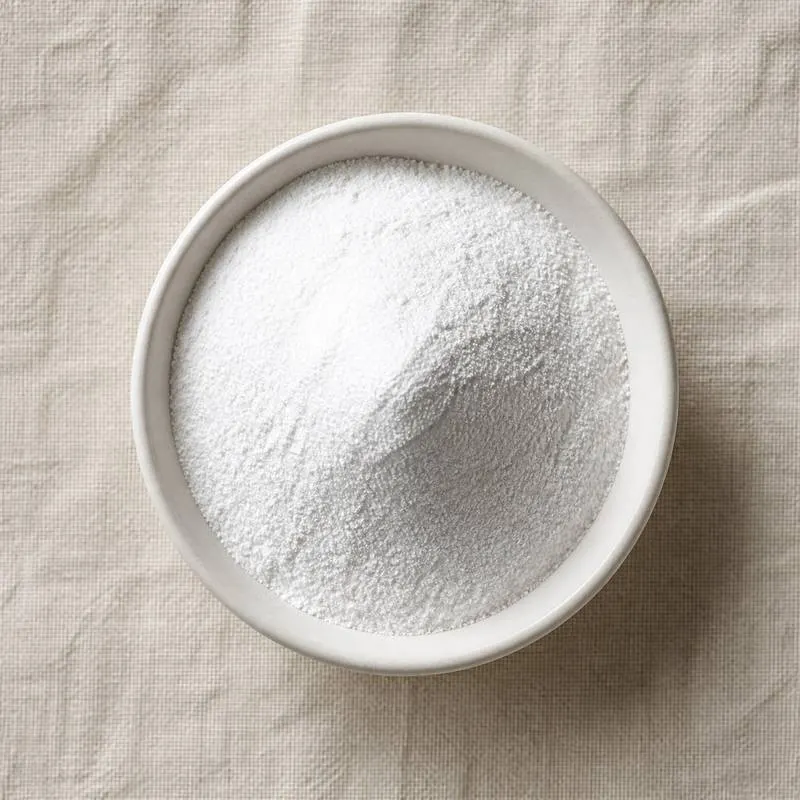
The molecule (CAS 6381-92-6 as the dihydrate, C₁₀H₁₄N₂Na₂O₈·2H₂O, molecular weight 372.24 g/mol) is a white crystalline powder, highly water-soluble, and one of the most widely used metal-ion sequestrants in food, cosmetic, and pharmaceutical manufacturing.
We source bulk Disodium EDTA from top China manufacturers for our partners, working with several of them. The manufacturers are mostly in Guangdong, Hebei and Jiangsu. For this ingredient the minimum order is 500 kg and a 20-foot container takes 22 MT, and a smaller requirement can ship in a combined container with other ingredients.
Please send the grade you need, the volume and your destination port, and we will come back with a solution and a price.
or call +86-21-6858 0751
- Minimum order
- 500 kg
- Qty in 20' FCL
- 22 MT
- Packaging
- 25 kg kraft paper bag with PE inner liner
- ISO 9001
- HACCP
- Halal
- Kosher
Specifications
| Item | Specification |
|---|---|
| Appearance | White crystalline powder or granules |
| Identification | Conforms |
| Assay (C10H14N2Na2O8, dried basis) | 99.0% ~ 101.0% |
| Chelation Value (as CaCO3) | ≥ 265 mg/g |
| Water (Karl Fischer) | 8.7% ~ 11.4% |
| pH (1% aqueous solution) | 4.0 - 5.0 |
| Nitrilotriacetic Acid | ≤ 0.1% |
| Chloride (Cl) | ≤ 0.01% |
| Sulphate (SO4) | ≤ 0.1% |
| Iron (Fe) | ≤ 10 mg/kg |
| Calcium (Ca) | Negative |
| Heavy Metals (as Pb) | ≤ 10 mg/kg |
| Lead (Pb) | ≤ 5 mg/kg |
| Arsenic (as As) | ≤ 3 mg/kg |
| Mercury (Hg) | ≤ 1 mg/kg |
Common Markets Grades
Disodium EDTA is produced primarily as the dihydrate in fine crystalline and powder grades.
The standard commercial assay is not less than 99 percent on a dried basis.
FCC food-grade material is the standard supply for food and beverage applications.
USP-NF, BP, and Ph. Eur. pharmacopoeial grades are produced for parenteral preparations, ophthalmic solutions, and contrast media manufacturing where heavy metal limits are tight.
Cosmetic-grade material is sold under the INCI name Disodium EDTA. Industrial-grade material is produced for paper, textile, and water-treatment applications, typically at slightly lower assay and without the residual metal certification required for food and pharma.
Applications
- Canned beans, mushrooms, and pulses to prevent metal-catalysed discoloration
- Salad dressings and mayonnaise to protect the lipid phase from iron-catalysed oxidation
- Carbonated soft drinks and ready-to-drink products to chelate trace iron and copper
- Beer brewing to stabilise foam and colour against metal-catalysed oxidation
- Canned crustaceans to prevent struvite (magnesium ammonium phosphate) crystal formation
- Cosmetic and personal-care formulations as a chelating stabiliser for emulsions
- Pharmaceutical preparations including parenteral solutions and ophthalmic drops
- Hair colourants and oxidative bleach formulations
- Liquid laundry detergents to suppress metal-catalysed redeposition
- Industrial water-treatment processes for boiler scale control
- Photographic and printing developer formulations
Brands Using Disodium EDTA
Widely-distributed consumer products that list Disodium EDTA on the ingredient label.
- Dove (Unilever)Dove Damage Therapy Anti-Frizz & Smooth Shampoo ↗Official product ingredient list includes 'Disodium EDTA' as a chelating agent in the shampoo formulation.Label verified 2026-05-24
- Olay (P&G)Olay Regenerist Micro-Sculpting Cream ↗Official product ingredient list contains 'Disodium EDTA' among the formulation stabilizers.Label verified 2026-05-24
- Olay (P&G)Olay Complete + Hydrating Lotion Sensitive ↗Olay product page ingredient list includes 'Disodium EDTA' as a chelating stabilizer.Label verified 2026-05-24
- Neutrogena (J&J/Kenvue)Neutrogena Hydro Boost Exfoliating Cleanser ↗Neutrogena's official skincare glossary and the product ingredient list reference Disodium EDTA, used as a chelating agent to bind metal ions and stabilize the formula.Label verified 2026-05-24
- Cetaphil (Galderma)Cetaphil Intensive Moisturizing Cream ↗Cetaphil's official product ingredient list contains Disodium EDTA in a concentration typically below 1% as a chelating agent.Label verified 2026-05-24
Brand names, product names and logos are the property of their owners. They appear here as published evidence that the ingredient is used, taken from the brand's own label or website. Their appearance is not an endorsement, and it does not mean the brand buys from us or from any manufacturer listed on this site.
China Manufacturers of Disodium EDTA
Top Disodium EDTA manufacturers in China.
- Guangzhou Bioche Biotech Co., Ltd.1 ingredient in the directory
- Hebei Huahe Food Technology Co., Ltd.3 ingredients in the directory
 Nantong Alchemy Biotech Development Co., Ltd.8 ingredients in the directory
 Qingdao Dawei Biological Engineering Co., Ltd.8 ingredients in the directory
Company names and logos are the property of the manufacturers themselves. They are listed here because our own directory records them as producing this ingredient. A listing is not an endorsement by them, and we do not represent them or speak on their behalf.
How We Help Source Disodium EDTA
Direct Factory Sourcing
We run the whole process: selecting the manufacturer from the top Chinese food ingredient producers, negotiating the price, verifying quality, and coordinating the logistics. You deal with us instead of with several factories at once.
Original Packaging and Documents from the Manufacturer
The manufacturer sends your Disodium EDTA out of its own factory in the original packing, through to your destination port. The COA, COO, MSDS, TDS and any certifications reach you from the manufacturer as well.
Free Samples and Lead Time
We send 100 to 500 g free for your own laboratory to test and you cover only the courier, usually within 2 to 3 working days. ETD is usually within 7 to 15 days once the order is confirmed, and we check that date against the factory's own manufacturing schedule before we give it to you.
Combined Shipment
We can load Disodium EDTA together with other ingredients such as Ascorbyl Palmitate, Erythorbic Acid and Ferric Sodium Edetate into one 20' FCL. If your quantity is small, we can also ship LCL.
Regulatory Status
Disodium EDTA is approved as a food additive in essentially every regulated market.
In the European Union it carries the E number E385 (formally Calcium Disodium EDTA is E385, while Disodium EDTA itself is permitted in defined cosmetic and pharmaceutical applications and reviewed alongside its calcium-disodium counterpart for food use).
The U.S. FDA permits Disodium EDTA in defined food categories under 21 CFR 172.135.
JECFA has reviewed the chelating EDTA family and assigned a group ADI expressed as Calcium Disodium EDTA.
Pharmacopoeial monographs appear in USP-NF, the European Pharmacopoeia, the British Pharmacopoeia, and the Japanese Pharmacopoeia. The substance is listed in the EU CosIng database for cosmetic use.
Manufacturing Process
Disodium EDTA is produced industrially by the Singer process, named after the original DuPont chemist Frederick C. Bersworth's collaborator who refined the route.
The synthesis condenses ethylenediamine with formaldehyde and sodium cyanide in aqueous sodium hydroxide, then hydrolyses the intermediate tetranitrile to the tetraacetic acid sodium salts.
The reaction mass is acidified to precipitate free EDTA, which is filtered, washed, and converted to the disodium salt by controlled addition of sodium hydroxide to a pH of approximately 4.5.
The neutral solution is filtered, evaporated under vacuum, and crystallised as the dihydrate.
Each lot is verified by assay, water content, heavy metals (notably lead, arsenic, and mercury), and free amine residues. The major global producers are based in Germany (BASF), the Netherlands (Nouryon), the U.S. (Innospec), and China (multiple producers in Shandong, Jiangsu, and Hubei).