Alpha-Ketoglutarate
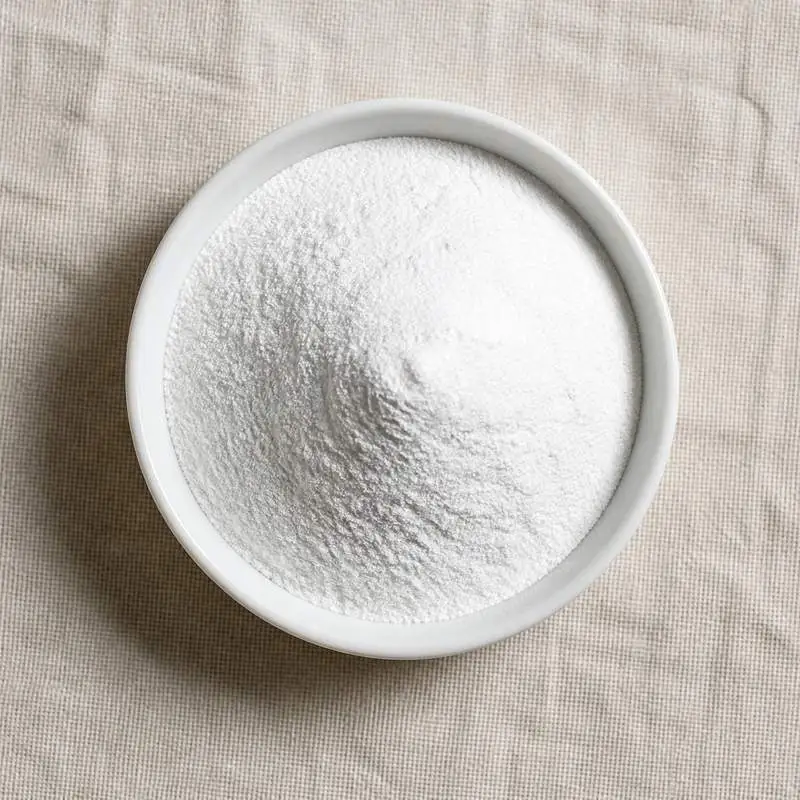
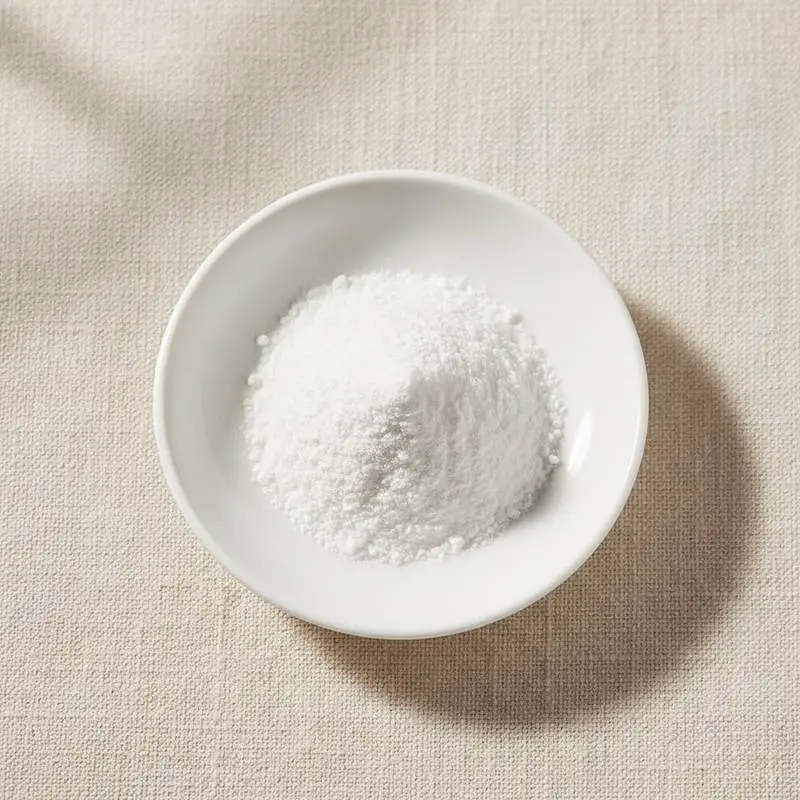
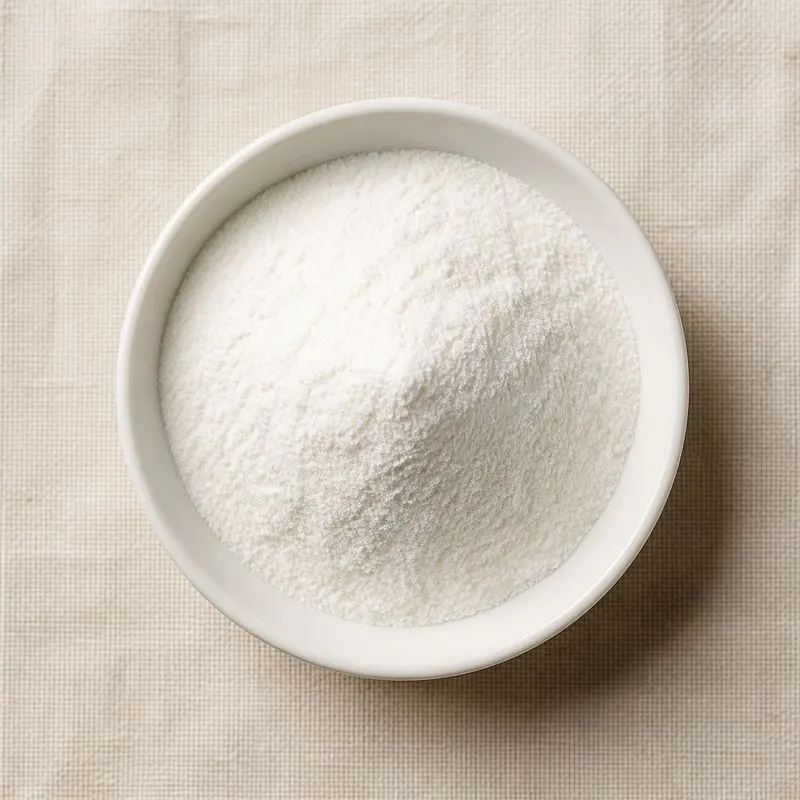
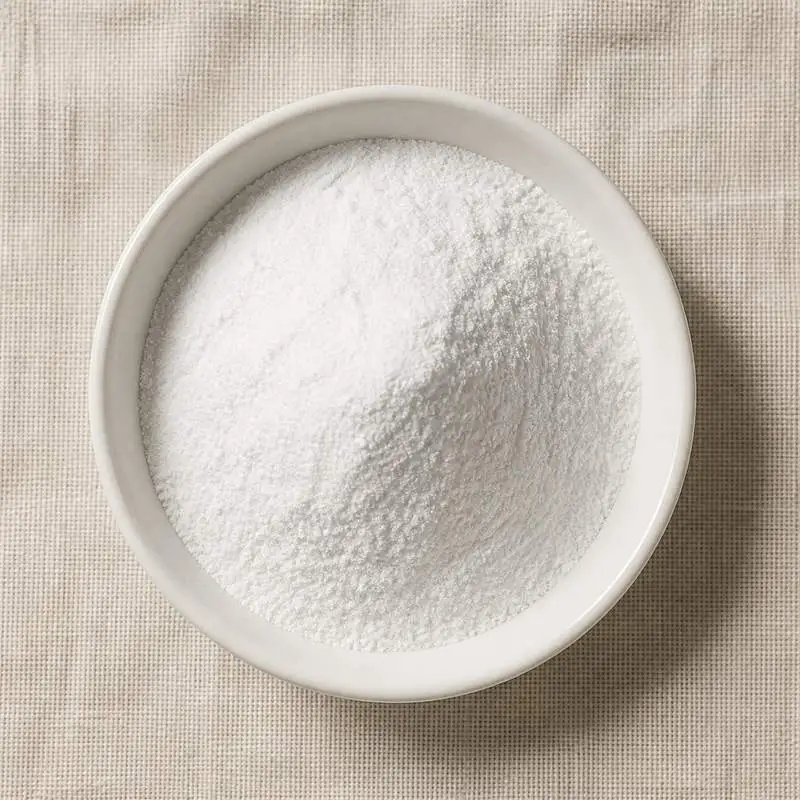
Alpha-Ketoglutarate is a five-carbon dicarboxylic keto-acid (C₅H₆O₅, molar mass 146.10 g/mol, CAS 328-50-7) that occupies a central position in the citric acid cycle. The free acid presents as a white to off-white crystalline powder, freely soluble in water with a sharp acidic taste.
It functions both as a metabolic intermediate and as a substrate for a family of dioxygenase enzymes that regulate gene expression, collagen synthesis, and the cellular response to oxygen. This dual role underlies its appeal in longevity and performance supplementation.
We source bulk Alpha-Ketoglutarate from top China manufacturers for our partners. The manufacturer is in Hebei. A smaller requirement can ship in a combined container with other ingredients.
Please send the grade you need, the volume and your destination port, and we will come back with a solution and a price.
or call +86-21-6858 0751
- Packaging
- 25 kg kraft paper bag with PE inner liner
- ISO 9001
- HACCP
- Halal
- Kosher
Specifications
| Item | Specification |
|---|---|
| Appearance | White to off-white crystalline powder |
| Identification (IR and HPLC) | Conforms to reference standard |
| Assay (HPLC, dried basis) | ≥ 99.0% |
| Loss on Drying | ≤ 0.5% |
| Residue on Ignition | ≤ 0.1% |
| pH (1% aqueous solution) | 1.5-2.5 |
| Melting Point | 112-116 °C |
| Particle Size (through 80 mesh) | ≥ 95% |
| Chloride (as Cl) | ≤ 0.05% |
| Sulphate (as SO₄) | ≤ 0.05% |
| Heavy Metals (as Pb) | ≤ 10 mg/kg |
| Arsenic | ≤ 1 mg/kg |
| Residual Solvents | Conforms |
| Total Plate Count | ≤ 1,000 cfu/g |
| Salmonella | Negative/25g |
Common Markets Grades
Alpha-Ketoglutarate comes as the free acid at not less than 98 percent purity by titration or HPLC. The free acid is the lowest-cost format and is preferred where pH adjustment in the finished formulation is feasible.
Salt forms dominate the commercial market because the free acid is hygroscopic and acidic enough to cause stability issues in tablets and capsules. Calcium, sodium, magnesium, ornithine, and arginine salts are all in routine use.
Pharmaceutical-grade material is produced with extended specifications on residual solvents, heavy metals, and microbial limits for parenteral nutrition and clinical research applications.
An enteric-coated and microencapsulated grade is produced for time-release dosage forms targeting downstream intestinal absorption.
Applications
- Longevity dietary supplements positioned around epigenetic aging and healthspan
- Sports nutrition for nitrogen handling, recovery, and ammonia clearance
- Pre-workout and intra-workout blends with branched-chain amino acids
- Clinical and medical nutrition formulas for surgical recovery and wound healing
- Parenteral nutrition components in hospital pharmacy preparations
- Veterinary feed additives for swine, poultry, and aquaculture production
- Bone-health formulations using the calcium salt form
- Skincare actives targeting collagen support through prolyl hydroxylase activity
- Functional foods and beverages for active-aging consumer segments
- Renal-support medical foods in chronic kidney disease research
- Reference material for metabolomics method development and TCA cycle assays
Brands Using Alpha-Ketoglutarate
Widely-distributed consumer products that list Alpha-Ketoglutarate on the ingredient label.
- RejuvantRejuvant LifeAKG (Calcium Alpha-Ketoglutarate) ↗Patented LifeAKG calcium alpha-ketoglutarate formulation for longevity.Label verified 2026-05-24
- DoNotAgeCa-AKG (60 Capsules) ↗Calcium alpha-ketoglutarate capsules for cellular energy and healthy aging.Label verified 2026-05-24
- NOW FoodsAAKG 2200 Veg Capsules ↗Arginine alpha-ketoglutarate (AAKG); 2200mg daily dose for sports nutrition.Label verified 2026-05-24
- NOW FoodsAAKG 3500 Tablets ↗Arginine alpha-ketoglutarate tablets; 3500mg daily dose for pre-workout.Label verified 2026-05-24
Brand names, product names and logos are the property of their owners. They appear here as published evidence that the ingredient is used, taken from the brand's own label or website. Their appearance is not an endorsement, and it does not mean the brand buys from us or from any manufacturer listed on this site.
China Manufacturers of Alpha-Ketoglutarate
Top Alpha-Ketoglutarate manufacturers in China.

Company names and logos are the property of the manufacturers themselves. They are listed here because our own directory records them as producing this ingredient. A listing is not an endorsement by them, and we do not represent them or speak on their behalf.
How We Help Source Alpha-Ketoglutarate
Direct Factory Sourcing
We run the whole process: selecting the manufacturer from the top Chinese food ingredient producers, negotiating the price, verifying quality, and coordinating the logistics. You deal with us instead of with several factories at once.
Original Packaging and Documents from the Manufacturer
The manufacturer sends your Alpha-Ketoglutarate out of its own factory in the original packing, through to your destination port. The COA, COO, MSDS, TDS and any certifications reach you from the manufacturer as well.
Free Samples and Lead Time
We send 100 to 500 g free for your own laboratory to test and you cover only the courier, usually within 2 to 3 working days. ETD is usually within 7 to 15 days once the order is confirmed, and we check that date against the factory's own manufacturing schedule before we give it to you.
Combined Shipment
We can load Alpha-Ketoglutarate together with other ingredients such as Arachidonic Acid, Coenzyme Q10 and Chondroitin Sulphate Sodium into one 20' FCL. If your quantity is small, we can also ship LCL.
Regulatory Status
Alpha-Ketoglutarate is a permitted dietary ingredient in the United States and is not classified as a novel food in the European Union when used in traditional supplement applications.
The free acid and several of its salts are listed in the European Union's positive list of substances permitted in food supplements, with no maximum levels assigned beyond general safety considerations.
The substance is recognised as a metabolic component in clinical nutrition guidelines and has long-standing use in parenteral and enteral formulations.
Kosher and Halal certifications are routinely available for fermentation-derived material. Vegan and vegetarian certifications exist depending on the fermentation feedstock and downstream processing aids.
Manufacturing Process
Industrial Alpha-Ketoglutarate is produced primarily by microbial fermentation. Yeasts of the genus Yarrowia lipolytica and selected bacterial strains accumulate the keto-acid extracellularly when cultivated on glycerol, n-alkane, or rapeseed oil substrates under nitrogen-limited conditions.
After fermentation, biomass is removed by centrifugation or microfiltration, and the keto-acid is recovered through a combination of ion-exchange chromatography, electrodialysis, and crystallisation from aqueous solution.
A chemical synthesis route exists, proceeding from oxalacetate and acetate or from glutamic acid by oxidative deamination, but fermentation is now economically dominant at industrial scale.
Salt forms are produced by neutralising the free acid with the corresponding base, typically calcium hydroxide, sodium carbonate, or the relevant amino acid in aqueous solution, followed by crystallisation and drying.