Maca Extract
Maca extract is a concentrated preparation of the hypocotyl of Lepidium meyenii Walp., a cruciferous root vegetable cultivated on the high Andean plateau of Peru at altitudes above four thousand metres. Botanically it is a relative of radish and cress, and its chemistry reflects that: the characteristic constituents are glucosinolates, principally glucotropaeolin, and their breakdown products the benzyl isothiocyanates, alongside a group of compounds unique to the species.
Those unique compounds are the macamides, a family of benzylamides of long chain fatty acids, and the macaenes, unsaturated fatty acids, both of which are lipophilic and are the markers used for alcohol-extracted grades. The root also carries sterols, alkaloids referred to as macaridine and the lepidilines, and a large starch fraction, since maca is a storage root and starch accounts for the majority of its dry weight.
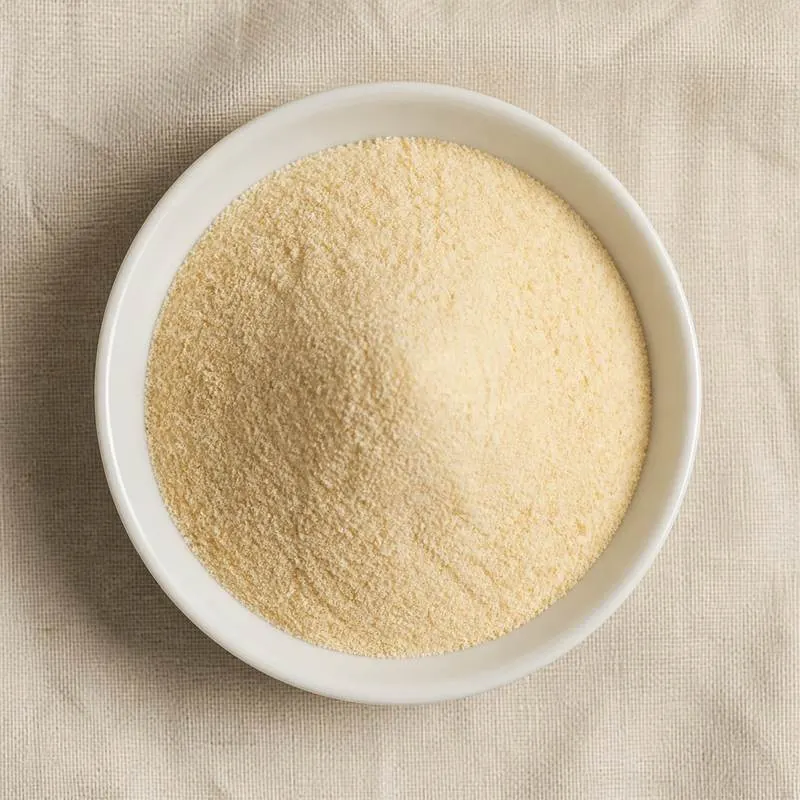
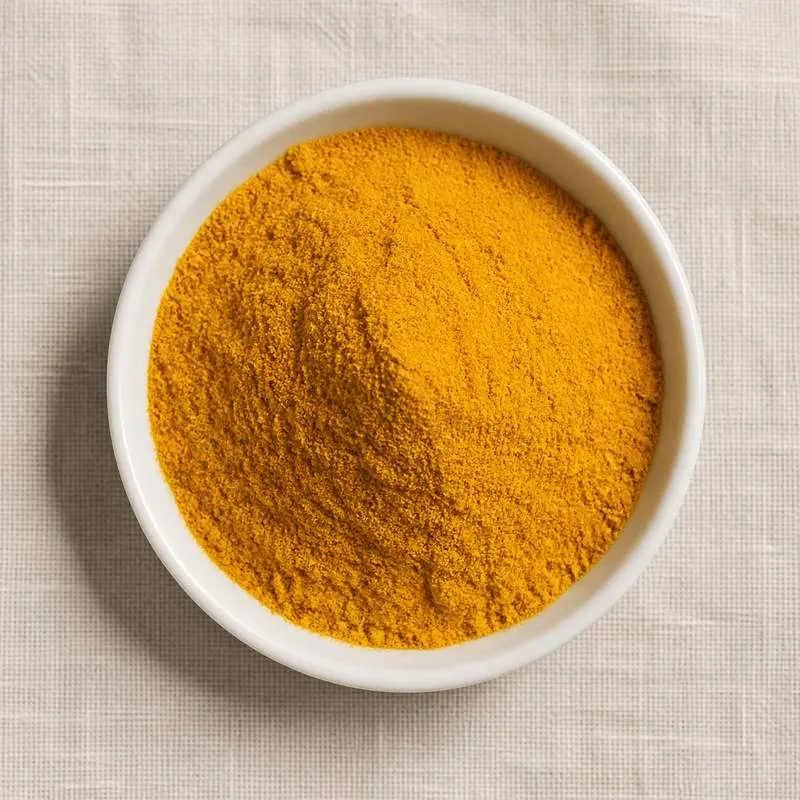
Extracts come as light yellow to light brown fine powders with a distinct earthy, malty, faintly mustard-like odour and a slightly sweet, nutty taste that carries into any finished product and generally has to be accommodated rather than masked. Water extracts and gelatinised powders disperse readily; the macamide-rich alcohol extracts are poorly water soluble. The glucosinolate fraction is enzymatically degraded by native myrosinase once the root is cut and wetted, so processing conditions determine whether the finished material carries intact glucosinolates or their isothiocyanate breakdown products.
We source bulk Maca Extract from top China manufacturers for our partners. The manufacturer is in Shaanxi. A smaller requirement can ship in a combined container with other ingredients.
Please send the grade you need, the volume and your destination port, and we will come back with a solution and a price.
or call +86-21-6858 0751
- Function
- Plant extract
Specifications
| Item | Specification |
|---|---|
| Botanical Source | Lepidium meyenii Walp., dried hypocotyl |
| Appearance | Light yellow to light brown fine powder |
| Total Macamides | ≥ 0.6% |
| Total Glucosinolates | ≥ 0.5% |
| Identification | Conforms by TLC and HPLC to reference extract |
| Loss on Drying | ≤ 5.0% |
| Ash | ≤ 6.0% |
| Residual Solvent (Ethanol) | ≤ 5,000 mg/kg |
| Lead | ≤ 2.0 mg/kg |
| Arsenic | ≤ 1.0 mg/kg |
| Total Plate Count | ≤ 10,000 cfu/g |
| Yeast and Mould | ≤ 100 cfu/g |
| E. coli | Negative in 1 g |
| Salmonella | Negative in 25 g |
Common Markets Grades
The commodity distinction that matters most is between gelatinised maca powder and true extract. Gelatinised maca is milled root that has been heated under pressure to burst and pregelatinise the starch, improving digestibility and dispersion; it is not an extract, it is milled root, and it is often sold alongside extracts under similar names. Raw maca powder is simply the dried milled root.
True extracts are traded as ratio extracts at 4:1, 10:1 or 20:1, or standardised on macamides, commonly at 0.6 percent total macamides for the higher grades, or on glucosinolates, commonly at 0.5 to 1.0 percent. Colour type is a further specification: yellow, red and black maca are grown as separate populations and the trade prices them differently, with black and red material at a premium, so the specification should state the hypocotyl colour rather than leaving it open. Extraction solvent is stated, since water extracts carry the polysaccharide and glucosinolate fractions while alcohol extracts carry the macamides. Organic certified material is a substantial part of the trade, and origin is specified because material grown outside the Andean altiplano differs in composition.
Applications
- Energy, stamina and vitality supplements in capsule and tablet form, the largest outlet
- Sexual health and libido formulas, the application the ingredient is best known for
- Women's health products aimed at the menopausal transition
- Sports nutrition and pre-workout powders, where the malty flavour suits chocolate and coffee bases
- Smoothie, shake and meal replacement powders using the gelatinised grade for dispersion
- Functional beverages and energy drinks formulated on the standardised extract
- Bakery, cereal bars and confectionery, where the nutty character is used deliberately
- Men's health and hormonal support blends, combined with tribulus, ashwagandha and zinc
- Companion animal supplements aimed at older animals
Brands Using Maca Extract
Widely-distributed consumer products that list Maca Extract on the ingredient label.
- Oregon's Wild HarvestMaca, Organic Extract ↗A 1 oz liquid herbal extract whose ingredients are organic maca root, organic alcohol and distilled water at a 1:3 ratio.Label verified 2026-08-31
- Viridian NutritionOrganic Maca Extract ↗Each capsule contains 400 mg of organic maca root extract, equivalent to 1600 mg of dry whole root.Label verified 2026-08-31
- Nature's WayMaca Standardized Extract ↗A capsule supplement of standardised maca root extract from Peruvian grown Lepidium meyenii.Label verified 2026-08-31
- BulkSupplementsMaca Root Extract Capsules ↗Capsules of maca root extract sold as a single-ingredient adaptogen supplement.Label verified 2026-08-31
Brand names, product names and logos are the property of their owners. They appear here as published evidence that the ingredient is used, taken from the brand's own label or website. Their appearance is not an endorsement, and it does not mean the brand buys from us or from any manufacturer listed on this site.
China Manufacturers of Maca Extract
Top Maca Extract manufacturers in China.

Company names and logos are the property of the manufacturers themselves. They are listed here because our own directory records them as producing this ingredient. A listing is not an endorsement by them, and we do not represent them or speak on their behalf.
Regulatory Status
In the United States maca root has a history of food use as an Andean vegetable and is handled as a conventional food ingredient, while extracts are marketed as dietary ingredients under the Dietary Supplement Health and Education Act, with manufacture under 21 CFR Part 111. The Food and Drug Administration has not issued a food additive regulation specific to maca, and structure and function claims rather than disease claims are the permitted labelling.
In the European Union the Commission novel food catalogue records Lepidium meyenii hypocotyl as having been used as a food to a significant degree before May 1997, so the dried root and conventional preparations of it are not novel foods. That position covers the root itself; concentrated extracts standardised well beyond traditional intake require checking against the novel food Regulation on their own specification. No health claim for maca appears on the EU register of authorised claims, so the sexual health and energy claims commonly made in other markets cannot be used on an EU food label. As a cruciferous material, maca carries glucosinolates, and thyroid effects associated with high glucosinolate intake are the reason processed rather than raw preparations dominate the trade. Neither Codex nor JECFA has published a specification for maca or its extracts.
Manufacturing Process
Hypocotyls are harvested after seven to nine months in the field, then traditionally sun dried on the altiplano over one to three months, a slow freeze-thaw drying that the Andean trade regards as part of the product identity, or dried industrially in hot air tunnels at 50 to 60 degrees Celsius. The dried root is washed, inspected, graded by colour where a single-colour grade is being made, and milled to a coarse powder.
For a water-soluble extract the milled root is extracted by countercurrent percolation with hot water, which recovers the polysaccharide, sugar and glucosinolate fractions but leaves the macamides behind. For a macamide-standardised grade the root is extracted with aqueous ethanol at 60 to 80 percent, or with supercritical carbon dioxide where a solvent-free lipophilic fraction is wanted. The liquor is filtered to remove root fibre and starch, the ethanol is recovered under vacuum, and the concentrate is passed over macroporous adsorption resin where a higher assay is required, with graded ethanol elution releasing the enriched fraction. The eluate is concentrated under vacuum at moderate temperature, standardised by blending or with a maltodextrin carrier, then spray dried or vacuum belt dried, sieved and packed with a moisture barrier. Gelatinised powder follows an entirely different route in which the dried root is extruded or pressure cooked to gelatinise the starch, then dried and milled without any extraction step at all.