Mala Oil
Mala Oil is a seasoning oil in which the pungent and aromatic fractions of dried chilli and Sichuan pepper have been transferred into a refined edible oil by controlled hot infusion. The name describes the two sensations it delivers, ma for the tingling numbness of the Sichuan pepper and la for the burning heat of the chilli. Both actives are lipophilic, which is why oil rather than water is the carrier: capsaicin and dihydrocapsaicin from the chilli dissolve readily into the fat phase, as do the alkylamides hydroxy alpha sanshool and hydroxy beta sanshool from the pepper, along with the carotenoid pigments that give the oil its red colour.
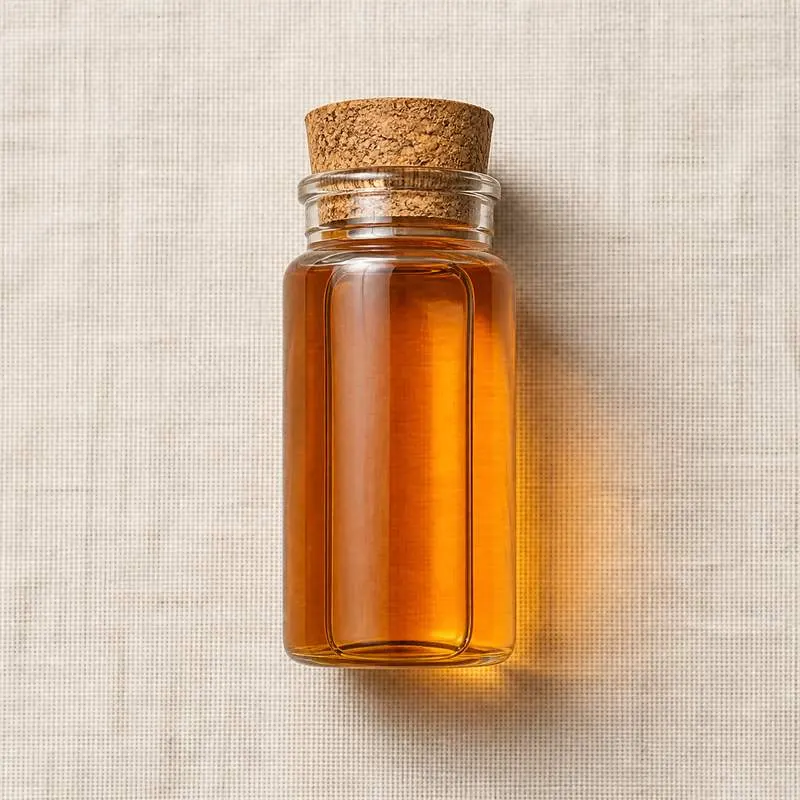
It is a clear to slightly hazy red to dark red oil, usually on rapeseed, soybean or blended vegetable oil, and sometimes with beef tallow as part of the fat for a fuller mouthfeel. Sediment grades retain suspended chilli flakes and sesame; clear grades are filtered. The two actives behave differently on storage: capsaicin is stable to heat and light, while the sanshools degrade steadily with heat, light and oxygen, so a mala oil loses its numbing character faster than its heat. Nitrogen filling into light shielded containers is standard.
We source bulk Mala Oil from top China manufacturers for our partners. The manufacturer is in Hebei. A smaller requirement can ship in a combined container with other ingredients.
Please send the grade you need, the volume and your destination port, and we will come back with a solution and a price.
or call +86-21-6858 0751
- Function
- Flavours and Aromas
Specifications
| Item | Specification |
|---|---|
| Appearance | Clear to slightly hazy red to dark red oil |
| Odour and Taste | Characteristic spicy and numbing, no scorched or rancid note |
| Colour Value | Not less than 30 ASTA units |
| Capsaicin Content | As declared, plus or minus 10 percent relative |
| Total Sanshool Alkylamides | Not less than 0.05 percent |
| Moisture and Volatile Matter | Not more than 0.2 percent |
| Acid Value | Not more than 3.0 mg KOH per gram |
| Peroxide Value | Not more than 5.0 meq per kg |
| Aflatoxin B1 | Not more than 5 microgram per kg |
| Benzo a pyrene | Not more than 2 microgram per kg |
| Lead | Not more than 0.1 mg per kg |
| Arsenic | Not more than 0.1 mg per kg |
| Total Plate Count | Not more than 1000 cfu per gram |
| Salmonella | Absent in 25 g |
Common Markets Grades
Heat and numbness are specified independently, since a buyer may want one without much of the other. Heat is quoted on capsaicin content or on a Scoville equivalent, numbness on total sanshool content or against a tingling reference sample. Aroma level is a third figure, set by the volatile oil carried over from the pepper and by any aromatic spices infused alongside.
Fat system is the second axis. Pure vegetable oil grades are lighter, cleaner and more stable, and suit vegetarian and export markets. Tallow containing grades give the traditional Sichuan mouthfeel but set at ambient temperature and have a shorter oxidative shelf life. Beyond that, buyers specify clear against sediment, colour value where the oil is used for appearance as well as flavour, whether the actives come from infused whole spice or from added oleoresin, which is cheaper and more consistent, and whether an antioxidant is present.
Applications
- Cold dressed dishes and noodle dressings, where no further cooking will strip the aroma
- Hot pot dipping sauces and finishing oils served at the table
- Instant noodle oil sachets, added to the cup at reconstitution
- Mala xiang guo and spicy stir fry dishes, replacing separate chilli and pepper additions
- Marinades and braising liquors for poultry and offal
- Snack seasoning for coated nuts, broad beans and extruded snacks
- Prepared sauces and stir fry pastes, dosed at the end of the cook
- Chilled ready meals with a Sichuan claim
- Sausage and processed meat in numbing spicy variants, where the fat phase carries the actives
- Catering kitchens, as a standardised replacement for infusing spice in house
China Manufacturers of Mala Oil
Top Mala Oil manufacturers in China.

Company names and logos are the property of the manufacturers themselves. They are listed here because our own directory records them as producing this ingredient. A listing is not an endorsement by them, and we do not represent them or speak on their behalf.
Regulatory Status
In the United States the product is a food compounded from its components rather than an additive. Spices and their essential oils and oleoresins are generally recognised as safe under 21 CFR 182.10 and 182.20, and refined vegetable oils are standard food ingredients. Any antioxidant used to protect the oil, such as tocopherols, ascorbyl palmitate or a permitted synthetic phenolic antioxidant, carries its own clearance and use level, and must be declared with its function on the label.
In the European Union spices and vegetable oil are foods rather than additives and are declared by name, while Regulation (EC) No 1333/2008 governs antioxidants with defined E numbers and maximum levels in fats and oils. Where oleoresin is used to standardise the actives, that material is a flavouring preparation under Regulation (EC) No 1334/2008 and the extraction solvent used to make it is subject to the directive on extraction solvents. Contaminant limits apply to the raw spice, in particular for aflatoxins and ochratoxin A in chilli, and for pesticide residues. Codex has adopted commodity standards for named vegetable oils and for chilli and paprika, and a general standard covering the antioxidant classes used.
Manufacturing Process
Refined vegetable oil is heated in a jacketed kettle or a continuous infusion line to a temperature window that is high enough to extract the actives but low enough to avoid scorching the chilli, which produces bitter and burnt notes that cannot be removed later. The aromatics are added in sequence. Ginger, garlic, spring onion and any whole spices go in first at the higher temperature so that their water is driven off and Maillard character develops in the oil. The oil is then cooled to a lower temperature before the milled chilli is added, since chilli pigment and capsaicin transfer well below the scorching point. Sichuan pepper goes in last and at the lowest temperature of the sequence, because its alkylamides and its linalool rich volatile fraction are the most heat sensitive components in the process.
The infused mass is held with gentle agitation until extraction is complete, then either left to settle for a sediment grade or separated by decanter centrifuge and filtered for a clear grade. The oil is standardised on capsaicin, sanshool and colour by blending against a reference sample, with oleoresin added back where the infusion has fallen short. Antioxidant is dosed where specified, and the finished oil is filled under nitrogen into light shielded drums or bottles.