Maleic Acid
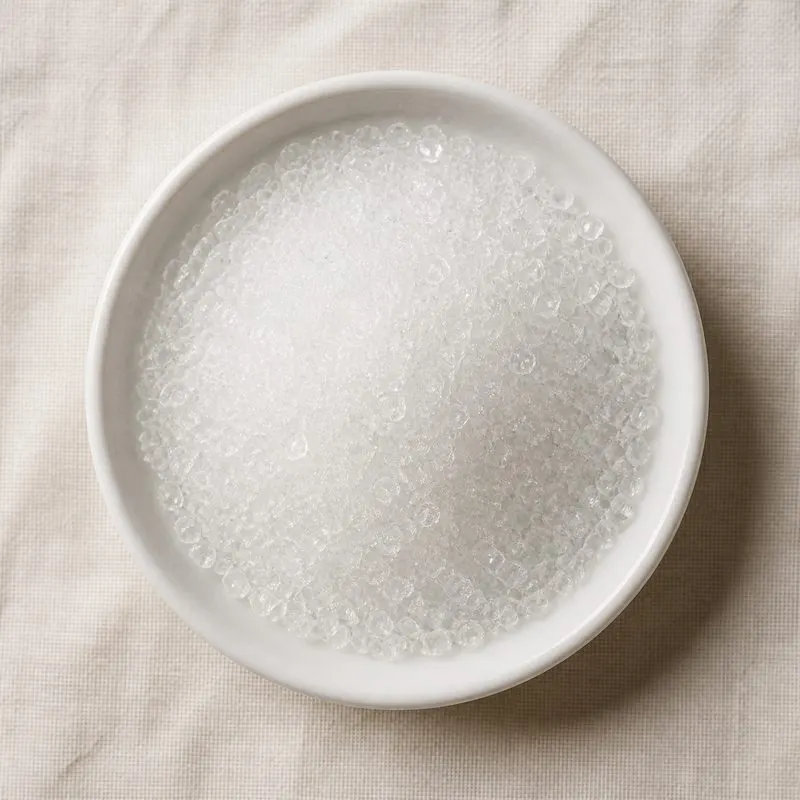
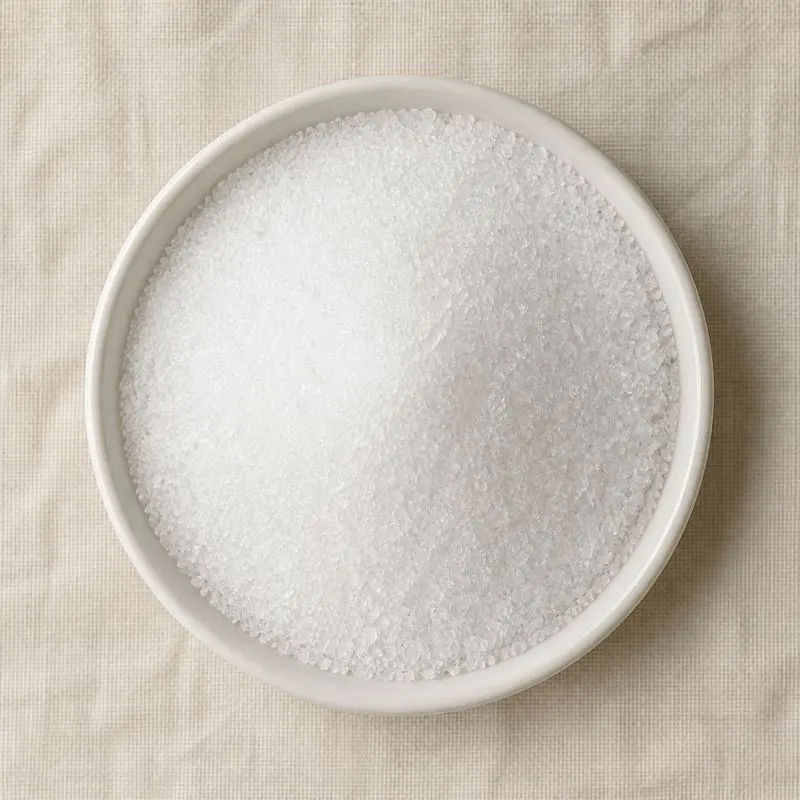
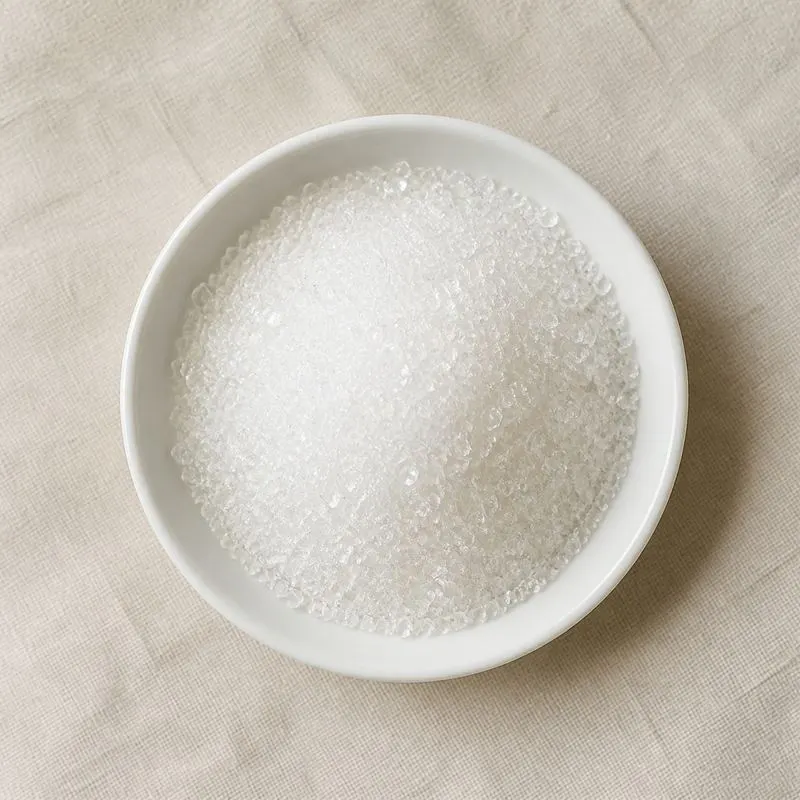
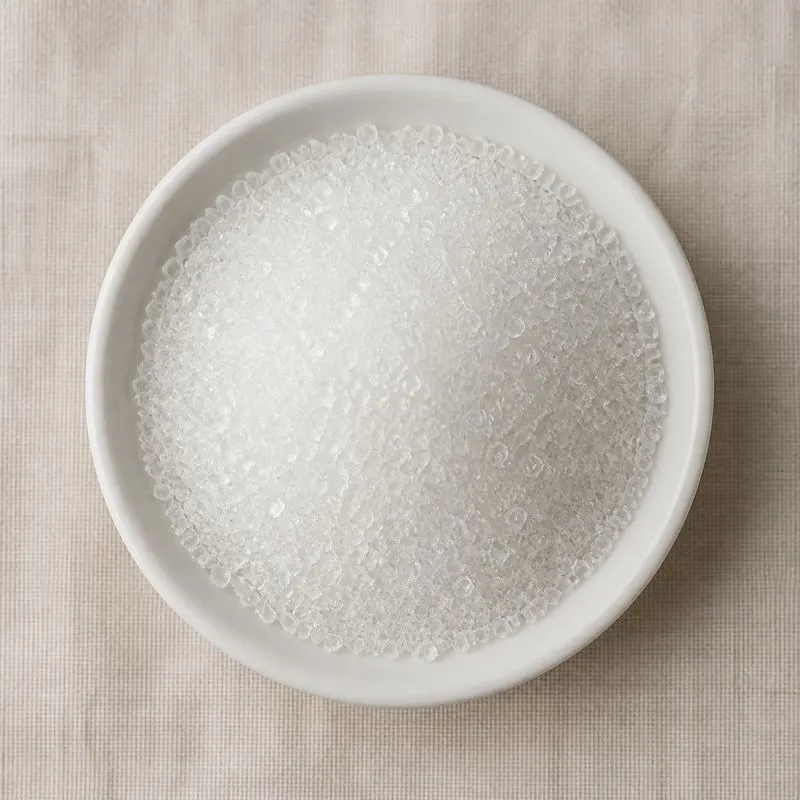
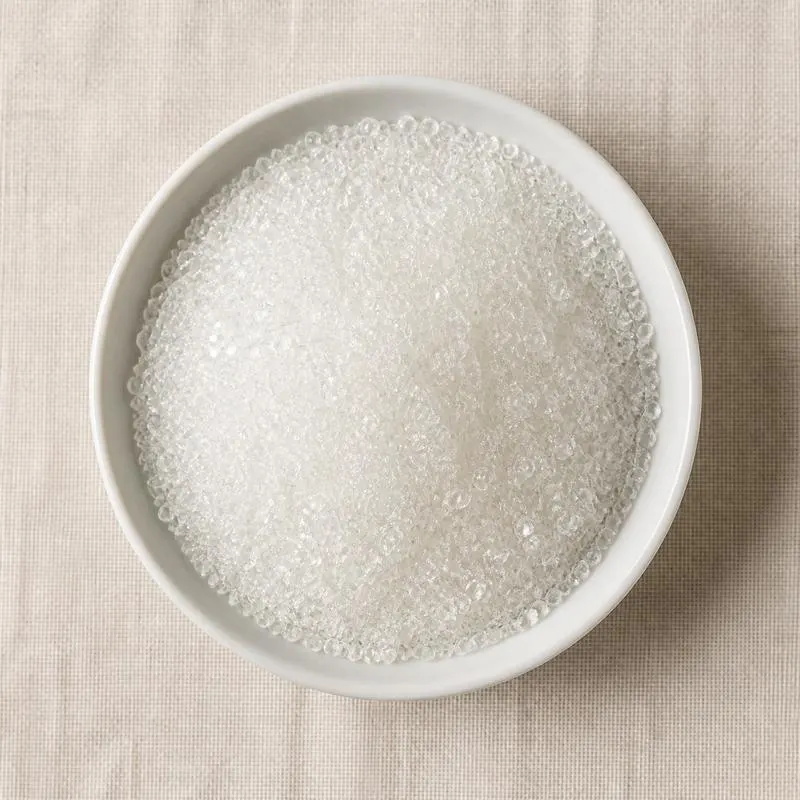
Maleic Acid is the cis isomer of butenedioic acid, with the molecular formula C₄H₄O₄ and the systematic name (2Z)-but-2-enedioic acid. It is a white crystalline solid with a sharp, astringent taste and high water solubility, formed by the locked cis geometry of its two carboxyl groups across a central C=C double bond.
The compound is a high-volume chemical-industry intermediate produced almost entirely as a hydrolysis product of maleic anhydride. It is not authorised as a food additive in the European Union, the United States, or most other major jurisdictions; its trans isomer fumaric acid is the food-grade counterpart.
We source bulk Maleic Acid from top China manufacturers for our partners. The manufacturer is in Shanxi. A smaller requirement can ship in a combined container with other ingredients.
Please send the grade you need, the volume and your destination port, and we will come back with a solution and a price.
or call +86-21-6858 0751
- Packaging
- 25 kg kraft paper bag with PE inner liner
- Function
- Acidulant
- ISO 9001
- HACCP
- Halal
- Kosher
Specifications
| Item | Specification |
|---|---|
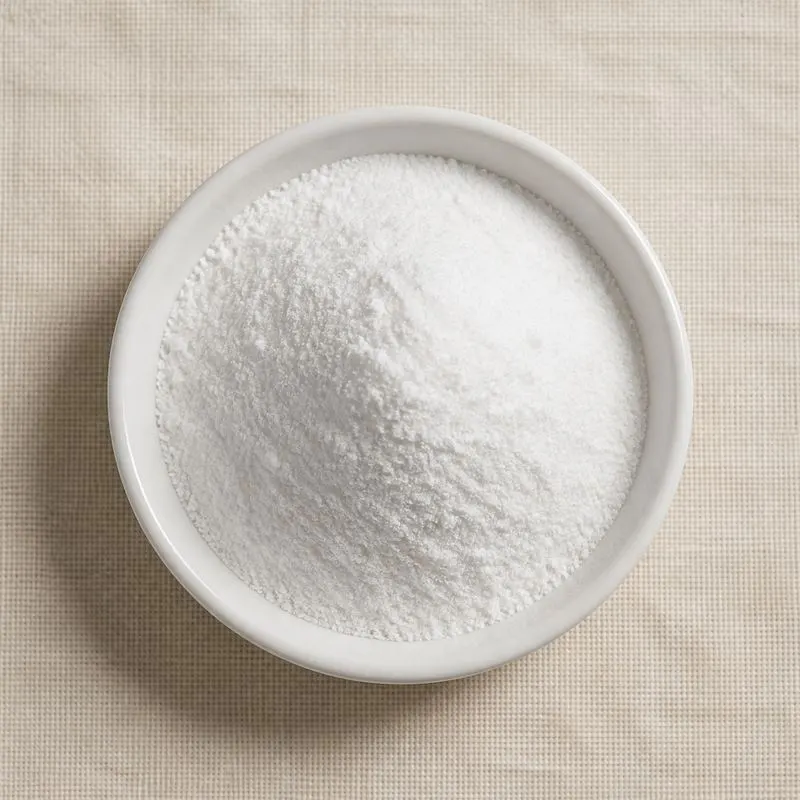
| Appearance | White crystalline powder or colourless crystals |
| Assay (as C₄H₄O₄) | 99.0-101.0% |
| Melting Range | 130-139°C |
| Solubility in Water (25°C) | ≥ 78 g/100 g |
| Water (Karl Fischer) | ≤ 2.0% |
| Residue on Ignition | ≤ 0.1% |
| Iron (as Fe) | ≤ 5 mg/kg |
| Fumaric Acid | ≤ 1.5% |
| Maleic Anhydride | ≤ 0.1% |
| Sulfate (as SO₄) | ≤ 0.05% |
| Colour of Solution (10% w/v) | Clear and colourless |
| Heavy Metals (as Pb) | ≤ 10 mg/kg |
| Lead (as Pb) | ≤ 2 mg/kg |
| Arsenic (as As) | ≤ 2 mg/kg |
| Shelf Life | 24 months from date of manufacture, stored sealed, cool and dry |
Common Markets Grades
There are two grades of Maleic Acid, industrial and reagent, and no food grade in the conventional sense.
Industrial grade at 99.0 percent minimum is the main commercial form, used for unsaturated polyester resin manufacture, agrochemical synthesis, and surfactant chemistry. Iron, sulphate, and residual maleic anhydride are the principal specified impurities.
A reagent or pharmaceutical-intermediate grade at 99.5 percent minimum is produced for the manufacture of maleate salts of pharmaceutical actives (for example, chlorpheniramine maleate, enalapril maleate, pyrilamine maleate). This tier carries tighter heavy-metal, residual-solvent, and colour limits and is used to support EP, USP, or JP active-pharmaceutical-ingredient monographs of the downstream salt.
Analytical reference material at 99.9 percent is produced for HPLC and titrimetric calibration. There is no commercial cis/trans isomer split for maleic acid itself, since the trans isomer (fumaric acid) is produced and marketed as a separate, distinct product.
Applications
- Manufacture of unsaturated polyester resins (UPR) for fiberglass, marine composites, and gel coats
- Production of pharmaceutical maleate salts (chlorpheniramine, enalapril, pyrilamine, timolol, fluvoxamine and others)
- Intermediate in agrochemical synthesis, including malathion and certain plant-growth regulators
- Feedstock for surfactants based on sulfo-succinate chemistry via reaction with sodium bisulfite
- Crosslinking comonomer in copolymer dispersions and coatings
- Production of 1,4-butanediol, gamma-butyrolactone, and tetrahydrofuran via hydrogenation pathways
- Component of metal-pickling and descaling formulations
- pH-control reagent and chelating modifier in industrial cleaning chemistry
- Intermediate for the synthesis of fumaric acid by catalytic cis-to-trans isomerisation
- Crosslinker and modifier in alkyd resin chemistry
- Reagent in Diels-Alder methodology and organic-synthesis teaching
Brands Using Maleic Acid
Widely-distributed consumer products that list Maleic Acid on the ingredient label.
- Minimalist (Be Minimalist)Maleic Bond Repair Complex 5% Hair Mask ↗Official brand site lists Maleic Acid as the third ingredient (after Water/Aqua and Cetearyl Alcohol) in the INCI panel; product features a 5% maleic acid + transglutaminase + amino acids bond-repair complex.Label verified 2026-05-24
- Royal FernPhytoactive Skin Perfecting Essence ↗Official Royal Fern product page lists MALEIC ACID as the fourth ingredient in the INCI panel, alongside lactic acid and gluconolactone as part of the AHA exfoliating system.Label verified 2026-05-24
- OPIRepair Mode Bond Building Nail Serum ↗Official OPI product page lists Maleic Acid as the third of only four ingredients (Alcohol Denat., Aqua/Water/Eau, Maleic Acid, 1,6-Hexanediamine) in this disulfide-bond-repair nail serum.Label verified 2026-05-24
Brand names, product names and logos are the property of their owners. They appear here as published evidence that the ingredient is used, taken from the brand's own label or website. Their appearance is not an endorsement, and it does not mean the brand buys from us or from any manufacturer listed on this site.
China Manufacturers of Maleic Acid
Top Maleic Acid manufacturers in China.
Company names and logos are the property of the manufacturers themselves. They are listed here because our own directory records them as producing this ingredient. A listing is not an endorsement by them, and we do not represent them or speak on their behalf.
How We Help Source Maleic Acid
Direct Factory Sourcing
We run the whole process: selecting the manufacturer from the top Chinese food ingredient producers, negotiating the price, verifying quality, and coordinating the logistics. You deal with us instead of with several factories at once.
Original Packaging and Documents from the Manufacturer
The manufacturer sends your Maleic Acid out of its own factory in the original packing, through to your destination port. The COA, COO, MSDS, TDS and any certifications reach you from the manufacturer as well.
Free Samples and Lead Time
We send 100 to 500 g free for your own laboratory to test and you cover only the courier, usually within 2 to 3 working days. ETD is usually within 7 to 15 days once the order is confirmed, and we check that date against the factory's own manufacturing schedule before we give it to you.
Combined Shipment
We can load Maleic Acid together with other ingredients such as Calcium Acetate, Citric Acid and Glucono-Delta-Lactone into one 20' FCL. If your quantity is small, we can also ship LCL.
Regulatory Status
Maleic Acid does not have food-additive status in the major regulated jurisdictions, and this is an important point of difference from its trans isomer fumaric acid.
In the European Union, maleic acid is not included in the Union list of authorised food additives under Regulation (EC) 1333/2008 and has no E number. It is not a permitted food acidulant. The only food-relevant EU authorisation is as a permitted carrier or processing aid in certain narrowly defined non-direct food-contact uses.
In the United States, maleic acid is not listed as a GRAS direct food substance and is not affirmed under any 21 CFR Part 184 monograph as a food acidulant. It does appear in the indirect-food-additive regulations (21 CFR Parts 175 to 178) as a component of polymers and adhesives in food-contact materials, with use limited to the polymerised or reacted form.
The reason for this regulatory position is twofold. Free maleic acid shows higher acute toxicity in animal studies than fumaric acid, with documented renal proximal-tubule effects at high dose (the experimental maleate-induced Fanconi syndrome model). It also readily isomerises to fumaric acid in the body and in many processing environments, making the trans isomer the more rational food choice on both safety and stability grounds.
For pharmaceutical use, maleic acid is monographed in the European Pharmacopoeia, the United States Pharmacopeia, and the Japanese Pharmacopoeia, primarily to support its use as a counter-ion in pharmaceutical maleate salts. It is registered under REACH and listed on the major industrial-chemical inventories worldwide (TSCA, DSL, IECSC, AICS, KECI).
Manufacturing Process
Maleic Acid is produced commercially almost exclusively by hydrolysis of maleic anhydride.
Maleic anhydride itself is manufactured by catalytic vapor-phase oxidation of n-butane (the dominant modern route) or benzene (the older route, still used in some regions) over vanadium-phosphorus-oxide (VPO) catalysts at 380 to 450 °C. The crude anhydride is recovered by water absorption or solvent absorption, then dehydrated to give purified molten maleic anhydride.
Hydrolysis is carried out by addition of water at controlled temperature (below 60 °C to avoid isomerisation to fumaric acid). The resulting aqueous solution is concentrated by evaporation, cooled, and crystallised to yield maleic acid as colourless crystals. Mother liquor is recycled.
Because maleic anhydride is the cheaper form and the cheaper one to ship, downstream users frequently buy anhydride and perform hydrolysis on-site. Standalone maleic acid is purchased mainly where the salt-forming or crystallisation step requires the free diacid directly, such as in pharmaceutical maleate-salt synthesis.