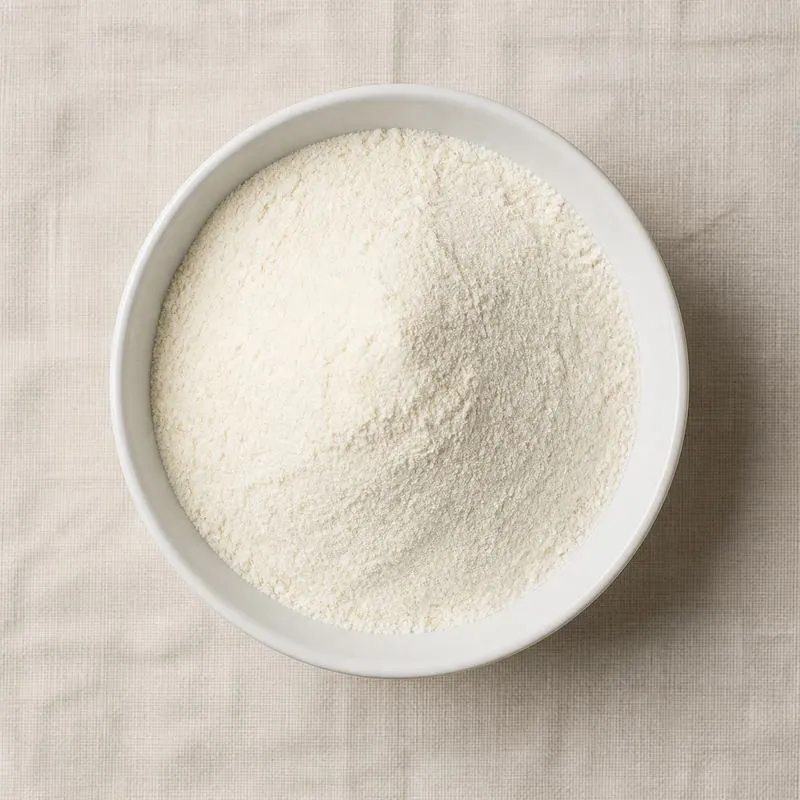
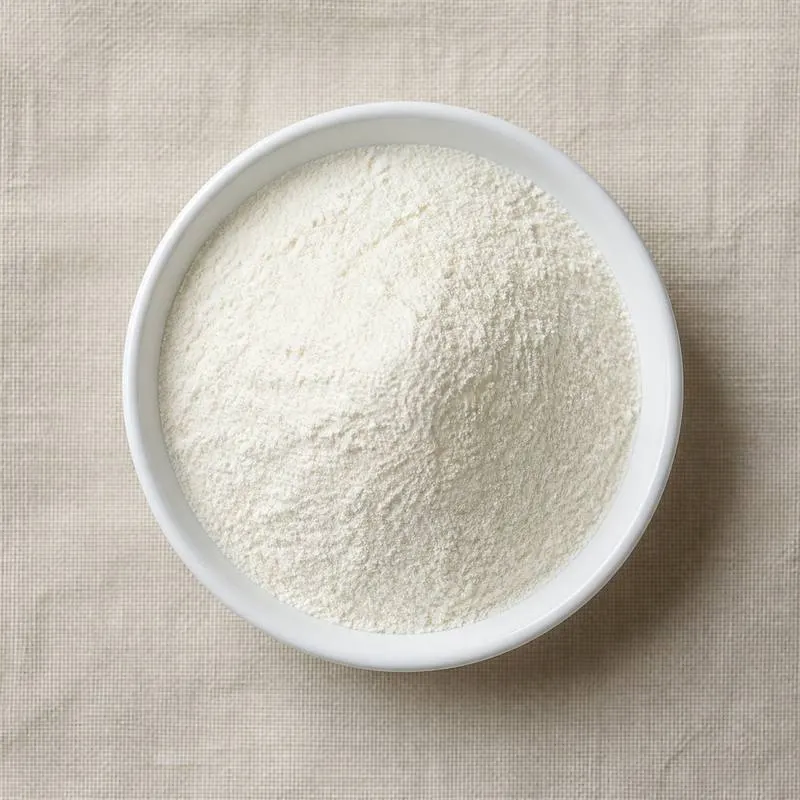
Medical Gelatin
Medical gelatin is gelatin manufactured and controlled to the standard required for medicinal products and medical devices, the same partially hydrolysed collagen as food gelatin but produced under pharmaceutical quality systems with tighter microbiological, endotoxin and traceability requirements.
The polymer is derived from the collagen of bovine hide and bone or porcine skin, and its behaviour follows the same rules as any gelatin. Solutions set to a thermoreversible gel below about 35 degrees Celsius and melt again near body temperature, gel strength is expressed in Bloom and viscosity in millipascal seconds, and type A gelatin from acid pretreatment carries an isoelectric point around pH 8 to 9 against pH 4.7 to 5.2 for type B gelatin from alkaline pretreatment. That charge difference matters more in medical use than in food, because it decides compatibility with charged actives and with blood.
What distinguishes the medical grade is not composition but control. Raw material is restricted to defined tissues from countries of low risk for transmissible spongiform encephalopathy, with a certificate of suitability from the European Directorate for the Quality of Medicines held for the manufacturing route, and the finished gelatin is tested for bioburden, bacterial endotoxin and residual peroxide alongside the usual physical attributes.
We source bulk Medical Gelatin from top China manufacturers for our partners. The manufacturer is in Jilin. A smaller requirement can ship in a combined container with other ingredients.
Please send the grade you need, the volume and your destination port, and we will come back with a solution and a price.
or call +86-21-6858 0751
- Function
- Protein
Specifications
| Item | Specification |
|---|---|
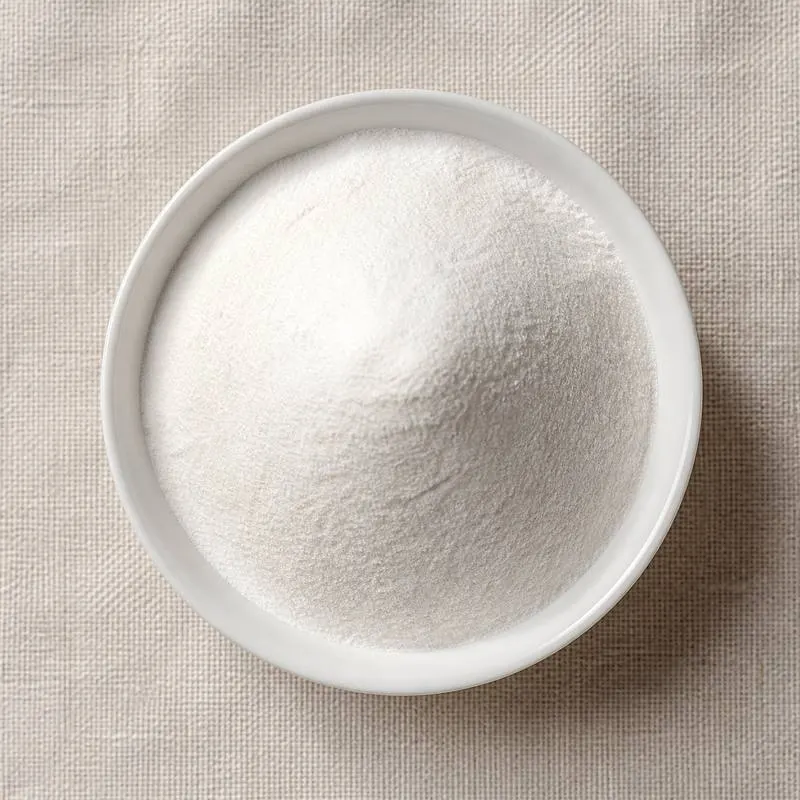
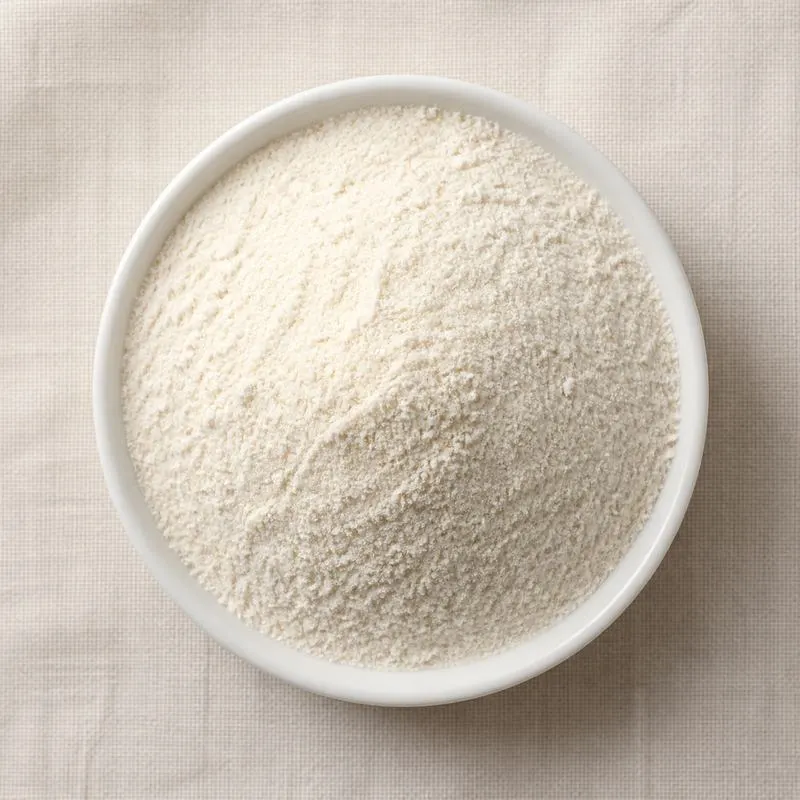
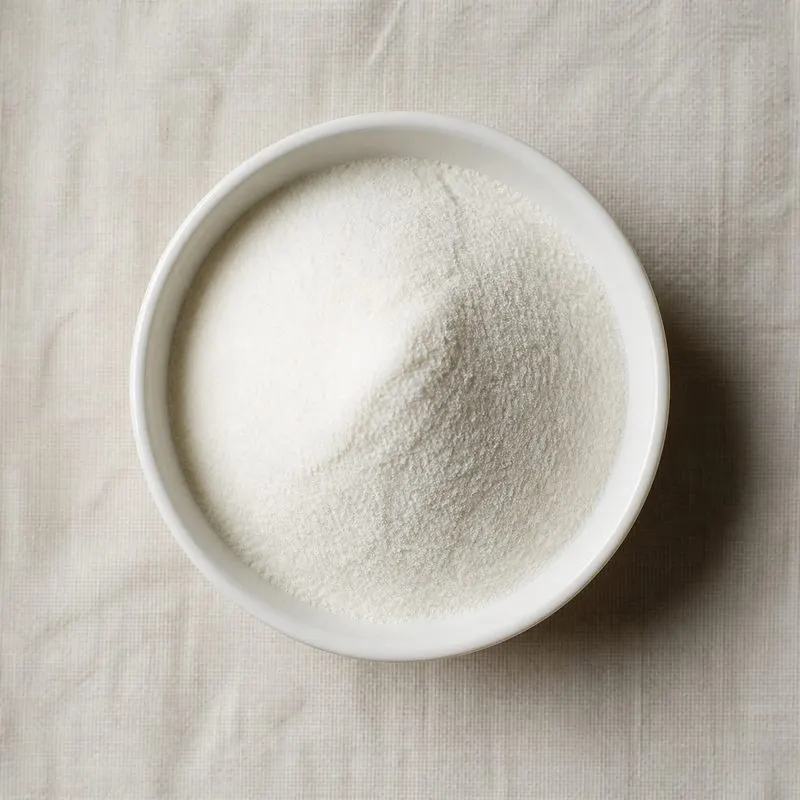
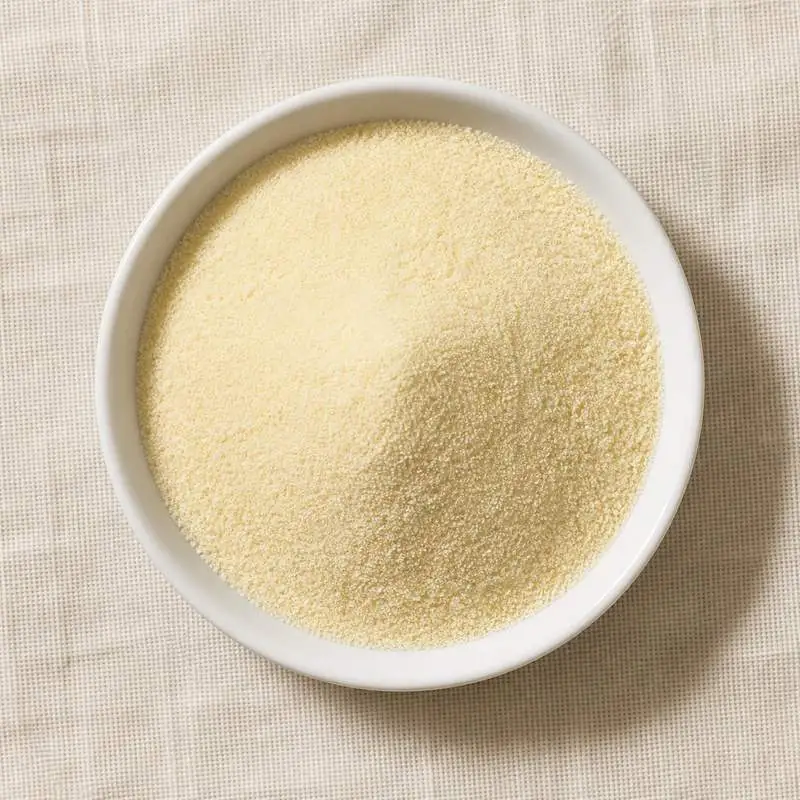
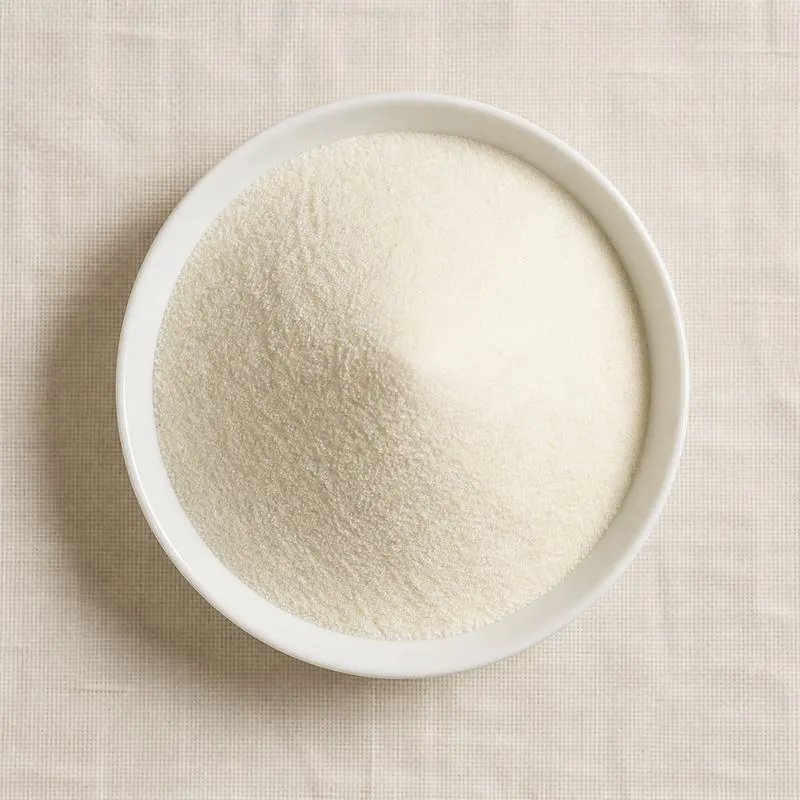
| Appearance | Pale yellow to light amber granules or powder, practically odourless |
| Identification | Complies with the pharmacopoeial identity tests for gelatin |
| Gel Strength (6.67% Bloom) | 150 to 250 g, as ordered |
| Viscosity (6.67% at 60 degrees Celsius) | 3.0 to 5.0 mPa.s |
| Loss on Drying | Maximum 14.0% |
| Residue on Ignition | Maximum 2.0% |
| pH (1% solution) | 4.5 to 7.0 |
| Sulphur Dioxide | Maximum 50 mg/kg |
| Peroxides | Maximum 10 mg/kg |
| Heavy Metals | Maximum 20 mg/kg |
| Bacterial Endotoxin | Complies with the limit for the intended route of administration |
| Total Aerobic Microbial Count | Maximum 1,000 cfu/g |
| Yeast and Mould | Maximum 100 cfu/g |
| Escherichia coli and Salmonella | Absent in 10 g |
Common Markets Grades
Medical gelatin is specified by type, by Bloom and viscosity, and by the application it is destined for. Capsule grades sit in the 150 to 250 Bloom range with viscosity controlled tightly, since viscosity determines the film thickness picked up on the dipping pin. Sponge and haemostat grades are made from higher Bloom stock that can be foamed and cross linked into a stable porous matrix. Tablet binder and coating grades are lower in Bloom and are chosen for adhesive rather than gelling behaviour.
Modified derivatives are traded alongside plain gelatin under the same quality regime. Succinylated and cross linked gelatins are used where a modified charge or a slower dissolution is needed, and hydrolysed gelatin of defined molecular weight is used in injectable plasma volume expanders, which are prepared to parenteral standards well beyond ordinary pharmaceutical gelatin. Species specific lines are maintained, bovine for markets and customers that exclude porcine material and the reverse, along with fish gelatin for products that must avoid both, and each line is run with full batch traceability back to the abattoir.
Applications
- Hard two piece capsule shells, the largest single medical outlet for gelatin by volume
- Soft gelatin capsules, where gelatin plasticised with glycerol forms the shell around an oil or suspension fill
- Tablet manufacture, used as a binder in wet granulation and as a component of film coatings
- Absorbable haemostatic sponges and powders applied during surgery to control bleeding
- Plasma volume expanders, based on hydrolysed and chemically modified gelatin prepared to injectable standards
- Vaccine and biological formulations, where gelatin acts as a stabiliser protecting antigens during freeze drying
- Tissue engineering scaffolds and wound dressings, where a porous gelatin matrix supports cell ingrowth
- Microencapsulation of actives by coacervation, using the charge behaviour of type A gelatin
- Suppository and pessary bases formulated on glycerinated gelatin
- Diagnostic and laboratory media, where gelatin serves as a protein stabiliser and blocking agent
China Manufacturers of Medical Gelatin
Top Medical Gelatin manufacturers in China.
Company names and logos are the property of the manufacturers themselves. They are listed here because our own directory records them as producing this ingredient. A listing is not an endorsement by them, and we do not represent them or speak on their behalf.
Regulatory Status
In the United States gelatin used in medicinal products is controlled against the United States Pharmacopeia monograph for gelatin, which covers identification, gel strength, viscosity, sulphur dioxide, heavy metals and microbial limits, and manufacture is subject to the good manufacturing practice requirements for pharmaceutical components. The Food and Drug Administration has issued guidance restricting the sourcing of bovine material used in medical products so as to exclude tissues and countries associated with bovine spongiform encephalopathy risk. Gelatin based haemostats and scaffolds are regulated as medical devices or as combination products depending on their mode of action, rather than as excipients.
In the European Union pharmaceutical gelatin must comply with the European Pharmacopoeia monograph and with the note for guidance on minimising the risk of transmitting animal spongiform encephalopathy agents, and manufacturers hold a certificate of suitability covering the specific raw material and process. Gelatin production for medical use also falls under the animal by-products framework and the transmissible spongiform encephalopathy regulation governing the use of bovine bone and hide. Gelatin has no E number, since even in food it is an ingredient rather than an additive, and Codex does not maintain an additive specification for it. Devices incorporating gelatin fall under the medical devices regulation, with the additional requirements applying to products using tissues of animal origin.
Manufacturing Process
Manufacture starts from selected raw material, bovine hide split, crushed bone ossein or porcine skin, sourced from abattoirs under veterinary control and documented back to species and country of origin. Bone is demineralised in dilute hydrochloric acid over days to leave ossein, while hide and skin go directly to pretreatment. Type B gelatin is produced by liming, an alkaline treatment lasting several weeks that hydrolyses the amide groups of the collagen and lowers the isoelectric point, whereas type A gelatin is produced by a short acid treatment of a day or two. Either way the stock is washed and neutralised carefully before extraction.
Extraction is carried out with hot water in successive stages at rising temperature, the earliest extracts giving the highest Bloom. The extracts are filtered, deionised on ion exchange resin to remove salts and residual metals, concentrated by multi effect evaporation, and given a high temperature short time sterilisation. The concentrate is chilled to a gel, extruded into strands and dried in a filtered air belt dryer, then milled and blended to hit the Bloom and viscosity targets. For medical grades the plant operates under pharmaceutical good manufacturing practice, with the drying air and packing area classified, bioburden and endotoxin tested on each batch, and full documentation of the transmissible spongiform encephalopathy risk assessment for the raw material issued with the certificate of analysis.