Methylcellulose
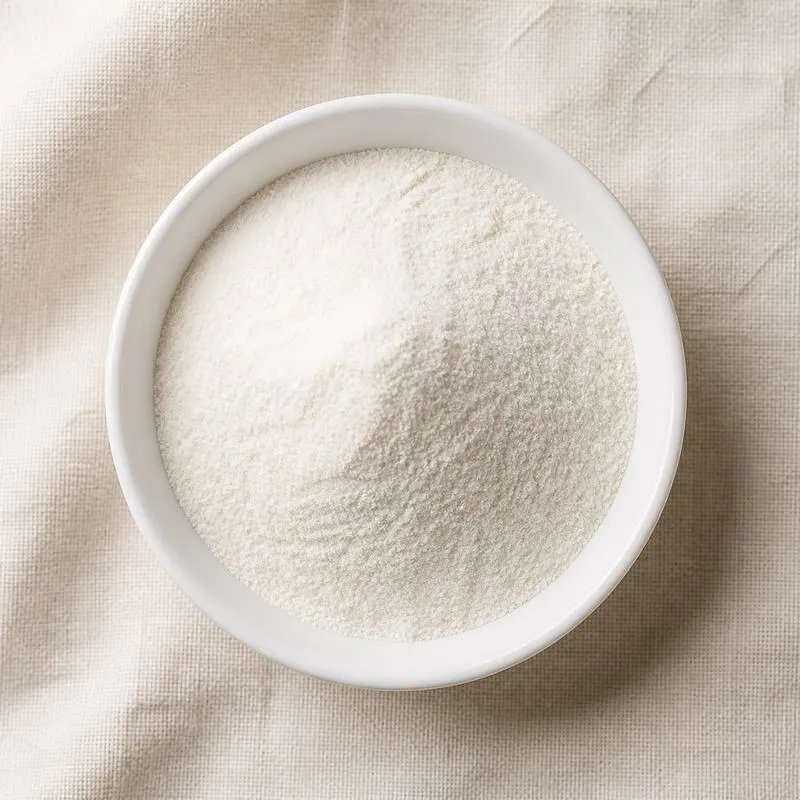
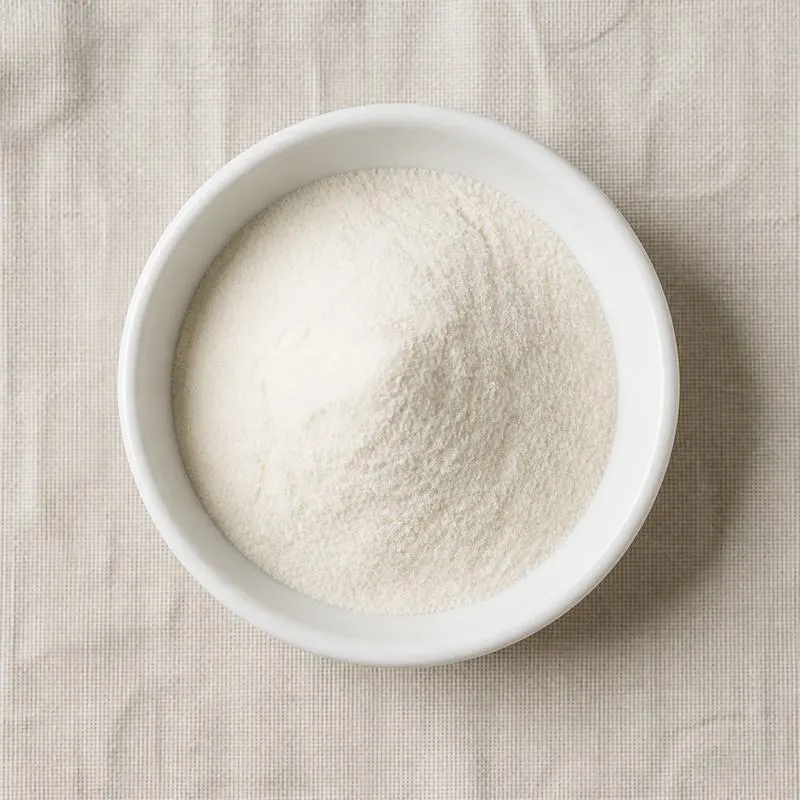
Methylcellulose is a non-ionic cellulose ether produced by reaction of alkali-treated wood pulp or cotton linters with methyl chloride. A controlled fraction of the cellulose hydroxyl groups is substituted with methyl ether groups, giving a polymer that is soluble in cold water but precipitates on heating.
This thermal gelation behaviour, where a methylcellulose solution forms a firm gel at 50 to 60 °C and reverts to a fluid on cooling, is the unique functional property that defines its applications.
We source bulk Methylcellulose from top China manufacturers for our partners. The manufacturer is in Shanghai. A smaller requirement can ship in a combined container with other ingredients.
Please send the grade you need, the volume and your destination port, and we will come back with a solution and a price.
or call +86-21-6858 0751
- Packaging
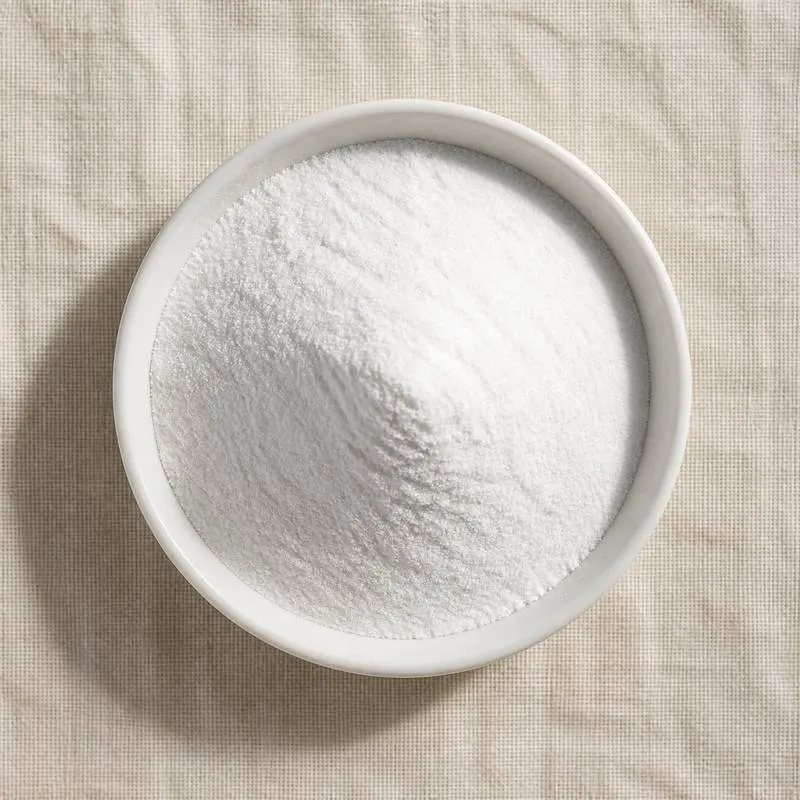
- 25 kg kraft paper bag with PE inner liner
- ISO 9001
- HACCP
- Halal
- Kosher
Specifications
| Item | Specification |
|---|---|
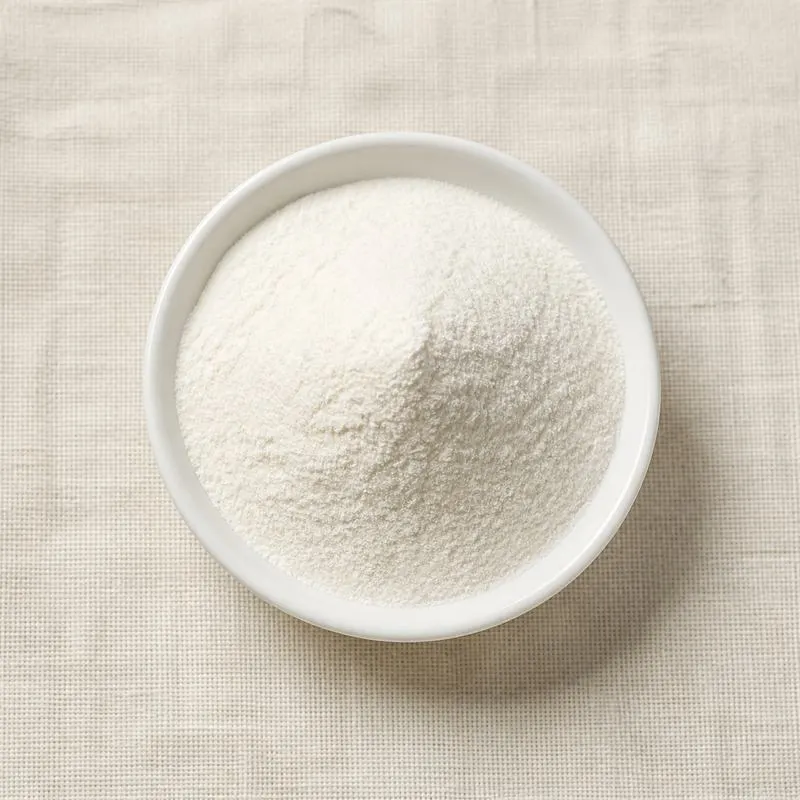
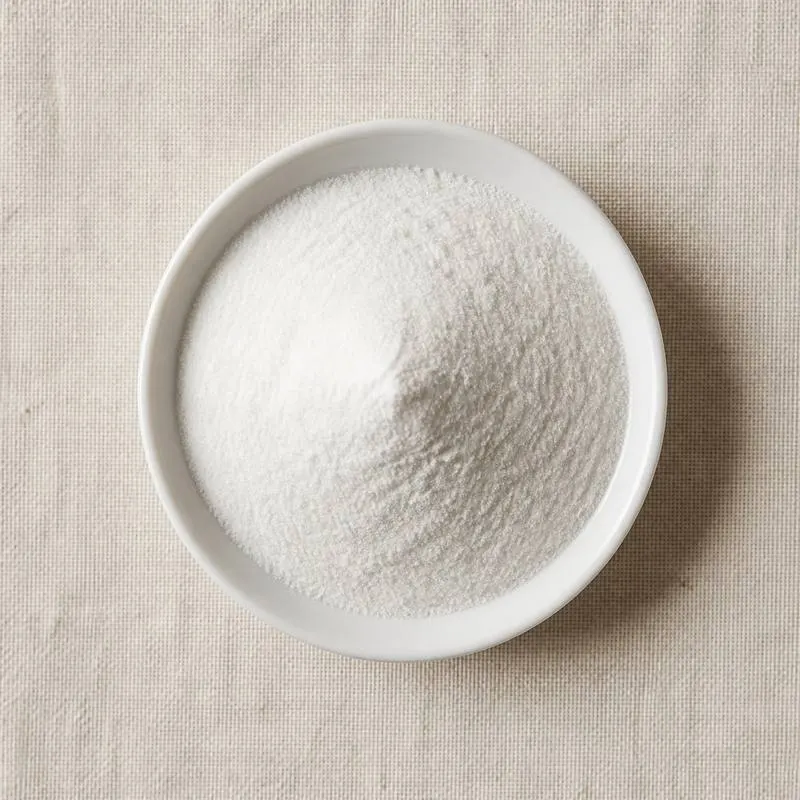
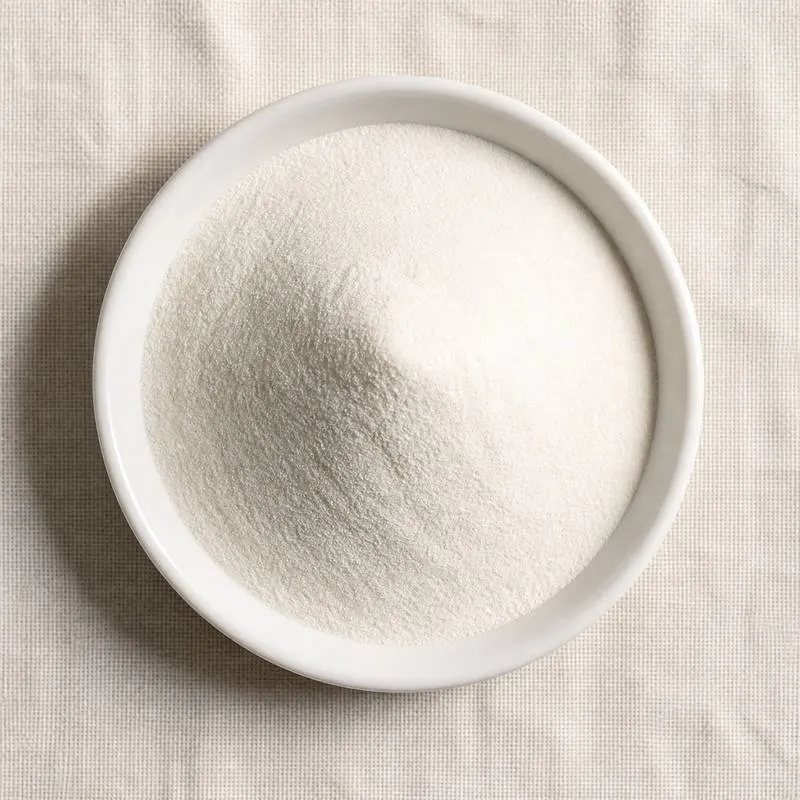
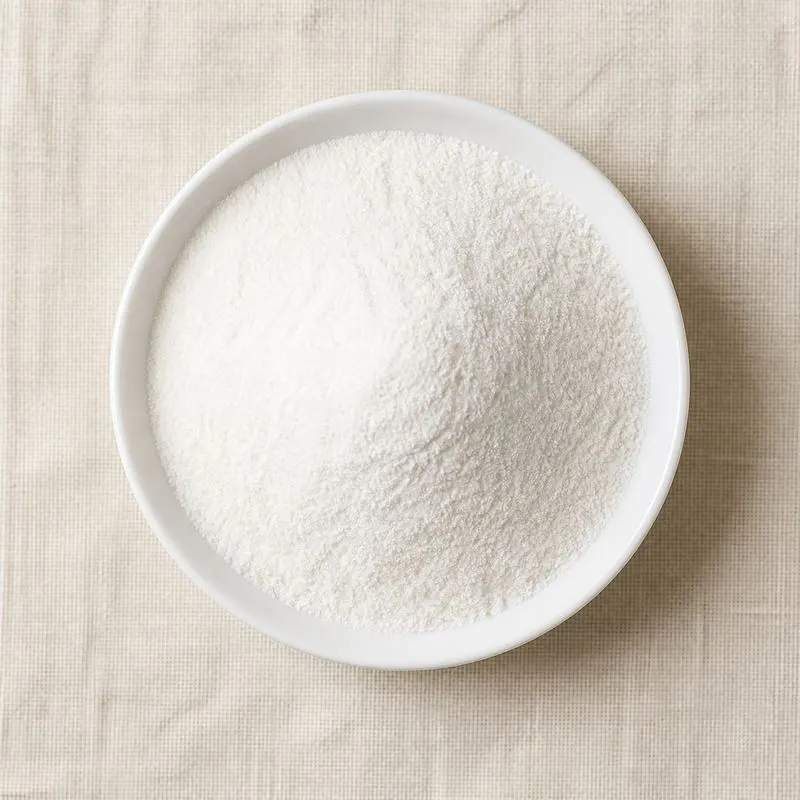
| Appearance | White to slightly off-white fibrous powder or granules |
| Methoxy Content | 27.5–31.5% |
| Viscosity (2% solution, 20°C) | 15–100,000 mPa·s (grade dependent) |
| Gel Temperature | 50–70°C |
| Loss on Drying | ≤ 5.0% |
| pH (2% solution) | 5.0–8.0 |
| Residue on Ignition | ≤ 1.5% |
| Heavy Metals (as Pb) | ≤ 10 ppm |
| Arsenic (as As) | ≤ 2 ppm |
| Total Plate Count | ≤ 1,000 CFU/g |
| Yeast & Mold | ≤ 100 CFU/g |
Common Markets Grades
Methylcellulose is graded by viscosity and degree of substitution.
Food grades run from 15 cP for low-viscosity applications up to 4,000 cP for premium structural use. Higher-substitution grades give lower gelation temperatures and firmer hot gels.
Pharmaceutical grade meets USP and Ph. Eur. monographs, with tighter limits on residual solvent, salt, and microbial counts.
Cosmetic grade is produced for skincare and hair care formulations as a thickener and film former.
Construction and paint grades cover HEC, HPMC and HEMC variants with different ether substitutions for ceramic tile adhesive, gypsum render, and exterior paints.
Applications
- Plant-based meat patties, sausages, and nuggets as the binder that holds shape on cooking
- Bakery: gluten-free bread, pastry, and donut formulations
- Fried-food batters and breading for adhesion and crisp finish
- Pharmaceutical tablet binders, controlled-release matrices, and ophthalmic solutions
- Bulk laxatives, using the water-holding effect of the fibre
- Cosmetic creams, lotions, and shampoo viscosifiers
- Personal lubricants and water-based gels
- Construction: ceramic tile adhesive, gypsum render, and exterior insulation finish
- Latex paint and coating thickeners
- Food coatings on processed foods to control oil uptake during frying
Brands Using Methylcellulose
Widely-distributed consumer products that list Methylcellulose on the ingredient label.
- CitrucelMethylcellulose Fiber Caplets ↗Active ingredient: methylcellulose 500 mg per caplet (1 g per 2-caplet dose).Label verified 2026-05-24
- CitrucelOrange Mix Fiber Powder ↗Active ingredient: methylcellulose 2 g per scoop.Label verified 2026-05-24
- Impossible FoodsImpossible Beef Made From Plants ↗Listed: '2% or less of: Methylcellulose...' on official ingredients FAQ.Label verified 2026-05-24
- Impossible FoodsImpossible Sausage Made From Plants ↗Listed: methylcellulose at 2% or less on official ingredients FAQ.Label verified 2026-05-24
- Beyond MeatBeyond Burger ↗Methylcellulose listed as a plant fibre binder in Beyond Burger ingredients.Label verified 2026-05-24
- Beyond MeatBeyond Sausage ↗Methylcellulose listed as a binder/stabilizer in Beyond Sausage ingredients.Label verified 2026-05-24
Brand names, product names and logos are the property of their owners. They appear here as published evidence that the ingredient is used, taken from the brand's own label or website. Their appearance is not an endorsement, and it does not mean the brand buys from us or from any manufacturer listed on this site.
China Manufacturers of Methylcellulose
Top Methylcellulose manufacturers in China.

Company names and logos are the property of the manufacturers themselves. They are listed here because our own directory records them as producing this ingredient. A listing is not an endorsement by them, and we do not represent them or speak on their behalf.
How We Help Source Methylcellulose
Direct Factory Sourcing
We run the whole process: selecting the manufacturer from the top Chinese food ingredient producers, negotiating the price, verifying quality, and coordinating the logistics. You deal with us instead of with several factories at once.
Original Packaging and Documents from the Manufacturer
The manufacturer sends your Methylcellulose out of its own factory in the original packing, through to your destination port. The COA, COO, MSDS, TDS and any certifications reach you from the manufacturer as well.
Free Samples and Lead Time
We send 100 to 500 g free for your own laboratory to test and you cover only the courier, usually within 2 to 3 working days. ETD is usually within 7 to 15 days once the order is confirmed, and we check that date against the factory's own manufacturing schedule before we give it to you.
Combined Shipment
We can load Methylcellulose together with other ingredients such as Carrageenan, Sodium Carboxymethyl Cellulose and Agar Agar into one 20' FCL. If your quantity is small, we can also ship LCL.
Regulatory Status
Methylcellulose is approved as a food additive in essentially all regulated markets.
Regulation (EC) No 1333/2008 lists it as E461 in the European Union, and in the United States it is GRAS at 21 CFR 182.1480. JECFA has assigned ADI not specified.
USP, Ph. Eur., and Japanese Pharmacopoeia monographs cover pharmaceutical grades. Halal, Kosher, vegan, non-GMO, and gluten-free certifications are routinely available.
Manufacturing Process
Production starts with high-purity cellulose, typically from cotton linters or specially treated wood pulp.
The cellulose is steeped in 30 to 50 percent sodium hydroxide solution, which swells the fibres and activates the hydroxyl groups. The resulting alkali cellulose is reacted with methyl chloride under pressure in a heated reactor.
The reaction introduces methyl ether groups onto the cellulose backbone at degrees of substitution typically between 1.5 and 2.4. The reacted material is then neutralised with acid, washed in hot water to remove salt and unreacted reagent, dried, and milled.
Hydroxypropyl methylcellulose (HPMC) is made by adding propylene oxide along with methyl chloride to introduce hydroxypropyl groups alongside the methyl ethers.