Natural Vanillin
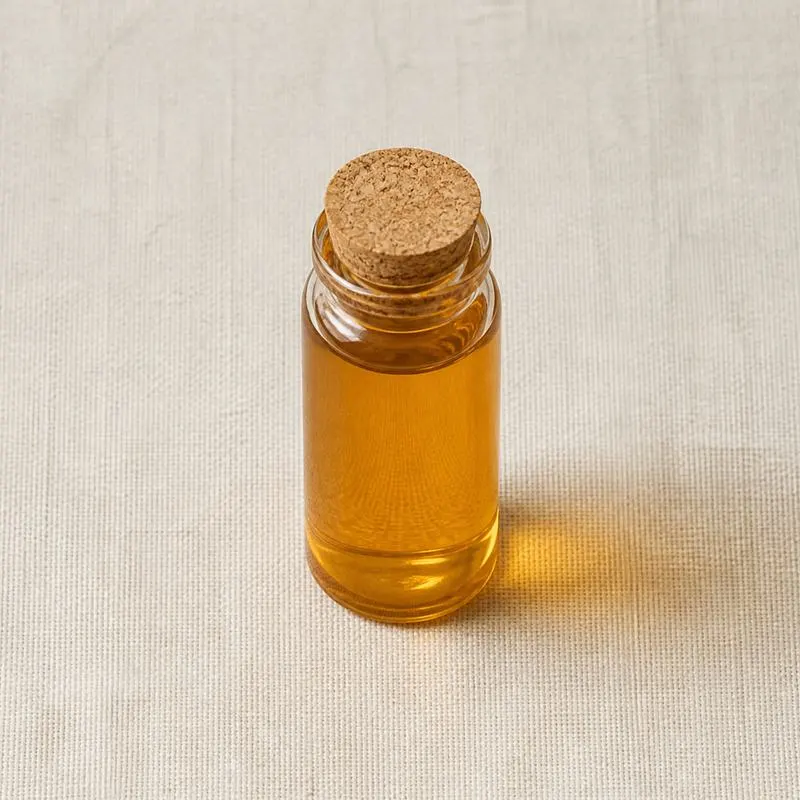
Natural Vanillin is vanillin produced by biotechnological conversion from plant-derived precursors, most commonly ferulic acid recovered from rice bran or sugar beet pulp.
The molecule is chemically identical to synthetic vanillin (C₈H₈O₃, molar mass 152.15 g/mol, 4-hydroxy-3-methoxybenzaldehyde) but qualifies under EU and U.S. labelling rules for a natural flavour declaration because of its biological origin and bioconversion route.
We source bulk Natural Vanillin from top China manufacturers for our partners, working with several of them. The manufacturers are in Beijing, Shanghai and Tianjin. A smaller requirement can ship in a combined container with other ingredients.
Please send the grade you need, the volume and your destination port, and we will come back with a solution and a price.
or call +86-21-6858 0751
- Packaging
- 25 kg galvanised drum, nitrogen blanketed
- ISO 9001
- HACCP
- Halal
- Kosher
Specifications
Grades / Types Available: Food Grade, Feed Grade
| Item | Specification |
|---|---|
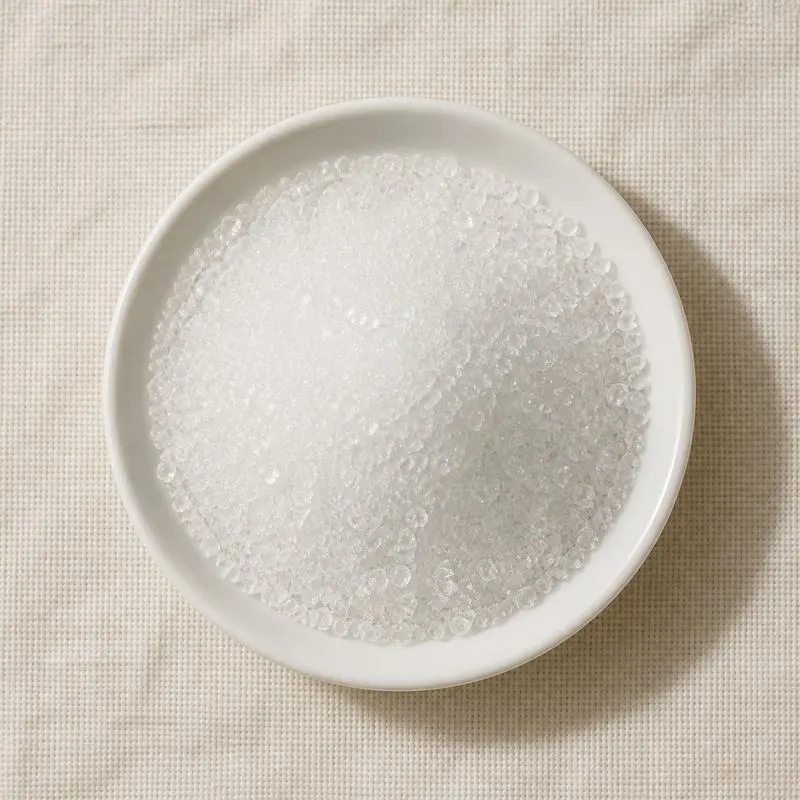
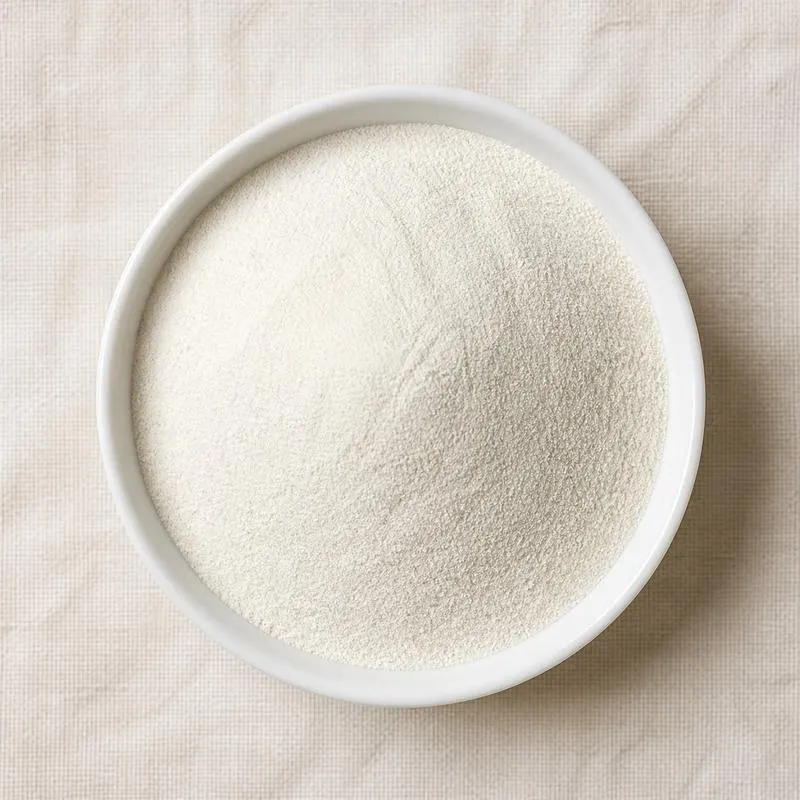
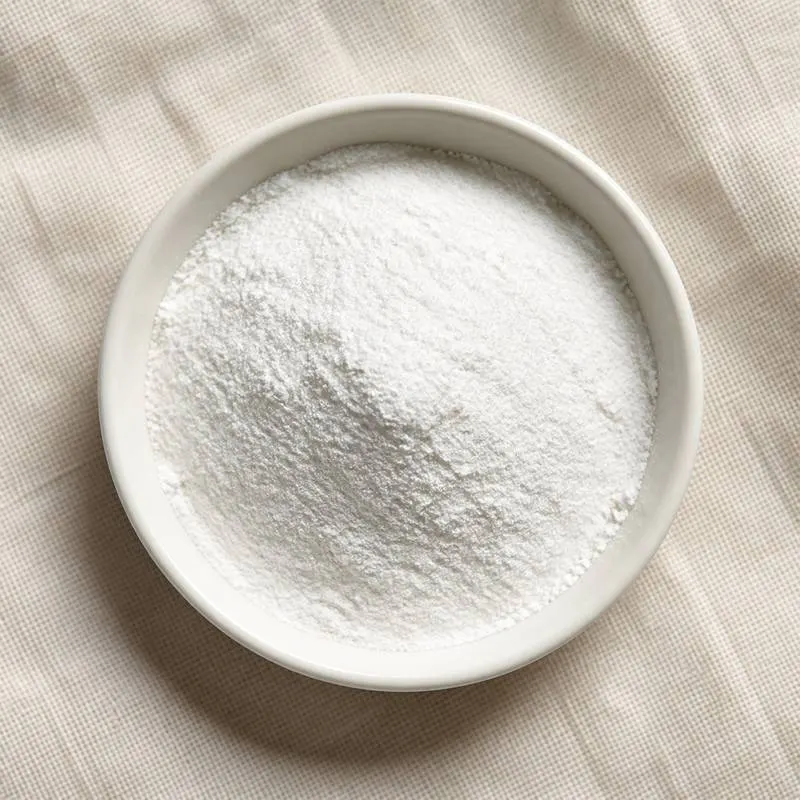
| Appearance | White to slightly yellow crystalline powder |
| Odor | Characteristic vanilla |
| Purity | ≥99.0% |
| Melting Point | 80–82°C |
| Loss on Drying | ≤0.5% |
| Residue on Ignition | ≤0.05% |
| Heavy Metals (as Pb) | ≤10 mg/kg |
| Arsenic | ≤3 mg/kg |
| Source | Natural fermentation (ferulic acid) |
| Shelf Life | 24 months |
| Moisture (Food Grade) | ≤ 0.5% |
| Ash (Food Grade) | ≤ 0.1% |
| Lead (Food Grade) | ≤ 1 ppm |
| Total Plate Count (Food Grade) | ≤ 1000 cfu/g |
| Yeast & Mold (Food Grade) | ≤ 100 cfu/g |
Common Markets Grades
A small number of Natural Vanillin grades reach the market, distinguished primarily by feedstock and isotopic profile.
The standard food grade is at minimum 99.0 percent assay as fine white crystals, certified compliant with EU Regulation 1334/2008 and U.S. 21 CFR 101.22 definitions of natural flavour.
Premium grades carry a documented carbon-14 isotopic signature consistent with plant-derived ferulic acid, which is the analytical marker used to distinguish biotech vanillin from petrochemical vanillin. Some producers offer additional documentation on the host organism, the precursor source, and the absence of GMO content for buyers serving the European retail market.
Spray-dried natural vanillin on natural carriers such as gum acacia or natural starch is produced for applications where dry handling and label simplicity matter.
Applications
- Premium dairy: ice cream, yogurt, and flavoured milk where a natural flavour declaration is essential
- Clean-label chocolate, including organic and fair-trade certified couvertures
- Bakery with natural flavour positioning: artisan cookies, brioche, and pastry creams
- Natural vanilla compound flavours as an extender for vanilla bean extract
- Beverage applications including plant-based milks, ready-to-drink coffee, and protein drinks
- Confectionery with no-artificial-flavour claims
- Infant and toddler foods where natural flavour labelling is a category requirement
- Nutritional supplements and meal replacement powders
- Functional foods and probiotic dairy
- Pet food and treats in premium and natural positioning lines
- Fragrance compounding for natural and organic certified personal care
Brands Using Natural Vanillin
Widely-distributed consumer products that list Natural Vanillin on the ingredient label.
- LindtDouble Chocolate LINDOR Truffles ↗Listed: 'Milk Chocolate [sugar, milk, cocoa butter, chocolate, soy lecithin (emulsifier), barley malt powder, vanillin (artificial flavoring)]…'Label verified 2026-05-24
- LindtBirthday Cake LINDOR Truffles Cake Box (9-pc) ↗Listed: 'White Chocolate [sugar, cocoa butter, milk, skim milk, soy lecithin (emulsifier), vanillin (artificial flavoring)]…'Label verified 2026-05-24
- GhirardelliValentine's Signature Sweetheart Praline Chocolate Box ↗Listed: 'sugar, cocoa butter, unsweetened chocolate, whole milk powder, milk fat, almonds, hazelnuts… soy lecithin, natural and artificial flavor, vanillin (artificial flavor), barley malt extract.'Label verified 2026-05-24
Brand names, product names and logos are the property of their owners. They appear here as published evidence that the ingredient is used, taken from the brand's own label or website. Their appearance is not an endorsement, and it does not mean the brand buys from us or from any manufacturer listed on this site.
China Manufacturers of Natural Vanillin
Top Natural Vanillin manufacturers in China.
 GENEDART Biotechnology Co., Ltd.6 ingredients in the directory
 Shanghai Enlogics Biotechnology Co., Ltd.3 ingredients in the directory
- Tianxin Flavors Co., Ltd.3 ingredients in the directory
Company names and logos are the property of the manufacturers themselves. They are listed here because our own directory records them as producing this ingredient. A listing is not an endorsement by them, and we do not represent them or speak on their behalf.
How We Help Source Natural Vanillin
Direct Factory Sourcing
We run the whole process: selecting the manufacturer from the top Chinese food ingredient producers, negotiating the price, verifying quality, and coordinating the logistics. You deal with us instead of with several factories at once.
Original Packaging and Documents from the Manufacturer
The manufacturer sends your Natural Vanillin out of its own factory in the original packing, through to your destination port. The COA, COO, MSDS, TDS and any certifications reach you from the manufacturer as well.
Free Samples and Lead Time
We send 100 to 500 g free for your own laboratory to test and you cover only the courier, usually within 2 to 3 working days. ETD is usually within 7 to 15 days once the order is confirmed, and we check that date against the factory's own manufacturing schedule before we give it to you.
Combined Shipment
We can load Natural Vanillin together with other ingredients such as Capsicum Oleoresin, Ethyl Maltol and White Pepper into one 20' FCL. If your quantity is small, we can also ship LCL.
Regulatory Status
Natural Vanillin qualifies as a natural flavouring substance under the major regulated frameworks.
In the European Union, vanillin obtained by enzymatic or microbiological conversion of plant-derived ferulic acid meets the definition of natural flavouring under Regulation (EC) 1334/2008, Article 3(2)(c). It is listed in the Union flavouring list under FL number 05.018, the same as synthetic vanillin, but with a separate natural source attestation.
The U.S. Food and Drug Administration permits a natural flavour declaration under 21 CFR 101.22(a)(3) when vanillin is produced from a natural plant or microbial source via enzymatic or fermentation processes. FEMA GRAS number 3107 applies.
JECFA evaluations cover all vanillin sources under the same group acceptance.
Certifications routinely available include Kosher, Halal, non-GMO Project Verified for fermentation-from-ferulic routes, and EU organic compatibility for products meeting carryover rules.
Manufacturing Process
Industrial natural vanillin is produced by submerged fermentation of ferulic acid using selected actinomycetes, principally Amycolatopsis sp. ATCC 39116 and engineered Streptomyces setonii strains.
Ferulic acid is recovered from agricultural side streams. Rice bran oil refining and sugar beet pulp hydrolysis are the two leading feedstock paths, with corn fibre and wheat bran also used at smaller scale. The ferulic acid is fed to the fermenter, where bacterial enzymes catalyse a coenzyme-A-dependent retro-aldol cleavage that releases vanillin and acetyl-CoA.
Process challenges include vanillin toxicity to the producing organism above two to three grams per litre, which is managed by in-situ product removal using resin adsorption or solvent extraction. The recovered vanillin is then crystallised to food grade purity.
A separate biotechnology path uses engineered baker's yeast (Saccharomyces cerevisiae) to express the full vanillin biosynthetic pathway from glucose. This route was commercialized by Evolva and Solvay (now IFF and Solvay) and supplies a portion of the premium natural vanillin market.