Non GMO Soy Dietary Fibre
Non GMO soy dietary fibre is the insoluble cell wall material of the soybean cotyledon, recovered from the okara or the defatted flake left after oil extraction and protein isolation, and produced from soybeans grown under an identity preserved programme that excludes genetically modified varieties. Chemically it is a mixture of cellulose, hemicellulose and pectic polysaccharides with a small residual protein and fat fraction, and it is largely indigestible in the small intestine.
Functionally it works as a water binding and structuring fibre rather than as a gelling hydrocolloid. The fibre matrix holds several times its own weight in water and a useful quantity of oil, so in a formulation it raises yield, controls syneresis, firms texture and adds declarable dietary fibre without contributing sweetness, colour or measurable viscosity in dilute systems. Its water holding is largely capillary and physical, so it survives heat, acid and freeze thaw cycling better than most soluble fibres.
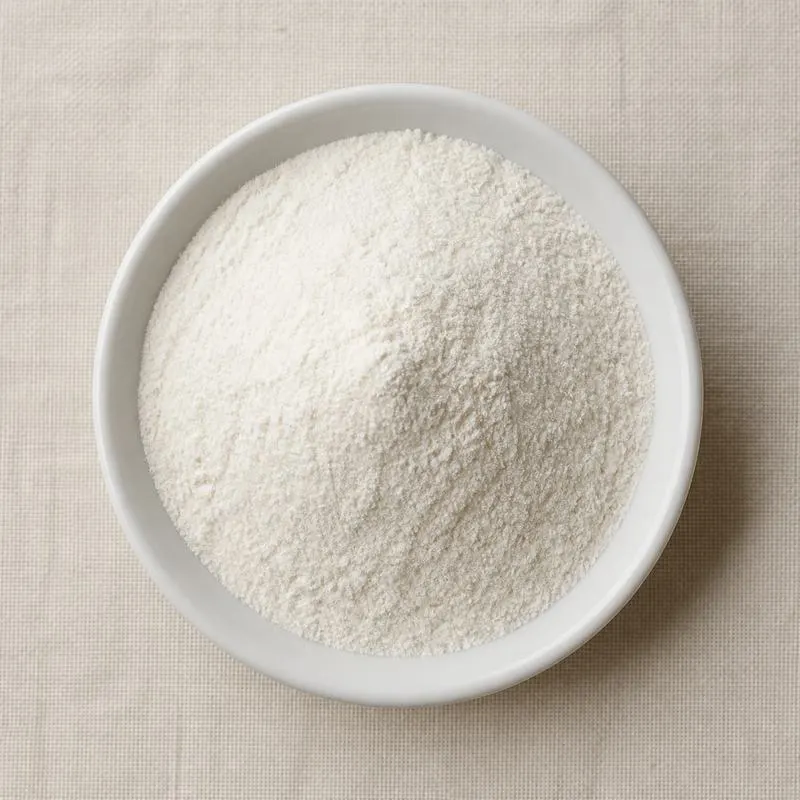
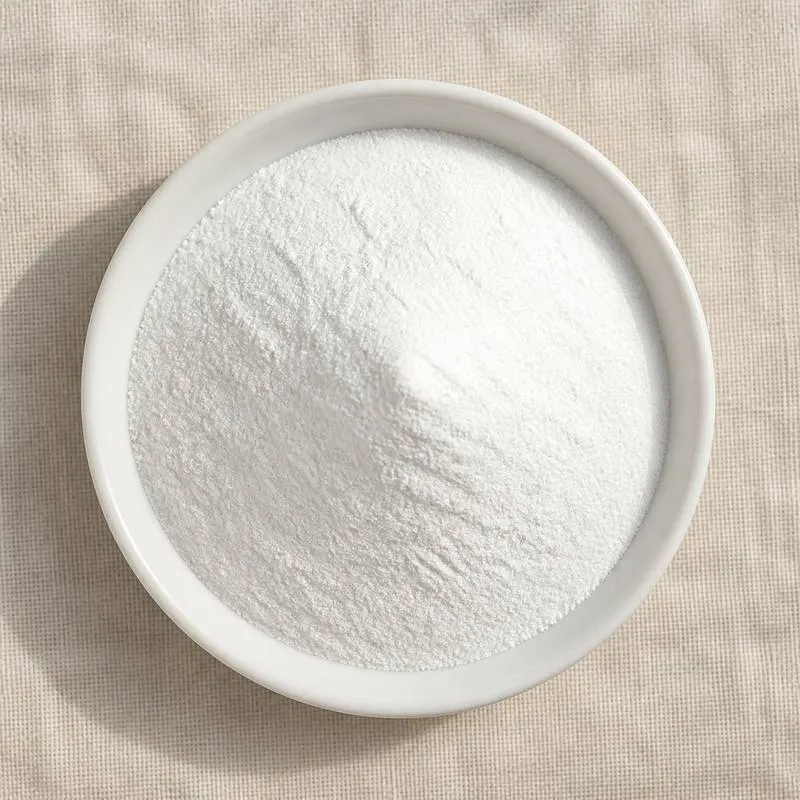
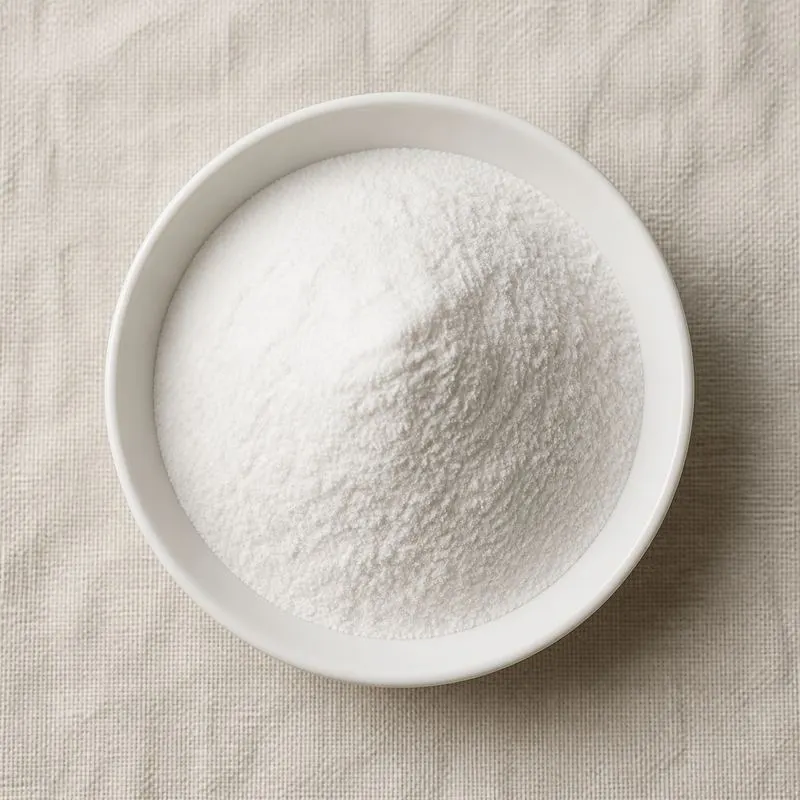
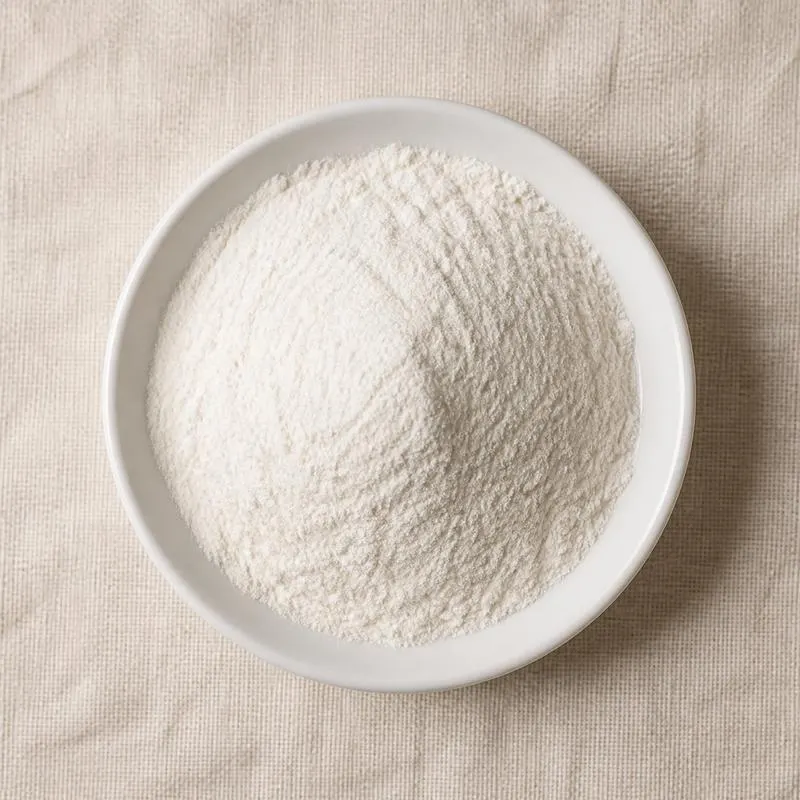
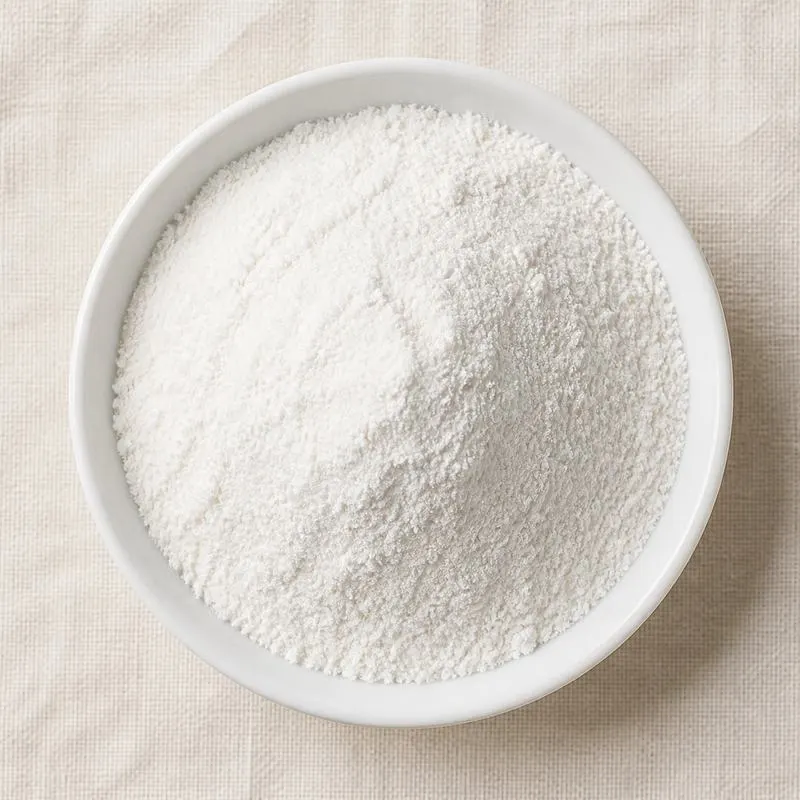
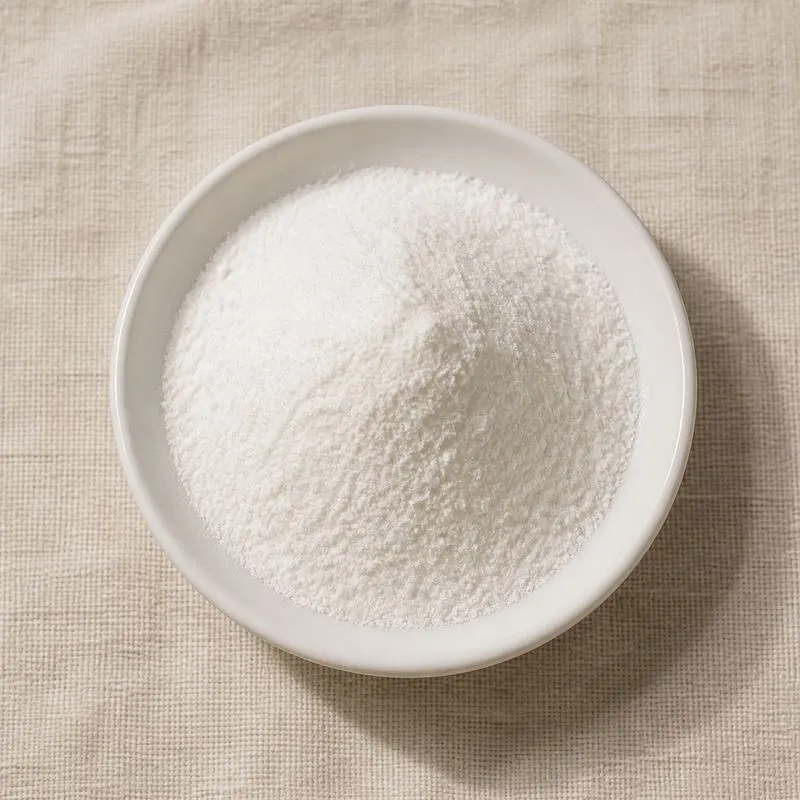
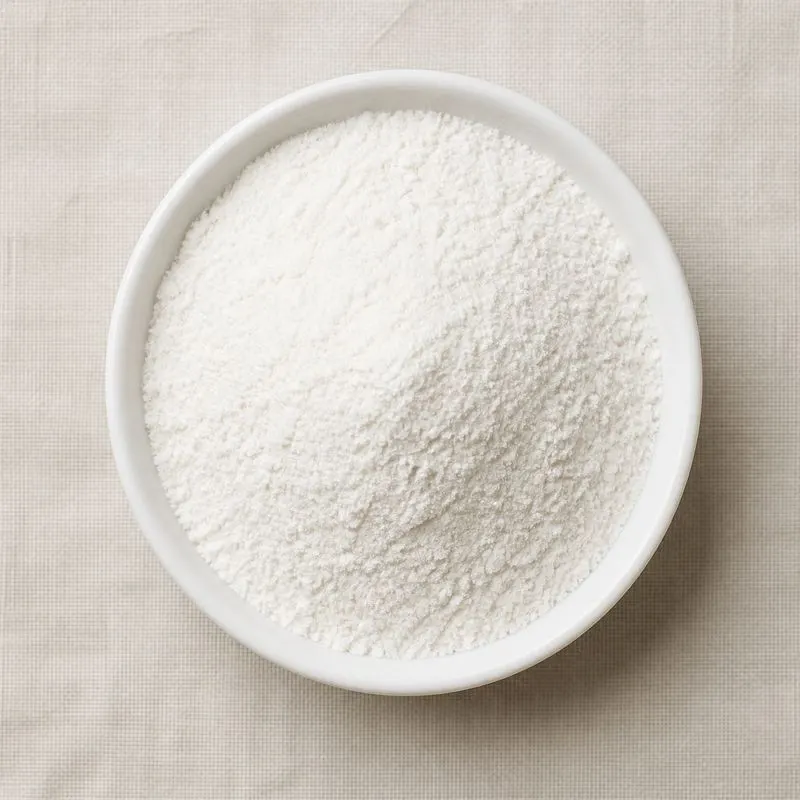
The material is an off white to light cream powder or short fibre, in mesh sizes from coarse fibre down to fine flour, at moisture below 10 percent. It is insoluble in water and disperses rather than dissolves, hydrating quickly and swelling to a soft slurry that must be sheared into a batter or dough to distribute evenly.
We source bulk Non GMO Soy Dietary Fibre from top China manufacturers for our partners. The manufacturer is in Shandong. A smaller requirement can ship in a combined container with other ingredients.
Please send the grade you need, the volume and your destination port, and we will come back with a solution and a price.
or call +86-21-6858 0751
- Function
- Dietary Fibres
Specifications
| Item | Specification |
|---|---|
| Appearance | Off white to light cream powder or short fibre |
| Total dietary fibre, dry basis | ≥ 70.0% |
| Protein, dry basis | ≤ 15.0% |
| Loss on drying | ≤ 10.0% |
| Ash | ≤ 5.0% |
| pH, 1 in 10 suspension | 5.5 to 7.5 |
| Water holding capacity | ≥ 6 g water per g |
| Genetically modified material | Not detected by polymerase chain reaction |
| Lead | ≤ 0.5 mg/kg |
| Arsenic | ≤ 0.5 mg/kg |
| Total plate count | ≤ 10000 cfu/g |
| Yeast and mould | ≤ 100 cfu/g |
| Escherichia coli | Absent in 1 g |
| Salmonella | Absent in 25 g |
Common Markets Grades
Grades are separated first by total dietary fibre content and then by particle size. Standard grades run around 65 to 75 percent total dietary fibre with the balance made up of residual protein, ash and moisture, while high fibre grades reach 85 percent or above after further washing and are used where the fibre declaration on the label is the objective. Particle size runs from coarse fibre near 40 mesh, which stays visible and gives a fibrous bite in meat analogues, to fine grades at 200 mesh and above used in beverages and bakery where grittiness has to be avoided.
Beyond the basic grades the trade offers functionally modified versions: mechanically or enzymatically treated fibres with raised water holding capacity for injected meat and bakery use, low flavour deodorised grades for dairy and beverage systems, and organic certified grades produced from certified beans. All grades traded as non genetically modified carry identity preserved documentation back to the seed, and this is verified by polymerase chain reaction testing rather than assumed from the origin declaration.
Applications
- Meat and poultry products, where it binds added brine, cuts cooking loss and firms the bite in emulsified sausage
- Plant based meat analogues, where the coarse grades give a fibrous structure that pure protein isolates lack
- Bread and bun doughs, holding moisture through shelf life and slowing staling while adding a fibre claim
- Biscuits, crackers and extruded snacks, where it reduces the dough water demand and controls spread
- Instant noodles, improving texture and reducing oil pick up in the fried step
- Sauces, dressings and soups, used as a bulking and water binding agent in reduced fat formulations
- Dairy desserts and processed cheese analogues, controlling syneresis and standing texture
- Fibre supplements and meal replacement powders, supplying insoluble fibre in a neutral tasting form
- Pet food, where it provides bulk fibre and stool quality without fermentable load
China Manufacturers of Non GMO Soy Dietary Fibre
Top Non GMO Soy Dietary Fibre manufacturers in China.

Company names and logos are the property of the manufacturers themselves. They are listed here because our own directory records them as producing this ingredient. A listing is not an endorsement by them, and we do not represent them or speak on their behalf.
Regulatory Status
In the United States soy fibre is regulated as a food ingredient rather than a food additive, with the relevant products used under generally recognised as safe status on the basis of common use in food and of self affirmed and notified GRAS determinations. Its declaration as dietary fibre on the Nutrition Facts panel follows the Food and Drug Administration definition of dietary fibre, under which intrinsic and intact fibre from a plant source qualifies, and the labelling of the non genetically modified claim falls under the bioengineered food disclosure standard administered by the Department of Agriculture.
In the European Union soy fibre is a food ingredient and not a food additive, so it has no E number, and its declaration as fibre follows the analytical definition set out in the food information regulation. Soy is a listed allergen, so the fibre must be declared as being of soy origin even when the residual protein is very low. Traceability and labelling for the absence of genetically modified material rest on the European rules on genetically modified food and feed. Codex has no additive listing for the material, and it is treated as a food ingredient under general Codex principles for cereal and legume derived products.
Manufacturing Process
Identity preserved non genetically modified soybeans are cleaned, cracked, dehulled and flaked, and the oil is removed by solvent extraction to give a defatted flake. The flake is extracted with mildly alkaline water so that the soluble protein passes into solution, and the residue that remains after that protein has been separated is the fibre stream. On the alternative route the fibre comes from okara, the wet residue left after soymilk or tofu production, which is essentially the same cell wall material at high moisture.
The fibre stream is washed repeatedly in counter current fashion to strip residual protein, soluble sugars including the oligosaccharides responsible for the characteristic soy flavour, and salts. It is then dewatered on a decanter centrifuge or a press, and where required is bleached or deodorised with hydrogen peroxide or steam to lighten colour and remove beany notes. Flash drying or ring drying takes the wet cake down below 10 percent moisture, after which the material is milled and screened to the required mesh distribution. Functionalised grades take an extra mechanical shearing or enzymatic treatment step before drying to open the fibre structure and raise water holding capacity.