Omega-3 EPA Concentrate
Omega-3 EPA concentrate is a marine or algal oil in which eicosapentaenoic acid has been enriched well beyond its natural level, so that EPA rather than total omega-3 is the parameter the material is specified on. A natural anchovy oil carries around 18 percent EPA; a concentrate runs from 50 percent to 70 percent and, through chromatographic finishing, higher still.
EPA is the 20 carbon omega-3 fatty acid with five double bonds. It is the precursor of the series three eicosanoids and of the E series resolvins, and formulations positioned on cardiovascular, inflammatory or mood endpoints are generally EPA dominant, which is why concentrates weighted away from DHA are made and priced separately.
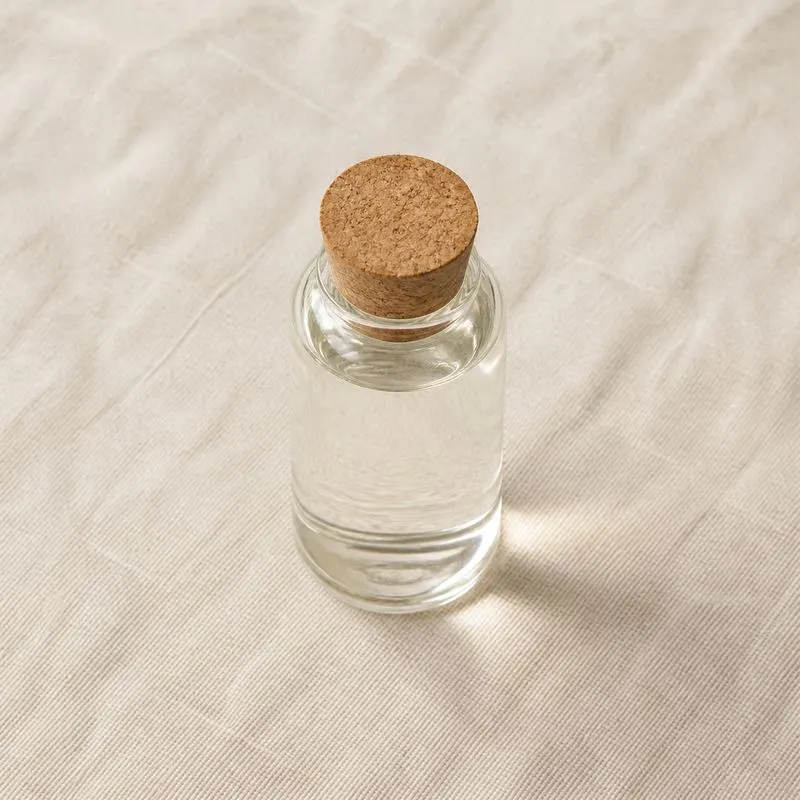
The product is an ethyl ester or a re-esterified triglyceride, with the form stated because it affects softgel compatibility and how the product may be labelled. It is a clear, almost colourless to pale yellow oil, low in viscosity, insoluble in water and miscible with other oils, and it remains clear at refrigeration temperature because the saturated fraction has been removed during concentration. Five double bonds leave it very prone to autoxidation, so it is stabilised with tocopherols, blanketed with nitrogen, stored cold in light protected containers and released against peroxide, anisidine and total oxidation values.
We source bulk Omega-3 EPA Concentrate from top China manufacturers for our partners. The manufacturer is in Sichuan. A smaller requirement can ship in a combined container with other ingredients.
Please send the grade you need, the volume and your destination port, and we will come back with a solution and a price.
or call +86-21-6858 0751
- Function
- Specialty oil
Specifications
| Item | Specification |
|---|---|
| Appearance | Clear almost colourless to pale yellow oily liquid |
| Odour and Taste | Slight marine note, free from rancid character |
| EPA (of total fatty acids) | ≥ 50.0% |
| DHA (of total fatty acids) | ≤ 10.0% |
| Total Omega-3 Fatty Acids | ≥ 60.0% |
| Chemical Form | Ethyl ester or re-esterified triglyceride as declared |
| Identification | Conforms by gas chromatography fatty acid profile |
| Acid Value | ≤ 0.5 mg KOH/g |
| Peroxide Value | ≤ 5.0 meq/kg |
| Anisidine Value | ≤ 20 |
| Totox Value | ≤ 26 |
| Trans Fatty Acids | ≤ 1.0% |
| Moisture and Volatiles | ≤ 0.05% |
| Unsaponifiable Matter | ≤ 1.5% |
| Dioxins and Furans | ≤ 1.75 pg WHO-TEQ/g |
| Lead | ≤ 0.1 mg/kg |
| Mercury | ≤ 0.1 mg/kg |
Common Markets Grades
Grades are described by EPA content and by the accompanying DHA, in the two figure trade shorthand, so a 50/10 concentrate carries 50 percent EPA and 10 percent DHA. Common levels are 50, 60 and 70 percent EPA. Where the point of the material is a clean EPA profile, DHA is specified low, in some products below 5 percent, and reaching that requires a chromatographic step rather than distillation alone.
Chemical form gives the second distinction: the ethyl ester is cheaper and reaches the highest assays, while the re-esterified triglyceride costs more and is used where a triglyceride form is required. Source is declared as marine or algal, and algal EPA carries a vegan claim and a different contaminant profile. Material meeting a pharmacopoeial monograph is separated from supplement grade released to a food specification. Emulsions and microencapsulated powders spray dried from the oil are finished formats built on the same concentrate rather than grades of it.
Applications
- Cardiovascular and triglyceride management supplements in softgel form
- Mood and mental health positioned formulations, which are characteristically EPA dominant
- Inflammation and joint support supplement ranges
- Clinical and enteral nutrition, where a defined EPA to DHA ratio is specified
- Medical and prescription lipid products based on high assay concentrates
- Liquid supplements, flavoured and emulsified for direct dosing
- Fortified beverages and dairy, added as an emulsion or microencapsulated powder
- Vegan omega-3 products using algal sourced EPA concentrate
- Dermatological and cosmetic formulations aimed at barrier function
- Pet and veterinary supplements aimed at skin and joint condition
Brands Using Omega-3 EPA Concentrate
Widely-distributed consumer products that list Omega-3 EPA Concentrate on the ingredient label.
Brand names, product names and logos are the property of their owners. They appear here as published evidence that the ingredient is used, taken from the brand's own label or website. Their appearance is not an endorsement, and it does not mean the brand buys from us or from any manufacturer listed on this site.
China Manufacturers of Omega-3 EPA Concentrate
Top Omega-3 EPA Concentrate manufacturers in China.
Company names and logos are the property of the manufacturers themselves. They are listed here because our own directory records them as producing this ingredient. A listing is not an endorsement by them, and we do not represent them or speak on their behalf.
Regulatory Status
In the United States, EPA rich marine and algal oils are sold as dietary ingredients under the dietary supplement framework, and GRAS notifications to which the FDA responded without objection cover specific preparations for defined food uses. High assay ethyl ester products used as prescription medicines are separately approved drugs outside the food framework. Fish must be declared as a major food allergen where the source is marine. The FDA has issued qualified health claims relating EPA and DHA intake to coronary heart disease and to blood pressure, and the permitted wording follows the relevant enforcement discretion letters.
In the European Union, concentrated marine oils and algal EPA oils are authorised individually under the novel food regulation and appear in the Union list with the source, permitted food categories, maximum levels and specification set out for each, since the concentrated forms lack a history of consumption before May 1997. EPA is a nutrient rather than an additive, so no E number applies, and the nutrition and health claims regulation carries authorised claims for EPA and DHA at specified intakes. Fish is an allergen requiring emphasis in the ingredient list, and the contaminants regulation sets maximum levels for dioxins and dioxin-like polychlorinated biphenyls in fish oil. Codex has adopted a standard for fish oils that addresses concentrated oils and sets composition and quality criteria.
Manufacturing Process
Crude oil, usually anchovy or sardine for the marine route or Nannochloropsis derived oil for the algal route, is refined first: degumming and acid treatment remove phospholipids and metals, alkali neutralisation strips free fatty acids, bleaching earth removes pigments and oxidation products, and vacuum steam deodorisation removes volatiles, with a dedicated stripping step for dioxins and polychlorinated biphenyls. The refined oil is then transesterified with anhydrous ethanol over an alkaline catalyst, and the glycerol released is separated off, leaving a mixture of fatty acid ethyl esters that can be fractionated.
Concentration proceeds in stages. Short path or falling film molecular distillation under high vacuum at low temperature separates by chain length and removes the shorter and more saturated esters. Urea complexation removes much of the remaining saturated and monounsaturated fraction, which crystallises with urea while the polyunsaturates stay in solution. Because EPA and DHA are both long chain polyunsaturates, distillation alone cannot deliver a clean EPA profile, so preparative chromatography, generally simulated moving bed on a reversed phase or silver ion stationary phase, is used to resolve them; here EPA is taken as the lighter fraction. The enriched ester is either finished as such or re-esterified onto glycerol under lipase catalysis at moderate temperature under vacuum, with residual free acids and partial glycerides stripped by distillation. The oil is polish filtered, deodorised, dosed with tocopherols and filled under nitrogen.