Paraxanthine
Paraxanthine is 1,7-dimethylxanthine, a purine alkaloid of the methylxanthine family with the formula C7H8N4O2 and CAS number 611-59-6. It is the principal metabolite of caffeine in humans, formed when hepatic cytochrome P450 1A2 removes the methyl group at the 3 position, and it accounts for the majority of caffeine that has been metabolised in circulation.
Functionally it is used as a stimulant active in supplements and functional beverages rather than as a processing aid. Like caffeine it antagonises adenosine receptors, but it is a weaker inhibitor of phosphodiesterase, and formulators position it against caffeine on the basis of a shorter half life and a different subjective profile rather than on greater potency.
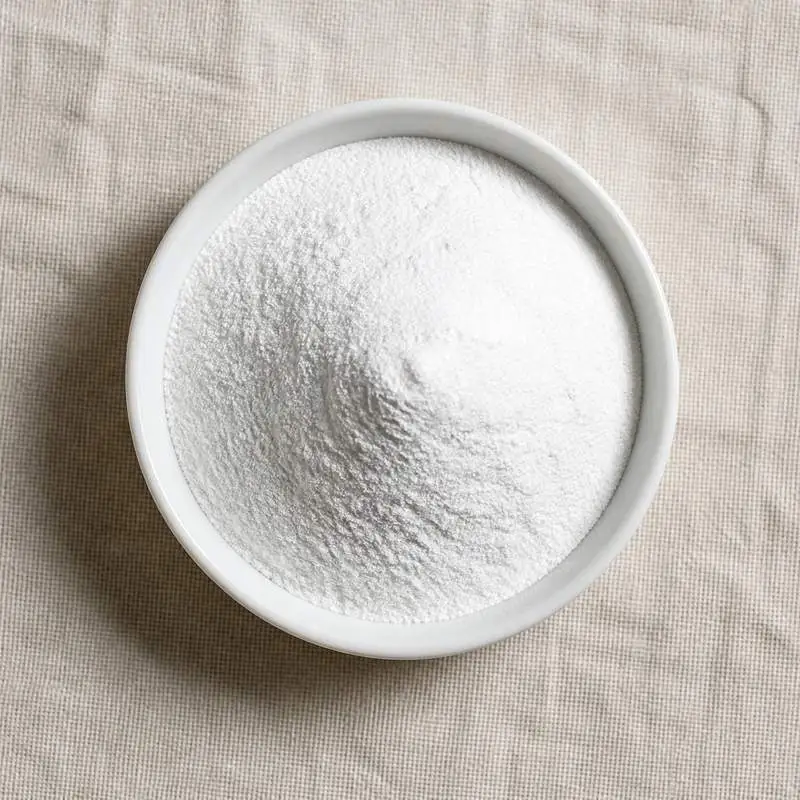
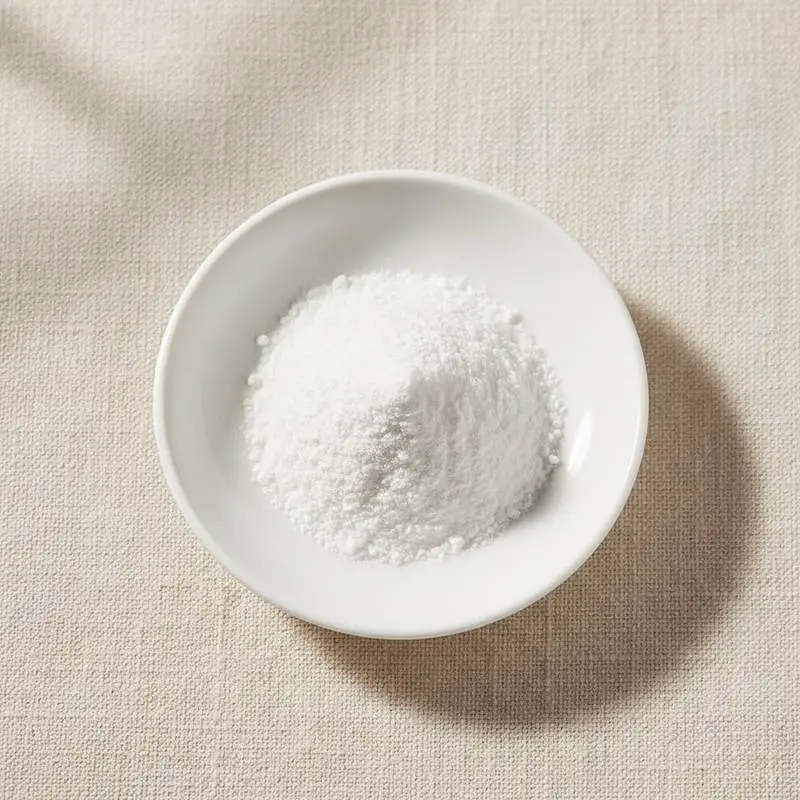
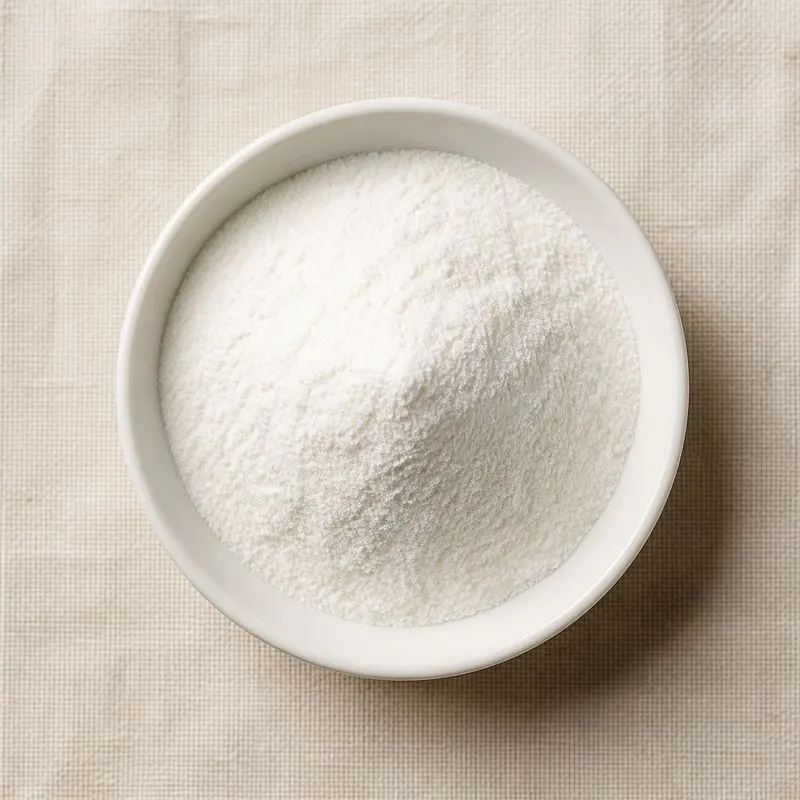
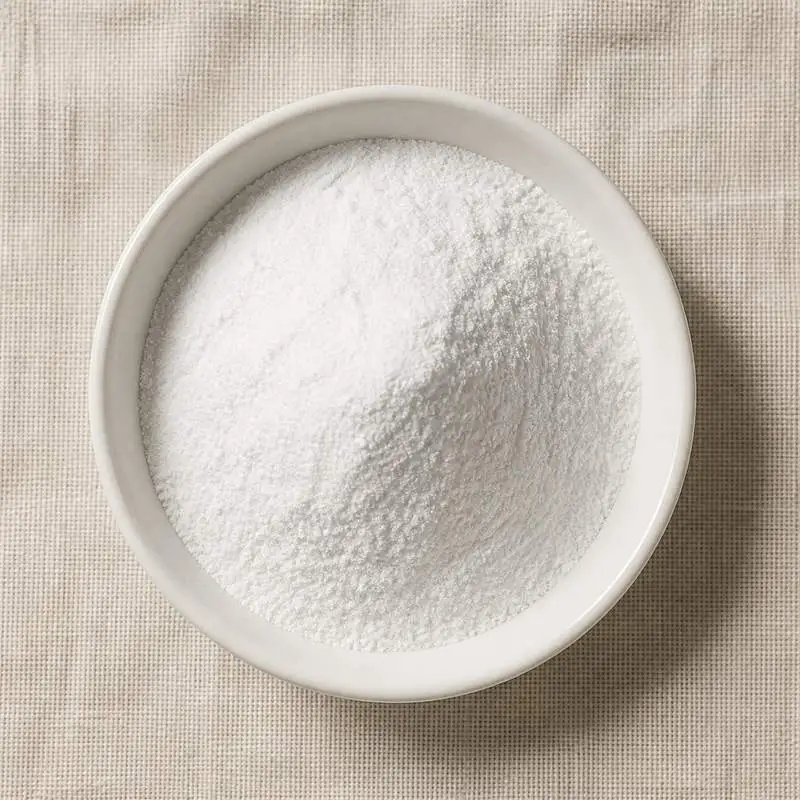
The material is a white to off white crystalline powder, odourless, with a bitter taste and a melting point above 350 degrees Celsius with decomposition. It is sparingly soluble in cold water and dissolves more readily in hot water and in dilute alkali, which is how it is handled in beverage work; solubility is lower than that of caffeine, so ready to drink formulations usually rely on a hot dissolution step or on a solubilised premix. The solid is stable to heat and light and is not hygroscopic, so standard sealed drum storage is sufficient.
We source bulk Paraxanthine from top China manufacturers for our partners. The manufacturer is in Jiangsu. A smaller requirement can ship in a combined container with other ingredients.
Please send the grade you need, the volume and your destination port, and we will come back with a solution and a price.
or call +86-21-6858 0751
- Function
- Nutraceutical
Specifications
| Item | Specification |
|---|---|
| Appearance | White to off white crystalline powder |
| Identification | Infrared and HPLC retention conform to reference standard |
| Assay, dried basis | 98.0 percent minimum |
| Caffeine | 0.5 percent maximum |
| Theophylline | 0.5 percent maximum |
| Theobromine | 0.5 percent maximum |
| Loss on drying | 0.5 percent maximum |
| Residue on ignition | 0.1 percent maximum |
| Heavy metals | 10 mg/kg maximum |
| Lead | 1.0 mg/kg maximum |
| Arsenic | 1.0 mg/kg maximum |
| Residual solvents | Conforms to ICH Q3C limits |
| Total plate count | 1,000 cfu/g maximum |
| Yeast and mould | 100 cfu/g maximum |
| Escherichia coli | Absent in 1 g |
| Salmonella | Absent in 25 g |
Common Markets Grades
Paraxanthine is traded essentially as a single specification, a food or supplement grade crystalline powder at 98 to 99 percent minimum assay, with the related methylxanthines caffeine, theophylline and theobromine controlled as individual impurities because they are the substances most likely to be carried through from the synthesis. Buyers specify a residual solvent profile appropriate to the route used and, where the material is made by fermentation or biocatalysis, a microbiological set as well.
The practical variation is physical rather than chemical. Standard crystalline material, micronised grades milled to a finer particle size for faster dissolution in cold liquids, and granulated grades for direct compression tabletting are the forms usually stocked. Anhydrous material is the norm. Some suppliers also offer the ingredient as a branded, dossier backed grade tied to a specific safety review, which is a documentation distinction rather than a difference in the substance.
Applications
- Pre-workout and energy supplement powders, where it is used as the stimulant active in place of or alongside caffeine
- Energy drinks and functional beverages, where the shorter duration profile is positioned for daytime use
- Nootropic and focus formulations, usually combined with L-theanine, tyrosine or choline donors
- Capsules and tablets for stand alone stimulant supplements, where the crystalline powder is directly compressible after granulation
- Sports nutrition gels and chews, where it supplies a stimulant load in a small dose weight
- Weight management and thermogenic blends, where methylxanthines are used for their effect on energy expenditure
- Analytical reference standards, where high purity paraxanthine is required as a marker in caffeine metabolism assays
- Ready to mix stick packs and effervescent tablets, where micronised grades are needed to dissolve at ambient temperature
Brands Using Paraxanthine
Widely-distributed consumer products that list Paraxanthine on the ingredient label.
- Unmatched SuppsParaxanthine ↗A single ingredient stimulant capsule built on Enfinity paraxanthine, described on the page as the primary metabolite of caffeine.Label verified 2026-08-31
- Gains in BulkNO MATTER WHAT Pre-Workout ↗This pre-workout powder uses Enfinity paraxanthine as its stimulant in place of caffeine, alongside citrulline and alpha-GPC.Label verified 2026-08-31
Brand names, product names and logos are the property of their owners. They appear here as published evidence that the ingredient is used, taken from the brand's own label or website. Their appearance is not an endorsement, and it does not mean the brand buys from us or from any manufacturer listed on this site.
China Manufacturers of Paraxanthine
Top Paraxanthine manufacturers in China.
Company names and logos are the property of the manufacturers themselves. They are listed here because our own directory records them as producing this ingredient. A listing is not an endorsement by them, and we do not represent them or speak on their behalf.
Regulatory Status
In the United States paraxanthine is marketed as a dietary ingredient and as a food ingredient on the basis of generally recognised as safe conclusions supported by toxicology and human tolerability studies, and a GRAS notification for its use in beverages and supplement categories has been submitted to the FDA under the agency's voluntary notification programme. It is not the subject of a standing food additive regulation, so its lawful use rests either on a GRAS determination for the specific conditions of use or, for supplements, on new dietary ingredient notification. Products containing it are subject to the general labelling requirements for dietary supplements and to the stimulant labelling expectations that apply to caffeine and its relatives.
In the European Union paraxanthine has no history of significant consumption as an isolated substance before May 1997 and therefore falls under the Novel Food Regulation, Regulation (EU) 2015/2283. It requires authorisation and entry in the Union list before it may be placed on the market as a food or food supplement ingredient, and it is not currently authorised. Codex Alimentarius has no commodity or additive standard for the substance, and JECFA has not evaluated it; the relevant international reference material is the wider body of methylxanthine safety assessment carried out for caffeine. National rules on stimulant labelling and on maximum stimulant content in food supplements apply in several member states independently of the novel food position.
Manufacturing Process
Commercial paraxanthine is made by selective methylation of a xanthine precursor, since isolating the compound from natural sources is not viable at scale. The classical chemical route starts from theobromine, 3,7-dimethylxanthine, or from a protected xanthine, and installs the methyl group at the 1 position using dimethyl sulphate or methyl iodide with a base in a polar aprotic solvent. The difficulty is regioselectivity: methylation of xanthine can occur at three nitrogen positions, so the process depends on blocking groups or on carefully controlled stoichiometry and temperature to favour the 1,7 isomer and suppress caffeine and theophylline formation.
An enzymatic route is also used, in which an engineered microbial strain expressing N-methyltransferases, or a purified enzyme system with S-adenosylmethionine as the methyl donor, converts 7-methylxanthine into paraxanthine in aqueous buffer. This avoids the isomer problem by relying on the specificity of the enzyme, and is run as a fed batch biotransformation followed by cell removal.
Either route ends in the same purification train. The crude reaction mass is quenched and neutralised, the product is extracted or crystallised from water or an alcohol and water mixture, treated with activated carbon to strip colour, and recrystallised until the related methylxanthines fall below specification. Crystals are centrifuged, washed, vacuum dried, milled to the target particle size and sieved before packing.