L-Theanine
L-Theanine is a non-proteinogenic amino acid with the systematic name N-ethyl-L-glutamine, formula C₇H₁₄N₂O₃, and CAS 3081-61-6.
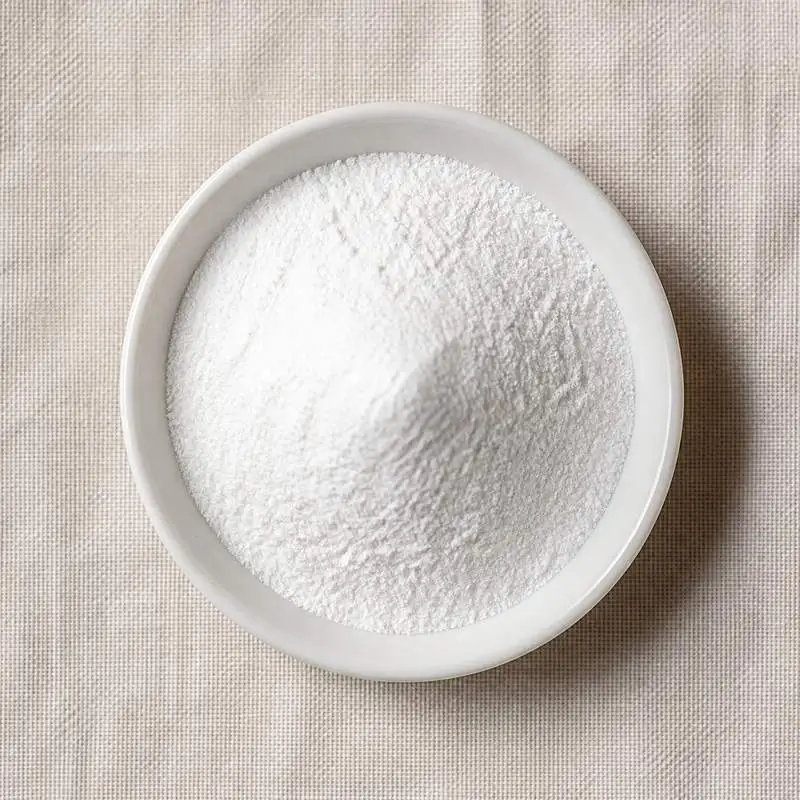
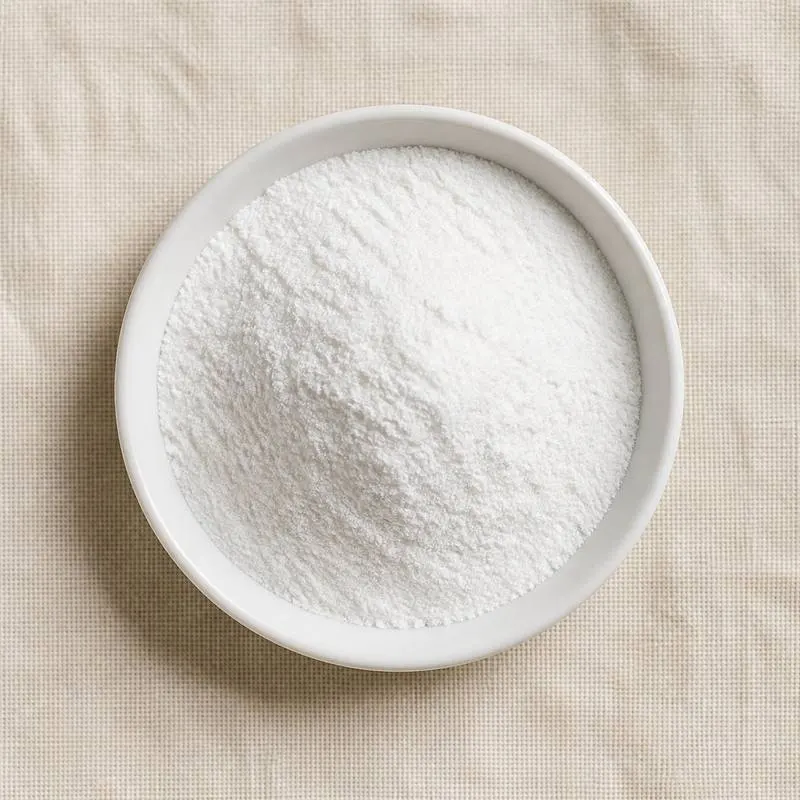
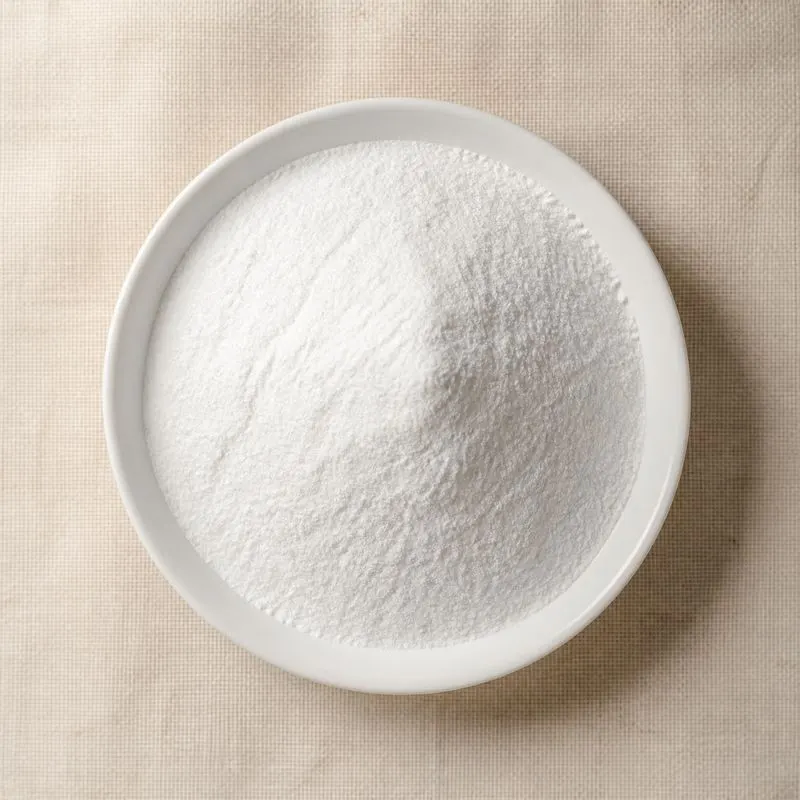
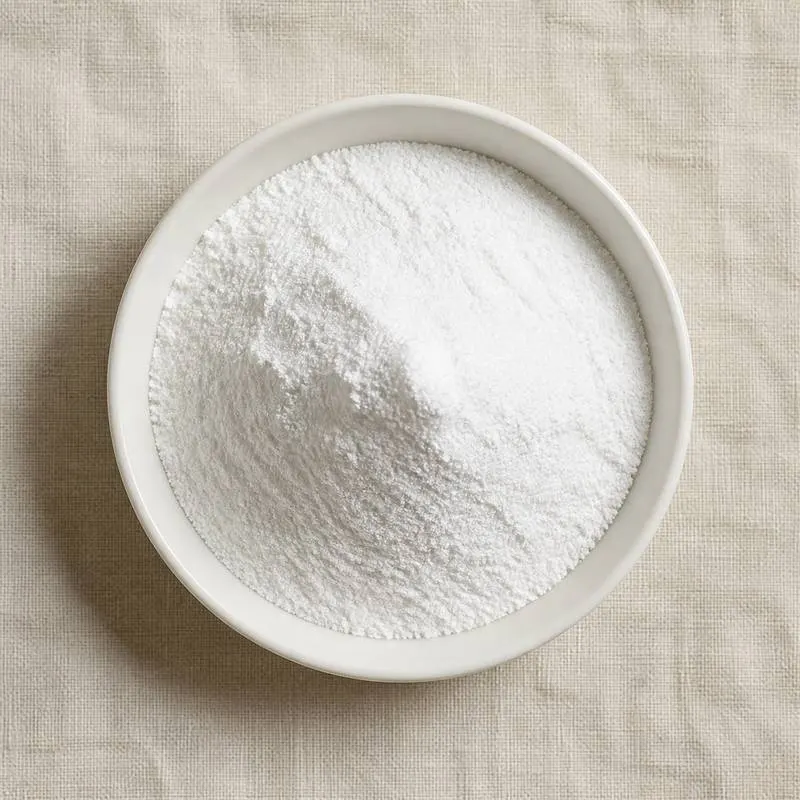
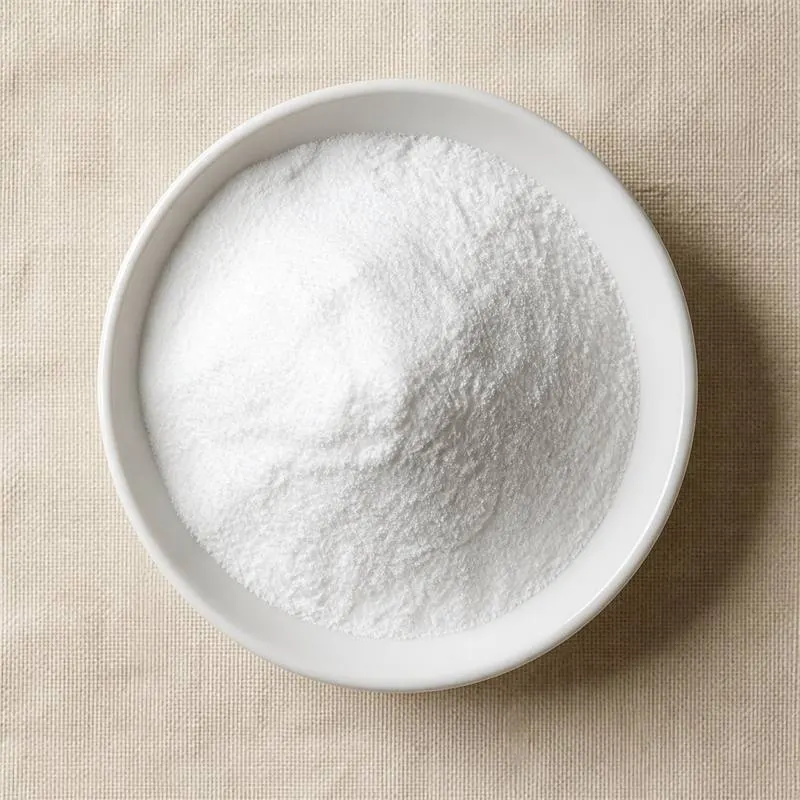
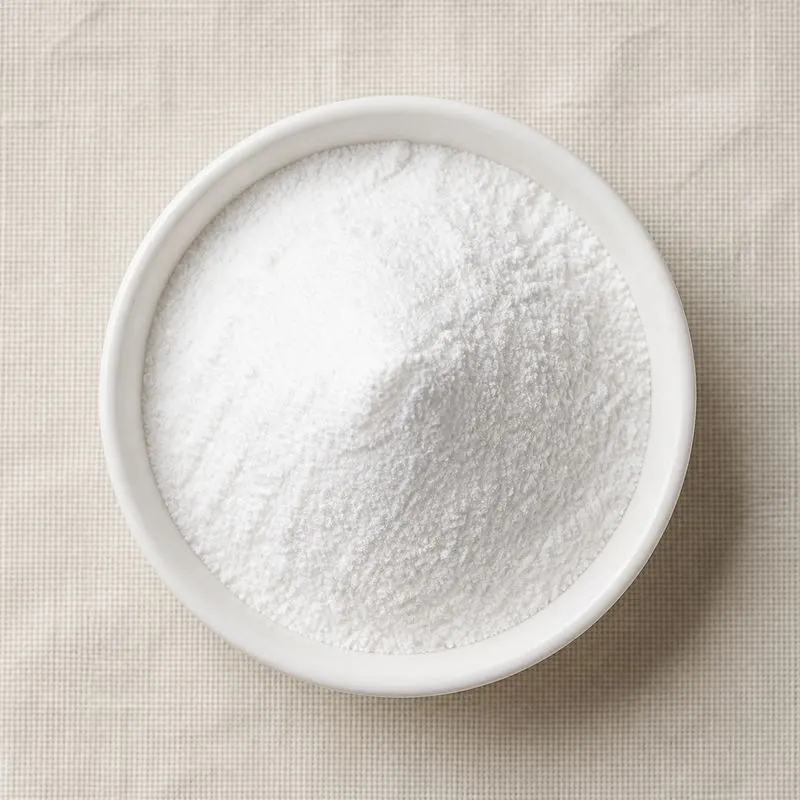
The molecule is a glutamic acid derivative in which the side chain carboxyl is replaced by an ethylamide group. It is a white crystalline powder with a faint umami taste and high water solubility, and is the principal free amino acid in the leaves of Camellia sinensis, the tea plant.
We source bulk L-Theanine from top China manufacturers for our partners. The manufacturers are in Zhejiang. For this ingredient the minimum order is 200 kg and a 20-foot container takes 10 MT, and a smaller requirement can ship in a combined container with other ingredients.
Please send the grade you need, the volume and your destination port, and we will come back with a solution and a price.
or call +86-21-6858 0751
- Minimum order
- 200 kg
- Qty in 20' FCL
- 10 MT
- Packaging
- 25 kg kraft paper bag with PE inner liner
- ISO 9001
- HACCP
- Halal
- Kosher
Specifications
| Item | Specification |
|---|---|
| Appearance | White to off-white crystalline powder |
| Assay (HPLC, dry basis) | ≥ 98.0% |
| Specific rotation (L-isomer confirmation) | +7.0° to +9.0° |
| Loss on drying | ≤ 1.0% |
| Residue on ignition | ≤ 0.2% |
| Heavy metals (as Pb) | ≤ 10 mg/kg |
| Arsenic | ≤ 1 mg/kg |
| Residual solvents | Meets ICH Q3C limits |
| Microbiology | Meets pharmacopoeial limits |
| Particle size | 80 mesh standard, or per customer specification |
Common Markets Grades
L-theanine is graded across two source categories and two enantiomeric specifications.
Synthetic L-theanine at 98 to 99 percent assay is the volume leader for supplements and functional beverages. Material is enantiopure L-form, with the D-isomer kept below 0.5 percent.
Pharmaceutical-aligned grade at 99 percent or higher with full residual solvent and heavy metal profiling supports clinical-trial and registered medicinal product use in markets that license it.
Natural-source L-theanine, extracted from green tea leaves, comes at four strengths: 20 percent, 40 percent, 60 percent and high-purity 98 percent. Higher-purity natural grades carry a premium and serve clean-label and tea-origin positioning, often supported by botanical authentication documentation.
Applications
- Relaxation and focus supplements in capsule, tablet, and softgel formats
- Functional beverages combining L-theanine with caffeine for calm alertness positioning
- Sleep support blends paired with GABA, magnesium glycinate, or melatonin
- Nootropic stacks aimed at attention, working memory, and stress modulation
- Ready-to-drink teas and bottled green tea products with theanine fortification
- Gummies and chewables for daytime stress and evening unwind use
- Pre-study and pre-meeting drinks and shots for focused cognitive performance
- Pediatric and adolescent supplements for school-related stress in markets that permit them
- Pet supplements for noise phobia and travel anxiety in dogs and cats
- Cosmetic actives for skin barrier hydration and stress-reactivity formulations
- Functional chocolates and protein bars in the calm-energy category
- Clinical research material for studies of attention, anxiety, and EEG alpha-wave activity
Brands Using L-Theanine
Widely-distributed consumer products that list L-Theanine on the ingredient label.
- NOW FoodsL-Theanine 200 mg Veg Capsules (Suntheanine) ↗Double-strength formula delivers 200 mg L-Theanine (as Suntheanine) per capsule with 100 mg inositol for relaxation and cognitive support.Label verified 2026-05-24
- Doctor's BestL-Theanine with Suntheanine 150 mg ↗Each veggie capsule provides 150 mg of Suntheanine, a patented pure form of L-theanine.Label verified 2026-05-24
- Jarrow FormulasTheanine 200 (200 mg Veggie Capsules) ↗Supplement Facts list L-Theanine 200 mg per veggie capsule for relaxation support and alpha brain wave formation.Label verified 2026-05-24
- Source NaturalsSerene Science Theanine Serene with Magnesium ↗Theanine Serene combines L-theanine with magnesium, GABA, taurine and holy basil.Label verified 2026-05-24
- Pure EncapsulationsL-Theanine ↗Supplies free-form L-theanine.Label verified 2026-05-24
Brand names, product names and logos are the property of their owners. They appear here as published evidence that the ingredient is used, taken from the brand's own label or website. Their appearance is not an endorsement, and it does not mean the brand buys from us or from any manufacturer listed on this site.
China Manufacturers of L-Theanine
Top L-Theanine manufacturers in China.
- Zhejiang Tianrui Chemical Co., Ltd.7 ingredients in the directory
 Zhejiang Zhenyuan Biotech Co., Ltd.3 ingredients in the directory
Company names and logos are the property of the manufacturers themselves. They are listed here because our own directory records them as producing this ingredient. A listing is not an endorsement by them, and we do not represent them or speak on their behalf.
How We Help Source L-Theanine
Direct Factory Sourcing
We run the whole process: selecting the manufacturer from the top Chinese food ingredient producers, negotiating the price, verifying quality, and coordinating the logistics. You deal with us instead of with several factories at once.
Original Packaging and Documents from the Manufacturer
The manufacturer sends your L-Theanine out of its own factory in the original packing, through to your destination port. The COA, COO, MSDS, TDS and any certifications reach you from the manufacturer as well.
Free Samples and Lead Time
We send 100 to 500 g free for your own laboratory to test and you cover only the courier, usually within 2 to 3 working days. ETD is usually within 7 to 15 days once the order is confirmed, and we check that date against the factory's own manufacturing schedule before we give it to you.
Combined Shipment
We can load L-Theanine together with other ingredients such as Glycine, L-Arginine and L-Leucine into one 20' FCL. If your quantity is small, we can also ship LCL.
Regulatory Status
L-theanine has wide regulatory acceptance as a supplement and food ingredient.
In the United States, multiple L-theanine grades have received GRAS notification for use in conventional foods including beverages, chewing gum, and confectionery, at defined maximum use levels. The FDA has issued no-objection letters on those notifications.
In the European Union, L-theanine is permitted in food supplements in several member states under national notification, though it does not hold a centralized novel food authorisation for general food use.
Japan is the largest functional food market for L-theanine, with numerous Foods with Function Claims (FFC) registrations covering stress relief and sleep quality. Daily use levels of 100 to 200 mg are typical.
South Korea, Australia, and Canada recognise L-theanine in their respective complementary medicine or supplement frameworks. Pharmacopoeial monographs are not yet harmonised, and most suppliers issue in-house specifications aligned with FCC testing.
Manufacturing Process
Two manufacturing routes supply the global market.
Chemical synthesis proceeds by reaction of L-glutamic acid or its derivatives with ethylamine. The most common industrial pathway uses N-protected L-glutamic anhydride or activated ester intermediates, with ethylamine acting as the nucleophile to form the gamma-ethylamide. After deprotection, the product is purified by ion exchange and crystallised.
Enzymatic synthesis uses gamma-glutamyltransferase or glutaminase enzymes to couple L-glutamine with ethylamine in aqueous buffer. This route delivers high enantiomeric purity and is preferred for grades positioned as natural-equivalent.
Natural extraction from green tea leaves is performed by aqueous or hydroalcoholic extraction followed by chromatographic enrichment on ion exchange and reverse-phase resins. Final purification by recrystallisation yields high-purity natural L-theanine, while lower-purity extracts retain accompanying tea polyphenols.