Peony Oligopeptide
Peony oligopeptide is an enzymatic hydrolysate of the protein in peony seed, taken from the meal left after oil pressing of the seeds of oil peony species, principally Paeonia ostii and Paeonia rockii, and hydrolysed to peptides mostly below 1000 Daltons.
The ingredient exists because of the Chinese oil peony industry. Large plantings established in Shandong, Henan and Anhui are grown for peony seed oil, which is unusually high in alpha linolenic acid, and the pressed cake that remains carries around 20 to 25 percent protein. Converting that cake from a low value feed material into a peptide is what gives the crop a second revenue stream, and peony oligopeptide is therefore a by-product ingredient rather than a purpose grown one.
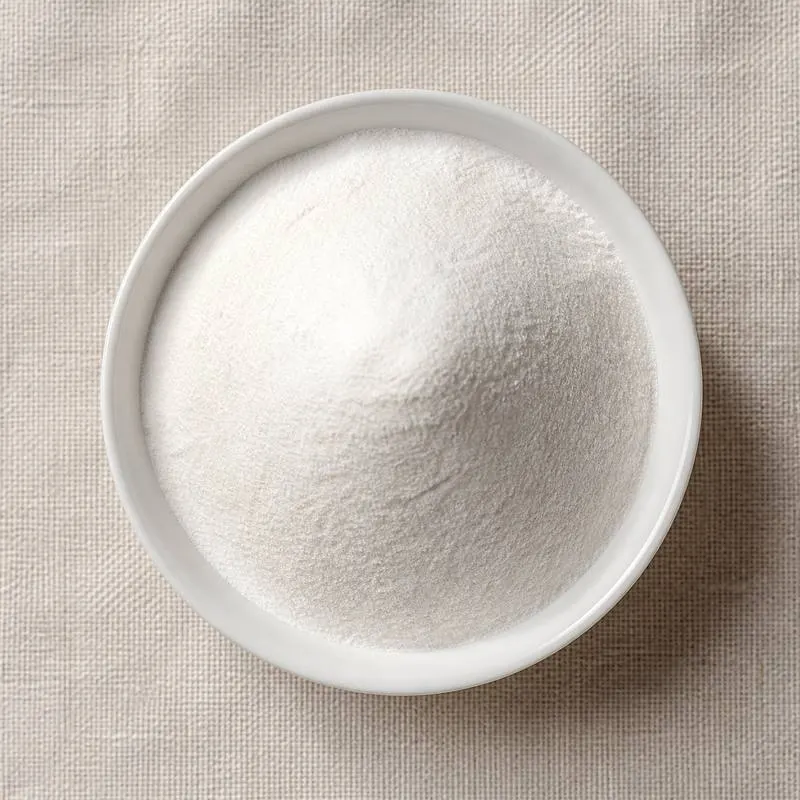
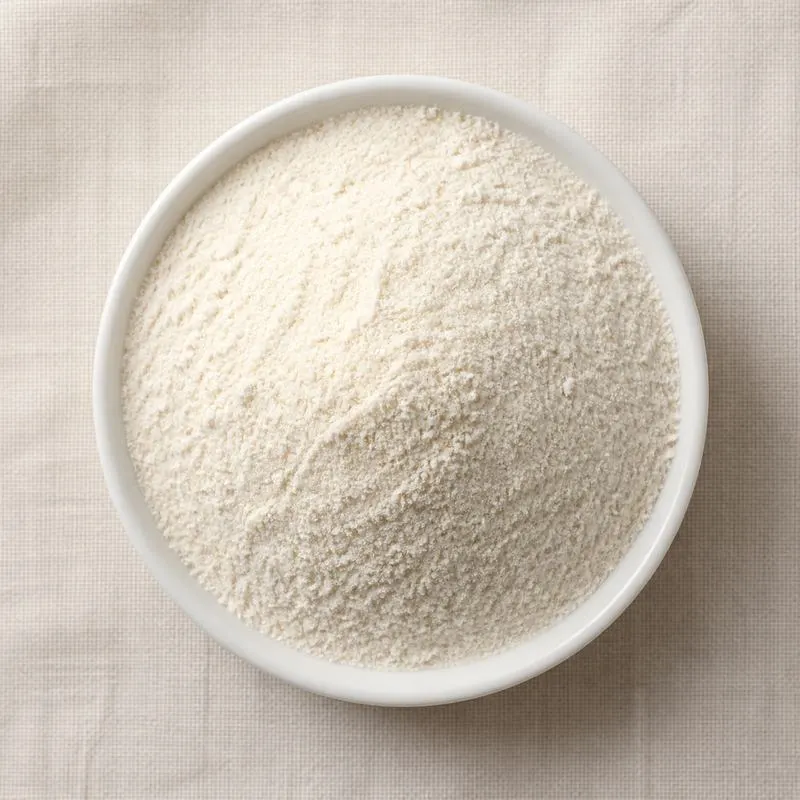
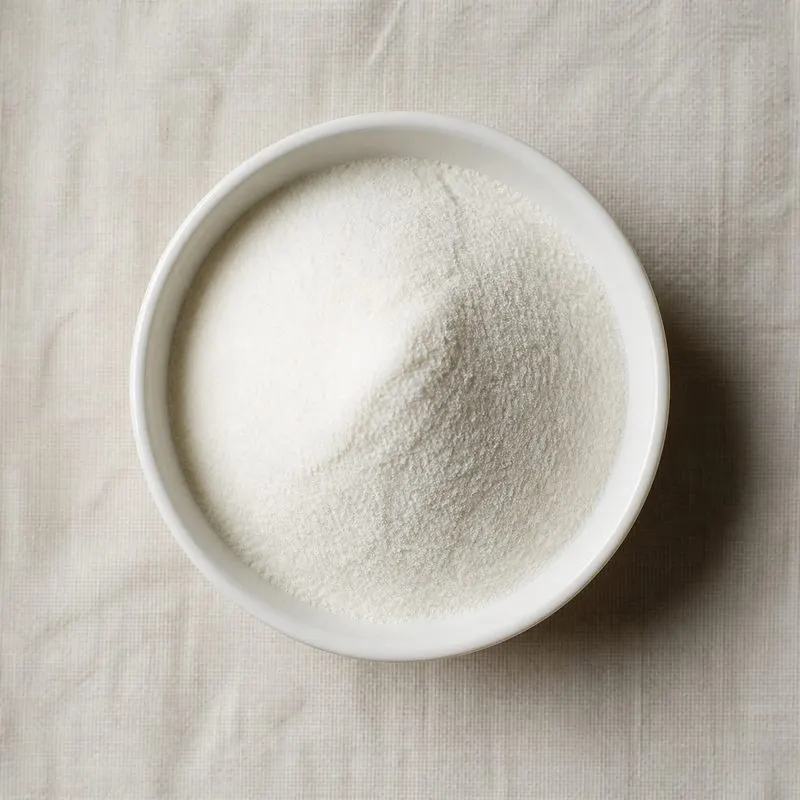
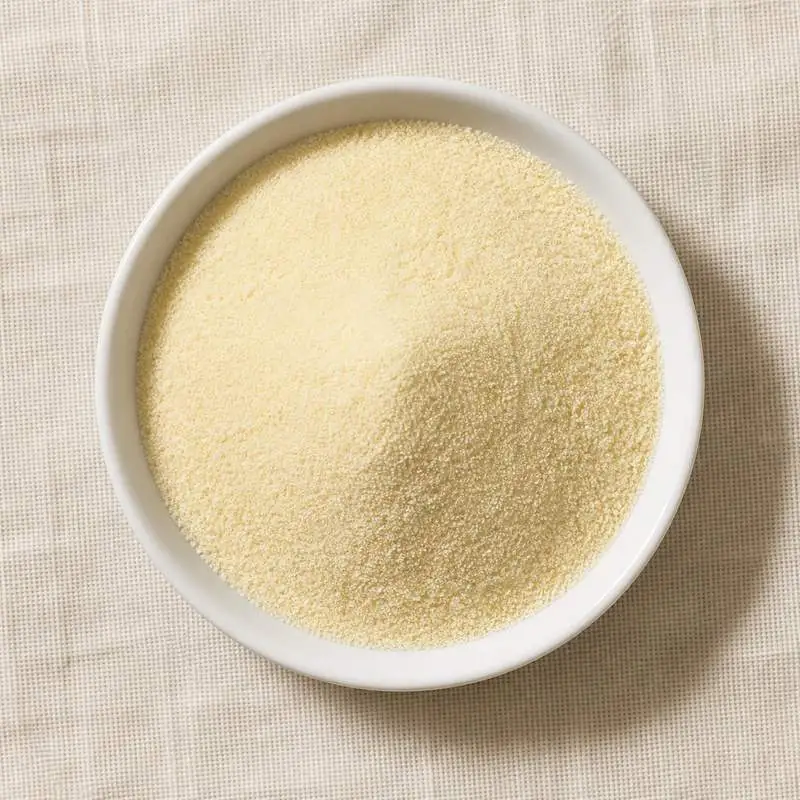
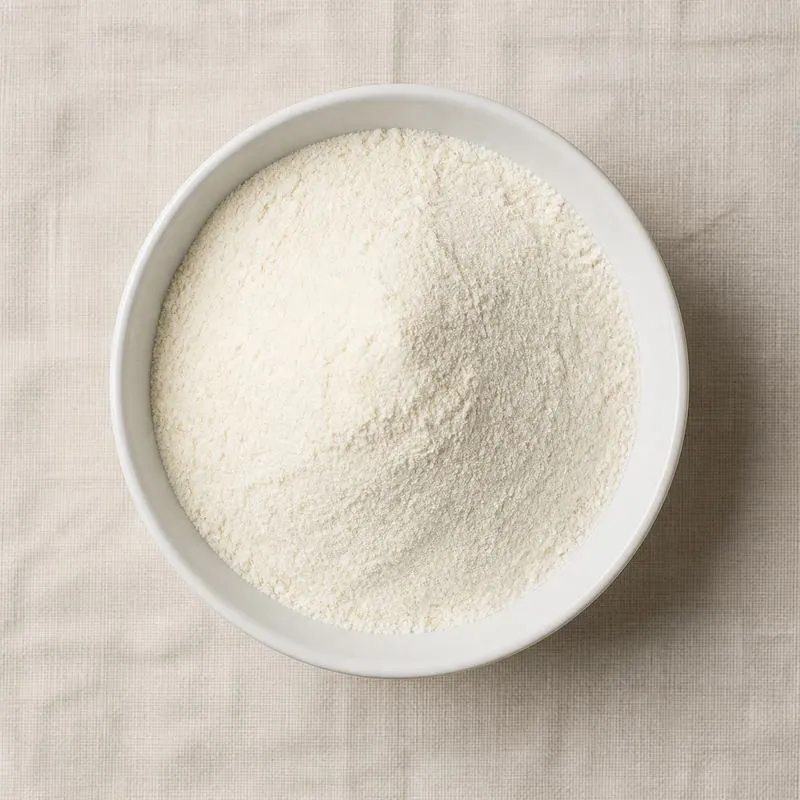
The powder is light yellow to pale brown, freely soluble in cold and hot water, and gives clear, low viscosity solutions that hold through the acid pH range and through pasteurisation. Flavour is mild with a slight bitterness typical of a deep plant hydrolysate. Because the meal also contains phenolic compounds, including the paeoniflorin and monoterpene glycosides associated with the genus, decolourisation and washing during processing determine both the colour of the powder and how much of that secondary chemistry carries through.
We source bulk Peony Oligopeptide from top China manufacturers for our partners. The manufacturer is in Shandong. A smaller requirement can ship in a combined container with other ingredients.
Please send the grade you need, the volume and your destination port, and we will come back with a solution and a price.
or call +86-21-6858 0751
- Function
- Protein
Specifications
| Item | Specification |
|---|---|
| Appearance | Light yellow to pale brown fine powder |
| Odour and Taste | Mild characteristic plant note, slightly bitter |
| Protein (N x 6.25, dry basis) | Minimum 80.0% |
| Peptide Content (dry basis) | Minimum 60.0% |
| Molecular Weight below 1000 Da | Minimum 85.0% |
| Solubility (1% in water) | Minimum 95.0% |
| Loss on Drying | Maximum 7.0% |
| Ash | Maximum 8.0% |
| Fat | Maximum 1.0% |
| pH (1% solution) | 5.5 to 7.5 |
| Lead | Maximum 0.5 mg/kg |
| Arsenic | Maximum 0.5 mg/kg |
| Total Plate Count | Maximum 10,000 cfu/g |
| Escherichia coli and Salmonella | Absent in 25 g |
Common Markets Grades
Grades follow molecular weight and protein content, with oligopeptide grade holding 85 percent or more of peptide mass below 1000 Daltons at 80 percent or more protein on a dry basis, against a general hydrolysate grade cut less far and sold below that. Some suppliers additionally declare a polyphenol or paeoniflorin content, which turns the residual plant chemistry into a specified attribute rather than an incidental one, while others specify a fully decolourised powder in which that fraction is deliberately stripped out.
Feedstock quality is the other point of difference. Cold pressed cake from a low temperature oil line gives a paler and better tasting peptide than cake from a hot pressed or solvent extracted line, and the species and growing region are normally stated. Because the ingredient is comparatively new and the supply base narrow, specifications vary more between suppliers than for established plant peptides, so a buyer should confirm the assay basis rather than assume it.
Applications
- Capsule and tablet supplements in the Chinese market, positioned on antioxidant and general wellbeing claims
- Oral liquid tonics and functional shots, where solubility in an acid base is required
- Instant powders and sachets, blended with plant extracts in traditional style formulations
- Protein fortified beverages seeking a differentiated botanical protein source
- Skincare essences, serums and masks, where small plant peptides are used for film forming and moisture binding
- Hair care ampoules and conditioners in the domestic salon channel
- Functional jellies and gummies, added as a soluble protein that does not disturb the gel
- Nutrition bars and snacks marketed on a botanical protein story
- Fermentation and cell culture media, used as a plant derived nitrogen source
China Manufacturers of Peony Oligopeptide
Top Peony Oligopeptide manufacturers in China.

Company names and logos are the property of the manufacturers themselves. They are listed here because our own directory records them as producing this ingredient. A listing is not an endorsement by them, and we do not represent them or speak on their behalf.
Regulatory Status
Peony seed derived ingredients are a recent development and their regulatory position outside China is correspondingly thin. In the United States there is no food additive regulation and no published generally recognised as safe listing naming peony seed protein or its hydrolysate, so food use would rest on a self determined generally recognised as safe conclusion supported by data on the specific species, process and specification. Supplement use falls under the Dietary Supplement Health and Education Act, where a new dietary ingredient notification may be required given the limited history of use in the United States.
In the European Union peony seed protein hydrolysate has no demonstrated history of significant consumption before the novel food cut off, so it would require authorisation as a novel food under Regulation (EU) 2015/2283 before being placed on the market as a food or food supplement ingredient, with a dossier covering identity, composition, production process, proposed uses and toxicological data. No E number applies, since the material is an ingredient rather than an additive, and neither Codex nor JECFA has established a specification. Cosmetic use in the European Union is governed instead by the cosmetic products regulation and its safety assessment requirements, which is a lower barrier and part of why cosmetic applications have developed faster than food ones.
Manufacturing Process
Peony seed harvested from oil plantings is dried, dehulled and pressed for oil, and the press cake that remains is the raw material for the peptide. The cake is milled and residual oil is reduced, then the meal is dispersed in water and brought to pH 8 to 9 with food grade alkali so that the storage proteins dissolve while fibre and residual hull remain insoluble and are separated on decanter centrifuges. Where a purer starting protein is wanted, the liquor is acidified to the isoelectric region to recover a protein curd, which is washed to remove sugars and part of the phenolic load and then neutralised.
Hydrolysis is run in a stirred reactor at 50 to 60 degrees Celsius under controlled pH, generally with a bacterial endoprotease to open the chains followed by an exopeptidase preparation to trim the hydrophobic terminal residues that carry bitterness. It is driven further than for a standard hydrolysate because the product is specified as an oligopeptide. The enzymes are inactivated by heat, the digest is centrifuged and filtered, and the liquor is treated with activated carbon or adsorbent resin for colour and for control of the phenolic fraction. Nanofiltration follows, since a membrane cut this fine is needed to hold peptides below 1000 Daltons while removing salts, and the purified liquor is concentrated under vacuum, pasteurised and spray dried, then sieved and packed.