Peony Seed Oil
Peony seed oil is the fixed oil expressed from the mature seeds of oil tree peony, principally Paeonia ostii and Paeonia rockii, woody shrubs cultivated in central China for seed rather than for flowers. It is one of the small group of edible plant oils that are dominated by alpha-linolenic acid.
Its fatty acid profile is what defines the ingredient. Alpha-linolenic acid, the omega-3 fatty acid, typically accounts for 40 percent or more of the total, with linoleic acid at around 25 percent and oleic acid at 20 to 25 percent, leaving saturated fatty acids below 10 percent. The unsaponifiable fraction carries tocopherols, phytosterols and small quantities of squalene and of the stilbene trans-resveratrol, which is unusual in a seed oil. The polyunsaturated load means it is used as a nutritional oil rather than a frying oil.
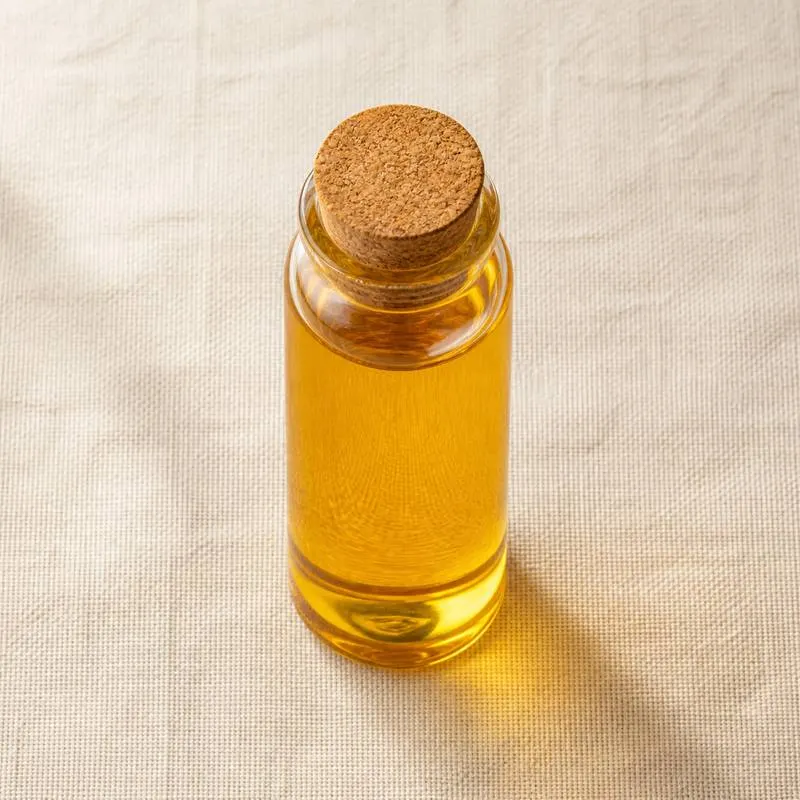
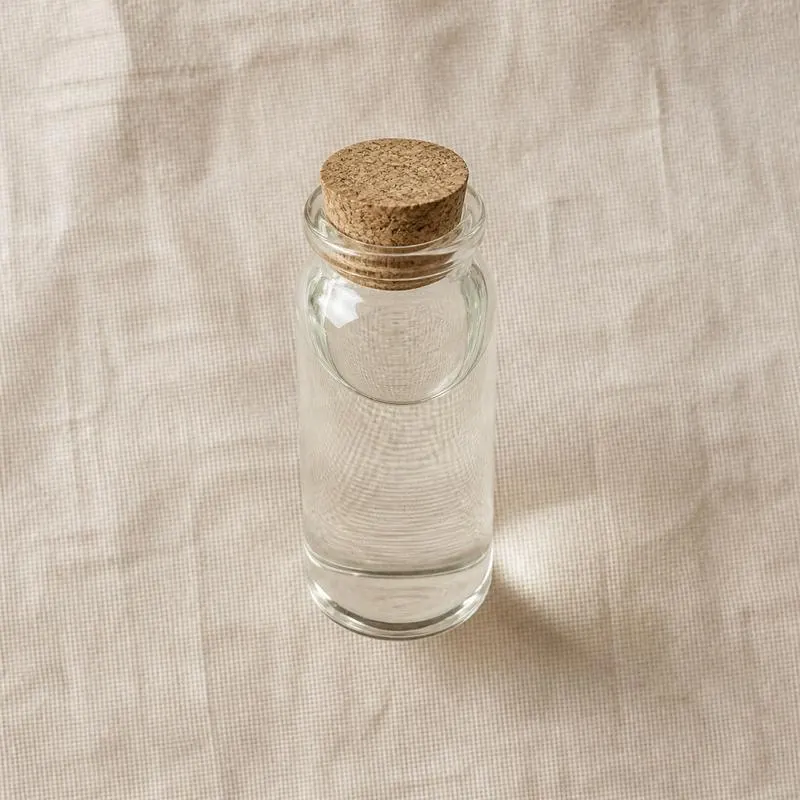
The refined oil is a clear pale yellow liquid with a bland to faintly nutty odour, liquid at ambient temperature and with a low melting point. It is insoluble in water and miscible with other oils and with non polar solvents. Oxidative stability is the main limitation. With more than 65 percent of the fatty acids polyunsaturated, the oil darkens and develops rancid notes on exposure to air, heat and light, so it is handled under nitrogen, held cool and dark, and usually protected with tocopherol.
We source bulk Peony Seed Oil from top China manufacturers for our partners. The manufacturer is in Shaanxi. A smaller requirement can ship in a combined container with other ingredients.
Please send the grade you need, the volume and your destination port, and we will come back with a solution and a price.
or call +86-21-6858 0751
- Function
- Nutraceutical
Specifications
| Item | Specification |
|---|---|
| Appearance | Clear liquid, free of sediment at 20 degrees Celsius |
| Colour | Pale yellow, Lovibond 2.0 red maximum in 5.25 inch cell |
| Odour and taste | Bland, characteristic, free of rancid notes |
| Identification | Fatty acid profile by gas chromatography conforms to peony seed oil |
| Alpha-linolenic acid | 38.0 percent minimum of total fatty acids |
| Linoleic acid | 20.0 to 30.0 percent of total fatty acids |
| Free fatty acids, as oleic | 0.2 percent maximum |
| Peroxide value | 5.0 meq oxygen per kg maximum |
| Anisidine value | 10.0 maximum |
| Moisture and volatile matter | 0.1 percent maximum |
| Unsaponifiable matter | 1.5 percent maximum |
| Lead | 0.1 mg/kg maximum |
| Arsenic | 0.1 mg/kg maximum |
| Residual hexane, refined grade | 1.0 mg/kg maximum |
| Benzo[a]pyrene | 2.0 ug/kg maximum |
Common Markets Grades
The principal division is between cold pressed and refined oil. Cold pressed peony seed oil is expressed below 60 degrees Celsius, filtered but not chemically treated, and retains a stronger colour, a distinct seed aroma and a higher unsaponifiable and phenolic content; it also carries a higher free fatty acid figure and a shorter shelf life. Refined, bleached and deodorised oil is pale, bland and more stable, and is the grade used where the oil must not carry flavour into the finished product.
Beyond that split, buyers specify solvent extracted oil, which gives higher yield but a lower positioning than pressed material, and organic certified oil. Encapsulated and microencapsulated powders, produced by emulsifying the oil into a carbohydrate or protein matrix and spray drying, are traded as separate dry ingredients for powder blends and capsules. Softgel fill grade oil is specified with tighter peroxide and anisidine limits than bulk cooking oil. Cosmetic grade material is sold against a specification that emphasises colour and odour rather than the nutritional fatty acid minimum.
Applications
- Softgel capsules and liquid supplements, where the oil is dosed as a plant source of alpha-linolenic acid
- Omega-3 fortified foods, where it is used as a vegetarian alternative to fish and algal oils for the short chain omega-3
- Salad dressings, dips and finishing oils, where the oil is used cold because its polyunsaturated content makes it unsuitable for frying
- Blended edible oils, where a small proportion of peony seed oil is added to a stable base oil to raise the omega-3 content of the blend
- Infant and maternal nutrition formulations, where alpha-linolenic acid is a required fatty acid in the formula specification
- Microencapsulated oil powders for dry beverage mixes, bars and tablet blends
- Skin care and cosmetic formulation, where the oil is used as an emollient with a high linoleic and linolenic content
- Hair and scalp products, where the light non greasy feel of the oil suits leave-in formulations
- Resveratrol and phytosterol recovery, where the seed cake and deodoriser distillate are worked up for minor components
China Manufacturers of Peony Seed Oil
Top Peony Seed Oil manufacturers in China.

Company names and logos are the property of the manufacturers themselves. They are listed here because our own directory records them as producing this ingredient. A listing is not an endorsement by them, and we do not represent them or speak on their behalf.
Regulatory Status
In the United States peony seed oil has no food additive regulation and no published GRAS listing of its own. Where it is used in conventional food, its lawful status rests on an independent GRAS conclusion for the specified conditions of use, and where it is used in dietary supplements it is handled as a dietary ingredient, with a new dietary ingredient notification expected unless a history of marketing before October 1994 can be shown. Products are subject to the general adulteration and labelling provisions of the Federal Food, Drug, and Cosmetic Act, to the fat and fatty acid labelling requirements at 21 CFR 101.9, and to current good manufacturing practice for dietary supplements at 21 CFR Part 111. Cosmetic use is regulated separately and does not carry a food clearance with it.
In the European Union peony seed oil has no established history of significant consumption before May 1997 and therefore falls within the scope of the Novel Food Regulation, Regulation (EU) 2015/2283. Authorisation and entry on the Union list would be required before it could be placed on the market as a food or food supplement ingredient. Once authorised, it would additionally be subject to the general food law framework, to the maximum levels for contaminants in vegetable oils, including polycyclic aromatic hydrocarbons and heavy metals, and to the erucic acid and process contaminant provisions that apply across the oils category. Codex Alimentarius has no commodity standard covering peony seed oil, so the applicable international references are the general standard for named vegetable oils by analogy, the standard for fats and oils not covered by individual standards, and the codes of practice on the reduction of process contaminants in refined oils.
Manufacturing Process
Seed is harvested from tree peony plantations in late summer when the follicles blacken and split, then threshed from the pods, cleaned of hull fragments and dried to below 8 percent moisture. The hard outer seed coat is removed by cracking and aspiration, since the kernel carries essentially all the oil and dehulling raises both press yield and oil quality. Kernels are then flaked on rollers to rupture the cell walls.
Oil recovery is by screw pressing. For cold pressed grades, flaked kernel is pressed in a temperature controlled expeller held below 60 degrees Celsius, and the crude oil is settled, filtered through plate or bag filters and packed under nitrogen with no further treatment. For refined grades, the press cake is extracted with hexane to recover the residual oil, the miscella is desolventised under vacuum, and the combined crude oil goes to a conventional refining train. It is degummed with water or phosphoric acid to remove phospholipids, the free fatty acids are neutralised with dilute alkali and the soapstock separated, colour bodies and oxidation products are stripped with activated clay, and the oil is deodorised by steam stripping under high vacuum at a temperature kept as low as the plant allows, because the polyunsaturated fatty acids isomerise if the deodoriser runs hot. Winterisation is applied where clarity at low temperature is needed. Refined oil is dosed with tocopherol, filtered, and filled under nitrogen into lined drums or flexitanks held cool and dark.