Phenibut Hcl
Phenibut hydrochloride is the hydrochloride salt of 4-amino-3-phenylbutanoic acid, a phenyl substituted analogue of the neurotransmitter gamma-aminobutyric acid, with the formula C10H13NO2 as the free base and CAS number 1078-21-3 for the salt. The phenyl ring at the beta position is what allows the molecule to cross the blood brain barrier, which unsubstituted GABA does not do to any useful extent.
It is a pharmacologically active substance rather than a food ingredient in any functional sense. It acts principally as an agonist at the GABA-B receptor, with additional activity at the alpha-2-delta subunit of voltage gated calcium channels, and it was developed and is registered as a medicine in several countries for anxiolytic and nootropic indications. It performs no technological role in food and contributes no nutrition, flavour, colour or texture.
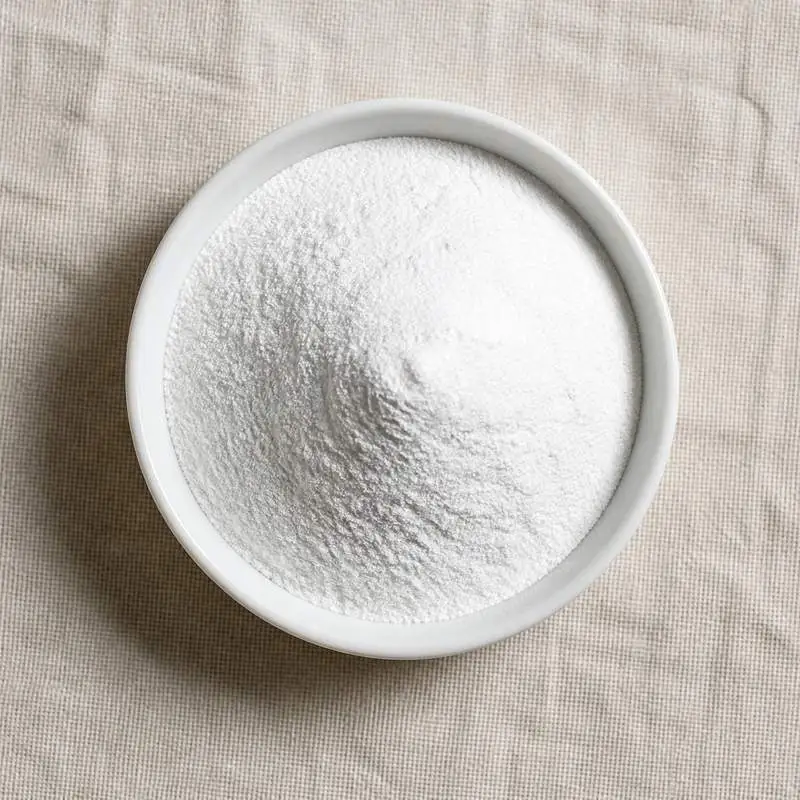
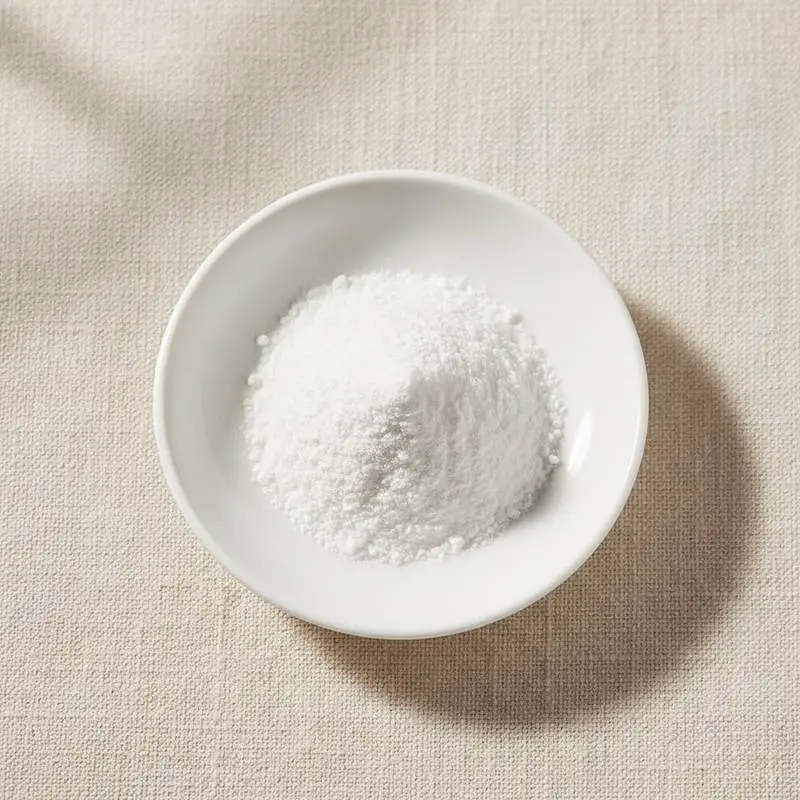
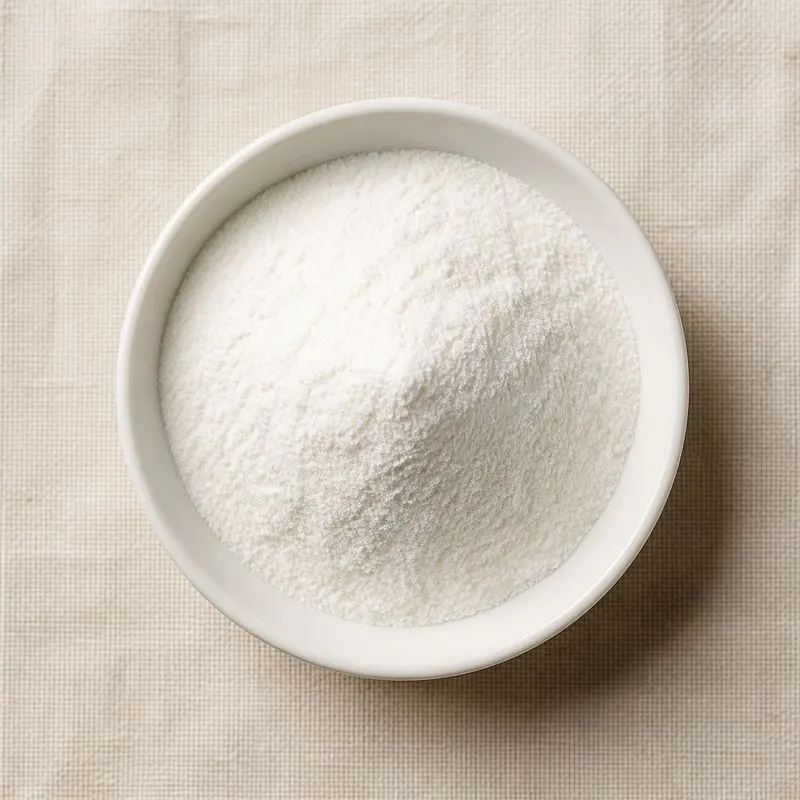
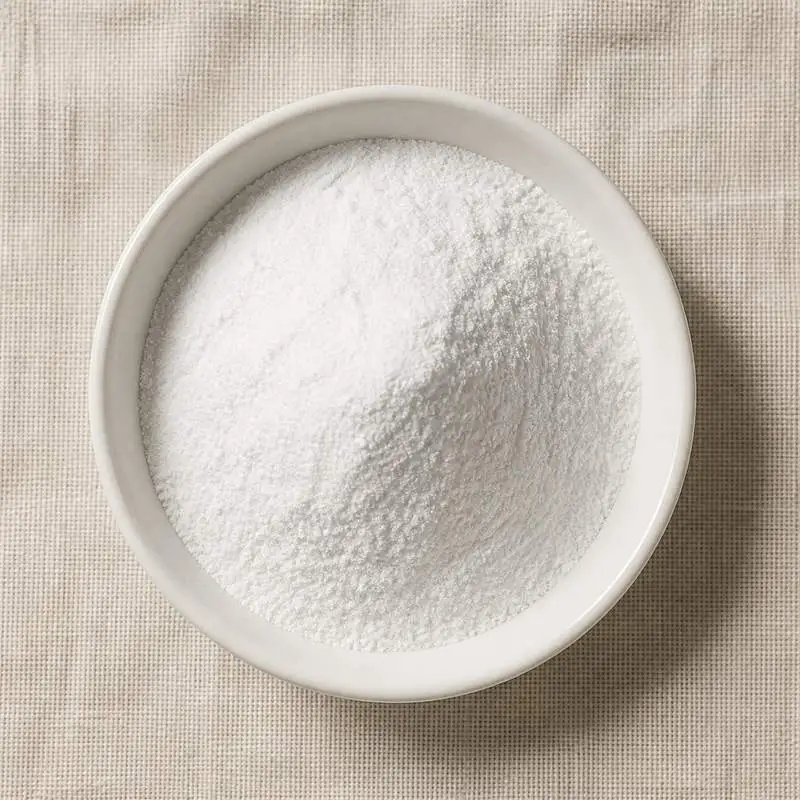
The material is a white crystalline powder, odourless, with a strongly sour and bitter taste and a melting point in the region of 250 degrees Celsius with decomposition. As a hydrochloride salt it is freely soluble in water, giving an acidic solution at around pH 1 to 2 in concentrated form, and is soluble in ethanol but poorly soluble in non polar solvents. The solid is hygroscopic and cakes on exposure to humid air, so it is packed in double polyethylene liners inside sealed drums with desiccant and held dry.
We source bulk Phenibut Hcl from top China manufacturers for our partners. The manufacturer is in Liaoning. A smaller requirement can ship in a combined container with other ingredients.
Please send the grade you need, the volume and your destination port, and we will come back with a solution and a price.
or call +86-21-6858 0751
- Function
- Nutraceutical
Specifications
| Item | Specification |
|---|---|
| Appearance | White crystalline powder |
| Identification | Infrared spectrum and HPLC retention conform to reference standard |
| Chloride identification | Positive silver nitrate reaction |
| Assay, anhydrous basis | 98.0 to 101.0 percent |
| Related substances, any single | 0.5 percent maximum |
| Related substances, total | 1.0 percent maximum |
| pH, 1 percent aqueous solution | 2.0 to 4.0 |
| Water by Karl Fischer | 0.5 percent maximum |
| Residue on ignition | 0.1 percent maximum |
| Heavy metals | 10 mg/kg maximum |
| Lead | 1.0 mg/kg maximum |
| Arsenic | 1.0 mg/kg maximum |
| Residual solvents | Conforms to ICH Q3C limits |
| Residual palladium or nickel | 10 mg/kg maximum |
| Particle size | 100 percent through 60 mesh |
Common Markets Grades
Phenibut hydrochloride is traded essentially as one chemical specification, a crystalline powder at 98 to 99 percent minimum assay against a reference standard, with related substances, residual solvents and water content controlled. It is a racemate in commerce, an equal mixture of the R and S enantiomers, since the resolved single enantiomer is a research material rather than a traded article.
The variation that exists is physical and documentary. Standard crystalline powder, milled or micronised grades for faster dissolution, and granulated grades for capsule filling and tabletting are the usual forms. Some material is offered against pharmacopoeial style monographs derived from the national registrations that exist for the substance as a medicine, and some against a supplier specification alone. Free base and other salt forms are occasionally quoted but the hydrochloride dominates. Because the regulatory position restricts food and supplement use in most major markets, the grade distinction that matters commercially is whether the material is documented for pharmaceutical or laboratory use rather than any difference in purity.
Applications
- Registered pharmaceutical manufacture in the jurisdictions where the substance holds a marketing authorisation as an anxiolytic and nootropic medicine, sold as tablets and capsules
- Compounding and prescription dispensing in those same jurisdictions, where the powder is the active pharmaceutical ingredient
- Analytical reference standard use, where high purity material is needed for method development, forensic screening and doping control assays
- Preclinical and academic research on GABA-B receptor pharmacology, where the compound is a standard tool for that receptor
- Veterinary and laboratory animal research protocols investigating anxiolytic and sedative endpoints
- Stability and impurity profiling work carried out by testing laboratories on seized or suspect supplement products
China Manufacturers of Phenibut Hcl
Top Phenibut Hcl manufacturers in China.

Company names and logos are the property of the manufacturers themselves. They are listed here because our own directory records them as producing this ingredient. A listing is not an endorsement by them, and we do not represent them or speak on their behalf.
Regulatory Status
In the United States phenibut is not a lawful dietary ingredient. The FDA has stated that the substance does not meet the statutory definition of a dietary ingredient, because it is not a vitamin, mineral, herb, amino acid or dietary substance used to supplement the diet, and has issued warning letters treating supplements declaring it as adulterated and misbranded under the Federal Food, Drug, and Cosmetic Act. It has no food additive regulation, no GRAS listing and no approved new drug application in the United States. It is not a federally controlled substance, but several states have enacted their own scheduling or sale restrictions, and lawful domestic use is confined to research and analytical contexts.
In the European Union phenibut is not authorised as a food or food supplement ingredient. It has no history of significant food consumption before May 1997 and would fall within the scope of the Novel Food Regulation, Regulation (EU) 2015/2283, but its pharmacological activity means it is treated as a medicinal substance rather than a food, and it is not entered on the Union list. It holds medicinal registrations in Russia, Ukraine, Belarus, Kazakhstan and Latvia, where it is dispensed as a prescription medicine. Other jurisdictions have moved to control it directly: Australia lists it as a prohibited substance in the Poisons Standard, and Hungary, Italy, Lithuania and several other countries restrict its sale. Codex Alimentarius has no standard covering the substance and JECFA has not evaluated it, since it falls outside the food additive and food commodity frameworks entirely.
Manufacturing Process
Phenibut hydrochloride is made by chemical synthesis. The route used industrially builds the carbon skeleton by a Michael addition, in which a nitroalkane or a cyanoacetate adds across the double bond of a cinnamate ester or of benzalmalonate, which builds the phenyl bearing beta carbon. The resulting adduct carries a nitrile or nitro group that becomes the amine.
Reduction is the key transformation: catalytic hydrogenation over Raney nickel or a palladium catalyst, or chemical reduction, converts the nitrile or nitro function to a primary amine, giving the gamma-amino ester. Alkaline hydrolysis of the ester then releases the free amino acid, which is isolated at its isoelectric point by adjusting the pH of the aqueous liquor and crystallising the zwitterion. Purification of the free acid is by recrystallisation from water or an alcohol and water mixture with an activated carbon treatment to strip colour bodies.
Salt formation is the final chemical step. The purified free acid is dissolved and treated with hydrochloric acid, and the hydrochloride is crystallised by cooling or by adding a miscible anti-solvent such as isopropanol. Crystals are centrifuged, washed with cold solvent, dried under vacuum at a controlled temperature because the salt is hygroscopic, then milled to the target particle size, sieved and packed with desiccant under a moisture barrier.