Polyglycerol Polyricinoleate
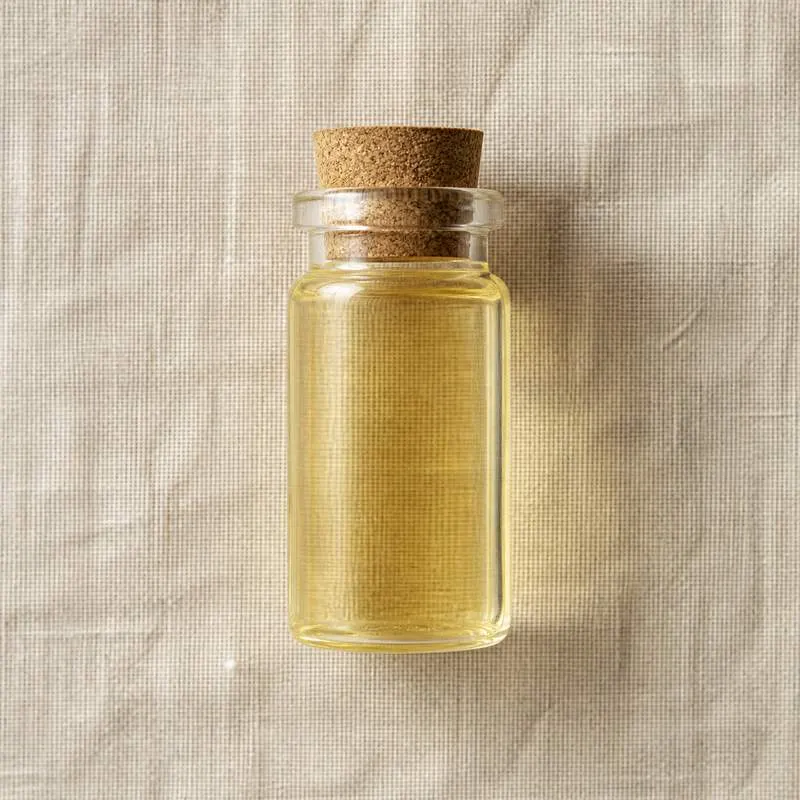
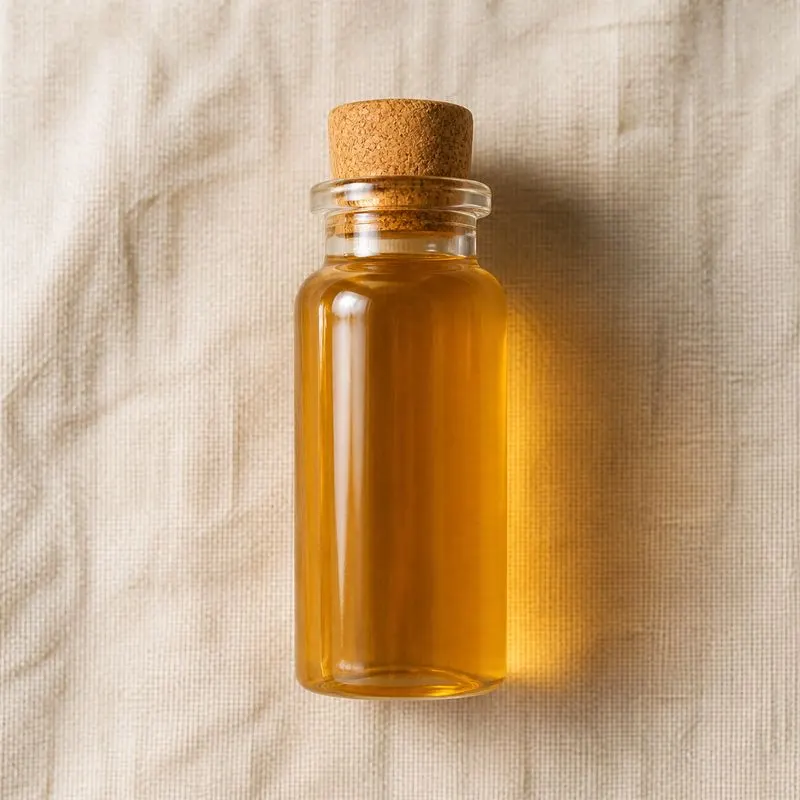
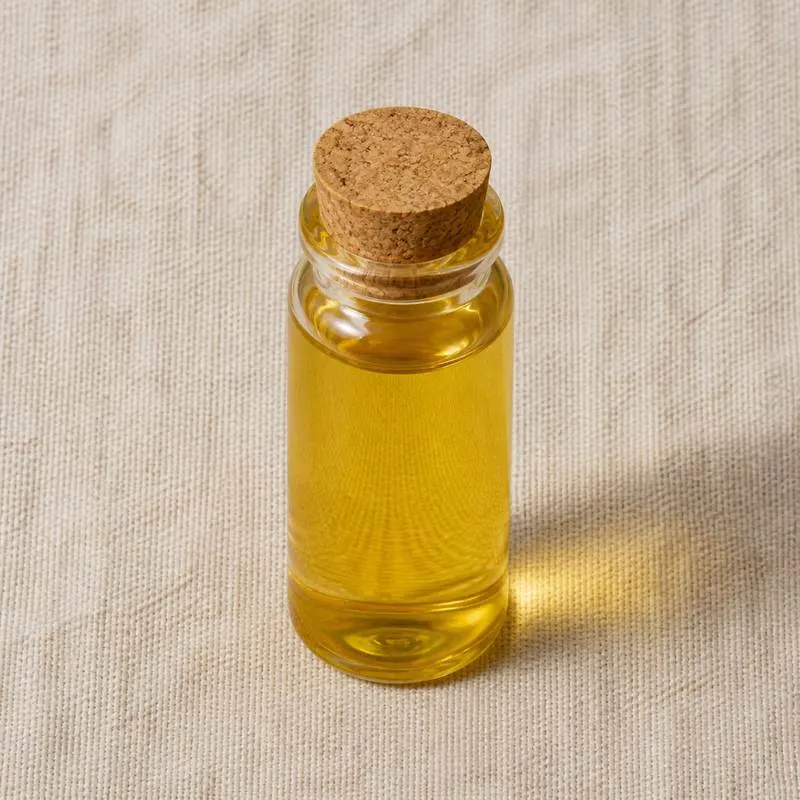
Polyglycerol Polyricinoleate (PGPR) is a yellow viscous liquid emulsifier with E number E476, produced by esterifying a polyglycerol backbone with condensed (poly-esterified) ricinoleic acid drawn from castor oil.
It is the dominant water-in-oil emulsifier of the chocolate industry. At inclusion rates of 0.2 to 0.5 percent it dramatically reduces the yield value of molten chocolate, allowing manufacturers to cut cocoa butter content and improve molding and enrobing performance.
We source bulk Polyglycerol Polyricinoleate from top China manufacturers for our partners. The manufacturers are in Guangdong and Henan. A smaller requirement can ship in a combined container with other ingredients.
Please send the grade you need, the volume and your destination port, and we will come back with a solution and a price.
or call +86-21-6858 0751
- Packaging
- 250 kg plastic drum or 1,000 kg IBC tote
- ISO 9001
- HACCP
- Halal
- Kosher
Specifications
| Item | Specification |
|---|---|
| Appearance | Amber to dark brown viscous liquid |
| Acid value | ≤ 6.0 mg KOH/g |
| Iodine value | 72 to 103 |
| Hydroxyl value | 80 to 100 mg KOH/g |
| Saponification value | 170 to 210 mg KOH/g |
| Polyglycerols (di-, tri-, tetra-, penta-, hexaglycerol) | ≥ 75.0% |
| Heavy metals (as Pb) | ≤ 5 mg/kg |
| Arsenic | ≤ 2 mg/kg |
| Total plate count | ≤ 1,000 CFU/g |
| Form | Liquid |
Common Markets Grades
PGPR is made to a tight functional specification rather than a wide grade range.
Food grade PGPR is specified by acid value (typically below 6 mg KOH/g), hydroxyl value (around 80 to 100 mg KOH/g), viscosity (8 to 12 Pa·s at 25 degrees Celsius), and refractive index (1.470 to 1.474). It is a clear yellow to amber liquid packed in HDPE pails and IBC totes.
Confectionery-specific grades are tuned for colour (Gardner 4-7) and odour neutrality. Bakery-shortening grades are produced with a slightly higher acid value to support water-in-oil emulsification at lower fat content.
Pharmaceutical grade meets the USP-NF monograph requirements and is used in soft-gel shells and oral suspensions. Kosher, Halal, and non-GMO certifications exist; castor bean is a non-food crop and is consequently outside most GMO concerns.
Applications
- Chocolate and compound coatings as the primary viscosity (yield-value) reducer
- Cocoa butter reduction in molded, enrobed, and panned confectionery
- Filled chocolates and ganaches for improved depositing and air-bubble release
- Bakery shortenings, especially low-fat margarines, as the water-in-oil emulsifier
- Peanut butter spreads to control oil migration and texture
- Pharmaceutical soft-gel shells as a plasticizer and emulsifier
- Oral pharmaceutical suspensions for lipophilic actives
- Cosmetic water-in-oil creams and colour cosmetics for foundation stability
- Specialty lubricants where extreme-pressure lubricity is needed
Brands Using Polyglycerol Polyricinoleate
Widely-distributed consumer products that list Polyglycerol Polyricinoleate on the ingredient label.
- CadburyDairy Milk Chocolate Bar 110g ↗Listed: 'MILK, sugar, cocoa butter, cocoa mass, vegetable fats (palm, shea), emulsifiers (E442, E476), flavourings.' (E476 = polyglycerol polyricinoleate)Label verified 2026-05-24
- CadburyDairy Milk Caramel Chocolate Bar 45g ↗Listed: '...emulsifiers (E442, E471, E476), salt, sodium carbonate, flavourings.' (E476 = PGPR)Label verified 2026-05-24
Brand names, product names and logos are the property of their owners. They appear here as published evidence that the ingredient is used, taken from the brand's own label or website. Their appearance is not an endorsement, and it does not mean the brand buys from us or from any manufacturer listed on this site.
China Manufacturers of Polyglycerol Polyricinoleate
Top Polyglycerol Polyricinoleate manufacturers in China.
 Kevin Food Co., Ltd.7 ingredients in the directory
- Landfood Biotechnology (Henan) Co., Ltd.9 ingredients in the directory
Company names and logos are the property of the manufacturers themselves. They are listed here because our own directory records them as producing this ingredient. A listing is not an endorsement by them, and we do not represent them or speak on their behalf.
How We Help Source Polyglycerol Polyricinoleate
Direct Factory Sourcing
We run the whole process: selecting the manufacturer from the top Chinese food ingredient producers, negotiating the price, verifying quality, and coordinating the logistics. You deal with us instead of with several factories at once.
Original Packaging and Documents from the Manufacturer
The manufacturer sends your Polyglycerol Polyricinoleate out of its own factory in the original packing, through to your destination port. The COA, COO, MSDS, TDS and any certifications reach you from the manufacturer as well.
Free Samples and Lead Time
We send 100 to 500 g free for your own laboratory to test and you cover only the courier, usually within 2 to 3 working days. ETD is usually within 7 to 15 days once the order is confirmed, and we check that date against the factory's own manufacturing schedule before we give it to you.
Combined Shipment
We can load Polyglycerol Polyricinoleate together with other ingredients such as Polyglycerol Esters of Fatty Acids, Non-Dairy Creamer and Mono- and Diglycerides of Fatty Acids into one 20' FCL. If your quantity is small, we can also ship LCL.
Regulatory Status
PGPR is approved as a food additive in essentially every regulated market with category-specific limits.
In the European Union it carries E number E476. Permitted uses include cocoa- and chocolate-based confectionery (up to 5 g/kg), water-in-oil emulsions intended for baking and frying (up to 4 g/kg), and similar applications under Regulation 1333/2008. The European Food Safety Authority re-evaluated E476 in 2017 and confirmed the existing acceptable daily intake.
The U.S. Food and Drug Administration permits PGPR as a food additive under 21 CFR 172.854 in cocoa-based confectioneries, with a maximum use level of 0.3 percent by weight.
JECFA assigned an ADI in 1973 and reaffirmed it in 2017. The USP-NF and Ph. Eur. carry pharmaceutical monographs for use in soft-gel capsules and oral preparations.
Kosher and Halal certifications are routine because both the polyglycerol and the ricinoleic acid are wholly plant-derived.
Manufacturing Process
Manufacture proceeds in three stages.
The first stage is polyglycerolisation. Food-grade glycerol is heated under nitrogen with an alkaline catalyst (sodium hydroxide) at 240 to 260 degrees Celsius. Water is removed and intermolecular ether bonds form, yielding a statistical polyglycerol distribution averaging tri- to tetraglycerol for PGPR use.
The second stage is interesterification of ricinoleic acid. Castor oil is first hydrolysed to free fatty acids and the ricinoleic acid (~88 percent of castor oil fatty acids) is concentrated. The free fatty acid is then self-condensed at 200 to 220 degrees Celsius under nitrogen: the hydroxyl on carbon 12 of one ricinoleic acid esterifies with the carboxylic acid of the next, producing a polyricinoleate chain of two to six units.
The third stage couples the two intermediates. The polyglycerol and the polyricinoleate are esterified together under nitrogen at 200 degrees Celsius with continuous water removal. Reaction is followed by acid value until the target specification is reached. The product is bleached with activated carbon and packaged hot to maintain handling viscosity.