Polylysine HCl
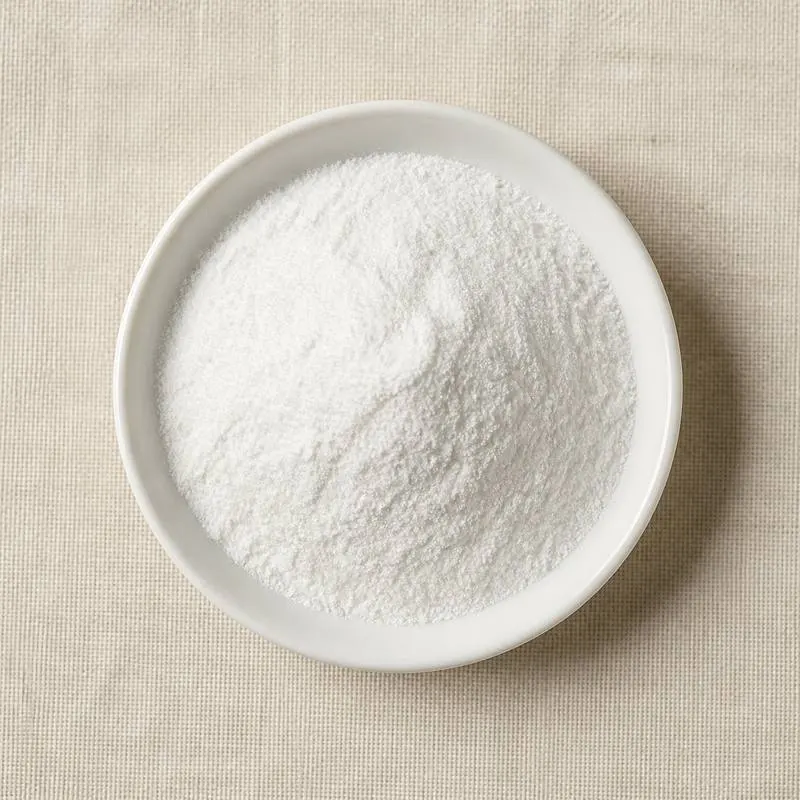
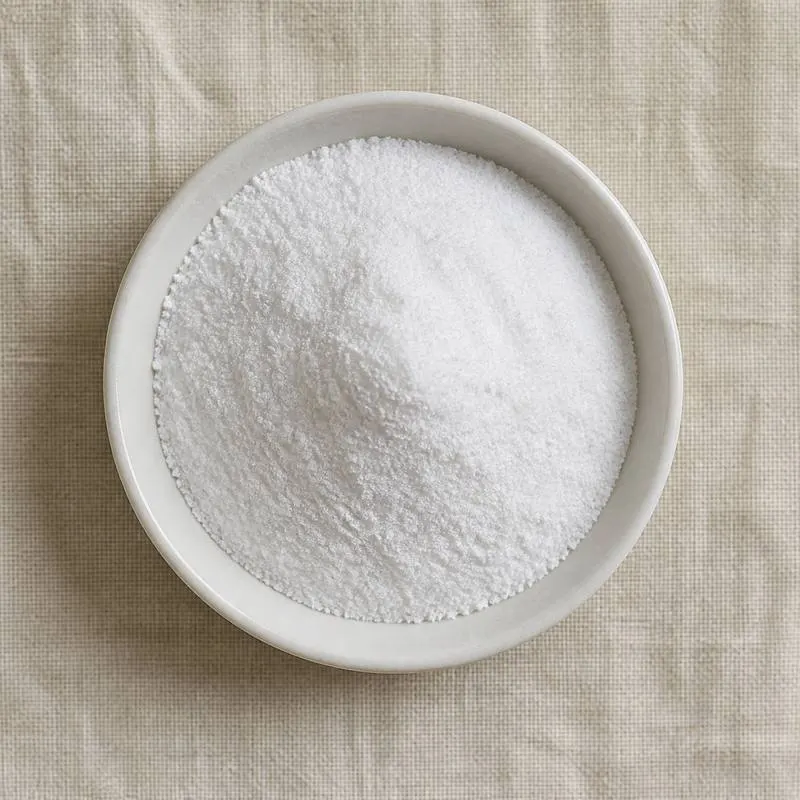
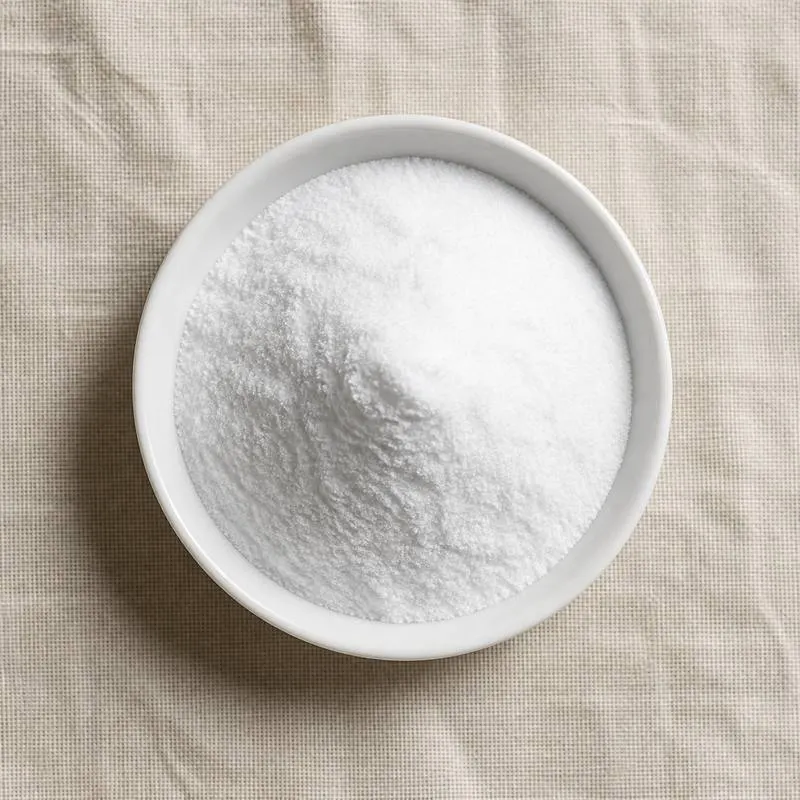
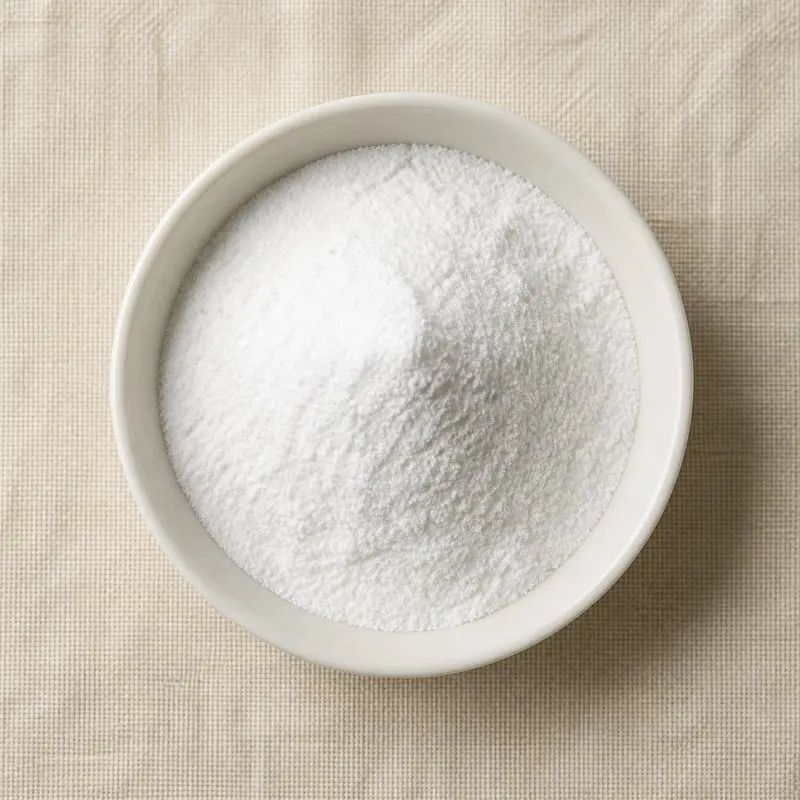
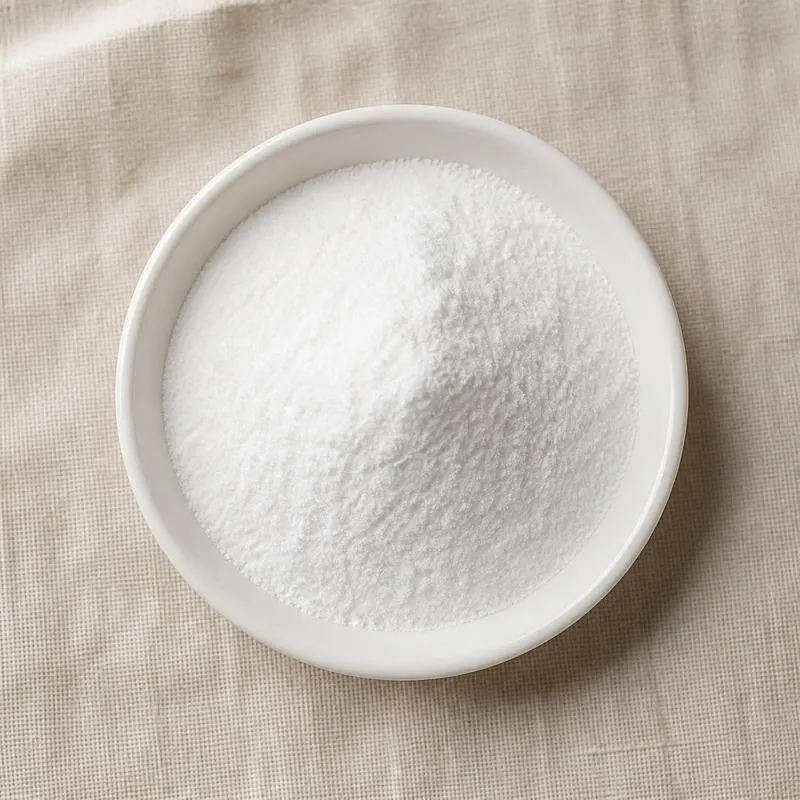
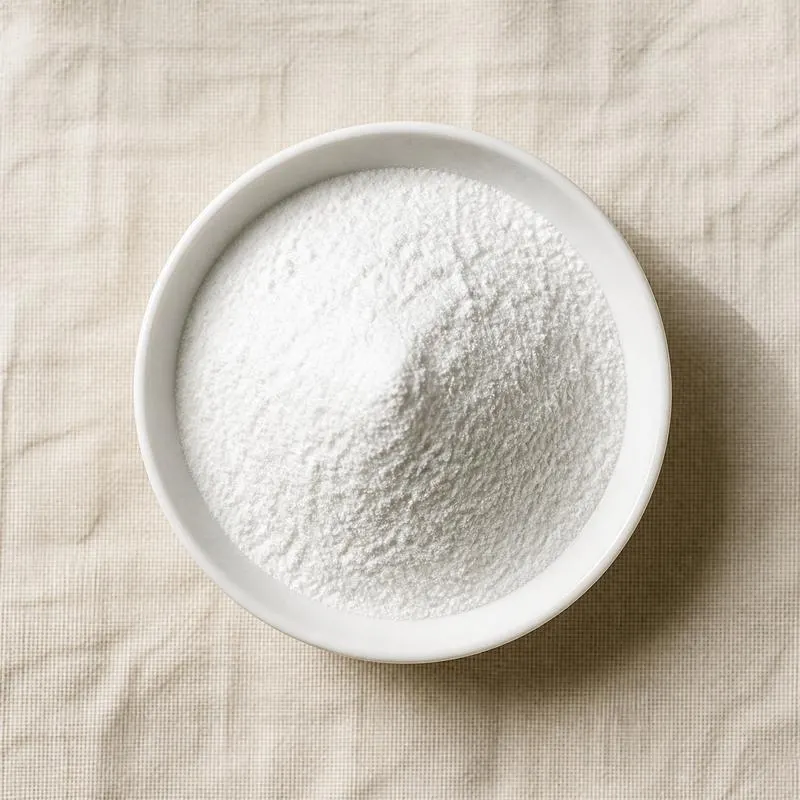
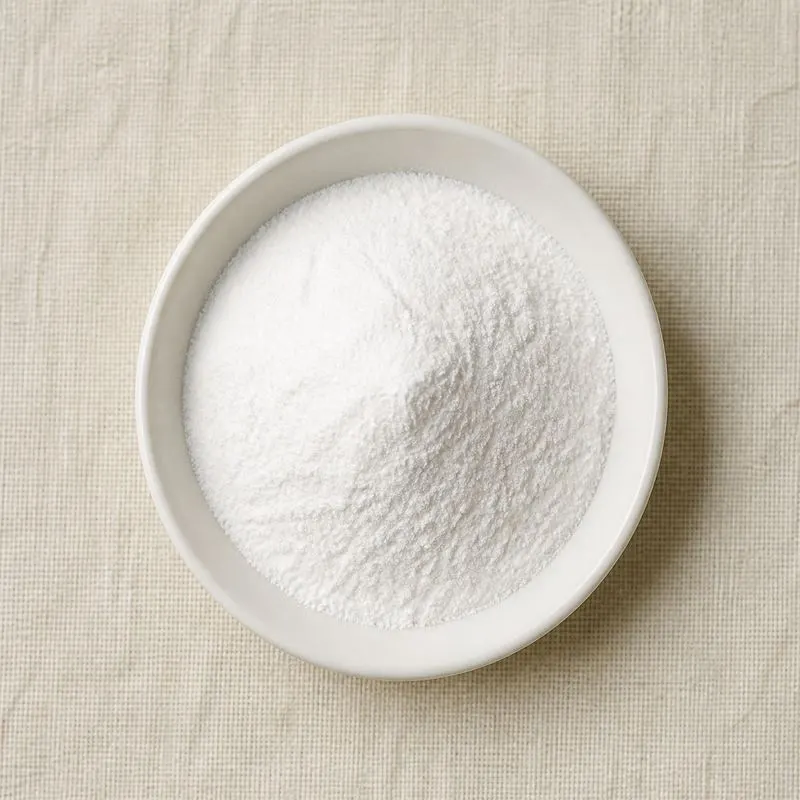
Polylysine HCl is the hydrochloride salt form of epsilon-poly-L-lysine, a pale yellow free-flowing powder with improved water solubility and storage stability compared with the free-base form. The active polymer is produced by fermentation of Streptomyces albulus and converted to the hydrochloride salt during downstream processing.
The molecule carries CAS number 26124-78-7. The salt form retains the broad-spectrum antimicrobial activity of the free base while offering easier handling in liquid food, beverage, and cosmetic systems.
We source bulk Polylysine HCl from top China manufacturers for our partners, working with several of them. The manufacturers are in Henan and Shandong. A smaller requirement can ship in a combined container with other ingredients.
Please send the grade you need, the volume and your destination port, and we will come back with a solution and a price.
or call +86-21-6858 0751
- Packaging
- 25 kg kraft paper bag with PE inner liner
- ISO 9001
- HACCP
- Halal
- Kosher
Specifications
| Item | Specification |
|---|---|
| Appearance | White crystalline or amorphous powder |
| Polylysine HCl Content | ≥ 95.0% (dry basis) |
| Molecular Weight | 1,000–300,000 Da (grade-dependent) |
| Loss on Drying | ≤ 8.0% |
| pH (1% solution) | 4.0–7.0 |
| Chloride Content | 16.0–22.0% |
| Residue on Ignition | ≤ 2.0% |
| Heavy Metals (as Pb) | ≤ 10 mg/kg |
| Lead (as Pb) | ≤ 2 mg/kg |
| Arsenic (as As) | ≤ 1 mg/kg |
| Total Plate Count | ≤ 1,000 CFU/g |
| E. coli | Negative/g |
| Salmonella | Negative/25g |
| Activity | ≥ 50 % ± 1% |
| Form | Off white color Powder |
| Moisture | ≤ 8 % |
| Total count | < 100 cfu/g |
| Allergens | Lactose |
Common Markets Grades
This product is specified at 95 percent or higher purity calculated as the hydrochloride salt.
Standard format is a free-flowing fine powder with low residual moisture. A 50 percent aqueous solution of the salt is also offered for direct dosing into liquid systems where dry powder handling is impractical.
Higher-purity grades at 98 percent exist for pharmaceutical, cosmetic, and reference-standard use.
Applications
- Beverage applications including ready-to-drink teas, low-acid juices, and protein drinks where the higher solubility of the salt simplifies dosing
- Liquid dairy alternatives such as soy and oat drinks in markets that permit use
- Sauces, dressings, and condiments with a refrigerated shelf-life claim
- Cooked rice and sushi rice with brine-style spray application
- Noodle products including udon, ramen, and pasta salads
- Sandwich fillings and mayonnaise-based salads
- Bento meals and chilled ready-to-eat meals
- Cosmetic preservation in shampoos, conditioners, lotions, and emulsions
- Hand-sanitiser and household-cleaner formulations
- Pet-food liquid coatings and semi-moist treat surfaces
- Edible coatings and films for fresh produce when paired with film-formers
- Pharmaceutical and dental-care preservation in mouthwash and oral gels
China Manufacturers of Polylysine HCl
Top Polylysine HCl manufacturers in China.
- Xinxiang Tianyi Biotechnology Co., Ltd.10 ingredients in the directory
 Yota Bio-engineering Co., Ltd.10 ingredients in the directory
 Zhengzhou Bainafo Bioengineering Co., Ltd.8 ingredients in the directory
Company names and logos are the property of the manufacturers themselves. They are listed here because our own directory records them as producing this ingredient. A listing is not an endorsement by them, and we do not represent them or speak on their behalf.
How We Help Source Polylysine HCl
Direct Factory Sourcing
We run the whole process: selecting the manufacturer from the top Chinese food ingredient producers, negotiating the price, verifying quality, and coordinating the logistics. You deal with us instead of with several factories at once.
Original Packaging and Documents from the Manufacturer
The manufacturer sends your Polylysine HCl out of its own factory in the original packing, through to your destination port. The COA, COO, MSDS, TDS and any certifications reach you from the manufacturer as well.
Free Samples and Lead Time
We send 100 to 500 g free for your own laboratory to test and you cover only the courier, usually within 2 to 3 working days. ETD is usually within 7 to 15 days once the order is confirmed, and we check that date against the factory's own manufacturing schedule before we give it to you.
Combined Shipment
We can load Polylysine HCl together with other ingredients such as Calcium Propionate, Sodium Diacetate and Sodium Propionate into one 20' FCL. If your quantity is small, we can also ship LCL.
Regulatory Status
The polylysine active substance, whether as free base or as the hydrochloride salt, holds GRAS status in the United States. GRAS Notice GRN 135 was accepted by the U.S. Food and Drug Administration in 2003 for use in cooked rice and sushi rice at up to 50 mg per kg. Subsequent GRAS notices have extended permitted use to additional categories including pasta, soups, sauces, dressings, and ready-to-eat meals.
Polylysine has been approved for food preservative use in Japan since 1989. The substance is also permitted for food use in South Korea, several South-East Asian markets, and Latin American markets.
In the European Union, polylysine is not currently authorised as a food additive under Regulation 1333/2008. A food additive petition has been under review but use in EU food is not presently permitted.
Halal and Kosher certifications are routinely available for both the free-base and the hydrochloride salt forms.
Manufacturing Process
The active polymer is produced by submerged aerobic fermentation of Streptomyces albulus on a glucose and ammonium-sulphate medium held at low pH.
After fermentation, biomass is removed by filtration and the polymer is captured on cation-exchange resin. The resin is eluted with dilute acid or salt solution to give a concentrated polymer stream.
The stream is then adjusted to a defined pH with hydrochloric acid, which converts the free-base polymer to its hydrochloride salt form. This step also helps remove residual pigments and fermentation organics during the subsequent activated-carbon decolourisation.
The salt solution is concentrated and spray-dried to give the finished powder. The hydrochloride form is slightly hygroscopic and is packaged in foil-lined bags to protect it from atmospheric moisture during storage.