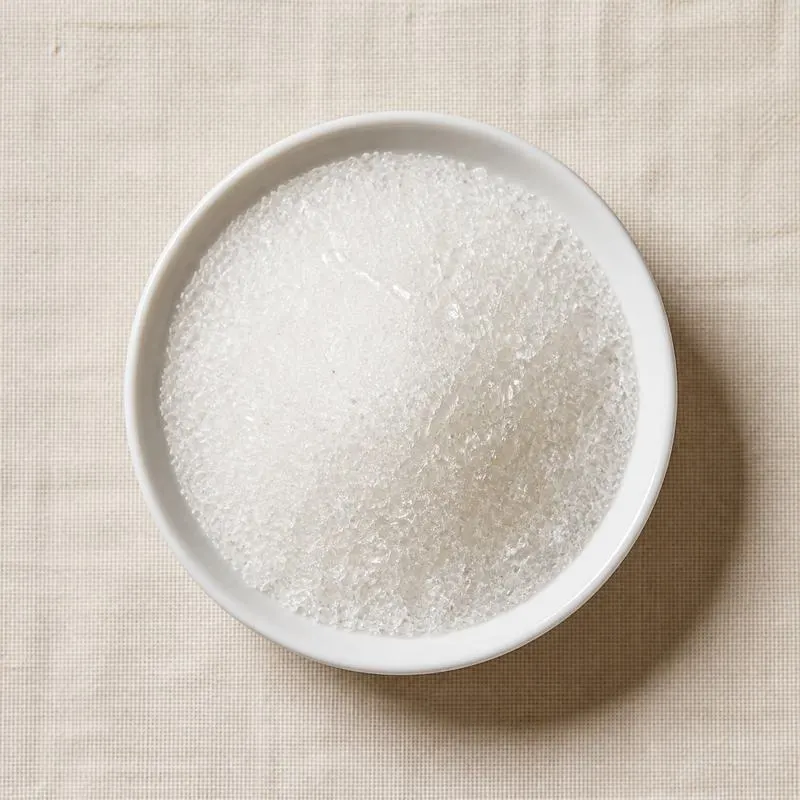
Disodium 5 Inosinate
Disodium 5'-inosinate is the disodium salt of inosine 5'-monophosphate, a purine ribonucleotide, used in food as a flavour enhancer. It carries the E number E631, the INS number 631 and CAS number 4691-65-0, trades as the hydrated crystalline salt, and is abbreviated to IMP in the trade.
It is the compound responsible for the savoury character of meat and of dried fish. Inosinate accumulates in muscle after slaughter through the breakdown of adenosine triphosphate, which is why aged meat and dried bonito taste more savoury than fresh tissue. The traditional Japanese pairing of a kombu stock rich in glutamate with bonito flakes rich in inosinate is the classical demonstration of the synergy that its use depends on. Alone it has only a mild taste, but combined with glutamate the perceived umami rises far above the sum of the parts, so small additions greatly increase the strength of a savoury formula and allow salt and enhancer levels to be cut.
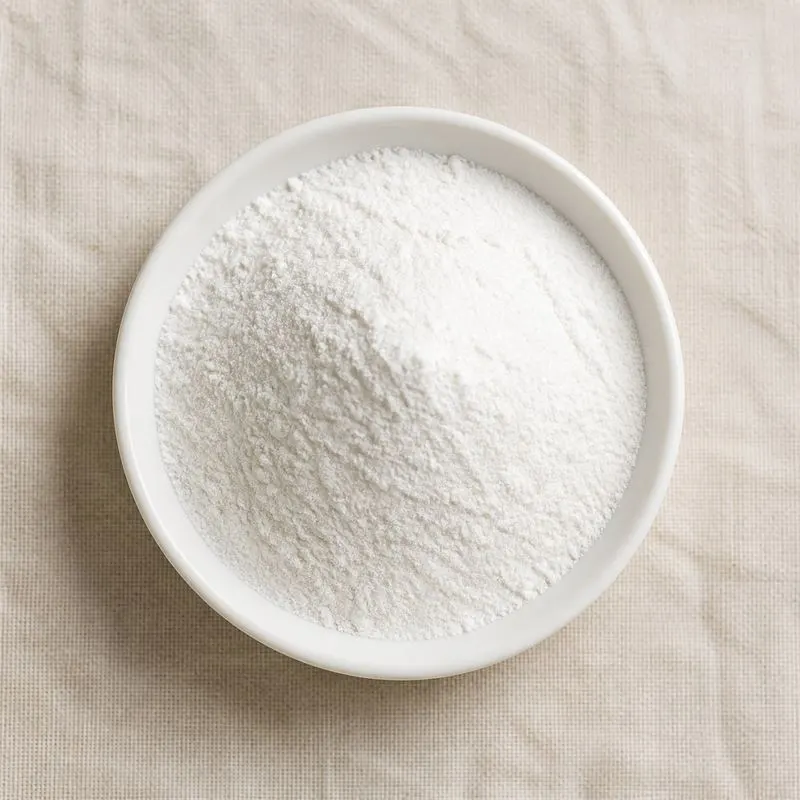
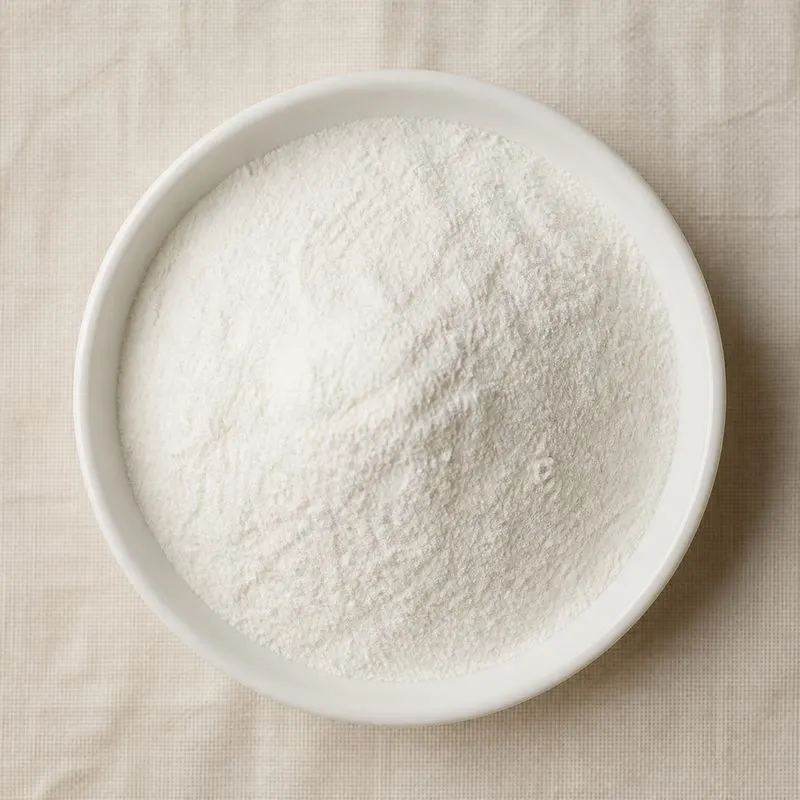
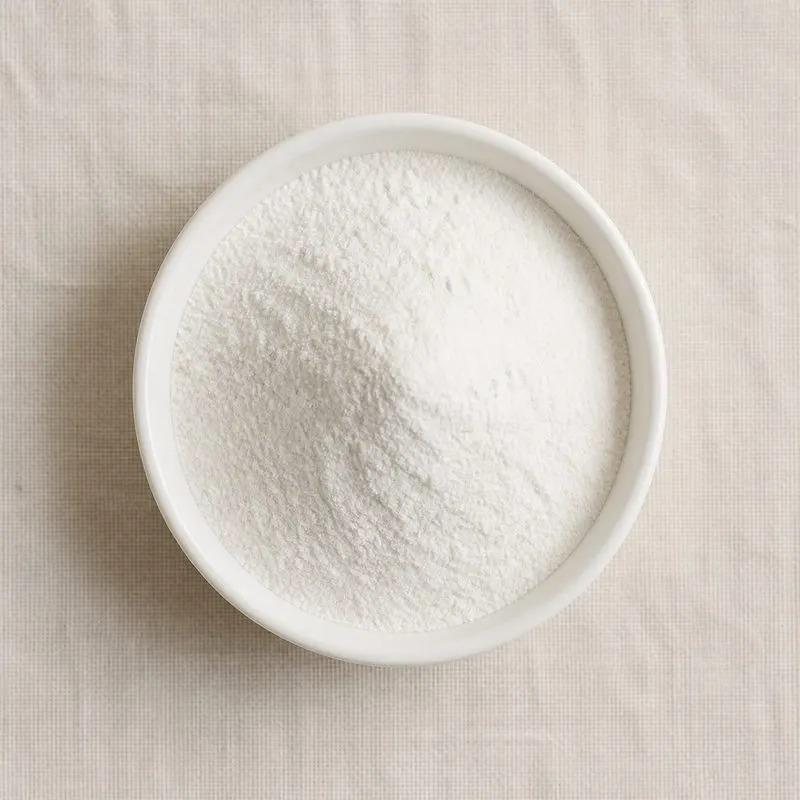
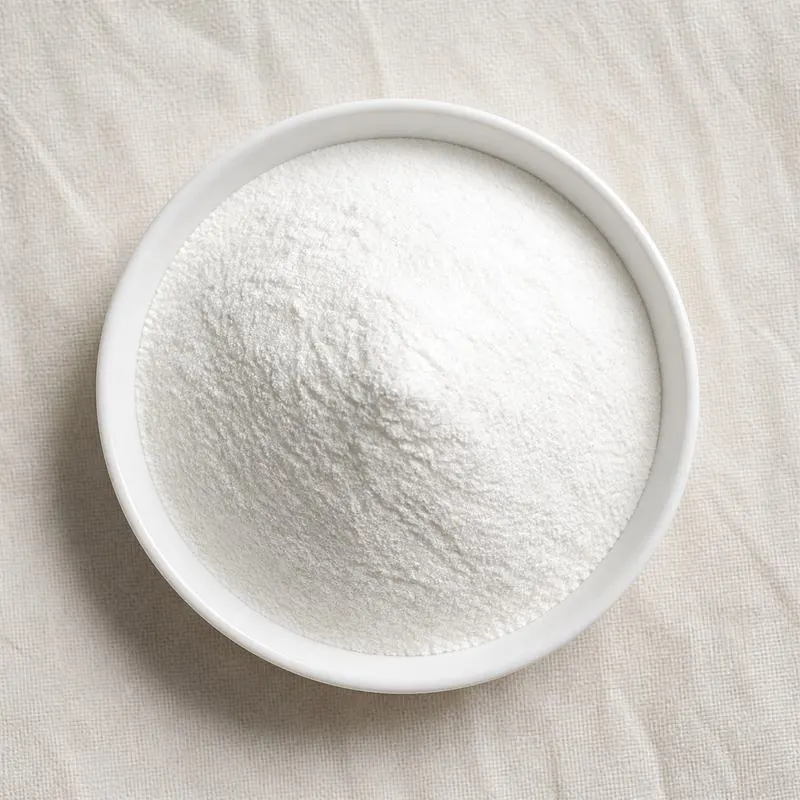
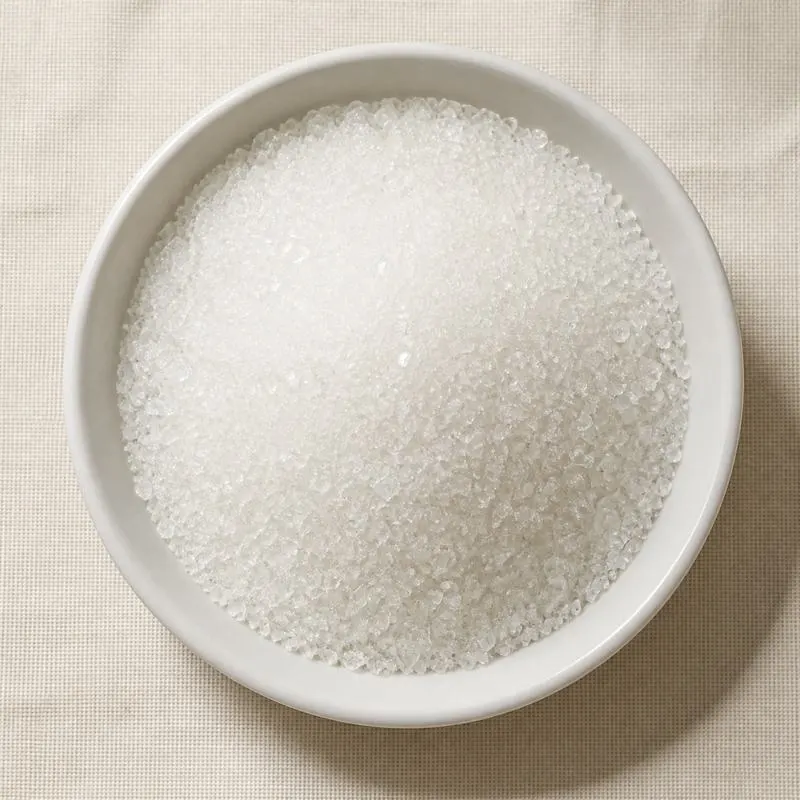
The material is a white to colourless odourless crystal or crystalline powder, freely soluble in water and practically insoluble in ethanol, and stable in dry storage. It is broken down by phosphatase enzymes present in raw meat, fresh fish and raw vegetables, so it is added after a heating step rather than into a cold raw preparation, where it would be destroyed before the food was eaten.
We source bulk Disodium 5 Inosinate from top China manufacturers for our partners. The manufacturers are in Liaoning and Henan. A smaller requirement can ship in a combined container with other ingredients.
Please send the grade you need, the volume and your destination port, and we will come back with a solution and a price.
or call +86-21-6858 0751
- Function
- Probiotic
Specifications
| Item | Specification |
|---|---|
| Appearance | White to colourless crystals or crystalline powder |
| Odour and Taste | Odourless, with a characteristic savoury taste |
| Assay, on anhydrous basis | 97.0 to 102.0 percent |
| Identification | Ultraviolet absorption and sodium test conform |
| Loss on Drying (120 °C, 4 h) | Not more than 28.5 percent |
| pH, 5 percent solution | 7.0 to 8.5 |
| Clarity of Solution | Clear and colourless at 5 percent in water |
| Other Nucleotides | Not detected by thin layer chromatography |
| Ammonium | Not more than 0.2 percent |
| Solubility | Freely soluble in water, practically insoluble in ethanol |
| Particle Size | To declared mesh for the grade |
| Lead | Not more than 1 mg/kg |
| Arsenic | Not more than 1 mg/kg |
| Total Plate Count | Not more than 1,000 cfu/g |
| Salmonella | Absent in 25 g |
Common Markets Grades
The substance is a single defined article traded to the specifications set out in the international food chemical compendia, so grades differ in physical form and presentation rather than in composition. Assay is stated on the anhydrous basis at not less than ninety seven percent, and because the commercial salt is a hydrate the water content is a specification line rather than an impurity.
Presentation covers fine crystalline powder for rapid dissolution in liquid systems, standard crystal, and granular grades for dry blending, where a coarser particle resists segregation from salt and glutamate crystals during mixing and transport. The largest part of the volume is not sold as the single salt but as the equal parts mixture with disodium 5'-guanylate, which is a distinct article of commerce with its own E number, and as ready made enhancer systems in which nucleotides and glutamate are pre-blended at a fixed ratio for direct dosing. Halal, kosher and non-genetically-modified declarations follow the fermentation substrate and the processing aids used, and are meaningful here because the production route determines whether any animal derived material is involved.
Applications
- Instant noodle seasoning sachets, as a standard part of the umami system
- Bouillon cubes, stock powders and granulated seasoning
- Savoury snack seasoning, applied dry or through an oil slurry
- Processed meat and poultry, in brines, marinades and sausage seasoning
- Soups, sauces, gravies and ready meals
- Canned and retorted savoury products, where it survives thermal processing
- Reduced sodium formulations, restoring perceived strength as salt is reduced
- Soy sauce, oyster sauce and other bottled condiments
- Pet food palatants, where nucleotides drive acceptance in cats in particular
- Blending into mixed ribonucleotide salts and enhancer premixes for onward sale
Brands Using Disodium 5 Inosinate
Widely-distributed consumer products that list Disodium 5 Inosinate on the ingredient label.
Brand names, product names and logos are the property of their owners. They appear here as published evidence that the ingredient is used, taken from the brand's own label or website. Their appearance is not an endorsement, and it does not mean the brand buys from us or from any manufacturer listed on this site.
China Manufacturers of Disodium 5 Inosinate
Top Disodium 5 Inosinate manufacturers in China.
 Dalian Zhen-Ao Bio-tech Co., Ltd.11 ingredients in the directory
- Xuchang Foison Biological Technology Company Limited3 ingredients in the directory
Company names and logos are the property of the manufacturers themselves. They are listed here because our own directory records them as producing this ingredient. A listing is not an endorsement by them, and we do not represent them or speak on their behalf.
Regulatory Status
In the United States disodium 5'-inosinate is used as a flavour enhancer and is listed as generally recognised as safe for that purpose. It is declared by its specific name in the ingredient list rather than under a collective term, and its use is governed by good manufacturing practice rather than by a numerical limit in the regulations. In meat and poultry products bearing a United States Department of Agriculture inspection legend, the Food Safety and Inspection Service policy on flavour enhancers governs both permitted use and declaration.
In the European Union it is an authorised food additive under Regulation (EC) No 1333/2008 with the number E631, permitted across many food categories at levels set in the annexes to that regulation, usually as a group limit that covers inosinate, guanylate and the mixed ribonucleotide salt together and is expressed as guanylic acid. Purity criteria are laid down in Regulation (EU) No 231/2012, covering assay, water content, other nucleotides and heavy metals. It must appear in the ingredient list by functional class together with its name or E number. Codex includes it in the general standard for food additives, and JECFA maintains specifications for the substance and has evaluated the ribonucleotide group without identifying a safety concern at the levels used as flavour enhancers.
Manufacturing Process
The principal route begins with microbial ribonucleic acid. A yeast, most often Candida utilis, is grown in submerged culture on a carbohydrate substrate under conditions that maximise ribonucleic acid content, the cells are harvested, and the nucleic acid is extracted by heating in dilute alkali or salt solution and then precipitated and washed. The extracted ribonucleic acid is hydrolysed with a 5'-phosphodiesterase, typically nuclease P1 from Penicillium citrinum, which cleaves it specifically into the four 5'-mononucleotides. The adenylic acid fraction is then treated with adenylic deaminase, which converts it to inosinic acid, so that both the adenine and the hypoxanthine derived material end up as the wanted product, and the guanylic acid fraction is taken off separately.
A second route runs entirely by fermentation, with a mutant Bacillus or Corynebacterium strain excreting inosine into the broth, which is recovered by adsorption and crystallisation and then phosphorylated chemically at the 5' position, usually with phosphorus oxychloride under controlled conditions. In either case the inosinic acid is separated on ion exchange resin, neutralised with sodium hydroxide to the disodium salt, decolourised over activated carbon and polish filtered, then crystallised by controlled cooling or by ethanol addition. The crystals are centrifuged, washed, dried to the specified hydrate, milled or granulated to the ordered mesh and packed in lined bags or drums.