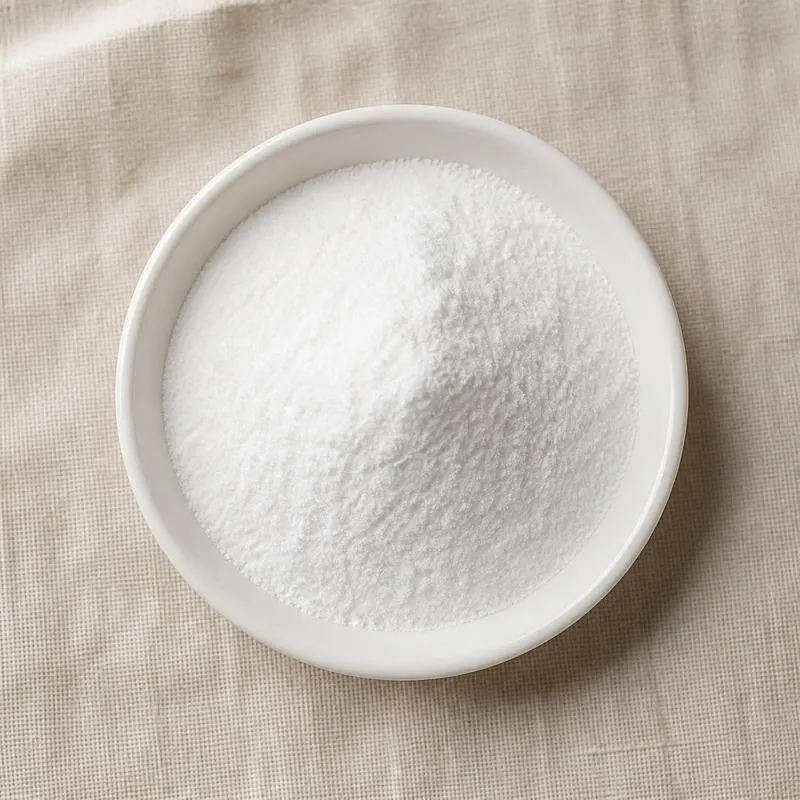
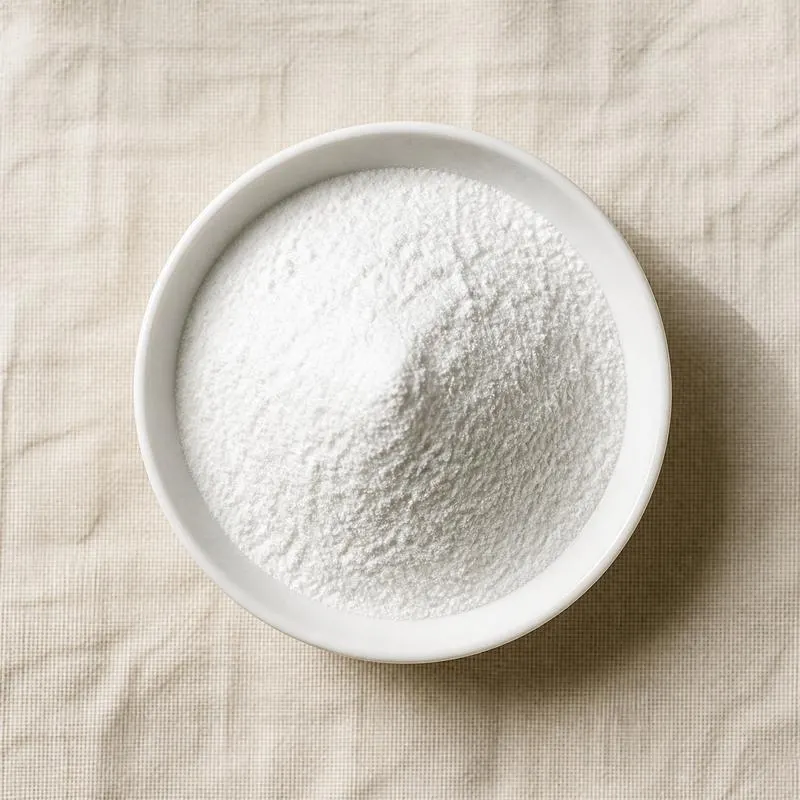
Potassium Benzoate
Potassium Benzoate is the potassium salt of benzoic acid, used as an antimicrobial preservative in acidic foods and beverages where sodium intake must be limited.
The compound has the molecular formula C₇H₅KO₂ and a molar mass of 160.21 g/mol. Solubility in water is high, comparable to sodium benzoate, which makes it interchangeable in most beverage formulations on a molar basis.
The substance acts on the same mechanism as the rest of the benzoate family, with activity limited to products below roughly pH 4.5.
We source bulk Potassium Benzoate from top China manufacturers for our partners. The manufacturer is in Shandong. For this ingredient the minimum order is 500 kg and a 20-foot container takes 18 MT, and a smaller requirement can ship in a combined container with other ingredients.
Please send the grade you need, the volume and your destination port, and we will come back with a solution and a price.
or call +86-21-6858 0751
- Minimum order
- 500 kg
- Qty in 20' FCL
- 18 MT
- Packaging
- 25 kg kraft paper bag with PE inner liner
- ISO 9001
- HACCP
- Halal
- Kosher
Specifications
| Item | Specification |
|---|---|
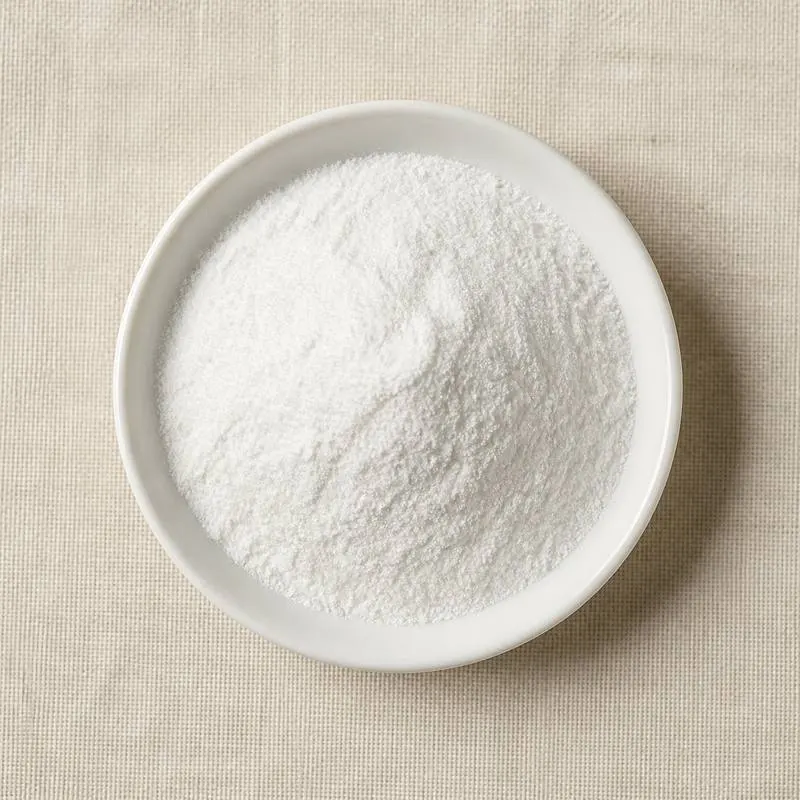
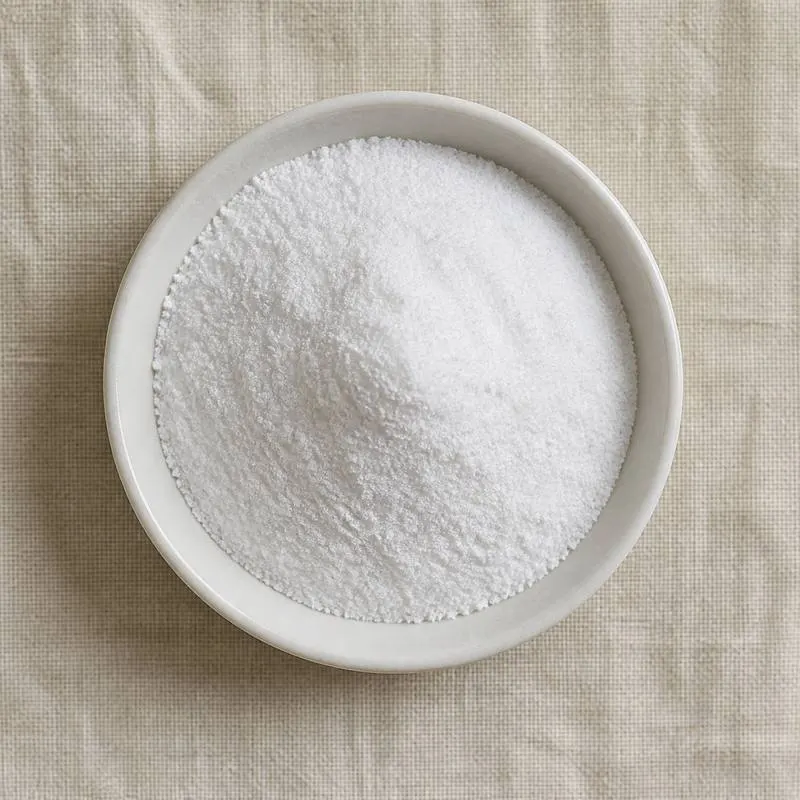
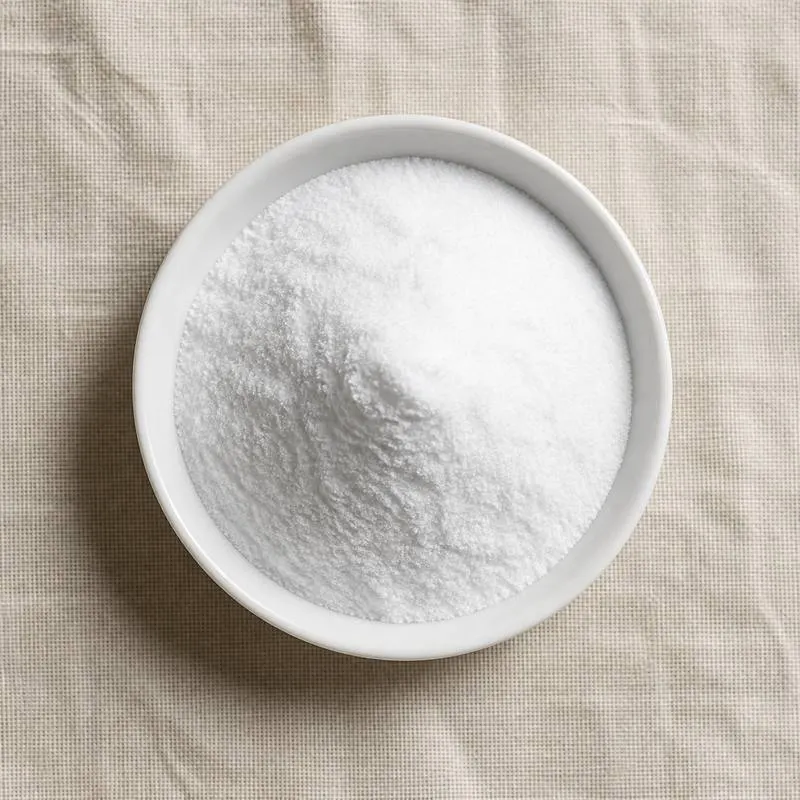
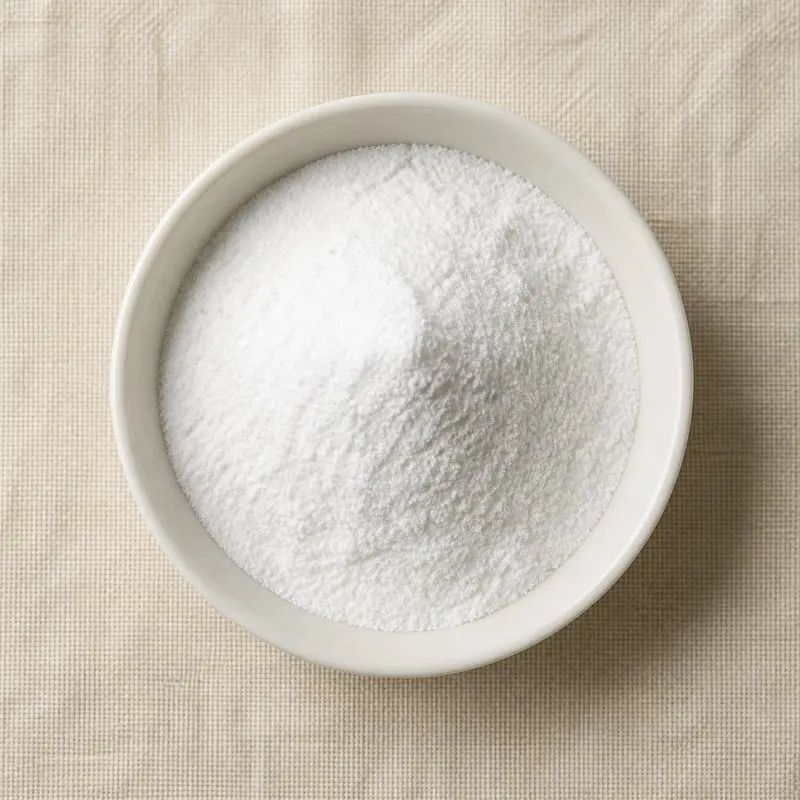
| Appearance | White crystalline powder or granules |
| Assay (dry basis) | 99.0% to 100.5% |
| Loss on drying | ≤ 1.5% |
| Heavy metals (as Pb) | ≤ 10 mg/kg |
| Arsenic | ≤ 3 mg/kg |
| Chloride | ≤ 200 mg/kg |
| Acidity or alkalinity | Passes test |
| Particle size | Per customer specification |
Common Markets Grades
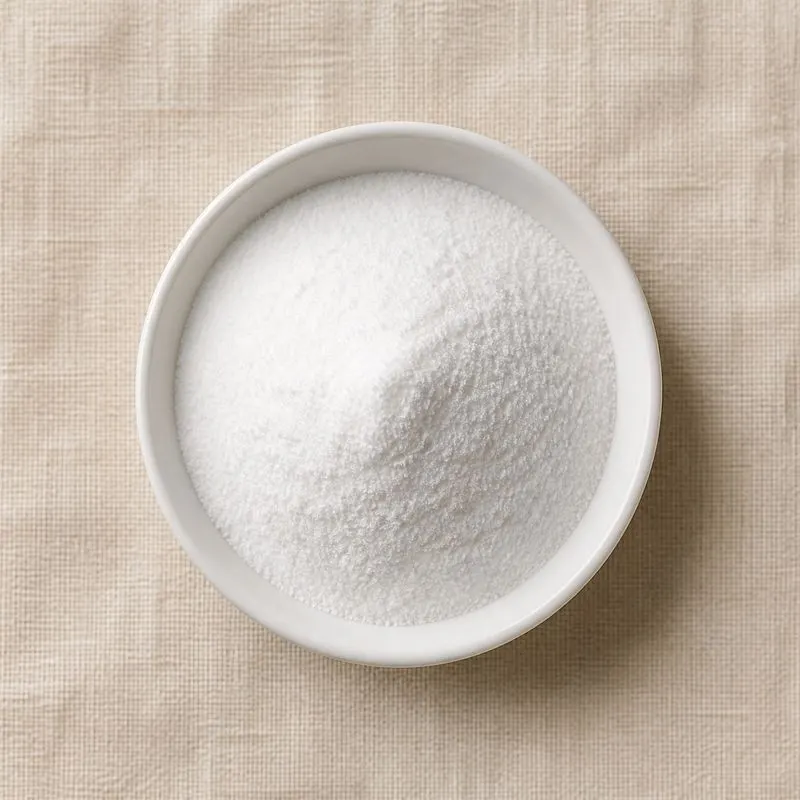
Two formats of Potassium Benzoate share identical chemistry: granular and powder.
Granular grade is a free-flowing crystalline form used in automated dosing systems and dry premixes where low dust is preferred.
Powder grade has a smaller particle size for rapid dissolution in cold-fill beverages and brines.
Both grades meet FCC, USP, and Ph. Eur. specifications and are routinely certified Kosher and Halal.
Applications
- Low-sodium and reduced-sodium carbonated soft drinks
- Ready-to-drink teas, flavoured waters, and functional beverages targeted at sodium-conscious consumers
- Sports and electrolyte drinks where the potassium contribution is nutritionally welcome
- Fruit juices and juice concentrates
- Salad dressings, mayonnaise, and emulsified sauces in low-sodium ranges
- Pickles, relishes, and acidified vegetables
- Jams, jellies, and fruit preparations
- Margarine and reduced-sodium spreads
- Oral pharmaceutical syrups and suspensions designed for sodium-restricted patients
- Mouthwash and oral-care rinses
- Cosmetic and personal-care formulations as a co-preservative
Brands Using Potassium Benzoate
Widely-distributed consumer products that list Potassium Benzoate on the ingredient label.
- Coca-ColaDiet Coke (US) ↗Diet Coke US panel: 'Carbonated Water, Caramel Color, Aspartame, Phosphoric Acid, Potassium Benzoate (To Protect Taste), Natural Flavors, Citric Acid, Caffeine.'Label verified 2026-05-24
- Coca-ColaCoca-Cola Cherry Zero (US) ↗Panel: 'Carbonated Water, Caramel Color, Phosphoric Acid, Aspartame, Potassium Benzoate (To Protect Taste), Natural Flavor, Acesulfame Potassium, Potassium Citrate, Caffeine.'Label verified 2026-05-24
- PepsiCoDiet Pepsi (US) ↗Diet Pepsi US panel includes: '...Aspartame, Phosphoric Acid, Potassium Benzoate (Preserves Freshness), Caffeine, Citric Acid, Natural Flavor.'Label verified 2026-05-24
Brand names, product names and logos are the property of their owners. They appear here as published evidence that the ingredient is used, taken from the brand's own label or website. Their appearance is not an endorsement, and it does not mean the brand buys from us or from any manufacturer listed on this site.
China Manufacturers of Potassium Benzoate
Top Potassium Benzoate manufacturers in China.
Company names and logos are the property of the manufacturers themselves. They are listed here because our own directory records them as producing this ingredient. A listing is not an endorsement by them, and we do not represent them or speak on their behalf.
How We Help Source Potassium Benzoate
Direct Factory Sourcing
We run the whole process: selecting the manufacturer from the top Chinese food ingredient producers, negotiating the price, verifying quality, and coordinating the logistics. You deal with us instead of with several factories at once.
Original Packaging and Documents from the Manufacturer
The manufacturer sends your Potassium Benzoate out of its own factory in the original packing, through to your destination port. The COA, COO, MSDS, TDS and any certifications reach you from the manufacturer as well.
Free Samples and Lead Time
We send 100 to 500 g free for your own laboratory to test and you cover only the courier, usually within 2 to 3 working days. ETD is usually within 7 to 15 days once the order is confirmed, and we check that date against the factory's own manufacturing schedule before we give it to you.
Combined Shipment
We can load Potassium Benzoate together with other ingredients such as Calcium Propionate, Sodium Diacetate and Sodium Propionate into one 20' FCL. If your quantity is small, we can also ship LCL.
Regulatory Status
Potassium Benzoate carries the European food additive number E212 and is authorised in Commission Regulation (EU) No 1129/2011 for the same food categories as sodium benzoate, with maximum-use levels expressed as benzoic acid equivalents.
In the United States it is affirmed GRAS for direct food use under 21 CFR 184.1660. JECFA evaluates the benzoate family as a single toxicological group based on their common conversion to the free acid in the gut.
The same caution about trace benzene formation in low-pH beverages containing ascorbic or erythorbic acid applies to potassium benzoate as to the sodium salt. Beverage formulators address the risk through formulation, packaging, and light protection.
USP and Ph. Eur. publish pharmacopoeial monographs. Pharmaceutical-grade material is used in oral liquid dose forms where sodium content needs to be minimised.
Manufacturing Process
Potassium benzoate is made by neutralising benzoic acid with potassium hydroxide or potassium carbonate in aqueous solution.
The benzoic acid feedstock comes from the standard liquid-phase oxidation of toluene with air over a cobalt or manganese naphthenate catalyst, followed by purification through distillation or recrystallisation.
Neutralisation is carried out close to the equivalence point so the finished salt has a near-neutral pH in solution. The clarified liquor is decolorised with activated carbon and filtered.
The product is recovered by spray drying or by crystallisation followed by centrifugation and fluid-bed drying. Particle size is set by the drying conditions to produce either granular or fine-powder grade.