Potassium Carbonate
Potassium carbonate is the potassium salt of carbonic acid, formula K2CO3, a strongly alkaline inorganic salt historically known as potash. In food it functions as an alkali and acidity regulator, as a raising agent in doughs that carry their own acidity, and as a processing aid where a controlled rise in pH changes colour, flavour or texture.
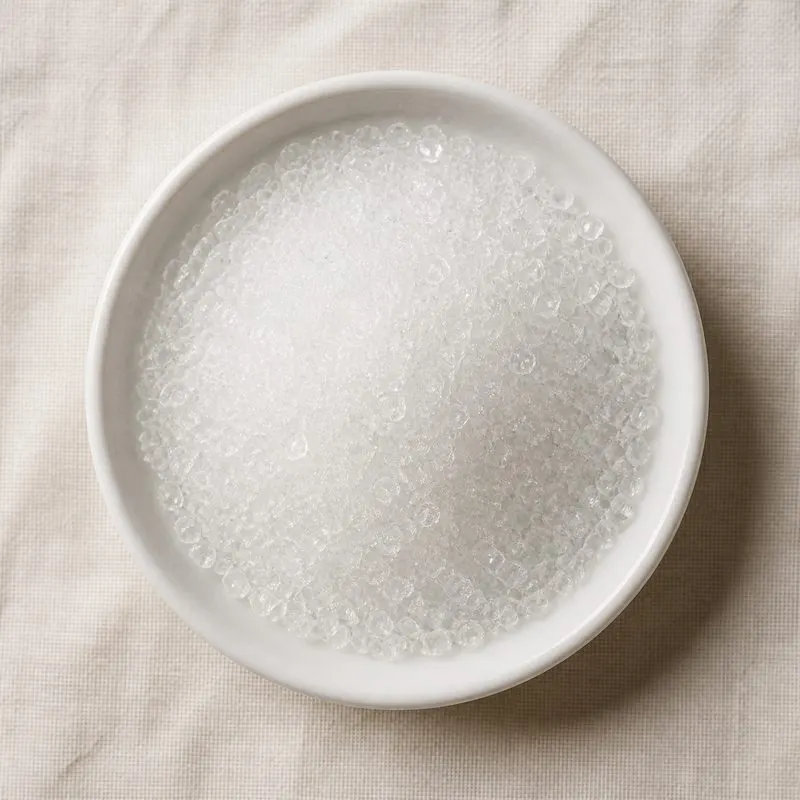
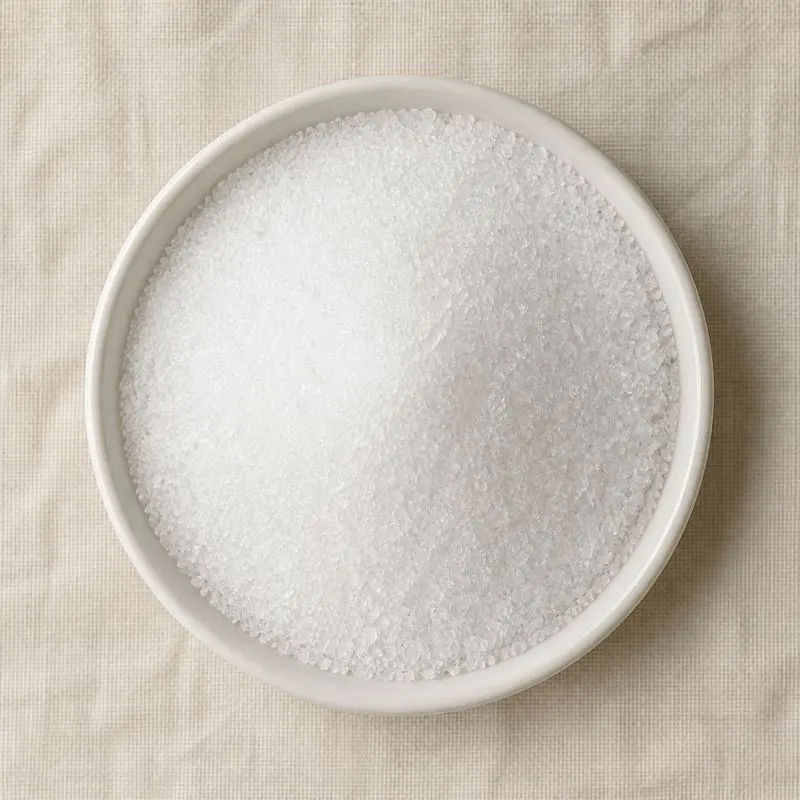
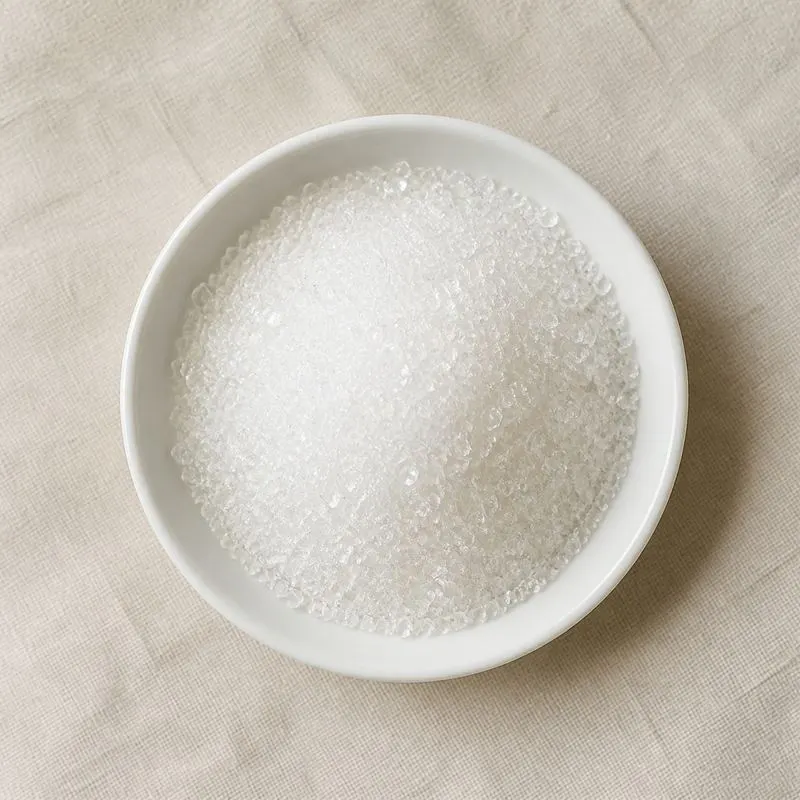
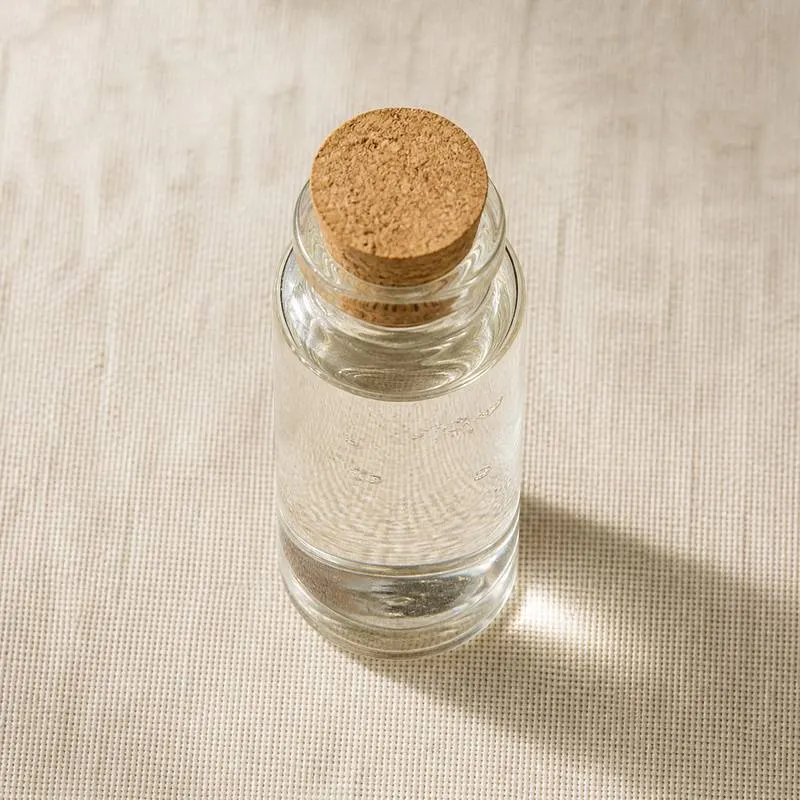
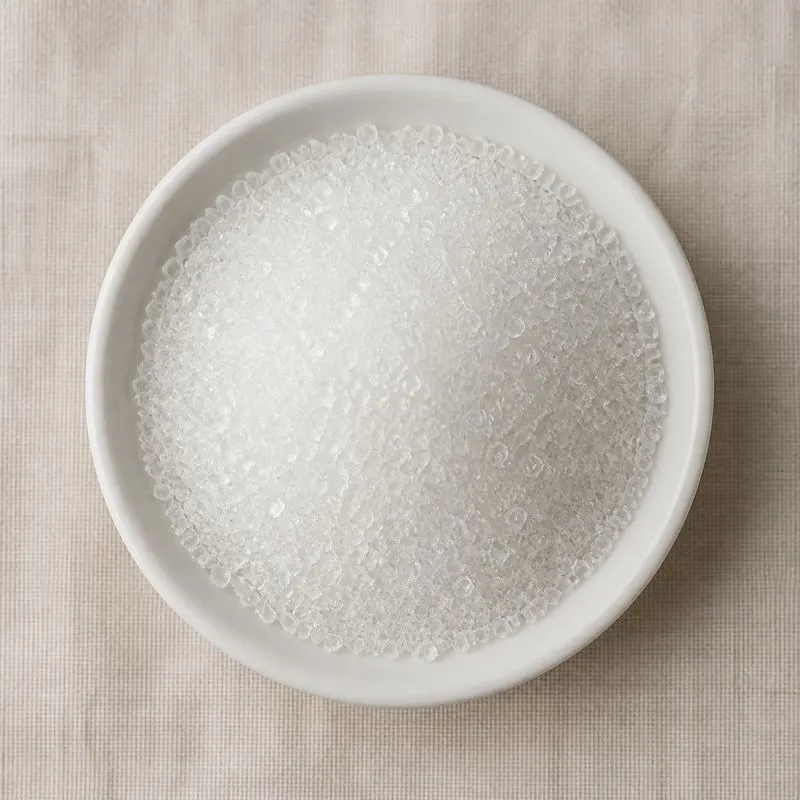
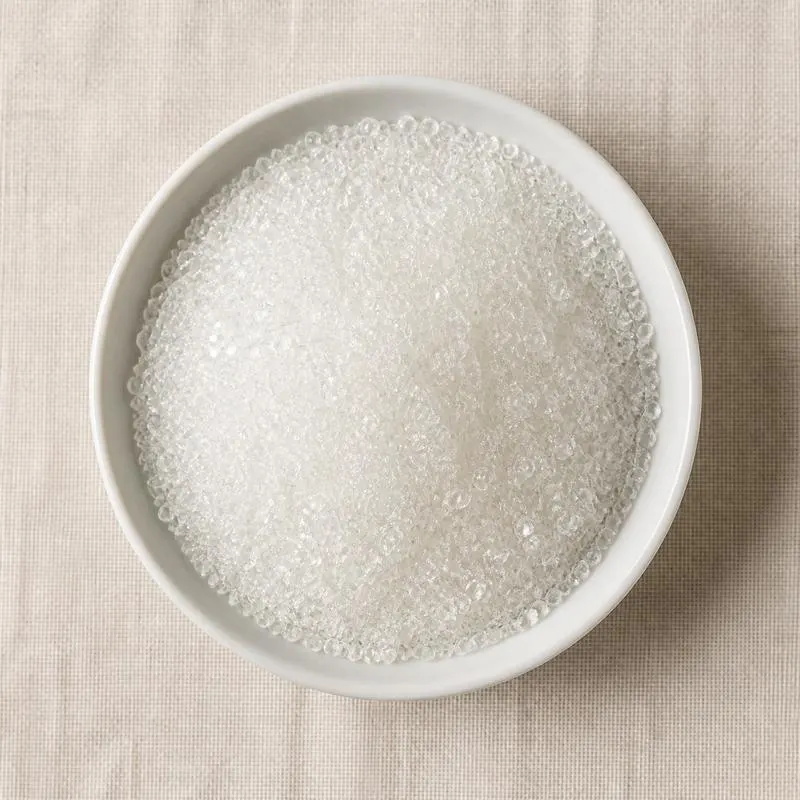
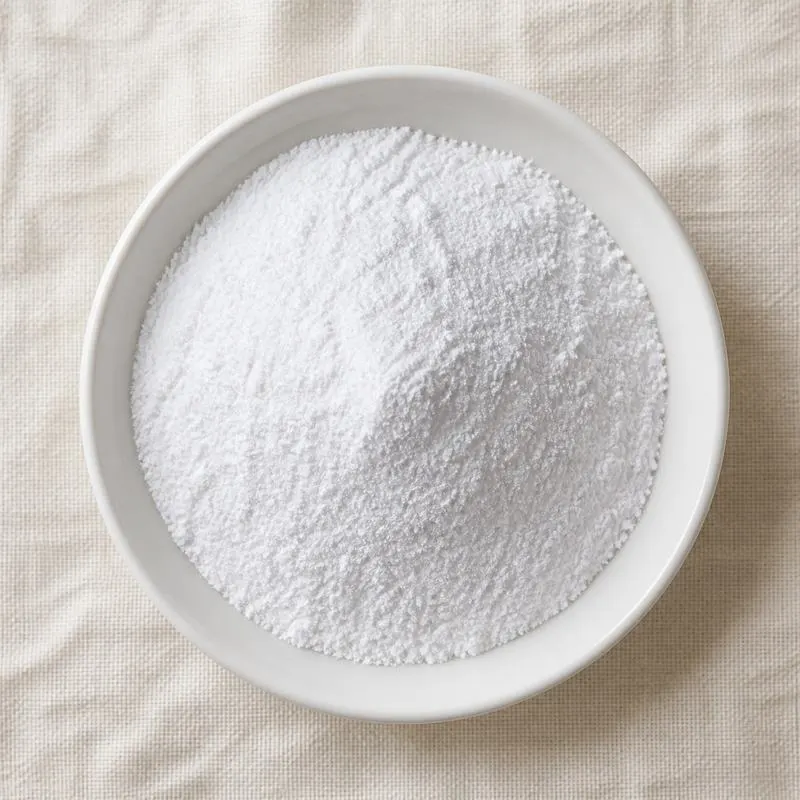
The trade sells the salt as a white granular powder or as small white granules, and also as a concentrated aqueous solution of around 47 to 50 percent for continuous dosing. It is very soluble in water, dissolving to give a solution of pH near 11.5 to 12.5, and the dissolution is markedly exothermic. It is insoluble in ethanol. Solutions absorb carbon dioxide from the air and drift towards potassium hydrogen carbonate over time.
The anhydrous solid is deliquescent, taking up atmospheric moisture and caking or liquefying if left open, so it is handled in sealed lined bags and dosed from closed hoppers. Dry material is stable and does not decompose at normal food processing temperatures, but in an acidified system it reacts to release carbon dioxide, which is the basis of its use in traditional chemical leavening.
We source bulk Potassium Carbonate from top China manufacturers for our partners. The manufacturer is in Jiangsu. A smaller requirement can ship in a combined container with other ingredients.
Please send the grade you need, the volume and your destination port, and we will come back with a solution and a price.
or call +86-21-6858 0751
- Function
- Acidulant
Specifications
| Item | Specification |
|---|---|
| Appearance | White granular powder or granules, free from foreign matter |
| Identification | Positive for potassium and for carbonate |
| Assay, dried basis, as K2CO3 | Not less than 99.0% |
| Loss on drying, 180 degrees Celsius | Anhydrous grade not more than 1.0%; sesquihydrate to declared value |
| pH, 1% aqueous solution | 11.5 to 12.5 |
| Water insoluble matter | Not more than 0.05% |
| Chloride, as Cl | Not more than 0.05% |
| Sulphate, as SO4 | Not more than 0.05% |
| Sodium, as Na | Not more than 0.5% |
| Iron, as Fe | Not more than 10 mg/kg |
| Arsenic, as As | Not more than 3 mg/kg |
| Lead, as Pb | Not more than 2 mg/kg |
| Heavy metals, as Pb | Not more than 10 mg/kg |
| Particle size | To agreed cut, powder through dense granular |
Common Markets Grades
Food grade potassium carbonate is traded as the anhydrous salt at 99 percent minimum assay and as the sesquihydrate, which carries about one and a half molecules of water and is less hygroscopic in handling. Both are sold in a dense granular form for dissolving without dusting and in a light powder form for dry blending. Solution grade arrives at a declared concentration in bulk tankers and intermediate bulk containers, which removes the heat release and the dust problem from the user site.
Technical and industrial grades of the same salt are made on the same route but with looser limits on chloride, sulphate and iron, and are used in glass, ceramics and gas treating. Those grades are held and documented apart from food and pharmaceutical stock, since iron in particular discolours cocoa and dough systems at levels that would pass a technical specification. Pharmaceutical grade material is manufactured against pharmacopoeial monographs with tighter heavy metal and chloride limits.
Applications
- Cocoa alkalisation, where treatment of nib, liquor or powder darkens the colour, reduces astringency and improves dispersion in liquid systems
- Alkaline noodle doughs, where it develops the yellow colour, springy bite and characteristic aroma of ramen and similar noodles
- Traditional spiced biscuits and gingerbread, where it acts as the raising agent in doughs that carry acidity from honey or syrup
- Wine and juice deacidification, where it precipitates excess tartaric acid as potassium bitartrate
- Dipping emulsions for grapes destined for raisins and sultanas, where the alkali disrupts the waxy skin and speeds drying
- Cheese and processed dairy, where it adjusts pH without adding sodium
- Reduced sodium formulations generally, where it replaces sodium carbonate as the alkalising agent
- Instant tea and coffee extracts, where it holds pH and limits precipitation of polyphenols on cooling
- Feed and premix manufacture, where it serves as a source of potassium and as a buffer
- Process water treatment in food plants, where it removes acidity and controls scale forming conditions
Brands Using Potassium Carbonate
Widely-distributed consumer products that list Potassium Carbonate on the ingredient label.
Brand names, product names and logos are the property of their owners. They appear here as published evidence that the ingredient is used, taken from the brand's own label or website. Their appearance is not an endorsement, and it does not mean the brand buys from us or from any manufacturer listed on this site.
China Manufacturers of Potassium Carbonate
Top Potassium Carbonate manufacturers in China.
Company names and logos are the property of the manufacturers themselves. They are listed here because our own directory records them as producing this ingredient. A listing is not an endorsement by them, and we do not represent them or speak on their behalf.
Regulatory Status
In the United States the FDA affirms potassium carbonate as generally recognised as safe for use as a direct food ingredient and lists it under 21 CFR 184.1619, with use limited by good manufacturing practice. It is also used as a processing aid, notably in cocoa alkalisation, where the standards of identity for cacao products define which alkaline agents may be applied and the extent of treatment permitted.
In the European Union potassium carbonate is an authorised food additive with the number E 501 (i), grouped with potassium hydrogen carbonate as E 501 (ii). Regulation (EC) No 1333/2008 sets its permitted uses and levels, listing it among the additives generally permitted at quantum satis in many food categories, and Regulation (EU) No 231/2012 gives its identity and purity criteria, including limits on chloride, sulphate, lead and arsenic. Codex includes potassium carbonate in the General Standard for Food Additives as an acidity regulator, anticaking agent, raising agent and stabiliser, and JECFA has published specifications for the substance.
Manufacturing Process
Industrial potassium carbonate is made from potassium chloride recovered from natural potash deposits or brines. The chloride is dissolved and purified, then electrolysed in a membrane cell to give potassium hydroxide solution, chlorine and hydrogen. The caustic potash liquor is the feedstock for the carbonate.
Purified potassium hydroxide solution is carbonated in absorption columns with carbon dioxide, often recovered from a lime kiln or an ammonia plant, converting the hydroxide first to potassium hydrogen carbonate and then, on heating, to the normal carbonate with release of carbon dioxide and water. The liquor is filtered to remove iron and other insolubles, concentrated by multiple effect evaporation, and the salt is recovered by crystallisation and centrifugation or taken directly to a spray dryer. Anhydrous grades are calcined in a rotary or fluid bed dryer to drive off the remaining water of crystallisation, then sized by milling and sieving, checked by metal detection and packed under low humidity. Solution grade is drawn off after filtration and adjusted to the declared concentration.