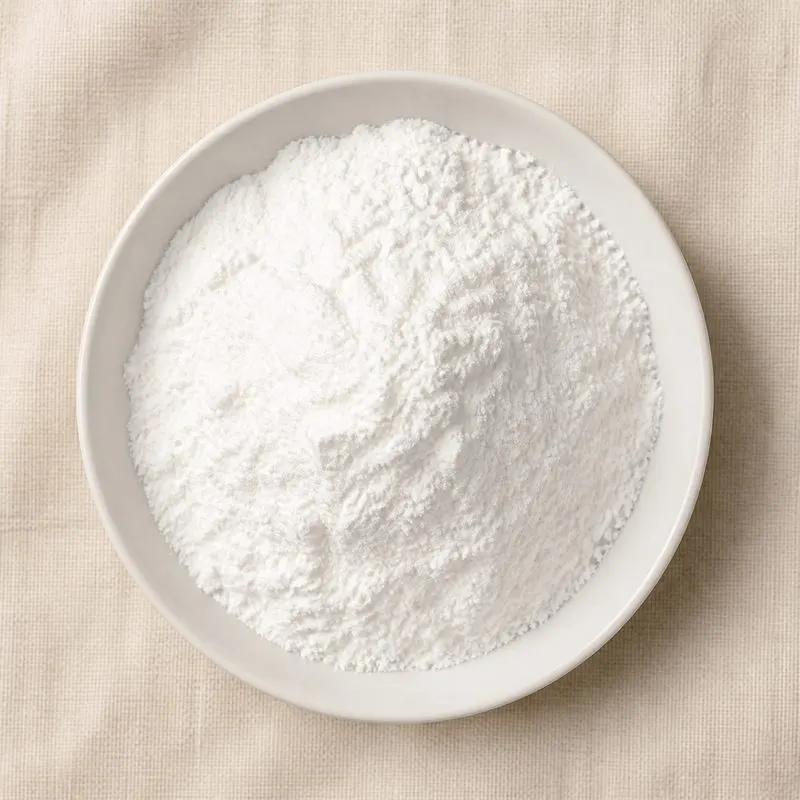
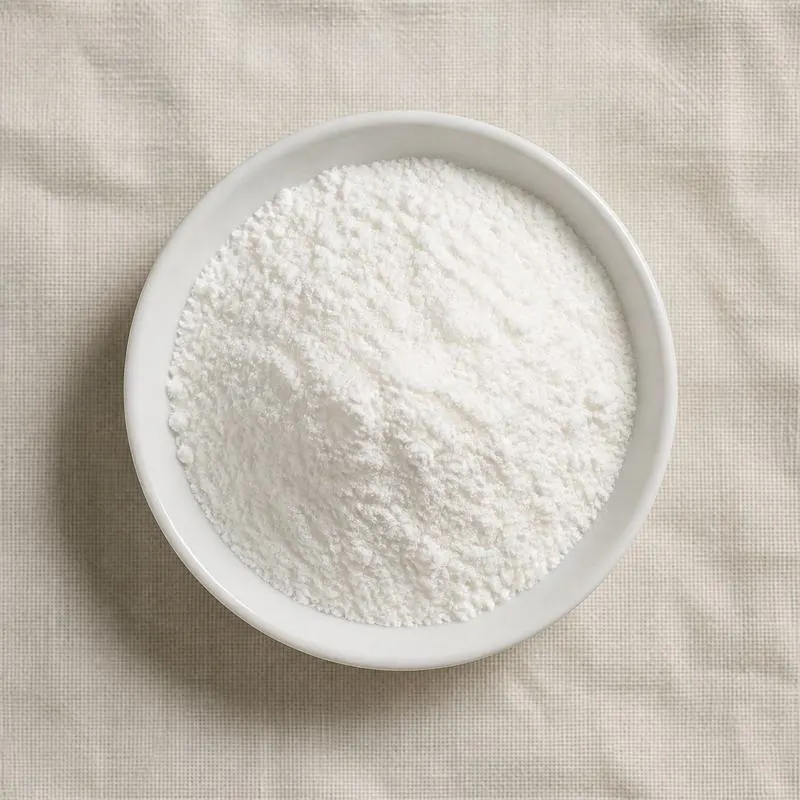
Potato Refined Starch
Potato refined starch is the purified native starch recovered from potato tubers, Solanum tuberosum, by rasping the raw tuber, washing the released granules free of pulp, protein and fruit water, and drying them without chemical modification.
It differs from cereal starches in ways that determine where it is used. The granules are the largest of the commercial starches, oval and commonly 15 to 100 micrometres across, and they carry naturally bound phosphate ester groups on the amylopectin. Those anionic groups repel one another as the granule hydrates, so potato starch swells earlier and further than maize or wheat starch, gelatinising from roughly 58 to 68 degrees Celsius and reaching a very high peak viscosity. The resulting paste is clear, long and cohesive, with a neutral flavour and almost no cereal note, because the refined starch contains very little residual protein or lipid.
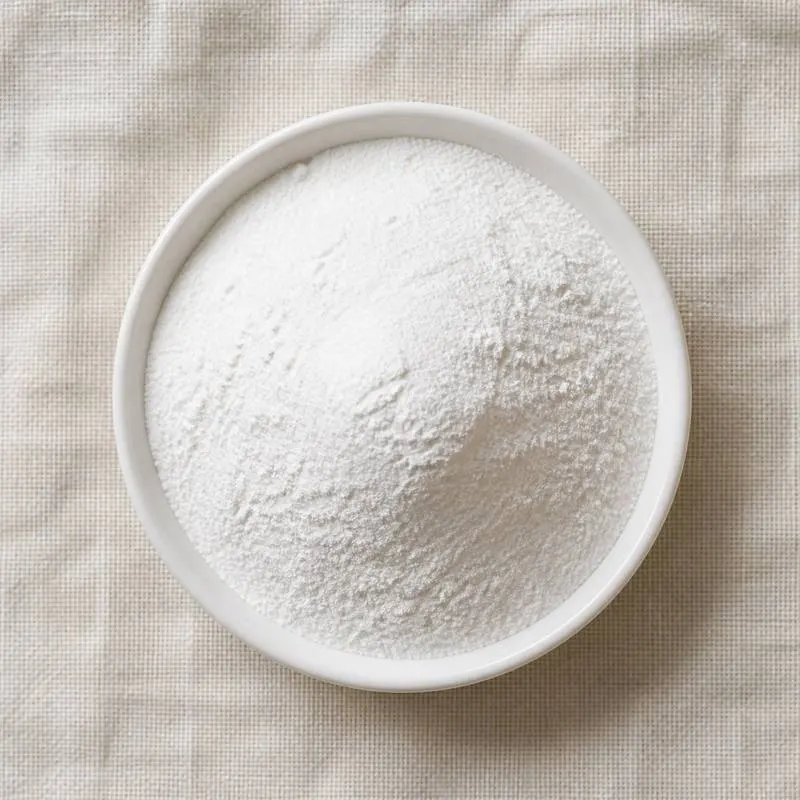
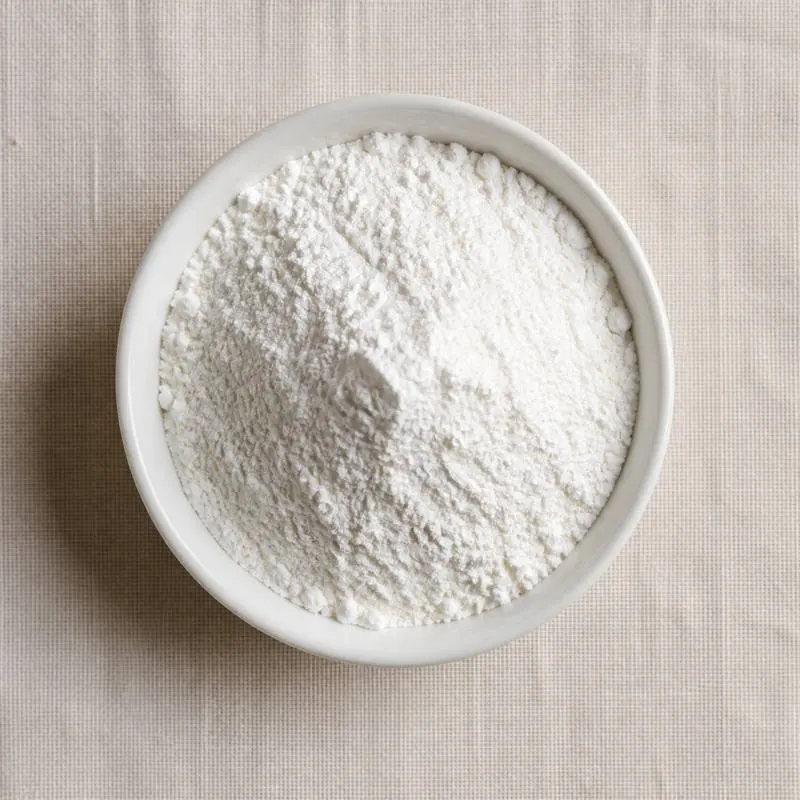
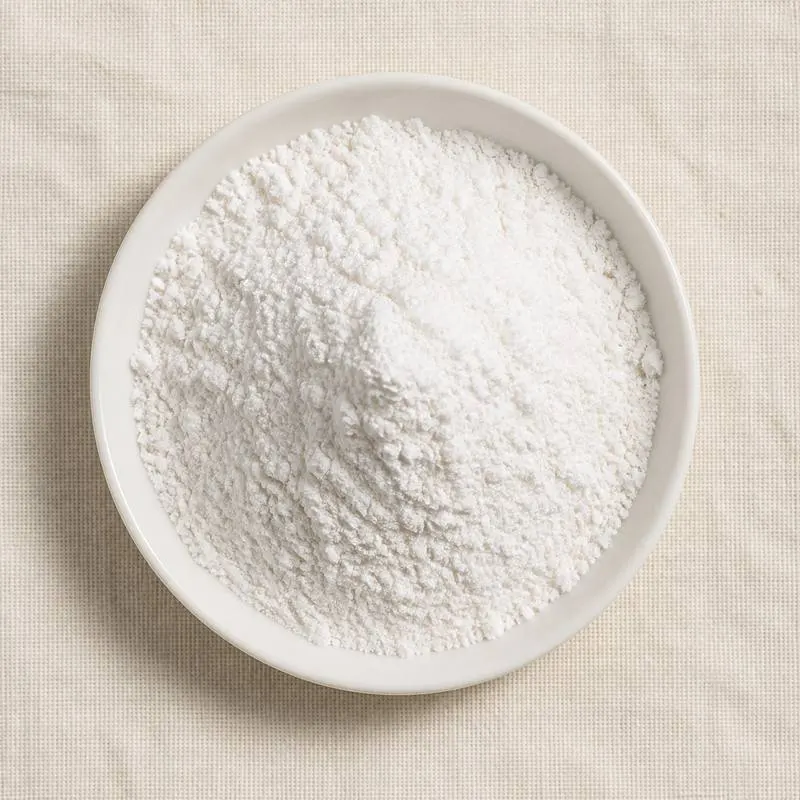
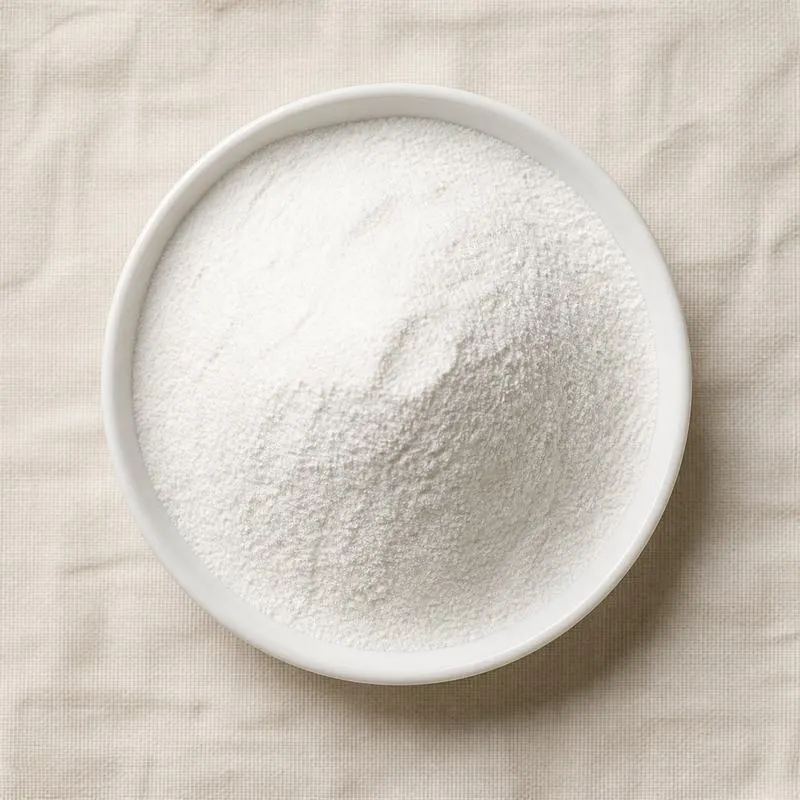
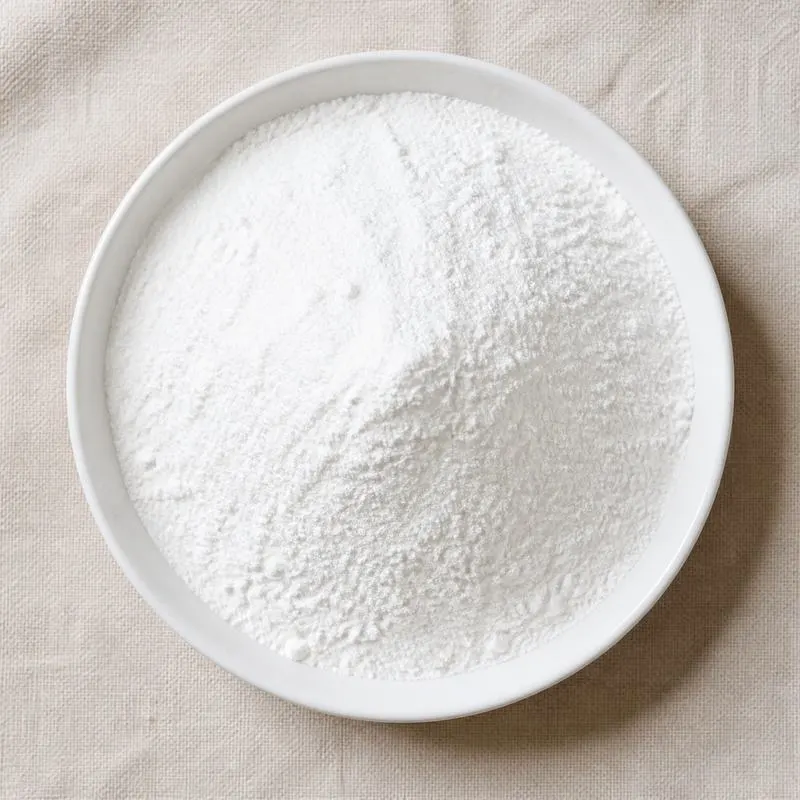
It is a bright white free-flowing powder with a characteristic squeak when compressed. Granular starch is insoluble in cold water and must be cooked to hydrate. The paste thins readily under prolonged shear or heat and retrogrades on cold storage, which is why potato starch is often the base for cross-linked and stabilised derivatives rather than being used native in severe processes.
We source bulk Potato Refined Starch from top China manufacturers for our partners. The manufacturer is in Inner Mongolia. A smaller requirement can ship in a combined container with other ingredients.
Please send the grade you need, the volume and your destination port, and we will come back with a solution and a price.
or call +86-21-6858 0751
- Function
- Texturisers
Specifications
| Item | Specification |
|---|---|
| Appearance | Bright white free-flowing powder, free of foreign matter |
| Odour and Taste | Neutral, free of foreign odour |
| Starch Content, dry basis | Not less than 98.0% |
| Moisture | Not more than 20.0% |
| Protein, dry basis | Not more than 0.1% |
| Ash | Not more than 0.4% |
| Fat | Not more than 0.1% |
| pH, 10% slurry | 6.0 to 8.0 |
| Whiteness | Not less than 92 |
| Specks per square decimetre | Not more than 5 |
| Particle Size | Not less than 99% through 100 mesh |
| Sulphur Dioxide | Not more than 30 mg/kg |
| Lead | Not more than 0.5 mg/kg |
| Arsenic | Not more than 0.5 mg/kg |
| Total Plate Count | Not more than 10,000 CFU/g |
| Yeast and Mould | Not more than 100 CFU/g |
| Salmonella | Absent in 25 g |
Common Markets Grades
Refined potato starch is traded as native food grade, native industrial or technical grade, and pharmaceutical grade. Food grade is distinguished by low protein and ash, high whiteness and a controlled sulphur dioxide residue, and is normally offered in a standard powder and a superfine 200 mesh version. Viscosity grades exist within food grade, since peak viscosity varies with tuber variety, growing season and the severity of the drying step, and buyers of noodle and surimi starch usually specify a minimum Brabender peak.
Technical grade for paper, adhesive and textile use carries looser colour and ash limits. Pharmaceutical grade complies with the European Pharmacopoeia and USP monographs for potato starch as a tablet disintegrant and diluent. Organic certified material is available where the tuber supply is certified, and a pregelatinised drum-dried version is sold for cold prepared systems. Native potato starch is not sold as a single specification, so the base grade and target viscosity should both be stated on an enquiry.
Applications
- Asian noodles, vermicelli and dumpling wrappers, where the clear cohesive paste gives a translucent appearance and an elastic bite
- Surimi and fish cake products, binding water and firming the gel through setting and cooking
- Processed meat, where the high swelling power holds brine in the cooked product
- Bakery and confectionery dusting, using the fine dry granules as a release powder on doughs and gum trays
- Sponge cake and gluten-free baking, contributing moisture retention and a soft crumb without cereal flavour
- Soups, sauces and instant gravies that are prepared and consumed quickly, where the fast high viscosity build is an advantage
- Feedstock for modified starch plants making acetylated, hydroxypropylated and cross-linked potato derivatives
- Fermentation and glucose syrup substrate as a source of readily hydrolysed carbohydrate
- Paper wet-end additive and surface size, where the anionic phosphate groups aid retention and film strength
- Pharmaceutical tablets as a disintegrant, binder and diluent
Brands Using Potato Refined Starch
Widely-distributed consumer products that list Potato Refined Starch on the ingredient label.
- Anthony's GoodsOrganic Potato Starch ↗Refined potato starch sold as a single ingredient thickener, certified organic and gluten free.Label verified 2026-08-31
- NutricostPantry Organic Potato Starch ↗Organic potato starch packaged as a single ingredient for thickening and baking.Label verified 2026-08-31
Brand names, product names and logos are the property of their owners. They appear here as published evidence that the ingredient is used, taken from the brand's own label or website. Their appearance is not an endorsement, and it does not mean the brand buys from us or from any manufacturer listed on this site.
China Manufacturers of Potato Refined Starch
Top Potato Refined Starch manufacturers in China.

Company names and logos are the property of the manufacturers themselves. They are listed here because our own directory records them as producing this ingredient. A listing is not an endorsement by them, and we do not represent them or speak on their behalf.
Regulatory Status
Native potato starch is treated as a food ingredient rather than as an additive. It carries no E number, is declared simply as potato starch or starch on an ingredient list, and is not subject to a use level restriction in food.
In the United States the FDA lists it as generally recognised as safe when used in accordance with good manufacturing practice, and food starch derived from potato is an accepted article of commerce under FDA food ingredient rules. In the European Union it falls under general food law and the compositional expectations of the starch trade rather than under the food additives regulation, although the sulphur dioxide used as a processing aid is subject to the residue limits that apply to sulphites, and labelling of sulphites above the threshold applies. Pharmacopoeial monographs for potato starch are published in the European Pharmacopoeia and the United States Pharmacopeia for pharmaceutical use. Codex maintains a standard for edible starches that covers identity and purity for native starches of this type.
Manufacturing Process
Potatoes are delivered from field storage, destoned and washed, then rasped on high speed toothed drums that tear open the cells and release the starch granules as a slurry mixed with fibre and potato juice. Sulphur dioxide or a sulphite solution is dosed early to suppress the polyphenol oxidase browning that would otherwise darken the starch within minutes. The rasped mash passes to conical screens and decanter centrifuges, where the potato fruit water carrying soluble protein, sugars and organic acids is separated for protein recovery and land spreading, and the fibre is washed out on rotating sieves.
The crude starch milk is then refined on a series of hydrocyclone stages running countercurrent with fresh water, which strips residual protein, fine fibre and solubles down to the low levels that define refined starch. The washed milk is dewatered on a vacuum belt or rotary filter to a cake of roughly 40 percent moisture and flash dried in a hot air stream to about 18 to 20 percent moisture, which is the equilibrium level for potato starch. Because the granules are fragile, drying is short and gentle to avoid pregelatinising the surface. The dried starch is cooled, sifted to remove agglomerates, and passed over magnets and metal detectors before packing.