Powdered Chicken Fat
Powdered chicken fat is rendered poultry fat converted into a free flowing powder by spray drying it as an emulsion with a protein and carbohydrate carrier. It exists because chicken fat is where much of the aroma of cooked chicken sits, and because a liquid fat cannot be dosed into a dry seasoning sachet or an instant noodle powder pack.
Chicken fat carries the species character of poultry. Its fatty acid profile, high in oleic and linoleic acid, generates on heating the aldehydes, ketones and lactones that make a broth read as chicken rather than as generic meat, and those compounds are lipophilic and stay with the fat rather than with the aqueous extract. The drying step encapsulates the fat inside a wall of protein and maltodextrin, which both makes it a powder and slows the oxidation that would otherwise turn an unsaturated poultry fat rancid within weeks.
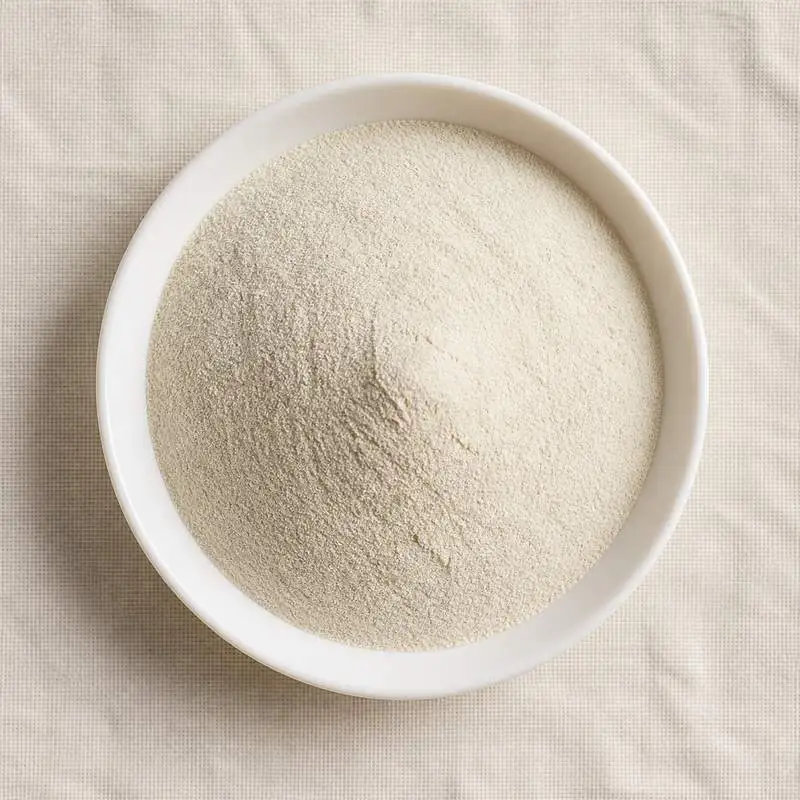
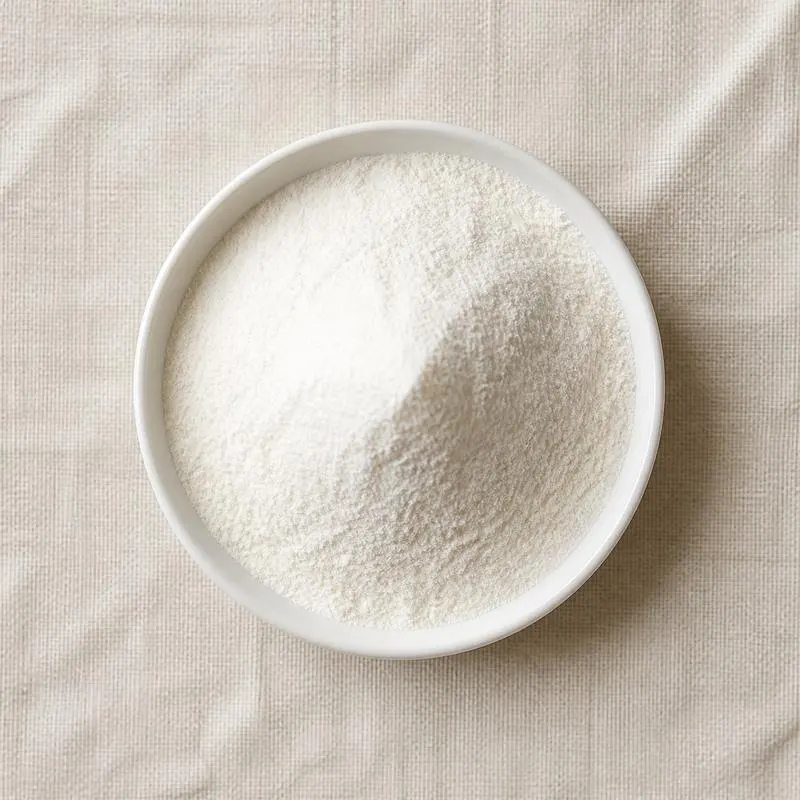
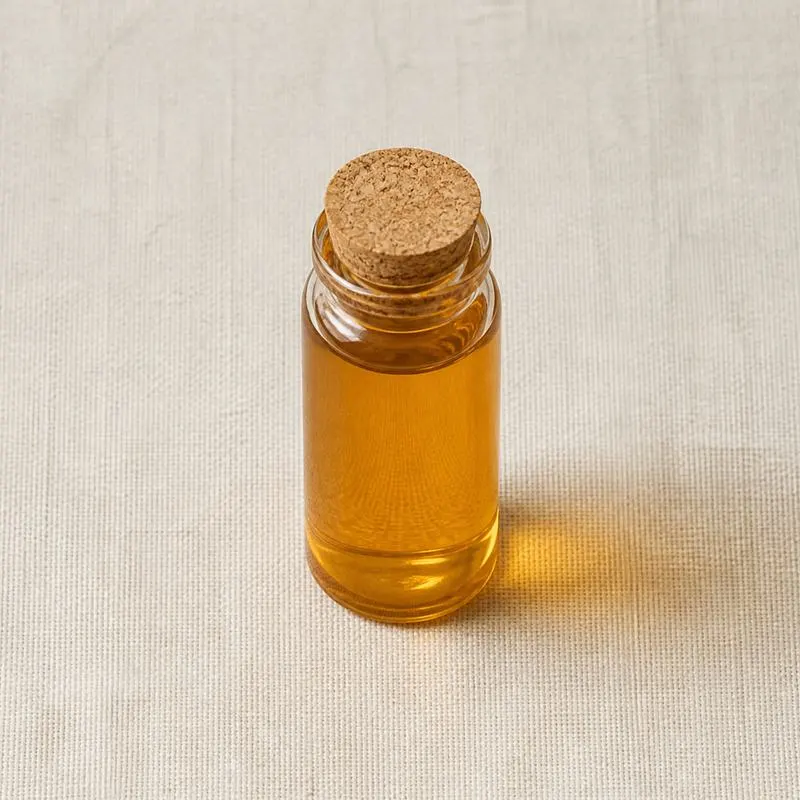
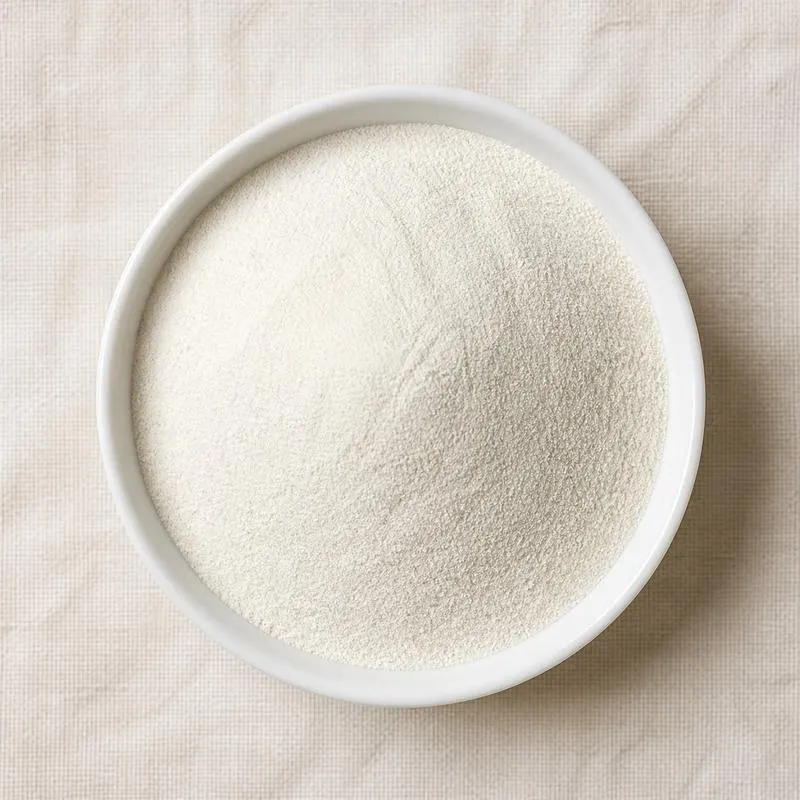
The powder is off white to pale yellow, free flowing, with a mild cooked chicken aroma, and typically carries between 50 and 70 percent fat. It disperses in hot water to give a slightly cloudy, fat bearing broth. Free fat, the proportion of fat sitting outside the encapsulating wall, is the property that decides both flow and shelf life, and it is a routine release test.
We source bulk Powdered Chicken Fat from top China manufacturers for our partners. The manufacturer is in Guangdong. A smaller requirement can ship in a combined container with other ingredients.
Please send the grade you need, the volume and your destination port, and we will come back with a solution and a price.
or call +86-21-6858 0751
- Function
- Flavours and Aromas
Specifications
| Item | Specification |
|---|---|
| Appearance | Free flowing powder, free from lumps and foreign matter |
| Colour | Off white to pale yellow |
| Odour and flavour | Characteristic cooked chicken fat, free from rancid notes |
| Fat content | Declared per grade, typically 50.0 to 70.0 percent |
| Free fat | 5.0 percent of total fat maximum |
| Moisture | 3.0 percent maximum |
| Particle size | 95 percent through 40 mesh |
| Bulk density | 0.35 to 0.55 g/ml |
| Peroxide value of extracted fat | 2.0 meq/kg maximum |
| Free fatty acid as oleic acid | 1.0 percent maximum |
| Lead | 0.5 mg/kg maximum |
| Total plate count | 10,000 cfu/g maximum |
| Yeast and mould | 100 cfu/g maximum |
| E. coli | Absent in 1 g |
| Salmonella | Absent in 25 g |
Common Markets Grades
Fat content is the primary grading axis, with common positions around 50, 60 and 70 percent, and higher fat grades giving stronger aroma at the cost of flow and keeping quality. The carrier system is the second: powders built on sodium caseinate and maltodextrin disperse cleanly and encapsulate well, while dairy free grades using vegetable protein, modified starch or gum acacia are used where milk allergen declaration must be avoided.
Beyond that, buyers separate plain rendered fat powders from flavoured grades in which a chicken reaction flavour has been included in the emulsion before drying, giving a stronger and more directed profile. Antioxidant protected grades using tocopherols or ascorbyl palmitate are distinguished from unprotected ones, and halal certified production is a separate line. Agglomerated grades are produced where fast dispersion in hot water is required, as in retail soup and noodle products.
Applications
- Instant noodle powder sachets, the largest single outlet for this ingredient
- Bouillon cubes and stock powders, supplying the fat phase of a reconstituted broth
- Dry soup and sauce mixes needing a chicken character on rehydration
- Savoury snack seasonings applied as a topical dry blend
- Seasoning bases for foodservice and industrial kitchens
- Retorted and dehydrated ready meals in the poultry varieties
- Coating and breading systems for fried chicken products
- Plant based meat and broth analogues where a poultry fat character is permitted
- Pet food coatings and palatant systems
- Nutritional and convalescent broth powders
China Manufacturers of Powdered Chicken Fat
Top Powdered Chicken Fat manufacturers in China.
Company names and logos are the property of the manufacturers themselves. They are listed here because our own directory records them as producing this ingredient. A listing is not an endorsement by them, and we do not represent them or speak on their behalf.
Regulatory Status
In the United States rendered chicken fat is a poultry product, and ingredients containing it fall under the inspection and labelling authority of the Food Safety and Inspection Service of the Department of Agriculture rather than the Food and Drug Administration. The carrier and additive components, including caseinate, maltodextrin, emulsifiers, antioxidants and anticaking agents, are permitted food ingredients declared individually, and any added flavour is declared as natural or artificial flavour. Where sodium caseinate is used, milk allergen declaration applies.
In the European Union the product is a food ingredient of animal origin subject to the animal products hygiene framework, which governs establishment approval, the rendering process and traceability of the poultry raw material, and to the import control rules for products of animal origin. Antioxidants such as the tocopherol extracts and ascorbyl palmitate carry their own E numbers as authorised additives, as do anticaking agents, while flavourings fall under Regulation (EC) No 1334/2008 and carry no E number. Milk derived carriers trigger allergen declaration under the food information regulation. Codex hygienic practice codes for meat and for low moisture foods are the usual reference in export specifications.
Manufacturing Process
Chicken fat is recovered by rendering, in which fatty trim, skin and the fat separated from stock production are heated so the fat melts and separates from the protein solids and water. The rendered fat is centrifuged, filtered and, where quality demands it, lightly refined by bleaching and deodorisation, with free fatty acid and peroxide value checked before use, since an oxidised feedstock cannot be rescued later in the process.
The fat is melted and held warm while an aqueous phase is prepared by hydrating sodium caseinate or another protein together with maltodextrin, salt and any reaction flavour or antioxidant in the formula. The phases are combined under high shear and then passed through a two stage high pressure homogeniser, which reduces the fat droplets enough for the carrier to encapsulate them cleanly during drying. The emulsion is pasteurised and fed to a spray drier with a hot inlet and a controlled low outlet temperature, since excessive heat both scorches the protein and drives off the aroma the product exists to deliver. Powder is collected from the chamber and cyclones, cooled and optionally agglomerated in a fluid bed, sieved, metal checked and packed into foil laminate bags under nitrogen.