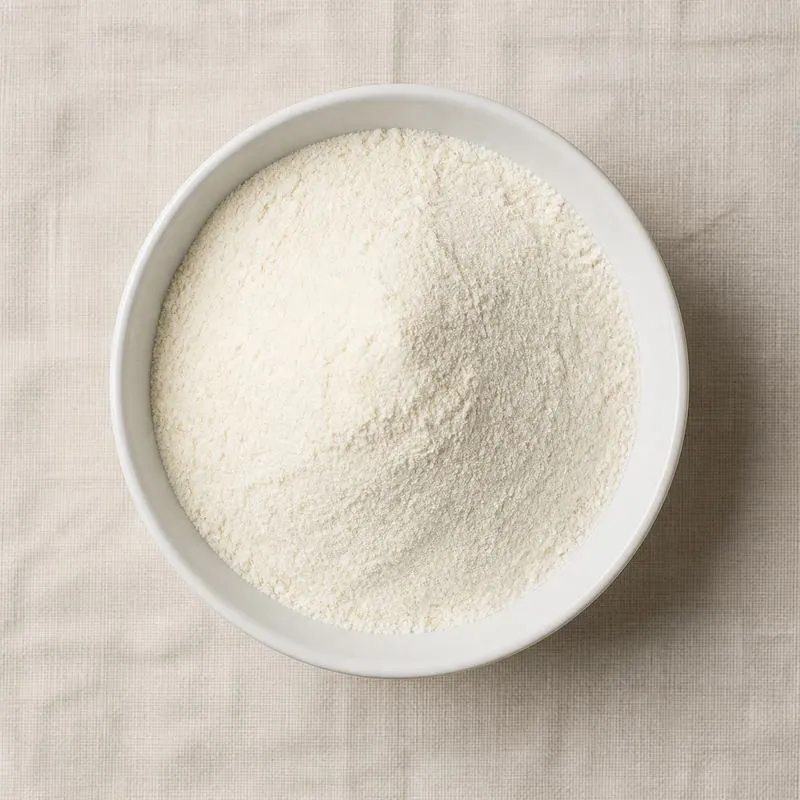
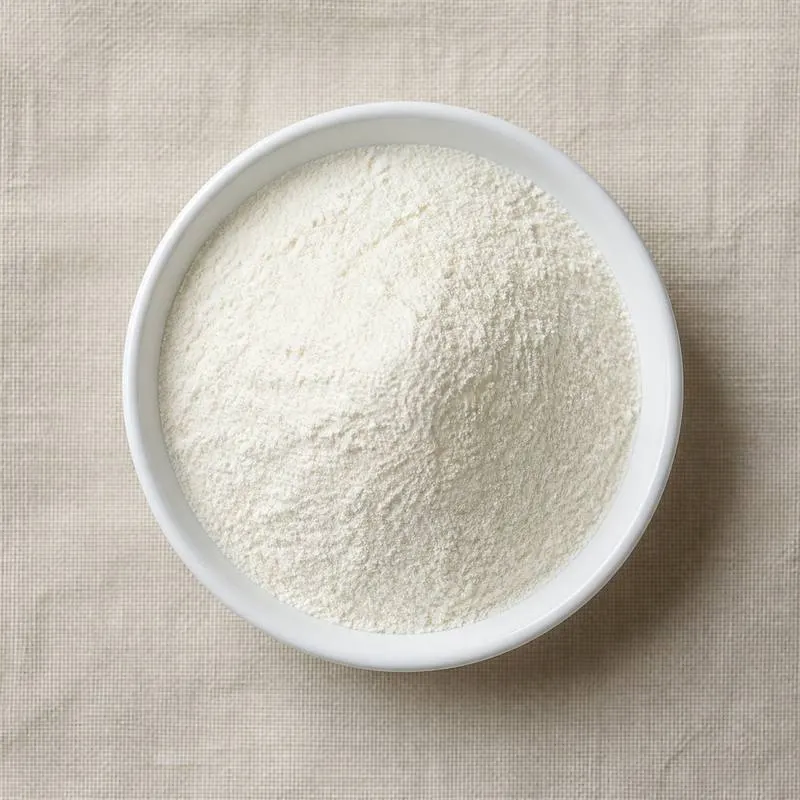
Sodium Caseinate
Sodium Caseinate is the sodium salt of casein, produced by neutralising acid casein with sodium hydroxide and drying the resulting solution. It is one of the most widely used dairy-protein ingredients in processed foods because of its solubility, emulsifying capacity, and bland flavour.
At neutral pH it disperses readily in water to form clear to slightly cloudy solutions, in contrast to the parent acid casein, which is essentially insoluble. This solubility shift is what makes the caseinate suitable for fluid and dry blending applications across the food industry.
We source bulk Sodium Caseinate from top China manufacturers for our partners. The manufacturers are in Hubei and Ningxia. A smaller requirement can ship in a combined container with other ingredients.
Please send the grade you need, the volume and your destination port, and we will come back with a solution and a price.
or call +86-21-6858 0751
- Packaging
- 25 kg kraft paper bag with PE inner liner
- Function
- Protein
- ISO 9001
- HACCP
- Halal
- Kosher
Specifications
| Item | Specification |
|---|---|
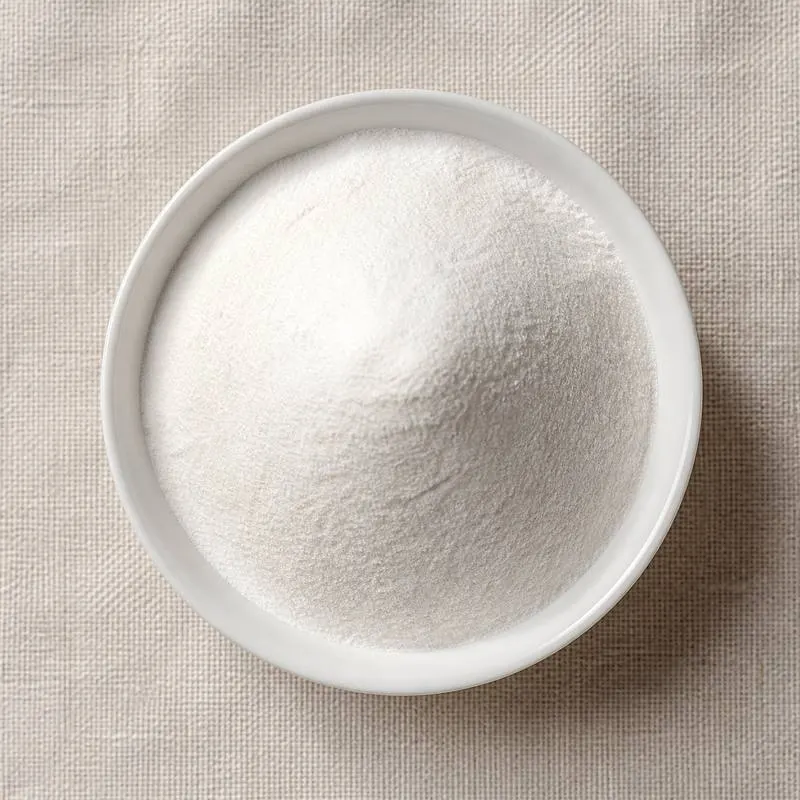
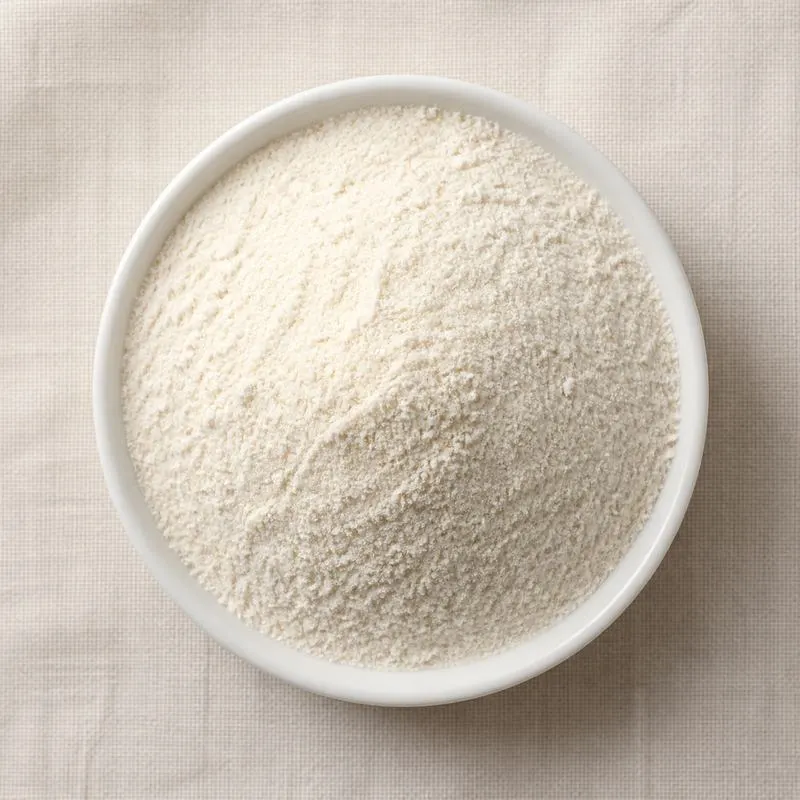
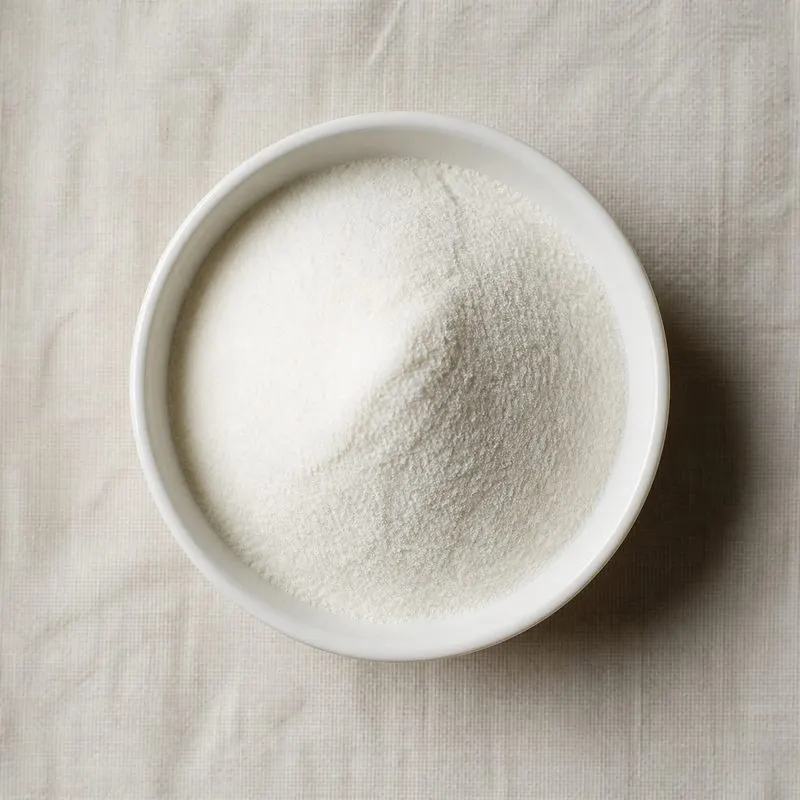
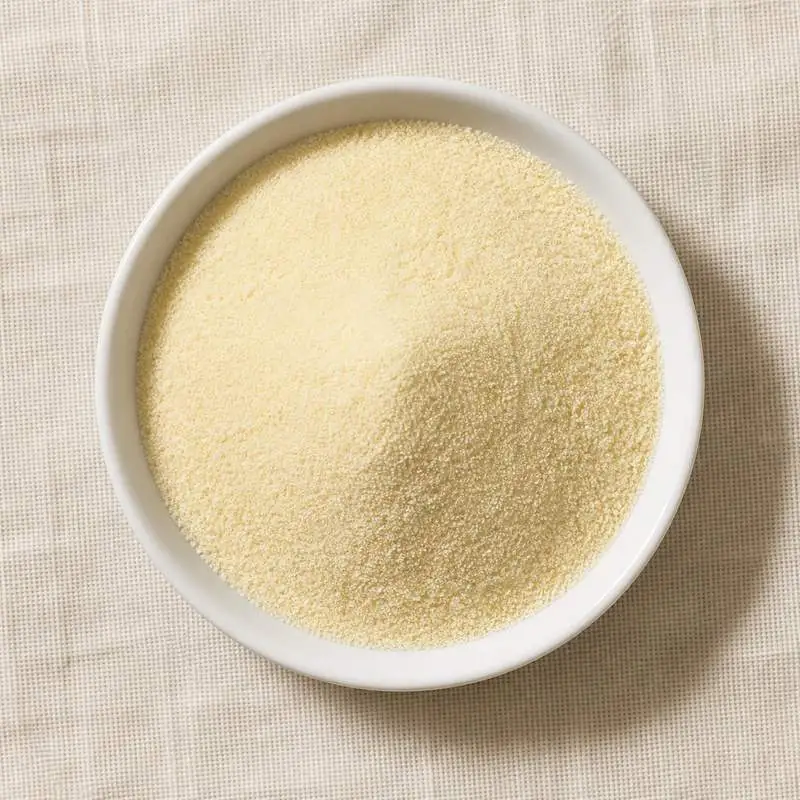
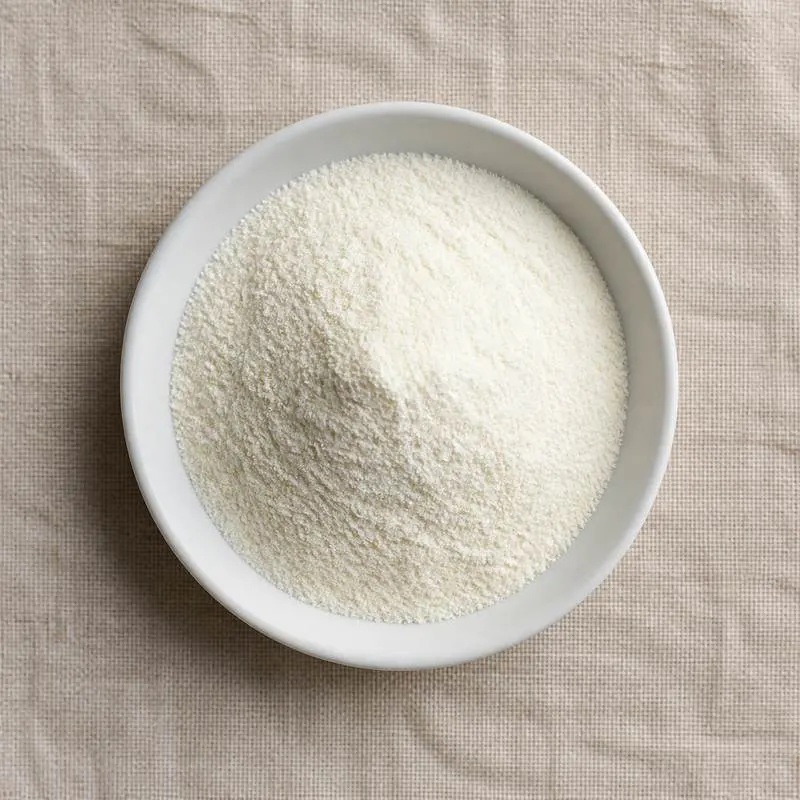
| Appearance | White to light cream free-flowing powder |
| Protein content (Kjeldahl, N x 6.38, dry basis) | ≥ 90.0% |
| Moisture | ≤ 6.0% |
| Fat | ≤ 2.0% |
| Lactose | ≤ 1.0% |
| Ash | ≤ 6.0% |
| Sodium | 1.2% to 1.6% |
| pH (10% solution) | 6.5 to 7.0 |
| Particle size | 95% through 60 mesh, or per customer specification |
| Lead (Pb) | ≤ 0.5 mg/kg |
| Arsenic (As) | ≤ 0.5 mg/kg |
| Total plate count | ≤ 30,000 CFU/g |
| Salmonella | Absent in 25 g |
| Allergen statement | Contains milk. |
| Source | Bovine skim milk casein |
Common Markets Grades
Standard food grade is a free-flowing white to cream powder with a minimum protein content of about 90 percent on a dry basis, a moisture content below 6 percent, and a fat content below 2 percent.
Coffee-creamer grade is engineered for fast cold-water dispersibility and for stability against creaming and feathering in hot acidic coffee. Particle-size distribution and lactose carryover are tuned for this application.
Spray-dried instant grades carry agglomerated particles for improved wetting and are used in sports-nutrition and meal-replacement powders.
Pharmaceutical and clinical-nutrition grades carry tighter heavy-metal and microbiological specifications. Halal and Kosher certifications are widely available.
Applications
- Non-dairy coffee creamers in liquid and powdered formats
- Whipped toppings and whipped-cream analogs for stable foam structure
- Processed cheese and cheese-sauce systems for emulsification and melt control
- Meat products such as frankfurters, bologna, and emulsified sausages for water and fat binding
- Sports-nutrition and meal-replacement powders as a slow-digesting protein source
- Bakery products such as breads, cakes, and biscuits for crumb structure and crust colour
- Ice cream and frozen desserts for body and overrun control
- Cream liqueurs as an emulsion stabiliser for fat and alcohol systems
- Pharmaceutical tablet binders and clinical-nutrition formulas
- Pet-food coatings and palatants for dry kibble
Brands Using Sodium Caseinate
Widely-distributed consumer products that list Sodium Caseinate on the ingredient label.
- Coffee mateThe Original Powder Coffee Creamer ↗Coffee mate Original powdered non-dairy creamer uses sodium caseinate as a milk-derived stabiliser and texturiser alongside corn syrup solids and hydrogenated vegetable oil.Label verified 2026-05-24
- Coffee mateOriginal Liquid Coffee Creamer ↗Liquid Coffee mate Original lists 2% or less sodium caseinate as a milk-derived ingredient that emulsifies coconut oil and provides creamy body.Label verified 2026-05-24
- International DelightOriginal Coffee Creamer Singles ↗Shelf-stable single-serve creamer with 2% or less sodium caseinate as a milk-derived emulsifier that delivers a creamy mouthfeel without lactose.Label verified 2026-05-24
- International DelightFrench Vanilla Coffee Creamer ↗French Vanilla liquid creamer uses sodium caseinate among its 2% or less ingredients to stabilise the palm oil emulsion and deliver a creamy texture.Label verified 2026-05-24
Brand names, product names and logos are the property of their owners. They appear here as published evidence that the ingredient is used, taken from the brand's own label or website. Their appearance is not an endorsement, and it does not mean the brand buys from us or from any manufacturer listed on this site.
China Manufacturers of Sodium Caseinate
Top Sodium Caseinate manufacturers in China.
 Hubei Baitewei Biotechnology Co., Ltd.6 ingredients in the directory
 Ningxia Yimei Biotechnology Co., Ltd.3 ingredients in the directory
Company names and logos are the property of the manufacturers themselves. They are listed here because our own directory records them as producing this ingredient. A listing is not an endorsement by them, and we do not represent them or speak on their behalf.
How We Help Source Sodium Caseinate
Direct Factory Sourcing
We run the whole process: selecting the manufacturer from the top Chinese food ingredient producers, negotiating the price, verifying quality, and coordinating the logistics. You deal with us instead of with several factories at once.
Original Packaging and Documents from the Manufacturer
The manufacturer sends your Sodium Caseinate out of its own factory in the original packing, through to your destination port. The COA, COO, MSDS, TDS and any certifications reach you from the manufacturer as well.
Free Samples and Lead Time
We send 100 to 500 g free for your own laboratory to test and you cover only the courier, usually within 2 to 3 working days. ETD is usually within 7 to 15 days once the order is confirmed, and we check that date against the factory's own manufacturing schedule before we give it to you.
Combined Shipment
We can load Sodium Caseinate together with other ingredients such as Collagen Peptide, Soy Protein Isolate and Fish Collagen Peptide into one 20' FCL. If your quantity is small, we can also ship LCL.
Regulatory Status
Sodium caseinate is an accepted food ingredient in essentially every regulated market. In the United States it is recognised under FDA regulations for use in food, with specific standards of identity for its application in non-dairy coffee whitener and several other categories.
In the European Union it is regulated as a milk-derived ingredient and is subject to milk-allergen labelling. Compositional standards exist for edible caseinates under the dairy-products framework.
Pharmacopoeial monographs for casein and caseinates exist in major pharmacopoeias for pharmaceutical and clinical-nutrition use.
Halal and Kosher certifications are routinely available because the starting milk, the precipitating acid, and the neutralising sodium hydroxide are compatible with both standards when properly sourced.
Manufacturing Process
Production starts with acid casein, taken either fresh from the precipitation step of a casein plant or rehydrated from dry curd.
The acid casein curd is dispersed in warm water and neutralised with food-grade sodium hydroxide solution. Temperature, agitation, and alkali addition rate are controlled to produce a smooth dispersion without local over-alkalization.
The dispersion is heated and held briefly to ensure complete dissolution and to support microbiological control. It is then passed through a homogeniser to achieve a uniform particle size before drying.
Spray drying is the standard finishing step. Inlet and outlet temperatures are tuned to deliver a free-flowing powder with the target moisture and dispersibility.
Instant grades pass through an additional agglomeration step in a fluid bed or in a secondary spray nozzle to build larger porous particles that wet rapidly in cold liquids.