Pueraria Flower Extract
Pueraria flower extract is prepared from the dried unopened flowers of Pueraria lobata or Pueraria thomsonii, the kudzu vine, a material known in Chinese herbal trade as ge hua and distinct from the far more commonly traded root. The flower carries a different isoflavone profile from the root: its markers are the isoflavone glycosides kakkalide and tectoridin, which hydrolyse to irisolidone and tectorigenin, together with saponins and small amounts of the root isoflavone puerarin.
The material is used as a standardised botanical rather than as a technological food ingredient. Its commercial positioning rests on the traditional use of kudzu flower in preparations taken after drinking alcohol, and modern products are built around that hangover and liver comfort category, usually combining the flower extract with the root.
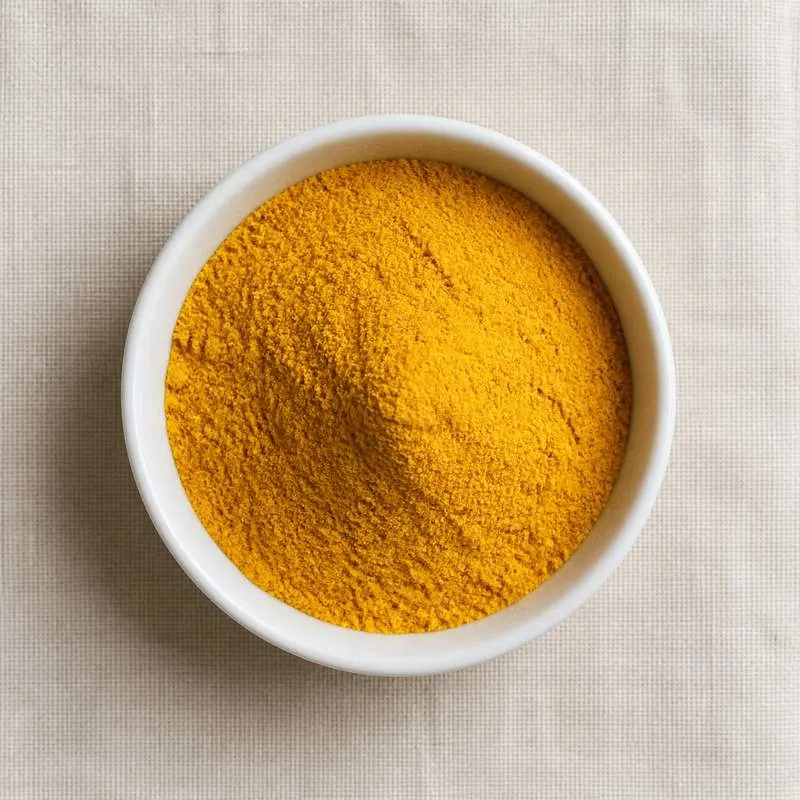
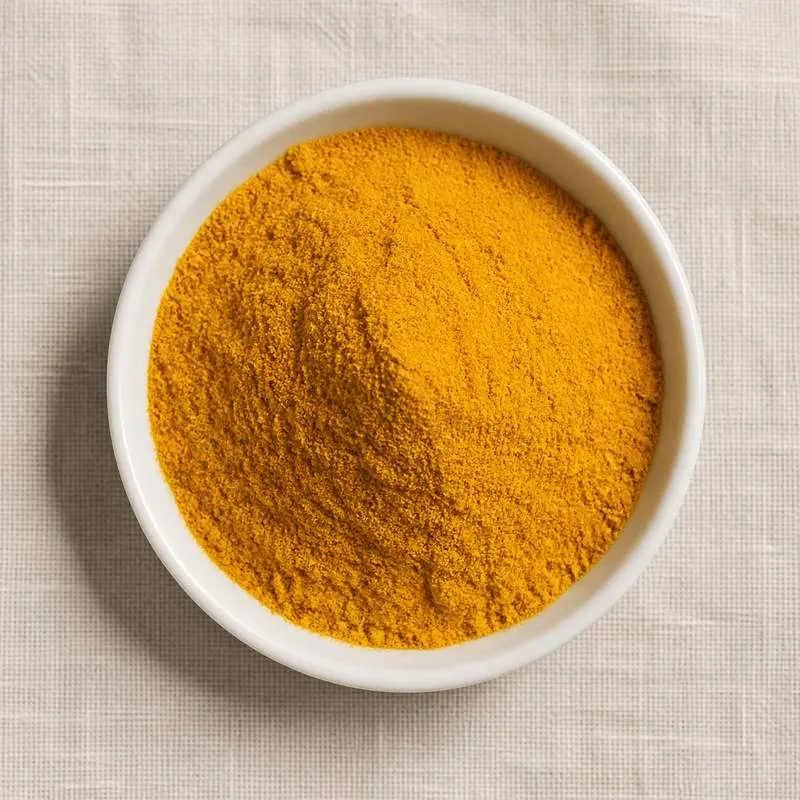
Commercial extract is a light brown to yellow brown fine powder with a faint floral and slightly bitter character. The glycoside fraction is water soluble and the aglycones are not, so extracts standardised on total isoflavones dissolve readily while hydrolysed grades disperse rather than dissolve. The isoflavones are stable to normal drying and processing temperatures but hydrolyse under strong acid and prolonged heat, which shifts the glycoside to aglycone ratio.
We source bulk Pueraria Flower Extract from top China manufacturers for our partners. The manufacturer is in Shaanxi. A smaller requirement can ship in a combined container with other ingredients.
Please send the grade you need, the volume and your destination port, and we will come back with a solution and a price.
or call +86-21-6858 0751
- Function
- Plant extract
Specifications
| Item | Specification |
|---|---|
| Appearance | Light brown to yellow brown fine powder |
| Odour and Taste | Faint floral aroma, slightly bitter |
| Total Isoflavones (HPLC) | ≥ 10.0% |
| Kakkalide | ≥ 2.0% |
| Identification | Conforms by HPLC fingerprint against reference flower |
| Loss on Drying | ≤ 5.0% |
| Total Ash | ≤ 6.0% |
| Acid Insoluble Ash | ≤ 2.0% |
| Particle Size | 100% through 80 mesh |
| Residual Ethanol | ≤ 0.5% |
| Lead | ≤ 2.0 mg/kg |
| Arsenic | ≤ 1.0 mg/kg |
| Cadmium | ≤ 1.0 mg/kg |
| Total Plate Count | ≤ 10,000 cfu/g |
| Yeast and Mould | ≤ 100 cfu/g |
| E. coli | Negative |
| Salmonella | Absent in 25 g |
Common Markets Grades
Standardisation is on total isoflavones, commonly at 5, 10 or 20 percent by HPLC or by the ultraviolet method, with the specification naming which assay applies because the two return different figures. Grades standardised on kakkalide or on tectoridin specifically are traded where a defined flower marker is required to distinguish the material from root extract, which is a common substitution point in this trade.
Simple ratio extracts at 4:1 and 10:1 are sold for traditional preparations and for tea blends. Physical forms are spray dried powder at 80 mesh, granulated material for capsule and stick pack filling, and liquid concentrate for beverage manufacture. Blended flower and root extracts standardised on combined isoflavone content are traded as a single article for the hangover supplement market, and the botanical composition is stated on the certificate.
Applications
- Hangover relief supplements in capsule, tablet and liquid shot form, the principal outlet for the extract
- Ready to drink recovery beverages sold alongside alcohol in Asian markets
- Liver support formulations, combined with milk thistle, curcumin and amino acids
- Herbal tea blends and instant granule stick packs
- Traditional Chinese herbal preparations, where kudzu flower is a classical component
- Functional confectionery including jellies and chewables in the recovery category
- Women's health supplements, where the isoflavone fraction is used alongside soy and red clover extracts
- Skin care formulations, using the flower extract for its antioxidant flavonoid content
China Manufacturers of Pueraria Flower Extract
Top Pueraria Flower Extract manufacturers in China.

Company names and logos are the property of the manufacturers themselves. They are listed here because our own directory records them as producing this ingredient. A listing is not an endorsement by them, and we do not represent them or speak on their behalf.
Regulatory Status
In the United States kudzu flower extract is sold as a dietary ingredient under the Dietary Supplement Health and Education Act, on the basis of a history of use of Pueraria preparations in supplements. It has no food additive regulation, no colour additive listing and no entry among substances generally recognised as safe for general food use, so use outside the supplement category would require a GRAS conclusion that has not been broadly established. Claims are confined to structure and function statements, and any claim to treat intoxication or its effects would move the product into the drug category.
In the European Union the extract carries no E number because it is not an additive. Its food status turns on Regulation 2015/2283: Pueraria flower preparations have no established record of significant consumption in the Union before May 1997, so their marketability as a food supplement ingredient is uncertain and is treated differently between member states under their national botanical lists. Regulation 1223/2009 governs cosmetic use. Codex has no standard covering the material and the Joint FAO WHO Expert Committee has not evaluated it.
Manufacturing Process
Unopened kudzu flowers are collected in late summer, sorted to remove stems and leaf, and dried in warm air or in the shade to preserve colour and limit oxidation of the flavonoid fraction. The dried flower is milled to a coarse powder and extracted in counter current flow with water or aqueous ethanol at 60 to 80 degrees Celsius over several stages. Ethanol raises the yield of the less polar isoflavones while water alone favours the glycosides.
The liquor is separated on a decanter centrifuge and clarified by plate and membrane filtration. For standardised grades the clarified extract is loaded onto a macroporous adsorption resin that binds the isoflavones while sugars, salts and mucilage pass through, and the flavonoid fraction is then eluted with aqueous ethanol. Solvent is recovered by vacuum distillation and returned to the process. The eluate is concentrated in a falling film evaporator, standardised against an assayed reference batch, blended with maltodextrin where a carrier is specified, and spray dried. Powder is sieved, assayed by HPLC for the flower markers, metal checked and packed under a moisture barrier.