Pueraria Lobata Extract
Pueraria lobata extract is prepared from the dried root of the kudzu vine, a material known in Chinese herbal trade as ge gen. Its defining constituent is puerarin, an isoflavone C-glycoside found in significant quantity almost nowhere else, accompanied by daidzin, daidzein, genistin, the O-glycoside 3'-methoxypuerarin, and a large starch fraction that dominates the untreated root.
The extract is used as a standardised botanical rather than as a technological food additive. Puerarin content is the basis of purchase, and commercial positioning covers cardiovascular and circulatory support, alcohol recovery preparations and, because the isoflavone skeleton resembles that of soy, women's health formulations. The root starch itself is a separate article sold as kudzu starch for cooking.
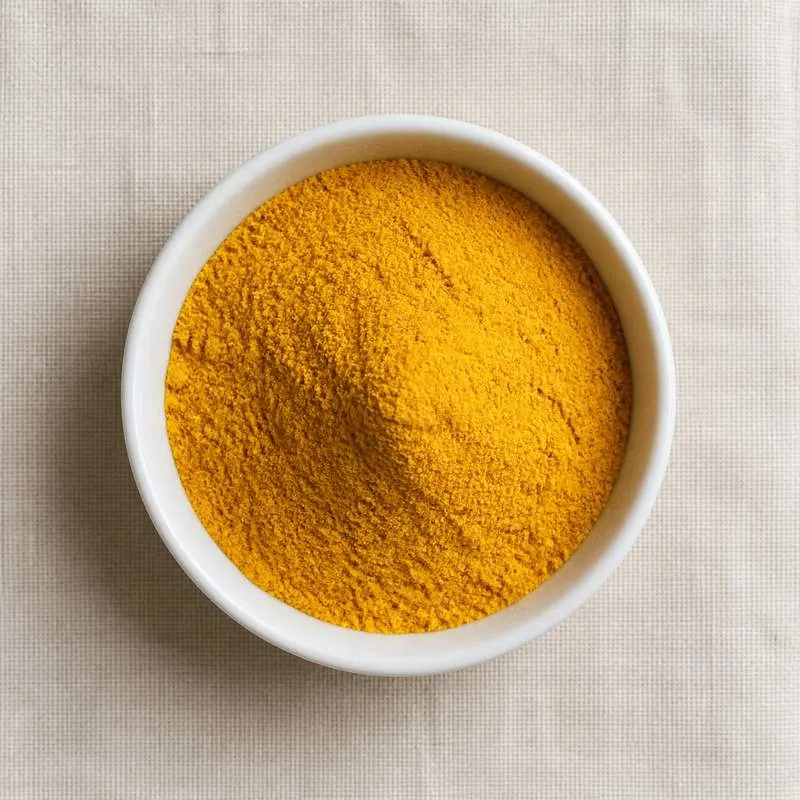
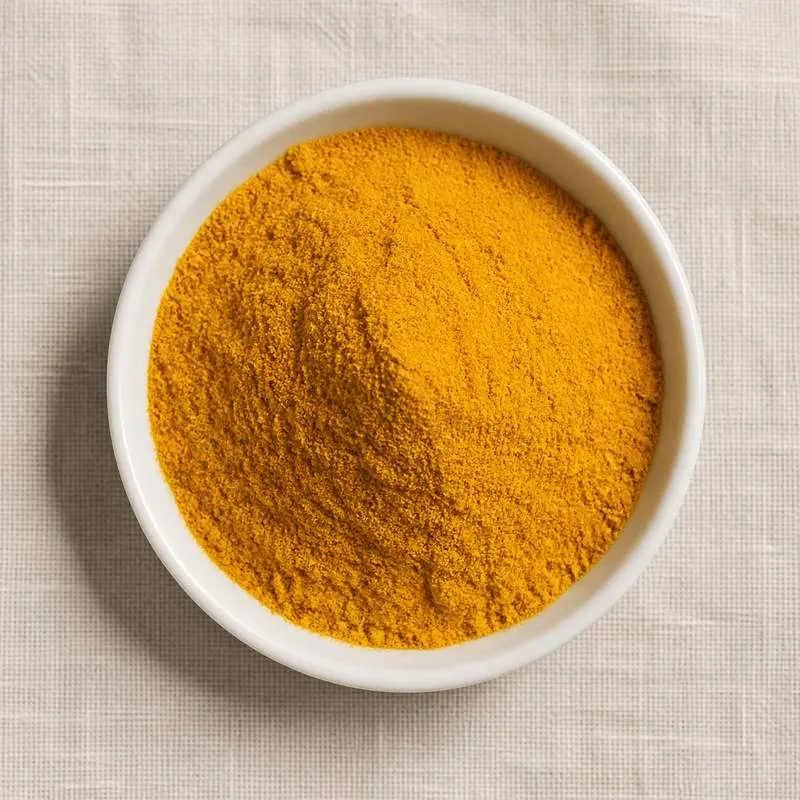
Commercial extract is a light yellow to yellow brown fine powder with a faint characteristic odour and a slightly bitter taste. Puerarin is sparingly soluble in cold water and dissolves readily in hot water and in aqueous ethanol, so high assay grades disperse rather than dissolve at ambient temperature and are micronised where dissolution rate matters. The isoflavones are stable to normal processing but the C-glycoside bond resists the acid hydrolysis that cleaves ordinary O-glycosides, which is why puerarin survives conditions that convert daidzin to daidzein.
We source bulk Pueraria Lobata Extract from top China manufacturers for our partners. The manufacturer is in Shaanxi. A smaller requirement can ship in a combined container with other ingredients.
Please send the grade you need, the volume and your destination port, and we will come back with a solution and a price.
or call +86-21-6858 0751
- Function
- Plant extract
Specifications
| Item | Specification |
|---|---|
| Appearance | Light yellow to yellow brown fine powder |
| Odour and Taste | Faint characteristic, slightly bitter |
| Puerarin (HPLC) | ≥ 40.0% |
| Total Isoflavones | ≥ 50.0% |
| Identification | Conforms by HPLC against puerarin reference |
| Loss on Drying | ≤ 5.0% |
| Total Ash | ≤ 5.0% |
| Acid Insoluble Ash | ≤ 1.0% |
| Starch | ≤ 10.0% |
| Particle Size | 100% through 80 mesh |
| Residual Ethanol | ≤ 0.5% |
| Lead | ≤ 2.0 mg/kg |
| Arsenic | ≤ 1.0 mg/kg |
| Cadmium | ≤ 1.0 mg/kg |
| Total Plate Count | ≤ 10,000 cfu/g |
| Yeast and Mould | ≤ 100 cfu/g |
| E. coli | Negative |
| Salmonella | Absent in 25 g |
Common Markets Grades
Standardisation is on puerarin, with grades at 10, 20, 40, 60 and 90 percent by HPLC, and 98 percent purified puerarin traded as an isolated compound. Total isoflavone grades measured by the ultraviolet method are quoted separately and return higher numbers than the HPLC puerarin figure on the same batch, so the specification names the assay. Ratio extracts at 4:1 and 10:1 without a marker are sold for traditional preparations.
Because kudzu root is largely starch, low assay grades carry a substantial carbohydrate load and the specification states starch or total sugar content. Physical forms cover spray dried powder at 80 mesh, micronised material for tableting and dissolution, granulated versions for capsule filling, and liquid concentrate for beverage manufacture. Root extracts are distinguished on the certificate from flower extracts of the same species, which carry a different marker set, and blended root and flower products state the composition.
Applications
- Dietary supplements in capsule and tablet form standardised on puerarin content
- Cardiovascular and circulatory support formulations, the largest supplement category for the extract
- Hangover and alcohol recovery products, sold as capsules and ready to drink shots in Asian markets
- Women's health and menopause formulations, where the isoflavone fraction is used alongside soy and red clover
- Herbal teas and instant granule stick packs
- Traditional Chinese herbal preparations and decoction granules, where kudzu root is a classical component
- Functional beverages positioned on circulation and recovery
- Skin care and hair care products, formulated on the antioxidant isoflavone content
- Kudzu starch products for confectionery and traditional desserts, made from the same root by a separate route
Brands Using Pueraria Lobata Extract
Widely-distributed consumer products that list Pueraria Lobata Extract on the ingredient label.
Brand names, product names and logos are the property of their owners. They appear here as published evidence that the ingredient is used, taken from the brand's own label or website. Their appearance is not an endorsement, and it does not mean the brand buys from us or from any manufacturer listed on this site.
China Manufacturers of Pueraria Lobata Extract
Top Pueraria Lobata Extract manufacturers in China.

Company names and logos are the property of the manufacturers themselves. They are listed here because our own directory records them as producing this ingredient. A listing is not an endorsement by them, and we do not represent them or speak on their behalf.
Regulatory Status
In the United States kudzu root extract is sold as a dietary ingredient under the Dietary Supplement Health and Education Act, on the basis of a history of use of Pueraria root preparations in supplements. Kudzu also appears in the Food and Drug Administration listing of natural substances used in conjunction with flavourings at 21 CFR 172.510, which permits its use in alcoholic beverages only. There is no general food additive regulation and no colour additive listing, so broader food use rests on a GRAS conclusion rather than on a blanket permission, and claims are confined to structure and function statements.
In the European Union the extract carries no E number because it is not an additive. Its status as a food supplement ingredient turns on Regulation 2015/2283, since Pueraria root preparations have no established record of significant consumption in the Union before May 1997, and treatment varies between member states under their national botanical lists. Isoflavone containing preparations have additionally been reviewed by the European Food Safety Authority in the context of supplements aimed at peri-menopausal women. Regulation 1223/2009 governs cosmetic use. Codex has no standard covering the material and the Joint FAO WHO Expert Committee has not evaluated it.
Manufacturing Process
Kudzu roots are lifted, washed, sliced and dried in warm air, then milled to a coarse powder. Because the root is largely starch, many plants first wash the milled root with cold water to separate the starch fraction, which is recovered, dewatered and dried as kudzu starch, leaving a fibre and isoflavone rich residue that extracts far more efficiently than the whole root. Extraction runs in counter current flow with aqueous ethanol at 60 to 80 degrees Celsius over several stages, since ethanol takes the isoflavones while leaving most of the remaining starch behind.
The liquor is separated on a decanter centrifuge and clarified by plate and membrane filtration, and the ethanol is recovered under vacuum. The aqueous concentrate is loaded onto a macroporous adsorption resin that binds puerarin and the accompanying isoflavones while sugars and salts pass to waste, and the isoflavone fraction is eluted with aqueous ethanol. For high assay grades the eluate is concentrated and puerarin crystallised from an ethanol and water mixture, recovered on a centrifuge and recrystallised. Standard grades are taken instead straight to a falling film evaporator, standardised against an assayed batch, blended with maltodextrin where a carrier is specified and spray dried, then sieved, assayed by HPLC and packed under a moisture barrier.